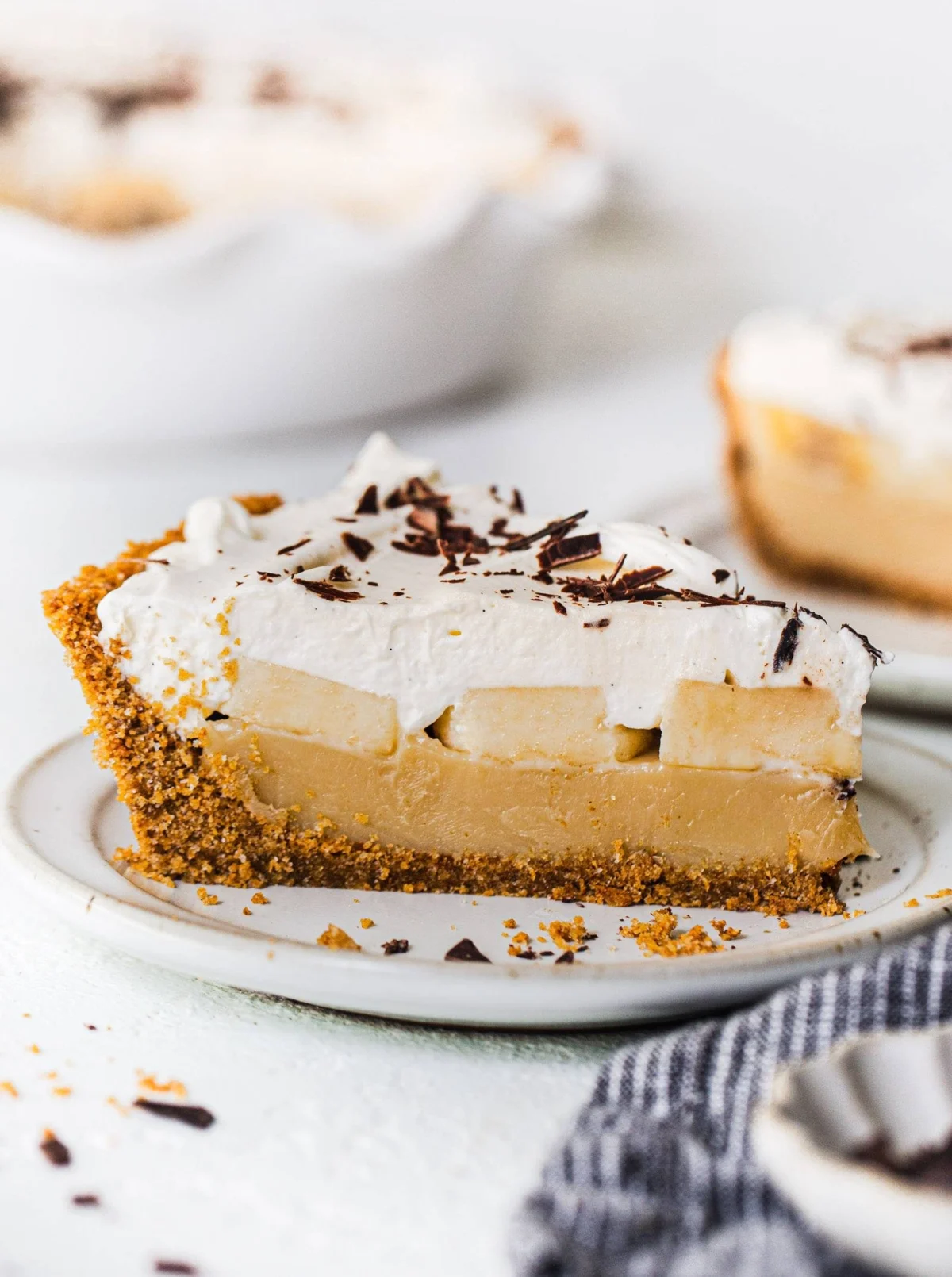

Banoffee Pie, the quintessential British dessert, has recently garnered significant attention, not merely for its delectable layers but as a catalyst for a burgeoning community-focused home baking trend. Characterized by its harmonious blend of a salty-sweet graham cracker crust, a rich, silky caramel toffee filling, fresh sliced bananas, and a generous topping of whipped cream, this easy-to-prepare dessert has emerged as a clear frontrunner in a series of "Family Dessert Nights," highlighting a broader movement towards shared culinary experiences and domestic joy. The dessert’s recent acclaim underscores its timeless appeal and its potential to foster connection and community, making it a compelling subject for both culinary enthusiasts and social observers.
Historical Context: The Genesis of Banoffee Pie
The origins of Banoffee Pie are firmly rooted in British culinary innovation, dating back to the early 1970s. The credit for its invention is widely attributed to Ian Dowding, the chef, and Nigel Mackenzie, the owner, of The Hungry Monk Restaurant in Jevington, East Sussex, England. Initially, the restaurant had been experimenting with an American coffee toffee pie, but after finding the coffee flavor too dominant, they sought an alternative. Dowding reportedly adapted an existing recipe for "Blum’s Coffee Toffee Pie," which utilized condensed milk. He experimented with boiling condensed milk to create a rich toffee, a method sometimes referred to as "dulce de leche" in Latin American cuisine, though its application in this context was novel for a British dessert.
The addition of bananas was a crucial turning point. After trying apples, which proved unsatisfactory, Dowding introduced sliced bananas, followed by a dollop of whipped cream and a buttery biscuit base (often digestive biscuits in the UK, similar to graham crackers in the US). The dessert was an instant hit, quickly becoming a staple on The Hungry Monk’s menu and, through word-of-mouth and subsequent cookbook features, spreading its influence across the United Kingdom and eventually worldwide. Its name, a portmanteau of "banana" and "toffee," perfectly encapsulates its primary flavors and has become synonymous with indulgent comfort. The original recipe, as documented by Mackenzie in the 1974 cookbook "The Deeper Secrets of the Hungry Monk," firmly established Banoffee Pie as a beloved classic, demonstrating how simple, accessible ingredients, thoughtfully combined, can achieve culinary icon status.
Anatomy of a Beloved Dessert: Deconstructing Banoffee Pie
The enduring appeal of Banoffee Pie lies in its meticulously constructed layers, each contributing a unique texture and flavor profile that culminates in a profoundly satisfying experience. Understanding the role of each component is key to appreciating its culinary brilliance.
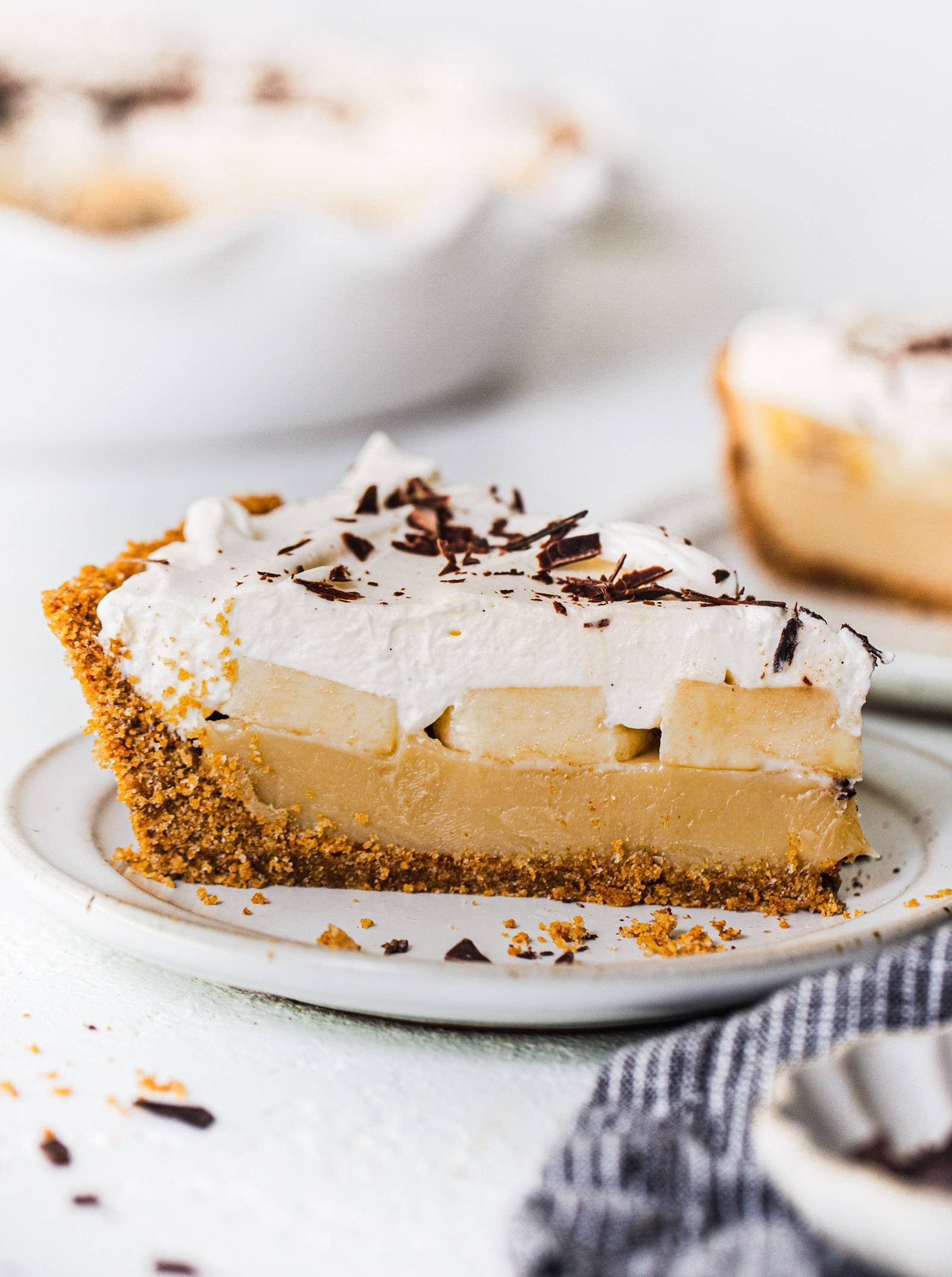
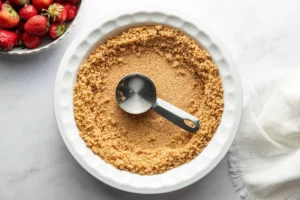
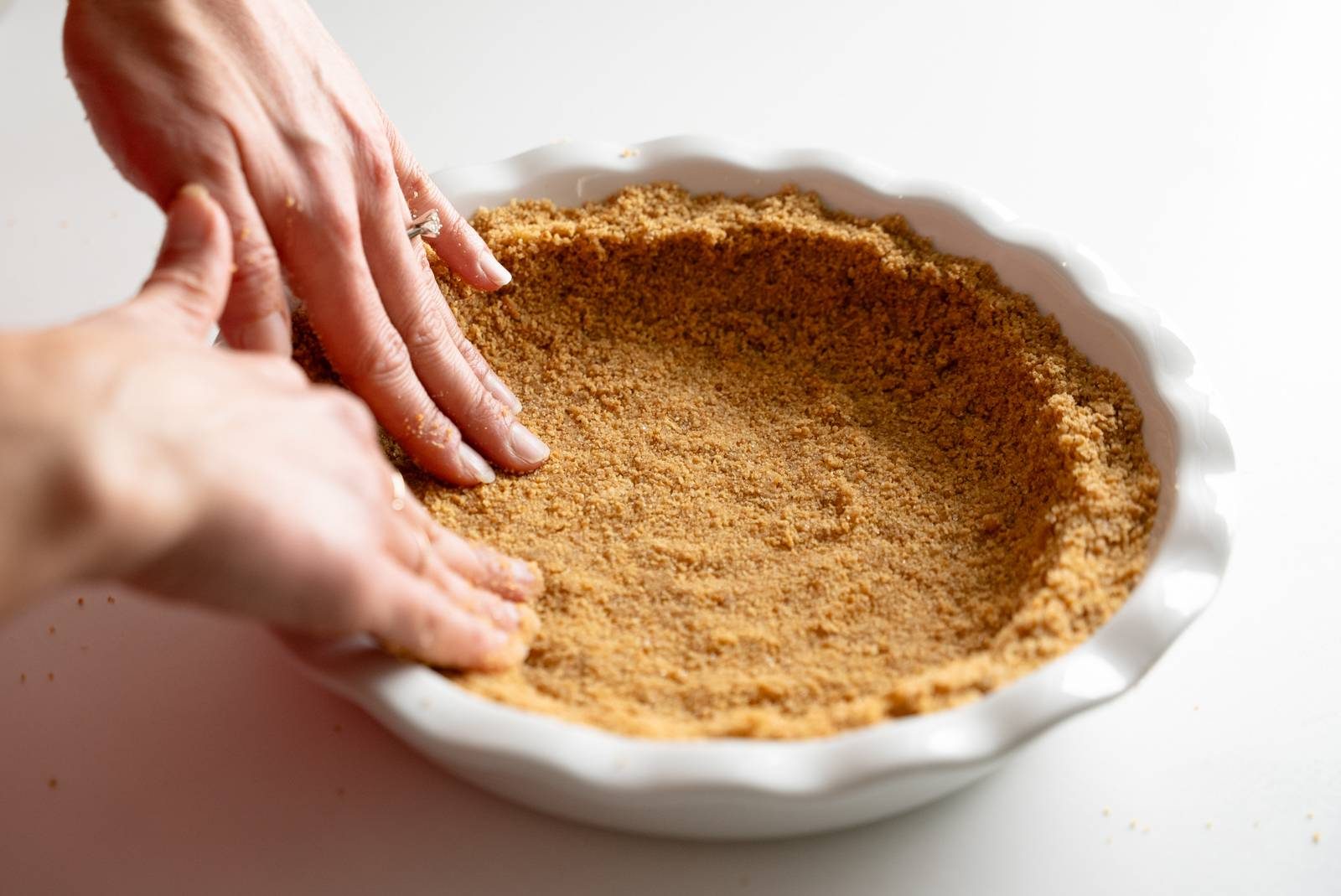
The foundation is typically a graham cracker crust (or digestive biscuit crust in the UK). This layer provides a crucial counterpoint to the richness of the filling. Made from crushed biscuits mixed with melted butter and often a touch of sugar, it offers a firm, slightly crumbly texture and a delicate buttery flavor. When baked or chilled, it forms a stable base that can withstand the weight of the subsequent layers while contributing a subtle saltiness that cleverly balances the overall sweetness of the pie. Culinary experts often highlight the importance of achieving the right consistency for this crust, ensuring it is neither too soft nor too hard, providing a perfect textural contrast.
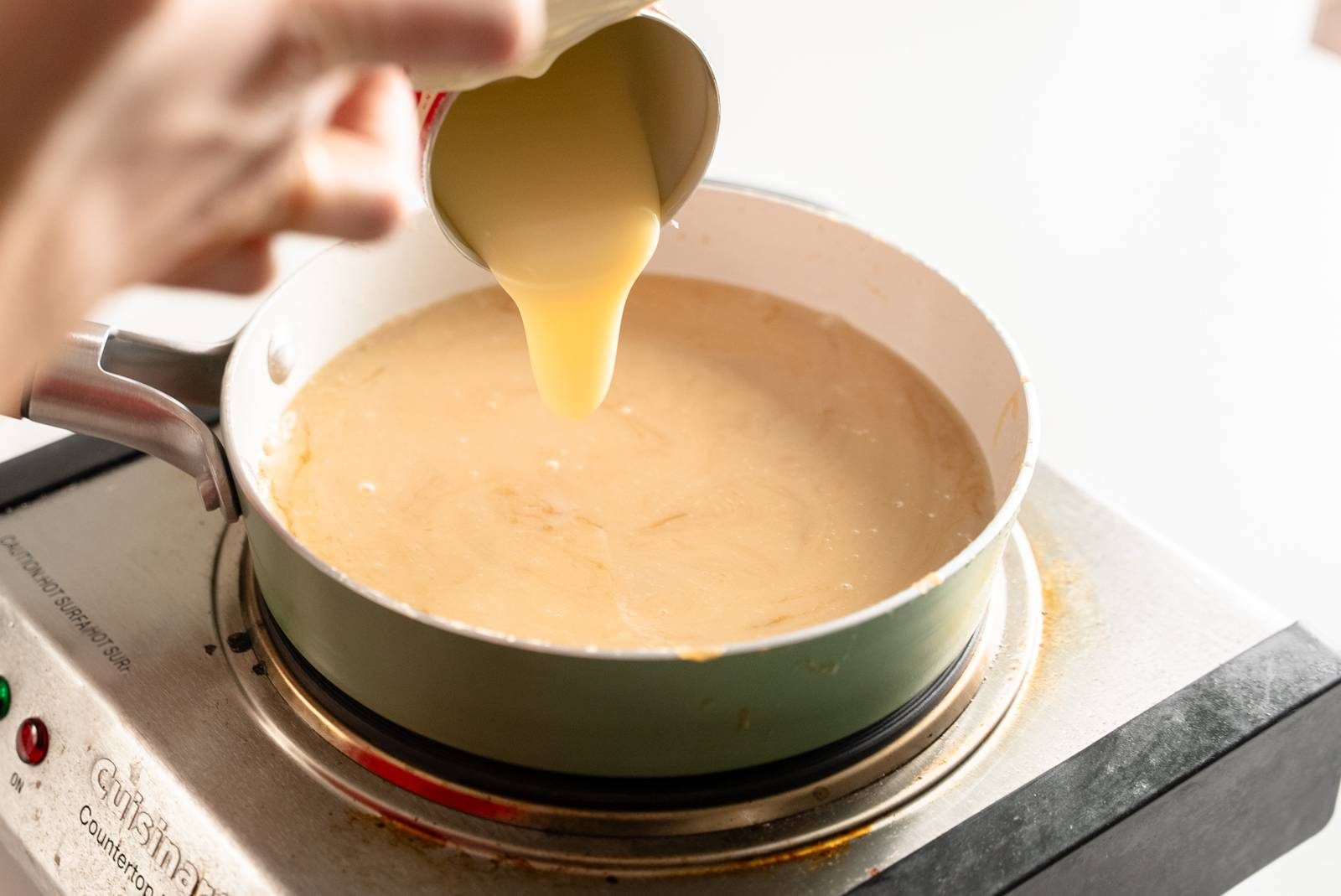
Above the crust lies the heart of the pie: the silky caramel toffee filling. This decadent layer is traditionally created by slowly simmering a can of sweetened condensed milk until it caramelizes into a thick, golden, spreadable toffee. This process, requiring patience and consistent stirring, transforms the milk sugars into a rich, deep caramel with complex notes. The resulting toffee is dense, creamy, and intensely sweet, often described as having a velvety smooth texture that melts in the mouth. Variations sometimes involve adding butter or brown sugar to enhance the caramelization and flavor depth, resulting in a more robust and slightly saltier profile, which is precisely what contributes to the "salty-sweet" dynamic lauded by enthusiasts. The "low and slow" cooking method is paramount to prevent scorching and achieve that desirable silky consistency.
Next comes the vibrant layer of freshly sliced bananas. These add a natural sweetness, a soft, yielding texture, and a hint of fruity tang that cuts through the richness of the toffee. The choice of ripe, firm bananas is critical for both flavor and presentation, as they provide a visual and gustatory freshness that brightens the entire dessert. Their natural sugars complement the caramel, while their slight acidity prevents the pie from becoming cloyingly sweet.
Crowning this magnificent structure is a generous blanket of lightly sweetened whipped cream. This final layer introduces an airy, ethereal quality that contrasts beautifully with the dense toffee and firm crust. The cream’s cool, delicate flavor provides a refreshing finish, tying all the components together with its smooth, cloud-like texture. Often, a dusting of cocoa powder, chocolate shavings, or a single piece of chocolate serves as a final garnish, adding another dimension of flavor and visual appeal. The interplay of these distinct layers—crunchy, chewy, soft, and airy—combined with the salty-sweet, fruity, and creamy flavors, makes Banoffee Pie an exceptionally harmonious and deeply satisfying dessert.
The Rise of "Family Dessert Night": A Modern Culinary Trend
The recent resurgence of Banoffee Pie’s popularity is intricately linked to a growing social phenomenon: the "Family Dessert Night." This initiative, exemplified by individuals like food blogger Lindsay Ostrom, signifies a broader cultural shift towards intentional home cooking and community building through shared meals. Ostrom’s "Family Dessert Night," a weekly tradition focused on preparing a "fun dessert… for no reason except joy," has not only become a highlight for her household but has also served as a model for inviting others and fostering community around a shared love of sweet treats.

This trend reflects a desire to reclaim the kitchen as a space for creativity, connection, and simple pleasure, moving beyond the mere functional aspect of meal preparation. In an increasingly fast-paced world, setting aside dedicated time for baking and sharing dessert acts as an anchor, promoting mindfulness and strengthening familial and social bonds. It’s a deliberate effort to create moments of collective enjoyment and shared experience, often inspired by online content creators and culinary influencers. The influence of platforms like Instagram, where a video from individuals such as Amy Nash can spark widespread interest in a particular recipe, demonstrates the powerful role of digital media in disseminating culinary trends and encouraging participation.
The "Family Dessert Night" movement also speaks to the broader appeal of comfort food in uncertain times. Desserts like Banoffee Pie, with their nostalgic flavors and indulgent textures, offer a sense of warmth and familiarity. They are often perceived as approachable to make, yet impressive enough to share, thus lowering the barrier to entry for home bakers of all skill levels. This fosters a sense of accomplishment and encourages more people to engage in culinary activities. The explicit call to "build community over a shared love of dessert" highlights the social capital generated by these gatherings, transforming a simple act of baking into a meaningful communal ritual. This trend is not just about the food itself; it’s about the experiences and relationships cultivated around the kitchen table.
The Banoffee Pie Phenomenon: A Culinary Assessment
The unequivocal success of Banoffee Pie, particularly its designation as "THE CLEAR WINNER" in family dessert competitions, can be attributed to several key culinary attributes that resonate deeply with modern palates. Its exceptional flavor profile, textural complexity, and surprising accessibility make it a standout.
Firstly, the balance of flavors is paramount. The interplay between the salty-sweet graham cracker crust and the rich, often intensely sweet, toffee filling is a masterclass in contrast. The subtle saltiness in the crust cuts through the caramel’s sweetness, preventing it from becoming cloying and encouraging further indulgence. This salty-sweet dynamic is a highly sought-after characteristic in contemporary desserts, appealing to a wide range of tastes.
Secondly, the textural symphony of Banoffee Pie is a major draw. The crispness of the crust, the smooth chewiness of the toffee, the soft, yielding freshness of the bananas, and the airy lightness of the whipped cream create a multi-sensory experience with every bite. This layering of textures provides an engaging and satisfying mouthfeel that keeps diners coming back for more. As noted, the dessert is "creamy, rich, dense, salty-sweet, and absolutely bonkers delicious," a testament to its multifaceted appeal.
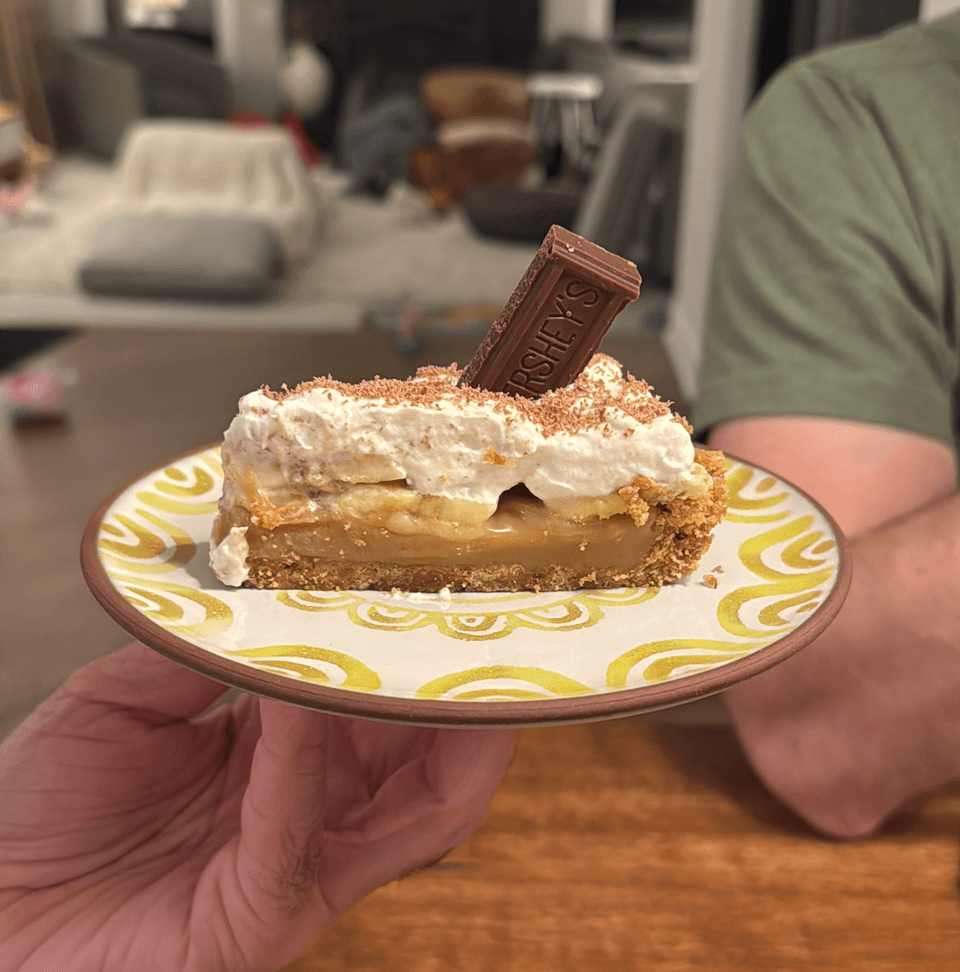
Moreover, while incredibly decadent and visually impressive, Banoffee Pie is relatively easy to prepare, requiring no baking for the filling and often utilizing store-bought condensed milk for the toffee layer. This combination of ease and elegance makes it an ideal choice for home bakers who want to create something special without extensive culinary expertise. The step-by-step process, from preparing the crust to assembling the layers, is straightforward, contributing to its widespread adoption.
The inherent richness of Banoffee Pie is also a defining characteristic. Its density and caloric content mean that "just one small slice at a time" is often sufficient, yet its irresistible quality frequently leads to "revisiting the fridge a few times for ‘just one more bite’ until it’s completely gone." This perceived decadence elevates it from an everyday treat to a celebratory dessert, perfect for special occasions or those indulgent "dessert nights." The combination of these factors ensures Banoffee Pie remains a consistently beloved and highly satisfying culinary creation.
Practical Guide: Crafting the Perfect Banoffee Pie
For those inspired to partake in the Banoffee Pie phenomenon, mastering its creation involves a few key steps and considerations, ensuring a delectable outcome. The process, while straightforward, benefits from attention to detail.
Preparing the Foundation: The Graham Cracker Crust
The journey begins with the graham cracker crust. This base is crucial for both flavor and structural integrity. Typically, graham crackers (or digestive biscuits) are finely crushed and combined with melted butter and a touch of sugar. The mixture is then pressed firmly into a pie dish, extending up the sides to form a sturdy shell. While some recipes call for baking the crust for a short period to achieve a deeper flavor and crisper texture, others opt for a no-bake approach, simply chilling it until firm. The critical aspect is to ensure the crumbs are evenly coated with butter and tightly packed, creating a cohesive and flavorful foundation. As one enthusiast playfully noted, "Take a bite of the warm buttery crumbs before you press them into the pan and tell me that’s not one of the best things you’ve ever eaten," highlighting the simple pleasure of this initial component.
Mastering the Toffee: The "Low and Slow" Method
The centerpiece of Banoffee Pie is its luscious toffee layer. This is traditionally made by slowly caramelizing sweetened condensed milk. The "low and slow" method is paramount here; the milk is gently simmered, with constant stirring, to prevent scorching and ensure an even, creamy consistency. This process can take a significant amount of time, often around 30-60 minutes, as the milk gradually thickens and deepens in color to a rich golden brown. Setting timers and maintaining vigilance are essential. During this transformation, the sugars in the milk caramelize, developing complex notes that define the pie’s signature flavor. It’s important to note that "little browned bits in [the] caramel from the flecks of butter and brown sugar caramelizing" can sometimes occur, and these are perfectly fine and add to the pie’s rustic charm and flavor depth. Once the desired thickness and color are achieved, the toffee is ready to be poured.

Assembling the Layers: Pouring and Chilling
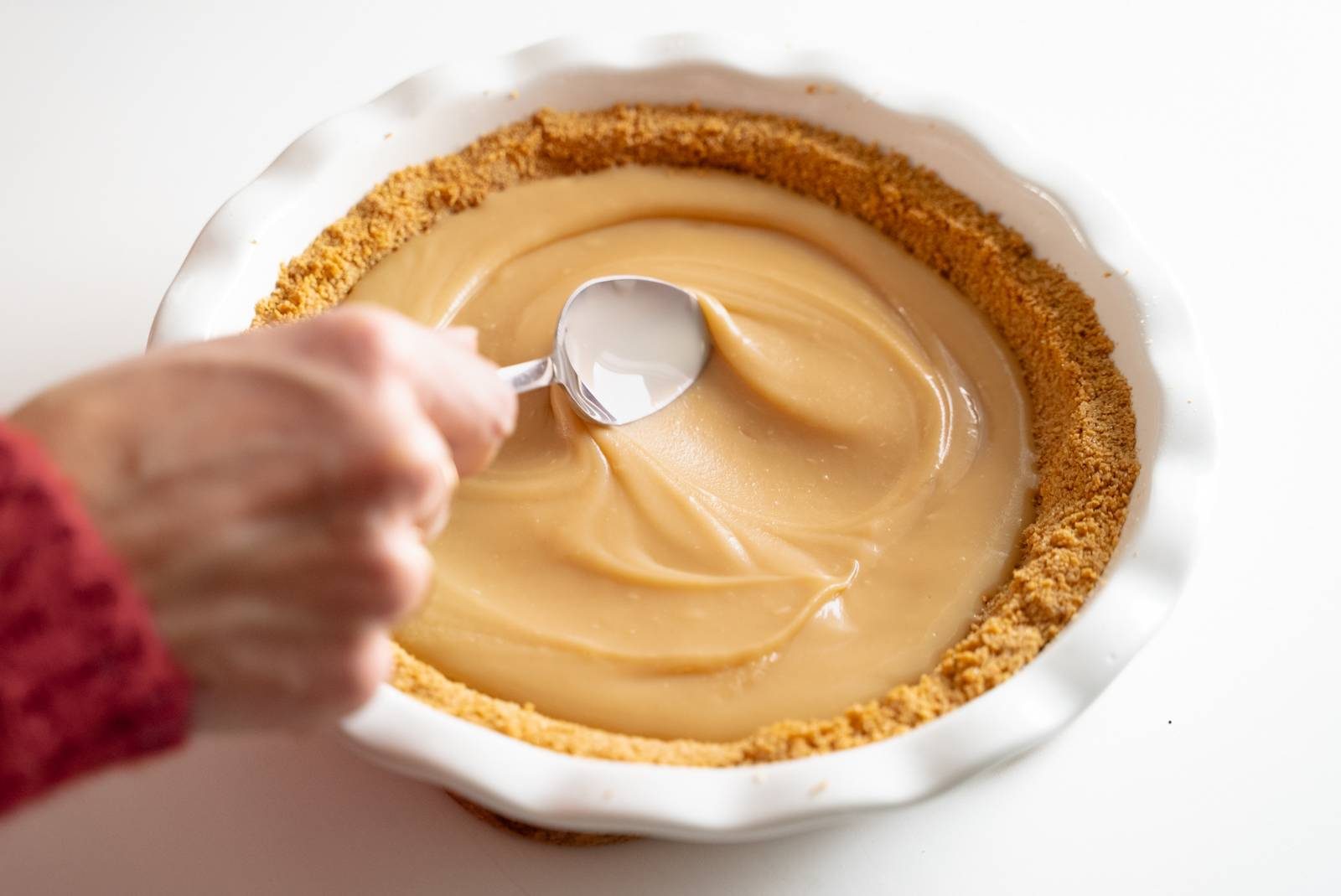
Once the toffee reaches perfection, it is immediately poured into the cooled graham cracker crust. The act of pouring the warm, glistening toffee into the prepared crust is described as "a satisfying feeling." The pie then requires a period of chilling, either in the refrigerator or at room temperature, to allow the toffee to set firm. This step is crucial for achieving clean slices and ensuring the pie holds its shape. Adequate cooling guarantees that the layers will remain distinct and structurally sound when served.
The Fresh Topping: Bananas and Whipped Cream
The penultimate step involves layering sliced bananas over the set toffee. The bananas should be freshly sliced just before assembly to prevent browning and maintain their vibrant flavor. Following the bananas, a generous layer of whipped cream is spread evenly over the top, creating a soft, cloud-like crown. For presentation and an extra touch of flavor, a dusting of cocoa powder or chocolate shavings can be added.
Serving: Achieving Clean Slices
Finally, the pie is ready to be sliced and served. With proper chilling, the slices should cut "nice and clean," presenting distinct layers of crust, toffee, bananas, and cream. Despite its firmness, the pie remains "soft enough to be very very enjoyable to eat," promising a delightful textural experience.
Timing and Preparation Tips
For optimal freshness and presentation, especially considering the perishable nature of bananas and whipped cream, a typical preparation schedule is recommended. The crust and toffee layer can be prepared in advance and chilled. However, the bananas and whipped cream are best added on the day of serving. Leftovers, while still delicious, may experience a slight degradation in quality; "the bananas and whipped cream release some liquid, and the bananas will start to brown a bit." For this reason, many connoisseurs suggest making and serving the pie on the same day, enjoying any subsequent servings as a more rustic, albeit equally tasty, experience.
Nutritional Overview and Dietary Notes
While Banoffee Pie is celebrated for its indulgent qualities, it is important to acknowledge its nutritional profile. As a dessert rich in sugar and fat, it is generally considered a high-calorie treat best enjoyed in moderation.
The primary ingredients—sweetened condensed milk, butter, graham crackers, bananas, and heavy cream—contribute significantly to its caloric density. Sweetened condensed milk is high in both sugar and fat, which caramelize to form the rich toffee. Butter, a key component of the crust, adds saturated fat. Graham crackers provide carbohydrates and some fiber, while bananas offer natural sugars, potassium, and vitamins (B6, C). Heavy cream, for the topping, contributes additional fat and a creamy texture.
Given its composition, Banoffee Pie is typically high in carbohydrates (primarily from sugar), fats (both saturated and unsaturated), and calories. It offers minimal protein and fiber, except for the modest contributions from the bananas and graham crackers. For individuals monitoring their sugar or fat intake, or those with dietary restrictions, it is advisable to consider portion sizes carefully.
For those with specific dietary needs, variations can be explored. Gluten-free graham crackers can be used for a gluten-free crust. Dairy-free condensed milk and whipped cream alternatives are also available for lactose-intolerant individuals or those following a vegan diet, though these substitutions may alter the traditional flavor and texture profile. Ultimately, Banoffee Pie remains a dessert designed for enjoyment and occasional indulgence, fitting perfectly into the framework of celebratory "Dessert Nights."
Beyond the Kitchen: Implications for Home Cooking and Community
The phenomenon surrounding Banoffee Pie and the "Family Dessert Night" initiative transcends mere culinary trends; it highlights broader societal implications for home cooking and community engagement. In an era dominated by convenience and digital connectivity, the deliberate act of preparing and sharing homemade food serves as a powerful antidote to isolation and disengagement.
The "joy" derived from baking, as articulated by proponents of the dessert night concept, speaks to the inherent human satisfaction found in creation and nourishment. Home cooking, particularly baking, offers a tangible sense of accomplishment and a creative outlet that can be deeply fulfilling. It is a mindful activity that engages the senses and provides a break from daily routines, fostering mental well-being.
Furthermore, these dessert-centric gatherings are potent tools for building connections. Food has always been a universal language, a medium through which cultures express hospitality, affection, and solidarity. Shared meals, especially those involving homemade treats, create an atmosphere of warmth and intimacy, encouraging conversation and strengthening relationships. In a world where face-to-face interactions can sometimes feel scarce, events like "Family Dessert Night" provide a structured yet relaxed setting for people to gather, connect, and build lasting bonds over a shared love for delicious food.
The accessibility of "easy dessert recipes" like Banoffee Pie plays a crucial role in empowering more individuals to participate in home cooking. Recipes that are simple to follow, yet yield impressive results, boost culinary confidence and encourage experimentation. This democratizes the art of baking, making it less intimidating and more inclusive.
Finally, the role of online platforms—blogs, Instagram, YouTube—in culinary education and inspiration cannot be overstated. These platforms serve as vast repositories of recipes, techniques, and visual inspiration, allowing culinary ideas to spread rapidly and globally. They enable individuals to discover new dishes, learn from experienced home cooks, and participate in broader culinary challenges, transforming passive consumption into active engagement. The viral spread of Banoffee Pie, initiated by a simple video, exemplifies how digital communities can inspire real-world culinary actions and foster a collective passion for food.
Expert Commentary and Public Reception
The overwhelming positive reception to Banoffee Pie, particularly its recent elevation as a "clear winner" in a curated home baking series, aligns with expert commentary on the enduring appeal of classic, comfort-driven desserts. Culinary figures and food critics consistently note that while avant-garde gastronomy has its place, there is an evergreen demand for dishes that evoke nostalgia, provide sensory satisfaction, and are inherently shareable.
Lindsay Ostrom’s enthusiastic endorsement of Banoffee Pie can be viewed as an expert affirmation from a seasoned food blogger and home cook. Her declaration that it "might be my favorite dessert, for sure top five," underscores its significant impact within her extensive culinary experience. This kind of personal, yet authoritative, recommendation often carries substantial weight with the public, influencing home bakers to try the recipe themselves.
The public’s ongoing affection for Banoffee Pie reflects a broader trend favoring accessible indulgence. In an era where many seek simple pleasures and moments of escape, desserts that are both deeply satisfying and relatively easy to execute hold a special place. Its rich, dense texture and harmonious flavor profile offer a luxurious experience that feels both comforting and celebratory. This widespread appeal ensures that Banoffee Pie, a dessert born from humble origins in a British restaurant, continues to thrive as a beloved classic, inspiring new generations of home bakers and fostering community one delicious slice at a time.
In conclusion, Banoffee Pie stands not just as a remarkably delicious dessert, but as a symbol of the growing movement towards intentional home baking and community building. Its historical significance, exquisite flavor profile, and ease of preparation have cemented its status as a timeless favorite. The "Family Dessert Night" phenomenon further demonstrates how simple culinary traditions can foster profound connections, inviting individuals to embrace the joy of creating and sharing, and ultimately enriching lives through the universal language of food.