
This stark finding, drawn from a comprehensive study involving nearly 2,000 individuals afflicted with Irritable Bowel Syndrome (IBS), underscores the profound and debilitating impact of the disorder. Further research reinforces this desperation, revealing that some patients would even accept a medicine carrying a one percent risk of sudden death if it promised an immediate and complete cessation of their symptoms. These symptoms, which can oscillate between urgent, unpredictable bouts of diarrhea, persistent constipation, and severe gas, paint a picture of relentless discomfort and disruption.
For many, IBS is not merely an inconvenience but a torment, characterized by episodes of abdominal pain described by some as more severe than childbirth. These intense flare-ups have far-reaching consequences, capable of shattering concentration, interrupting crucial sleep, and decimating work productivity. The pervasive nature of these symptoms often forces individuals to meticulously plan their lives around the immediate availability of private, sanitary restrooms. This constant apprehension of an unexpected flare-up drives many to actively avoid social gatherings, restaurants, and even public exercise, isolating them from activities that contribute to a fulfilling life.
This ever-present dread has been formally recognized as gastrointestinal-specific anxiety. This specialized form of anxiety profoundly affects every facet of a person’s life, from the integrity of their social relationships to their overall sense of well-being. It is cited as a primary reason why individuals with IBS frequently report a significantly lower quality of life compared to those managing other severe chronic conditions, including heart disease, diabetes, and even end-stage kidney disease. The psychological burden often mirrors, and sometimes surpasses, the physical distress.
Understanding Irritable Bowel Syndrome: A Evolving Perspective
IBS, sometimes colloquially referred to as "spastic colon," stands as the most frequently diagnosed digestive disorder globally, impacting an estimated 14 percent of the adult population. Its prevalence varies across regions and demographics, with women generally experiencing higher rates than men, and diagnoses often peaking in early to middle adulthood.
Crucially, IBS is distinct from Inflammatory Bowel Diseases (IBD) such as Crohn’s disease and ulcerative colitis. While both involve gastrointestinal distress, IBS does not entail any visible alteration to the gut’s architecture. Diagnostic imaging and endoscopic examinations of IBS patients typically reveal no infections, inflammation, structural damage to the bowel wall, or other conventional markers of disease. This historical absence of visible pathology led many healthcare professionals years ago to erroneously assume that IBS was purely psychological in origin. However, scientific understanding has significantly advanced, leading to a paradigm shift in its classification.
Today, experts categorize IBS as a functional neuro-gastrointestinal disorder. This contemporary view recognizes that while the gut itself may appear structurally normal, the intricate neural pathways connecting the gastrointestinal tract and the brain do not function optimally. This dysregulation results in the brain misinterpreting or over-amplifying typical digestive signals, sending unnecessary pain signals, and interfering with the normal rhythm and function of the bowels. This complex interplay between the gut and the brain, known as the gut-brain axis, is now central to understanding IBS.
The Spectrum of IBS Symptoms and Their Causes
The manifestation of IBS is highly variable, making diagnosis challenging. Symptoms often fluctuate, with individuals experiencing periods of relief lasting months or even years, only to be struck by severe flare-ups that can persist for hours to weeks. Furthermore, no two individuals with IBS necessarily share the same set of symptoms.
Common symptoms of IBS include:
- Abdominal pain and cramping, often relieved by a bowel movement.
- Stool irregularities, presenting as either persistent constipation (IBS-C), chronic diarrhea (IBS-D), or an alternating pattern of both (IBS-M).
- Excessive gas and bloating, contributing significantly to discomfort and visible distension.
- The presence of mucus in stools.
- A sensation of incomplete bowel movements, leading to repeated attempts and prolonged bathroom visits.
The precise etiology of IBS remains an active area of research, but several prominent theories seek to explain the functional differences observed in affected individuals. One leading hypothesis posits that the nerve endings within the GI tract of IBS patients are overly sensitive. This hypersensitivity can manifest in two primary ways:

- Exaggerated Pain Signals: Hypersensitive nerves relay amplified pain signals to the brain, causing individuals with IBS to perceive normal digestive processes—such as the movement of tiny gas bubbles—as intensely uncomfortable, whereas someone without the disorder would barely notice them.
- Disrupted Motility: Overreactive nerves can trigger the gastrointestinal muscles to contract with excessive force and frequency, leading to rapid transit, gas, bloating, and diarrhea. Conversely, if these nerves underreact, the same muscles may not contract forcefully enough, slowing the passage of food through the intestine and resulting in constipation.
Another compelling theory implicates disturbances in the gut microbiome, the vast community of microorganisms residing in the digestive tract. This theory helps to explain the phenomenon of post-infectious IBS (PI-IBS), where symptoms develop after an individual has experienced a severe gastrointestinal illness, such as a bout of Norovirus or bacterial gastroenteritis, suggesting a lasting alteration in gut flora and function.
Diagnosing IBS: A Thorough Process
Given the overlap of IBS symptoms with numerous other gastrointestinal and systemic health conditions, a definitive diagnosis requires careful evaluation by a credentialed health professional. Conditions such as celiac disease, inflammatory bowel diseases (Crohn’s, ulcerative colitis), microscopic colitis, small intestinal bacterial overgrowth (SIBO), certain infections, food allergies, and even colorectal cancer must be systematically ruled out.
It is particularly critical to seek medical attention if any of the following "red flag" symptoms are present, as they may indicate a more serious underlying condition:
- Unexplained weight loss.
- Rectal bleeding or blood in stools.
- Anemia.
- Fever.
- Onset of symptoms after age 50.
- Nocturnal symptoms (waking up due to pain or bowel movements).
- Family history of inflammatory bowel disease, celiac disease, or colorectal cancer.
Beyond ruling out other conditions, a healthcare professional will conduct a detailed clinical history, asking specific questions about symptom patterns, frequency, and severity. This information is crucial for classifying the IBS into specific subtypes based on the predominant bowel habit, according to the Rome IV criteria:
- IBS with Constipation (IBS-C): Characterized by hard or lumpy stools more than 25% of the time, and loose or watery stools less than 25% of the time.
- IBS with Diarrhea (IBS-D): Defined by loose or watery stools more than 25% of the time, and hard or lumpy stools less than 25% of the time.
- IBS with Mixed Bowel Habits (IBS-M): Involves both hard/lumpy stools and loose/watery stools more than 25% of the time.
- IBS Unclassified (IBS-U): When symptoms do not fit neatly into the other categories.
The specific IBS type significantly informs the healthcare professional’s recommended management plan. For IBS-D, treatments might include a short course of antibiotics, anti-diarrheal medications, or specific agents that reduce gut motility. For IBS-C, interventions could range from fiber supplements and non-habit-forming laxatives to pro-secretory agents or medications that modulate pain perception and regulate bowel movements.
Preparing for a Medical Appointment: The Pre-Appointment Checklist
To maximize the effectiveness of a medical consultation, individuals are advised to prepare thoroughly. A healthcare professional will likely inquire about several key areas:
- The precise onset of symptoms and their duration.
- The specific nature of the abdominal pain (location, intensity, triggers, relieving factors).
- The frequency, consistency, and appearance of bowel movements.
- Any associated symptoms like bloating, gas, nausea, or fatigue.
- Dietary habits, stress levels, and sleep patterns.
- Current medications, supplements, and relevant medical history.
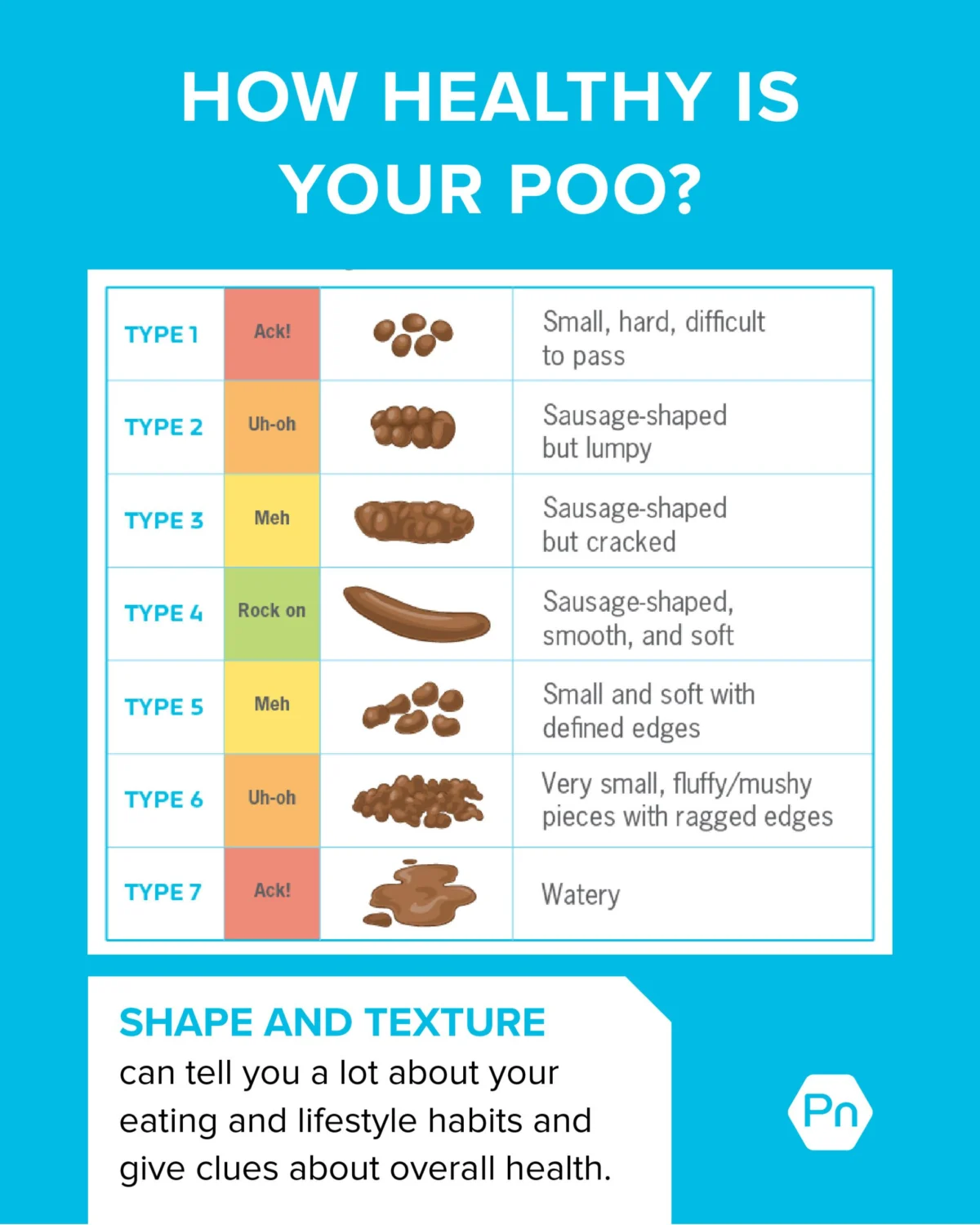
A practical, albeit often unappealing, step in preparation is to maintain a "poo diary" for a couple of weeks leading up to the appointment. This diary should meticulously track the frequency of bowel movements, the presence of other symptoms, and crucially, the quality of stool using the Bristol Stool Chart. This standardized chart categorizes stool into seven types, from Type 1 (separate hard lumps, difficult to pass) to Type 7 (entirely liquid). This objective data provides invaluable insights for the healthcare professional in assessing the likelihood of IBS and determining its specific type.
Navigating Life with IBS: Five Evidence-Based Strategies
In recent years, the therapeutic landscape for IBS has expanded significantly. The U.S. Food and Drug Administration has approved several novel prescription medicines specifically targeting IBS symptoms, alongside innovative medical devices that stimulate cranial nerves to alleviate discomfort. Concurrently, a wealth of research has explored the intricate interplay between IBS and various lifestyle habits, yielding promising non-pharmacological management strategies.
Here are five evidence-based approaches to help reduce IBS symptoms and foster overall bowel health:

1. Embrace Regular Exercise
Consistent physical activity is a cornerstone of IBS management. Individuals with IBS who engage in regular exercise tend to experience fewer symptoms and less frequent flare-ups compared to their sedentary counterparts. A study involving moderate walking for an hour, three times a week, demonstrated significant relief from bloating and abdominal pain within just 12 weeks. While the exact mechanisms are still being elucidated, exercise is believed to:
- Reduce Stress: Physical activity is a potent stress reliever, which in turn can improve the crucial communication pathways along the gut-brain axis.
- Enhance Gut Motility: Regular movement can help regulate bowel transit time, alleviating both constipation and diarrhea.
- Promote a Healthy Microbiome: Exercise may encourage the growth of beneficial gut bacteria, contributing to more efficient food breakdown and reduced inflammation.
2. Prioritize Stress Management
The bidirectional relationship between stress and IBS is undeniable. Anxiety, chronic stress, and depression all trigger the release of stress hormones like norepinephrine and cortisol, which can:
- Intensify visceral pain perception in the gut.
- Alter gut motility, leading to either spasms or slowed movement.
- Increase gut permeability, potentially allowing irritants to pass through the intestinal lining.
- Influence the composition and function of the gut microbiome.
Given that stress cannot simply be "switched off," effective management focuses on cultivating coping mechanisms and resilience. Techniques such as mindfulness meditation, cognitive-behavioral therapy (CBT), gut-directed hypnotherapy, deep breathing exercises, yoga, and gentle walking can help individuals regulate their nervous system response. Health coaches often guide clients to identify and focus on aspects within their sphere of control—such as their mindset and effort—rather than dwelling on external stressors beyond their influence.
3. Cultivate Mindful Eating Habits
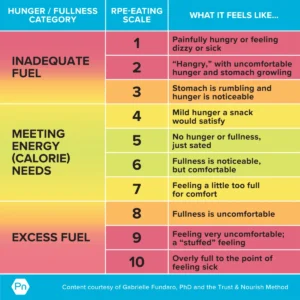
Slowing down the eating process offers significant digestive benefits beyond calorie control. Mindful, unhurried eating can notably reduce or even eliminate common gastrointestinal complaints such as acid reflux, bloating, and pain. This is primarily due to:
- Enhanced Chewing: Slower eating naturally encourages more thorough chewing, which mechanically breaks down food into smaller particles. This initial step aids the mouth’s digestive enzymes in pre-digesting food, reducing the workload on the stomach and intestines.
- Reduced Stress Response: Eating in a relaxed, calm environment lowers stress hormone levels, making it less likely that they will exacerbate GI pain signals. The activation of the parasympathetic nervous system ("rest and digest") promotes optimal digestive function.
4. Address Sleep Problems
Sleep disturbances are highly prevalent among individuals with IBS. Research indicates that IBS patients often experience shallower, less restorative, and more interrupted sleep. Consequently, many sleep more hours overall than healthy individuals but still report feeling less rested. This pervasive fatigue can initiate a detrimental cycle: poor sleep quality elevates stress hormone levels, which in turn intensifies gut pain. Furthermore, sleep-deprived individuals often experience increased hunger and cravings for high-fat and sugary foods, which are more likely to trigger IBS symptoms, especially if consumed quickly.
Breaking this cycle requires a multi-faceted approach. The previously mentioned strategies of regular exercise, stress management, and slower eating can all contribute to improved sleep quality. Additionally, establishing consistent sleep hygiene practices, such as consuming a smaller dinner earlier in the evening, creating a relaxing pre-bedtime routine (e.g., foam rolling, meditation, warm bath, journaling), and ensuring a dark, cool, and quiet sleep environment, can be highly beneficial.
5. Systematically Investigate Dietary Triggers
While no universal "IBS diet" exists, certain food categories are more commonly problematic for a significant number of individuals. These include:
- Fermentable Oligosaccharides, Disaccharides, Monosaccharides, and Polyols (FODMAPs): These are a group of short-chain carbohydrates that are poorly absorbed in the small intestine. They draw water into the gut and are fermented by gut bacteria, producing gas. In IBS patients with visceral hypersensitivity, this can lead to intense pain, bloating, and altered bowel habits. High-FODMAP foods include wheat, rye, barley, onions, garlic, legumes, dairy, honey, cashews, and various fruits and vegetables.
- Caffeinated Beverages and Foods: Especially coffee, caffeine can trigger stress hormone release, stimulate stomach acid production, increase muscle contractions in the colon, and irritate the intestinal lining.
- Alcohol and Spicy Foods: These can directly irritate the gut lining, exacerbating symptoms for many.
- High Fructose Corn Syrup and Sugar Alcohols: Sweeteners like sorbitol, mannitol, and xylitol are known to have osmotic effects, drawing water into the intestine and potentially causing gas, bloating, and diarrhea, particularly in susceptible individuals.
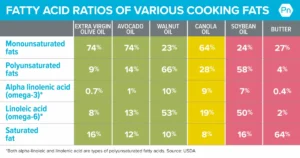
- Fatty, Greasy Foods: High-fat meals can slow digestion and attract water, contributing to loose stools, bloating, and gas.
It is crucial to recognize that individual sensitivities vary widely. One person might react to apples but tolerate berries, while another struggles with black tea but not green. A gluten-free diet may be beneficial for some but not others. Therefore, a personalized approach to dietary investigation is paramount. This often involves an elimination diet, a structured process to identify specific problematic foods and the quantities that can be safely tolerated.
The Role of Health Coaches and Scope of Practice
For individuals navigating the complexities of IBS, a multidisciplinary approach involving medical professionals, registered dietitians, and health coaches often yields the best outcomes. Health coaches, particularly those with specialized training in digestive health, play a vital supportive role.
It is well within a health coach’s scope of practice to support clients with IBS, especially given the strong link between lifestyle, diet, and symptoms. However, crucial caveats apply:
- Do Encourage Medical Diagnosis: Always advise clients with digestive issues to seek a definitive diagnosis from a healthcare professional.
- Don’t Diagnose: Coaches must never diagnose IBS or any other medical condition.
- Do Share Information and Facilitate Experiments: Coaches can educate clients about potential lifestyle changes, including the principles of elimination diets, and help them design experiments to understand their body’s responses.
- Don’t Prescribe Rigid Diets: Coaches should not present a restrictive diet as a definitive "cure" or create prescriptive anti-IBS meal plans. Their role is to support clients in their self-discovery process.
- Do Collaborate with Medical Teams: Offer to work in conjunction with the client’s medical team, helping them implement and adhere to medically recommended lifestyle adjustments.
- Don’t Contradict Medical Advice: Never undermine or contradict the advice of medical professionals.
- Do Provide Supportive Tools: Offer optional recipes and practical tools that align with a client’s chosen dietary approach.
- Don’t Claim to Have All Answers: Emphasize a multi-disciplinary approach and empower clients to explore various therapies.
- Do Promote Client Autonomy: Ensure clients understand they have the autonomy to choose which lifestyle changes they wish to implement, or not.
- Don’t Use Coercion: Avoid using fear or manipulation to enforce compliance.
Elimination Diets for IBS: How and When to Try Them

Elimination diets are essentially systematic scientific experiments designed to identify food triggers. They involve removing specific foods for a defined period, typically three weeks, followed by a slow, controlled reintroduction of each food to monitor for symptom reactions. The goal is not permanent restriction but rather identification of individual sensitivities and tolerance levels.
Different types of elimination diets cater to varying needs and levels of suspected food triggers:
1. Elimination Diet "Lite" for IBS:
This approach is ideal for individuals who already have a strong suspicion about one to four specific foods or beverages that trigger their symptoms. For example, if dairy is consistently problematic, the "lite" version involves eliminating only dairy for three weeks, then reintroducing it to observe the response. This method is less restrictive and easier to manage.
2. Elimination Diet "Medium" (Precision Nutrition Approach):
For those unsure of their specific triggers but open to a more comprehensive investigation, a structured elimination diet like the Precision Nutrition plan is recommended. Developed with input from registered dietitians, this plan temporarily removes many common problematic foods while still ensuring a diverse intake of vegetables, fruits, starches, legumes, nuts, seeds, and lean proteins. This balance helps maintain nutritional adequacy during the elimination phase. Resources like the "Ultimate Guide to Elimination Diets" can provide detailed guidance, including food lists, recipes, and tracking sheets.
3. The Low-FODMAP Diet for IBS:
Developed and extensively researched by Monash University in Australia, the low-FODMAP diet is a highly specialized form of medical nutrition therapy specifically designed for IBS. FODMAPs (Fermentable Oligosaccharides, Disaccharides, Monosaccharides, and Polyols) are short-chain carbohydrates that can ferment in the gut, causing symptoms. The diet involves three phases:
- Elimination Phase: Strict removal of high-FODMAP foods for 2-6 weeks to achieve symptom reduction.
- Reintroduction Phase: Systematic reintroduction of individual FODMAP groups to identify specific triggers and tolerance levels. This phase is complex and requires careful planning.
- Personalization Phase: Integration of tolerated FODMAPs back into the diet, maintaining restriction only for identified triggers.
Unlike other elimination diets, the low-FODMAP diet’s list of problematic foods is not intuitive, and the reintroduction phase is intricate. Therefore, it is strongly advised that individuals diagnosed with IBS who suspect a FODMAP issue seek guidance from a FODMAP-certified practitioner or a registered dietitian experienced in this protocol. The Monash University FODMAP Diet app is an invaluable tool for navigating this complex dietary approach.
| Food Group | Low FODMAP | High FODMAP |
|---|---|---|
| Vegetables | Green beans, bok choy, green bell peppers, carrots, cucumbers, lettuce, potatoes | Artichoke, asparagus, mushrooms, onions, garlic, snowpeas, cauliflower, leeks |
| Fruits | Cantaloupe, kiwi, mandarin, orange, pineapple, firm bananas, blueberries | Apples, cherries, mango, nectarines, peaches, pears, plums, watermelon, ripe bananas |
| Dairy and Dairy Alternatives | Almond milk, brie, feta, hard cheese, lactose-free milk & yogurt | Cow’s milk and foods made from cow’s milk, soy milk |
| Protein-Rich Foods | Eggs, tofu, tempeh, most minimally-processed meats, poultry, seafood | Most legumes, some marinated and processed meats |
| Starches | Foods made from oats, quinoa, rice, spelt, or corn | Foods made from wheat, rye, and barley |
| Sweeteners | Dark chocolate, maple syrup, rice malt, table sugar | High-fructose corn syrup, honey, sugar alcohols, agave |
| Nuts and Seeds | Peanuts, pumpkin seeds, almonds, macadamias, and walnuts | Cashews, pistachios |
The Empowering Role of Health Coaching in IBS Management
While knowledge is power, it is the application of that knowledge that truly transforms health. Understanding that dairy aggravates one’s gut is different from consistently choosing alternatives. Knowing that an early, light dinner improves sleep is distinct from consistently planning one’s life to make that happen. This is precisely where a certified health coach can provide invaluable support.
Health coaches help bridge the gap between knowing what to do and actually doing it. They assist clients in overcoming the anxiety associated with identifying trigger foods, addressing concerns that such knowledge might make eating more challenging. A key message conveyed by coaches is that even if a beloved food is identified as a trigger, individuals retain agency. They can choose to continue eating it, accepting potential symptoms, or strategically avoid it during times when symptom control is paramount. This approach fosters a sense of control and empowerment, emphasizing that with knowledge comes the freedom of choice.
The journey with IBS is often long and challenging, marked by physical pain, psychological distress, and social limitations. However, with an increasingly sophisticated understanding of the condition, coupled with evidence-based lifestyle strategies and compassionate professional support, individuals with IBS can gain significant control over their symptoms and dramatically improve their quality of life. The collaborative efforts of medical experts, nutrition professionals, and health coaches offer a beacon of hope for living a fuller, more comfortable life.