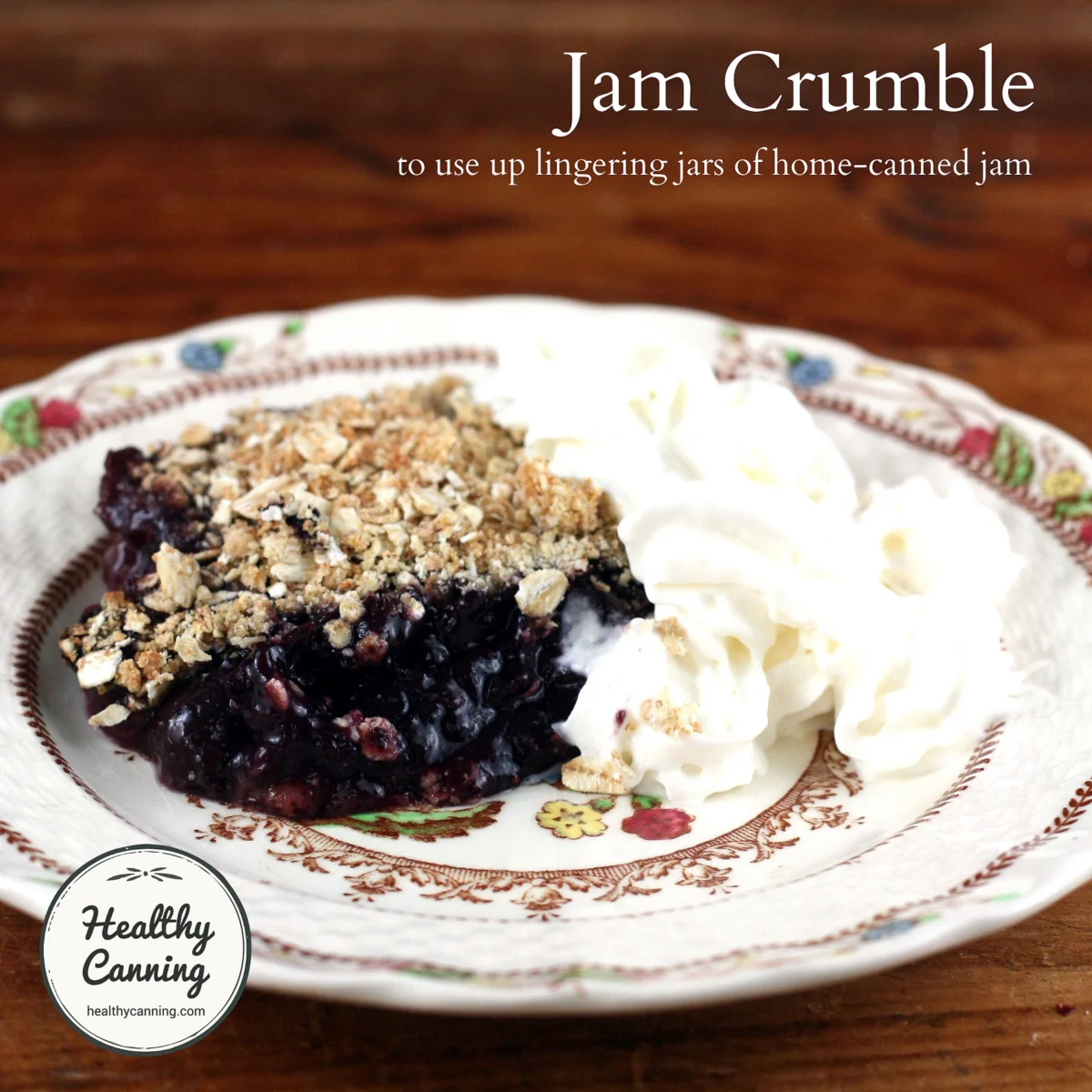

The management of domestic food inventories often presents a unique challenge to the modern home preserver: the accumulation of surplus fruit preserves. Whether resulting from an unexpected agricultural windfall or a temporary shift in household consumption patterns, jars of homemade jam frequently remain on pantry shelves past their peak utility for traditional applications. To address this logistical inefficiency, culinary experts and home economists are highlighting the "Jam Crumble" as a primary method for the rapid conversion of stagnant inventory into high-value dessert products. This technique not only maximizes the utility of preserved goods but also aligns with broader global initiatives to reduce household food waste by repurposing existing pantry staples into versatile, nutrient-dense meals.
The Evolution of Home Preservation and Surplus Management
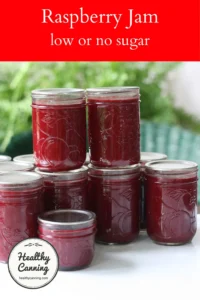
The practice of home canning has undergone a significant resurgence over the last decade, driven by a combination of economic factors, a desire for food sovereignty, and the "slow food" movement. According to industry data, interest in home preservation spiked by nearly 40% during the early 2020s as supply chain instabilities prompted consumers to secure their own food sources. However, the cyclical nature of harvest seasons often leads to "over-canning," where a household may produce several dozen jars of a single variety of jam—such as strawberry, plum, or apricot—far exceeding their annual consumption of breakfast spreads.
As these jars age, the quality of the preserves, while still safe for consumption if processed correctly according to USDA guidelines, may begin to undergo minor aesthetic changes. Syneresis (the separation of liquid from the gel) or slight darkening due to oxidation can make the jam less appealing as a standalone topping. The Jam Crumble protocol provides a thermal processing solution that revitalizes these preserves. By subjecting the jam to oven temperatures of 175°C (350°F), the sugars undergo further caramelization and the pectin structure is integrated with a textured topping, effectively masking minor age-related changes in the preserve’s consistency.

Technical Specifications of the Jam Crumble Protocol
The production of a jam-based crumble is categorized by its low barrier to entry and high speed of execution, with a total "prep-to-table" time of approximately 45 minutes. The process is designed to be modular, allowing for the use of various jar sizes and flavor profiles.
Core Requirements and Yield
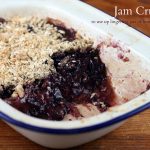
The standard procedure is optimized for a yield of approximately two cups of finished product, which serves six individuals. The recipe requires a base of 500 ml (approximately 1 pint) of fruit preserves. This can be achieved by utilizing a single pint jar or by combining two half-pint (250 ml) jars. Culinary specialists suggest that "layering" different flavors—such as a base of tart raspberry topped with a layer of sweet peach jam—can create a more complex flavor profile, enhancing the organoleptic properties of the final dessert.
Thermal Processing Parameters
The oven must be preheated to a consistent 175°C (350°F). This temperature is critical; it is high enough to induce the Maillard reaction in the crumble topping (the browning of proteins and sugars) while ensuring the jam base bubbles and thickens without scorching. The recommended bake time is 35 minutes, providing sufficient duration for the moisture in the jam to interact with the bottom layer of the crumble, creating a cohesive, jam-cake interface.
Ingredient Synergy and Structural Integrity
The success of a crumble depends on the structural contrast between the viscous, fluid base and the friable, crisp topping. While the original source content mentions the use of oatmeal pancake mix as a convenient shortcut, professional culinary standards often dictate a scratch-made topping to control texture and sweetness levels.
The Crumble Matrix
A standard alternative topping consists of a calculated ratio of oats, flour, and lipids.
- Oats (1/2 cup): Provide the primary structural framework and dietary fiber.
- Flour (2 tbsp): Acts as a binding agent, filling the gaps between oat flakes.
- Sugar (1 tbsp): Facilitates browning and provides a crisp snap upon cooling.
- Butter (2 tbsp): The lipid component essential for the "rubbing-in" process, which coats the flour particles to prevent excessive gluten development, resulting in a crumbly rather than bready texture.
For enhanced sensory appeal, additives such as ground nutmeg or cinnamon are frequently introduced. These spices serve a dual purpose: they complement the fruit flavors of the jam and provide aromatic volatile compounds that increase the perceived value of the dish.
Mitigating Household Food Waste Through Creative Culinary Re-purposing
The Jam Crumble is more than a simple recipe; it is a tactical response to the global issue of food waste. Estimates from organizations such as the Natural Resources Defense Council (NRDC) suggest that the average American household wastes approximately 25% of the food it purchases. While preserved goods have a much longer shelf life than fresh produce, they are not infinite. By providing a clear "exit strategy" for aging jars, households can maintain a "First-In, First-Out" (FIFO) inventory system more effectively.
Furthermore, the adaptability of the crumble topping allows for the inclusion of other pantry "stragglers." Stale nuts, the end of a bag of seeds, or even crushed crackers can be integrated into the oat matrix. This flexibility reinforces the journalistic observation that modern home cooking is increasingly moving toward a "resource-recovery" model, where recipes serve as frameworks for utilizing available biomass rather than rigid formulas requiring new purchases.
Official Responses and Safety Standards
Food safety remains a paramount concern in the repurposing of home-canned goods. Master Food Preserver groups—volunteer organizations trained by university extension programs—emphasize that while a jam crumble is an excellent use for surplus, it cannot "fix" spoiled food.
"The application of heat in a crumble does not neutralize toxins produced by mold or improper canning," notes a representative perspective from the food preservation community. "Consumers must ensure that the original seal of the jam jar was intact and that there are no signs of spoilage, such as off-odors or visible yeast growth, before proceeding with the recipe."
For those following specific dietary regimens, such as the Weight Watchers™ program, the Jam Crumble is noted for its high degree of "recipe flexibility." By utilizing low-sugar or sugar-free preserves—often processed with Pomona’s Universal Pectin or similar calcium-activated agents—the caloric density of the dessert can be significantly reduced without compromising the volume of the output.
Economic Analysis of Home-Based Dessert Production
From an economic standpoint, the Jam Crumble represents a high return on investment (ROI) for the household. The primary cost—the fruit and the labor of canning—has already been "sunk" in a previous fiscal quarter. The marginal cost of producing the crumble involves only a few cents’ worth of flour, oats, and butter.
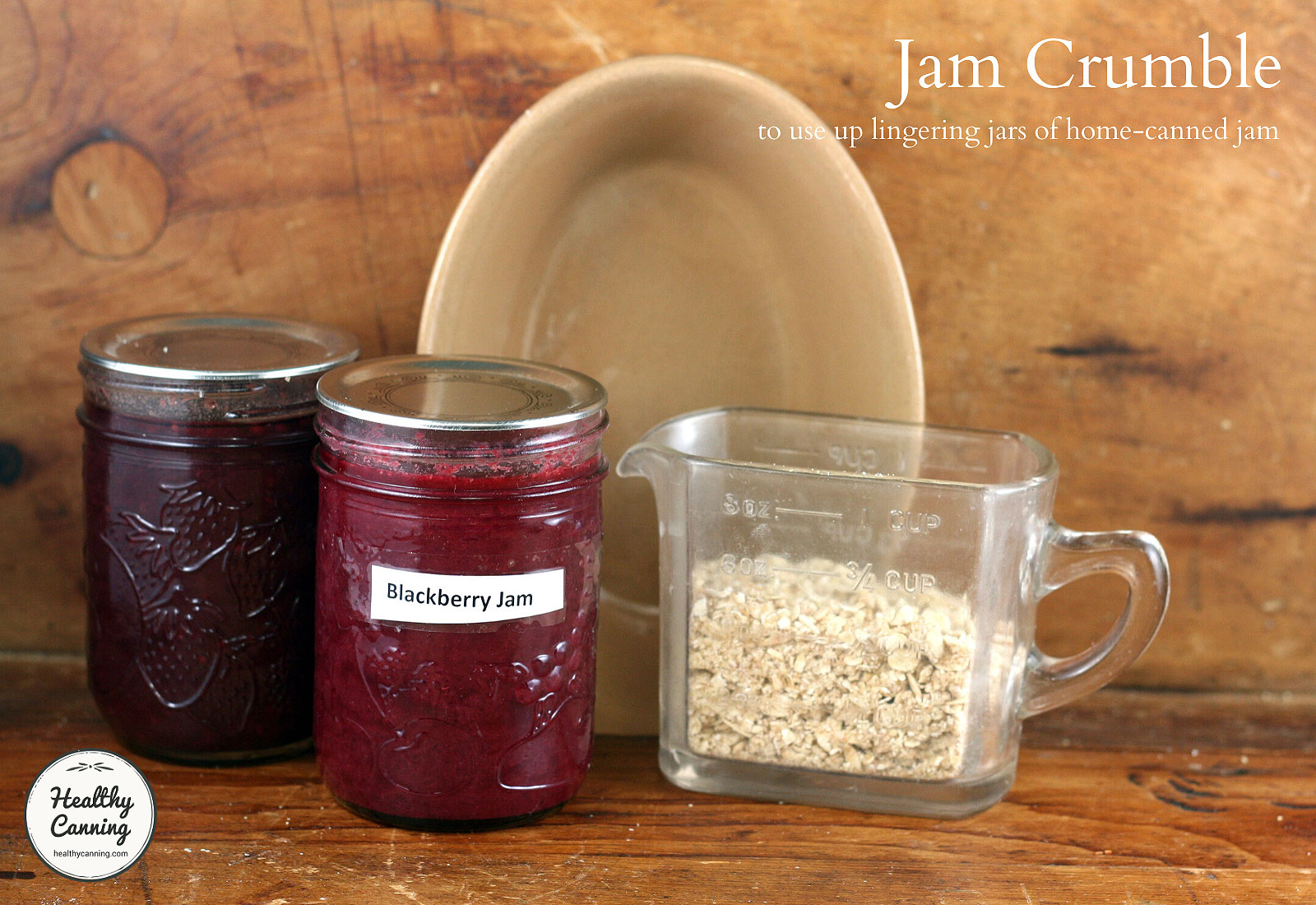
When compared to the retail price of a high-quality, store-bought fruit tart or crumble (which can range from $12.00 to $20.00 in urban markets), the home-produced version provides a comparable luxury experience at a fraction of the cost. This economic efficiency is particularly relevant during periods of high food inflation, where consumers are looking to extract maximum value from their existing pantry stocks.
Broader Impact and Implications for Sustainable Living
The Jam Crumble protocol sits at the intersection of traditional domestic arts and modern sustainability. As urban populations increasingly embrace "homesteading" skills, the ability to manage a pantry effectively becomes a mark of culinary literacy. The transition from seeing a dusty jar of jam as a "burden" to seeing it as the foundation of a "near-instant" gourmet dessert represents a shift in consumer psychology.
Moreover, the suggestion to "triple or quadruple" the crumble topping for freezer storage indicates a move toward "modular meal prep." By maintaining a reservoir of pre-rubbed crumble mix in the freezer, a household can reduce the "activation energy" required to cook at home, further decreasing the likelihood of relying on ultra-processed, commercially available desserts that carry a higher carbon footprint due to packaging and transport.
In conclusion, the Jam Crumble serves as a vital tool in the repertoire of the efficient home manager. It addresses the physical reality of surplus inventory, provides a solution for aesthetic degradation in preserves, and offers a customizable, cost-effective dessert option that supports a zero-waste lifestyle. As we continue to navigate an era of fluctuating food costs and environmental consciousness, such practical, fact-based culinary strategies will remain essential components of the resilient household.