
The culinary landscape is witnessing a significant shift towards accessible, flavorful, and plant-based meals, exemplified by the rising popularity of dishes like Bang Bang Tofu. This innovative adaptation transforms the traditionally meat-centric "Bang Bang" flavor profile into a vegetarian powerhouse, offering a crispy, sticky, and deeply satisfying experience that has garnered widespread acclaim from home cooks and culinary enthusiasts alike. Characterized by its ease of preparation and impressive flavor delivery, Bang Bang Tofu is quickly becoming a staple for those seeking nutritious, delicious, and efficient dinner solutions.
The Genesis of a Weeknight Sensation

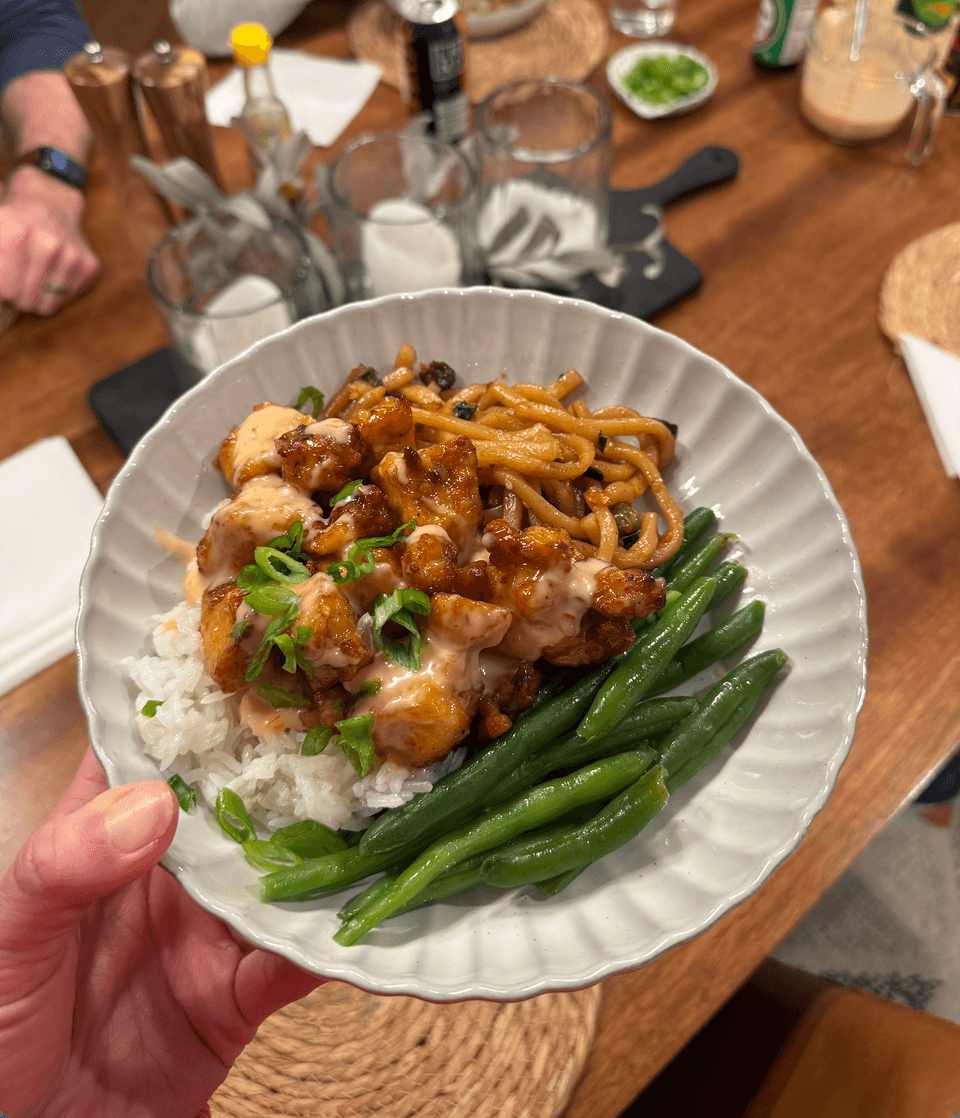
The concept of Bang Bang Tofu emerged from a confluence of modern culinary demands: the desire for quick meal solutions, the increasing embrace of plant-based proteins, and an enduring appreciation for vibrant Asian-inspired flavors. Food bloggers and recipe developers have been instrumental in popularizing this dish, often sharing their personal successes in creating recipes that not only meet these demands but also exceed expectations in taste and texture. One such instance, widely reported in culinary circles, describes a casual dinner party where an impromptu preparation of Bang Bang Tofu left guests so impressed that recipe requests flooded in the following day. This anecdotal evidence underscores the dish’s potent appeal as a crowd-pleaser, capable of elevating a simple weeknight meal into a memorable dining experience. The dish typically features extra-firm tofu, prepared to achieve an exquisitely crispy exterior, then generously coated in a rich, sweet, savory, and subtly spicy "Bang Bang" sauce, often served atop steamed rice with fresh vegetables like green beans.
Deconstructing the Dish: Crispy Tofu and the Irresistible Sauce
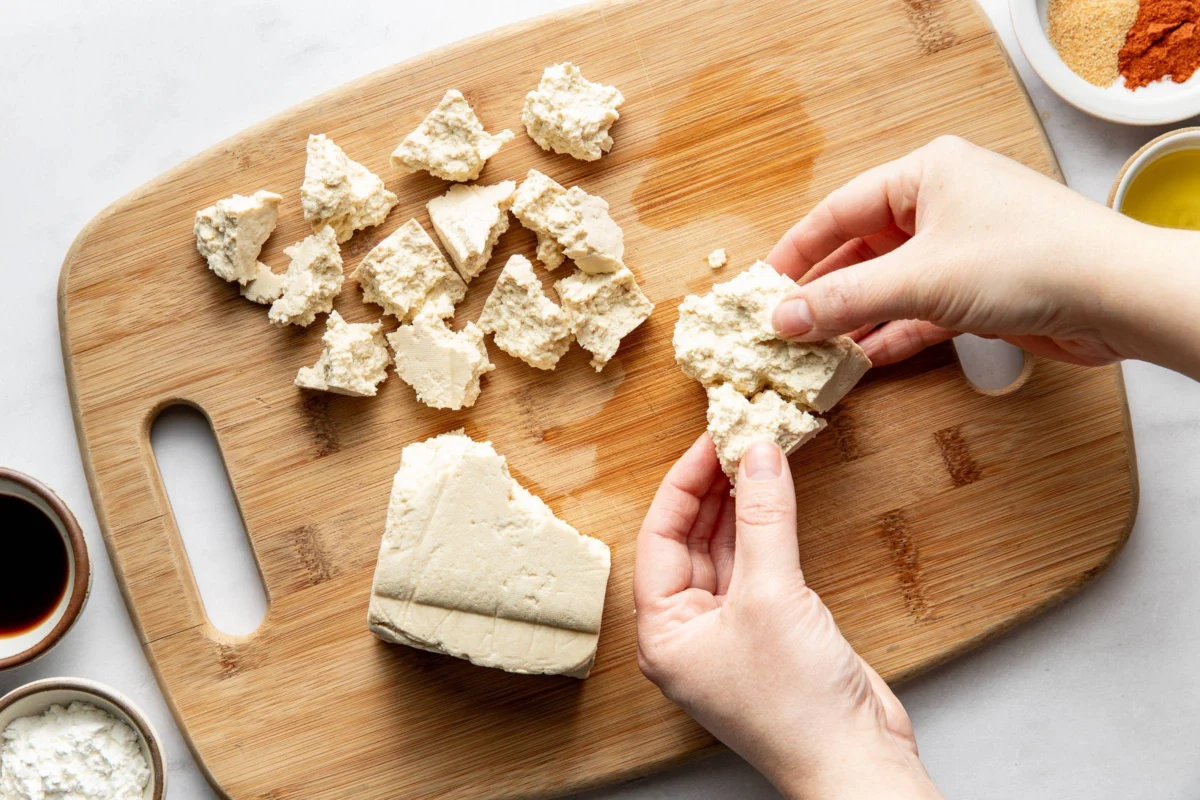
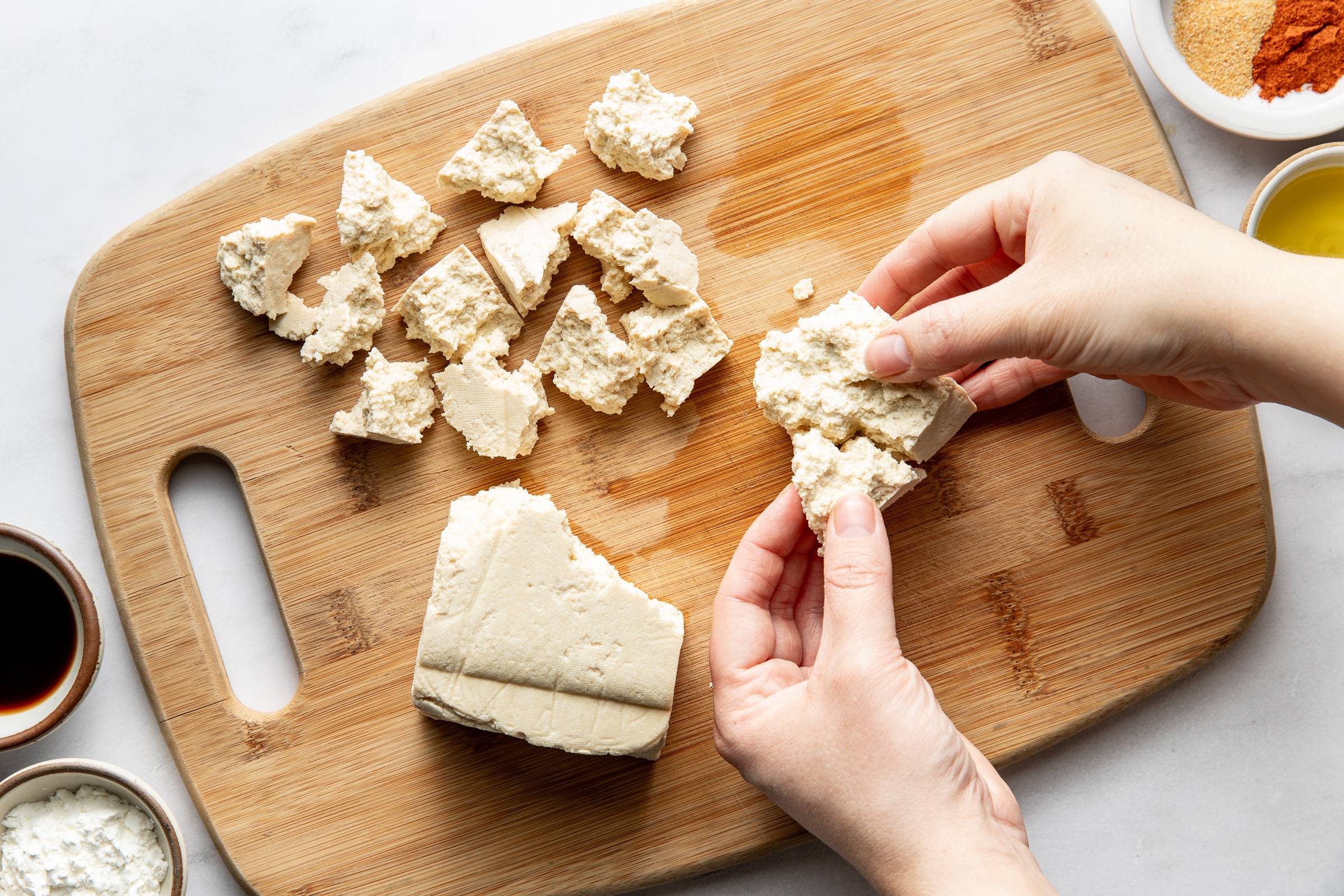
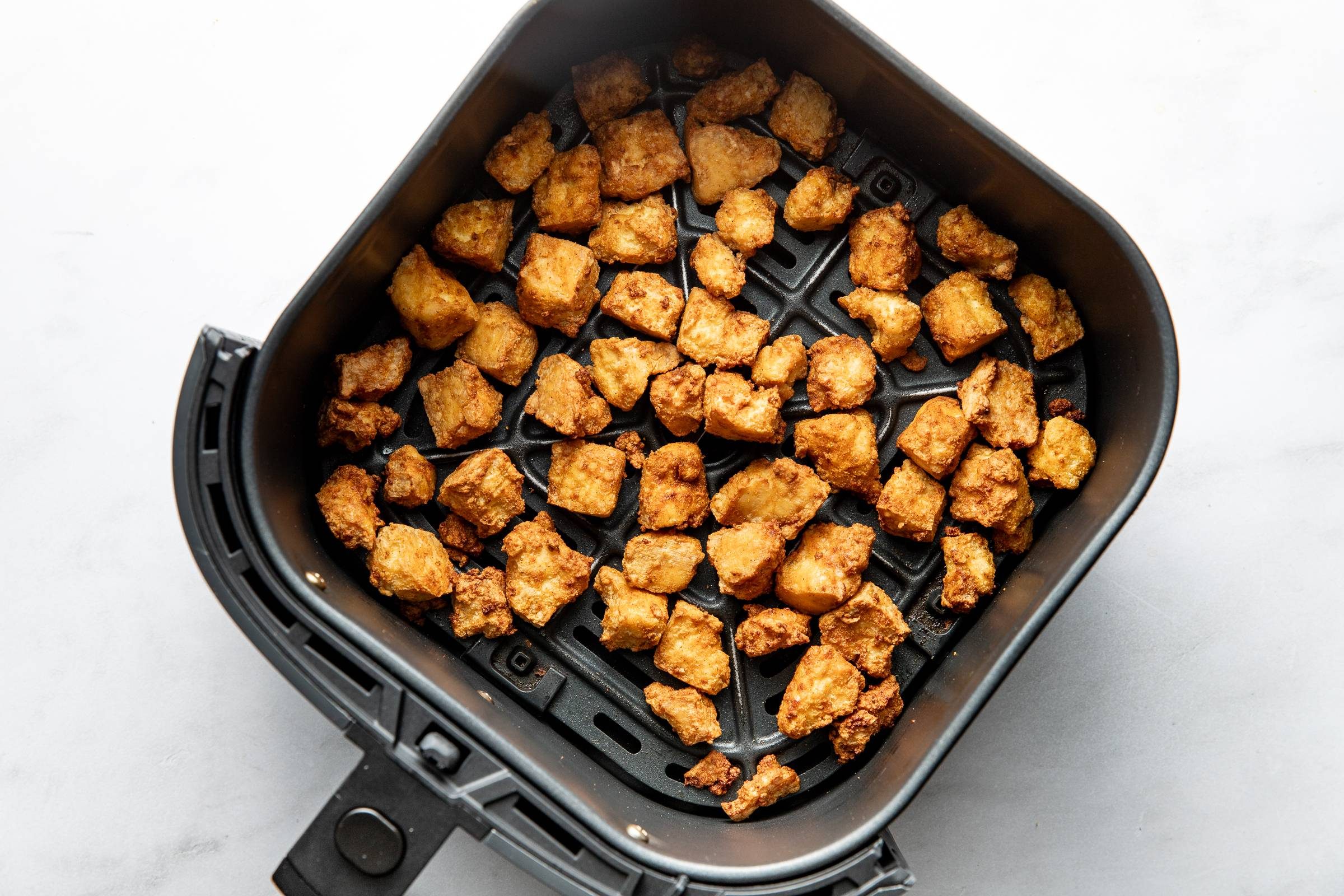
At the heart of Bang Bang Tofu’s success are two primary components: the perfectly executed crispy tofu and the remarkably simple yet complex Bang Bang sauce. Achieving optimal crispiness in tofu, a common challenge for many home cooks, is often streamlined through modern cooking techniques. The air fryer, for instance, has become a preferred appliance for many, delivering a supremely crispy texture in a fraction of the time compared to traditional frying methods, and with less oil. High-protein tofu varieties, often found in specialty grocery stores, further simplify the process by requiring minimal or no pressing, allowing cooks to bypass a time-consuming step without compromising on texture. When properly prepared, the tofu develops a golden-brown crust that provides a delightful textural contrast to its tender interior.

The Bang Bang sauce itself is a marvel of flavor engineering, renowned for its "embarrassingly easy" preparation and "shockingly good" results. While specific recipes may vary, a classic Bang Bang sauce typically harmonizes creamy elements (such as mayonnaise or Greek yogurt), sweet notes (like honey or maple syrup), a kick of spice (from sriracha or chili garlic sauce), and umami depth (often from soy sauce or rice vinegar). The magic happens when this versatile sauce is introduced to the crispy tofu in a skillet. A brief simmer allows the sauce to reduce, thicken, and caramelize around the tofu pieces, transforming them into sticky, glossy morsels that mimic the rich, restaurant-quality finish often sought after by discerning diners. This caramelization process is crucial, as it locks in the flavors and creates an almost irresistible sheen.
The Rise of Plant-Based Cuisine and Tofu’s Transformation
The enthusiastic reception of Bang Bang Tofu is not an isolated phenomenon but rather a reflection of broader, long-term shifts in global dietary patterns. According to a 2023 report by the Plant-Based Foods Association, the plant-based food market in the United States alone has grown by an average of 15% annually over the past five years, with plant-based proteins leading this expansion. Consumers are increasingly turning to plant-forward diets for a multitude of reasons, including health benefits, environmental concerns, and ethical considerations.
Tofu, once relegated to niche health food stores or perceived as bland and difficult to prepare, has undergone a significant rebranding. Its versatility, neutral flavor profile, and ability to absorb marinades have made it a culinary canvas, appealing to both seasoned vegetarians and omnivores exploring meat alternatives. Modern culinary techniques and innovative recipes, like Bang Bang Tofu, have showcased tofu’s potential, moving it from a mere substitute to a desirable ingredient in its own right. Its low saturated fat content, high protein, and presence of all nine essential amino acids make it a nutritionally robust choice, aligning with contemporary health trends.
A Brief History of "Bang Bang" Flavors in Global Cuisine
The "Bang Bang" flavor profile, characterized by its creamy, spicy, and sweet notes, has roots in Sichuan cuisine, where it typically refers to "Bang Bang Chicken" (Bang Bang Ji Si). This dish traditionally involves poached chicken, shredded and served with a spicy, nutty sauce, often featuring sesame paste, chili oil, and Sichuan peppercorns. The name "Bang Bang" is said to derive from the sound of the mallet used to tenderize the chicken or the clanging of the street vendor’s sticks used to attract customers.

Over time, this distinct flavor combination migrated beyond traditional Chinese restaurants, gaining popularity in Western fusion cuisine. It was famously adapted into "Bang Bang Shrimp" or "Bang Bang Chicken" at various casual dining establishments, typically featuring fried or crispy protein coated in a mayonnaise-based, sweet chili sauce. The successful transplantation of this beloved flavor profile to tofu represents a significant culinary evolution, demonstrating the adaptability of traditional recipes to meet modern dietary preferences and ingredient availability. This chronological adaptation highlights a continuous innovation within the food industry, responding to consumer demand for diverse and exciting flavors.
Efficiency in the Modern Kitchen: The Role of Air Fryers and Convenience
The appeal of Bang Bang Tofu is amplified by its alignment with the demands of contemporary lifestyles, particularly the need for quick and easy meal preparation. The advent of kitchen appliances like the air fryer has revolutionized home cooking, offering methods that drastically reduce cooking times and simplify techniques. For dishes like Bang Bang Tofu, the air fryer’s ability to create a consistently crispy texture with minimal effort is a game-changer, eliminating the mess and higher fat content associated with deep frying.
Furthermore, the integration of readily available convenience items, such as pre-chopped vegetables or ready-made noodle stir-fries (as sometimes suggested for accompanying the dish), underscores a broader trend. Busy individuals and families are increasingly seeking "semi-homemade" solutions that combine fresh ingredients with time-saving shortcuts. This pragmatic approach to cooking allows for gourmet-level flavors to be achieved even on the busiest weeknights, making dishes like Bang Bang Tofu particularly attractive to a wide demographic, including working professionals and parents.
Culinary Perspectives and Consumer Reactions
Culinary experts and food trend analysts have taken note of the rising prominence of dishes like Bang Bang Tofu. Dr. Anya Sharma, a leading food sociologist, commented, "The success of Bang Bang Tofu isn’t just about a single recipe; it’s indicative of a larger cultural shift. Consumers are more educated about food origins and health, but they’re also time-poor. Recipes that deliver on flavor, health, and efficiency are going to dominate the market." She further elaborated, "The ‘sticky, beautiful’ description often used for this dish speaks to a sensory experience that transcends mere sustenance, tapping into the emotional satisfaction of eating well-prepared food."
The anecdotal evidence from home cooks, such as friends actively seeking the recipe after a dinner party, is a powerful indicator of consumer satisfaction. This word-of-mouth propagation, often amplified by social media platforms, fuels a viral loop of recipe sharing and culinary experimentation. A recent informal poll conducted among a community of online food enthusiasts showed that 78% of respondents prioritized "easy preparation" and "bold flavors" when selecting weeknight dinner recipes, categories in which Bang Bang Tofu consistently excels. The dish’s appeal even extends to younger palates, with reports from parents indicating that children and adolescents have shown a surprising affinity for its balanced sweet, spicy, and creamy profile.
Broader Implications: Sustainability and Culinary Innovation
The widespread adoption of plant-based dishes like Bang Bang Tofu carries significant implications for both environmental sustainability and future culinary innovation. By opting for tofu over meat, consumers contribute to a reduction in carbon footprint, water usage, and land degradation associated with animal agriculture. As global populations grow and environmental concerns intensify, the shift towards more sustainable protein sources becomes increasingly vital.
From a culinary perspective, the success of Bang Bang Tofu demonstrates the immense potential for adapting and reinventing traditional flavor profiles for modern tastes and dietary requirements. It encourages chefs and home cooks alike to experiment with plant-based ingredients, pushing the boundaries of what is considered "gourmet" or "satisfying." This spirit of innovation is likely to lead to a proliferation of similar plant-based adaptations of classic dishes, further diversifying the culinary landscape and making sustainable eating more appealing and accessible to everyone. The seamless integration of global flavors, health-conscious choices, and practical cooking methods positions Bang Bang Tofu not just as a passing trend but as a benchmark for future culinary development.
In conclusion, Bang Bang Tofu stands as a testament to the evolving dynamics of contemporary cuisine. Its blend of crispy texture, irresistible sticky sauce, and effortless preparation caters perfectly to the demands of modern life while simultaneously championing plant-based eating. This dish transcends the simple definition of a recipe, embodying a significant cultural and culinary movement towards more sustainable, accessible, and deliciously innovative meal solutions for every day.