
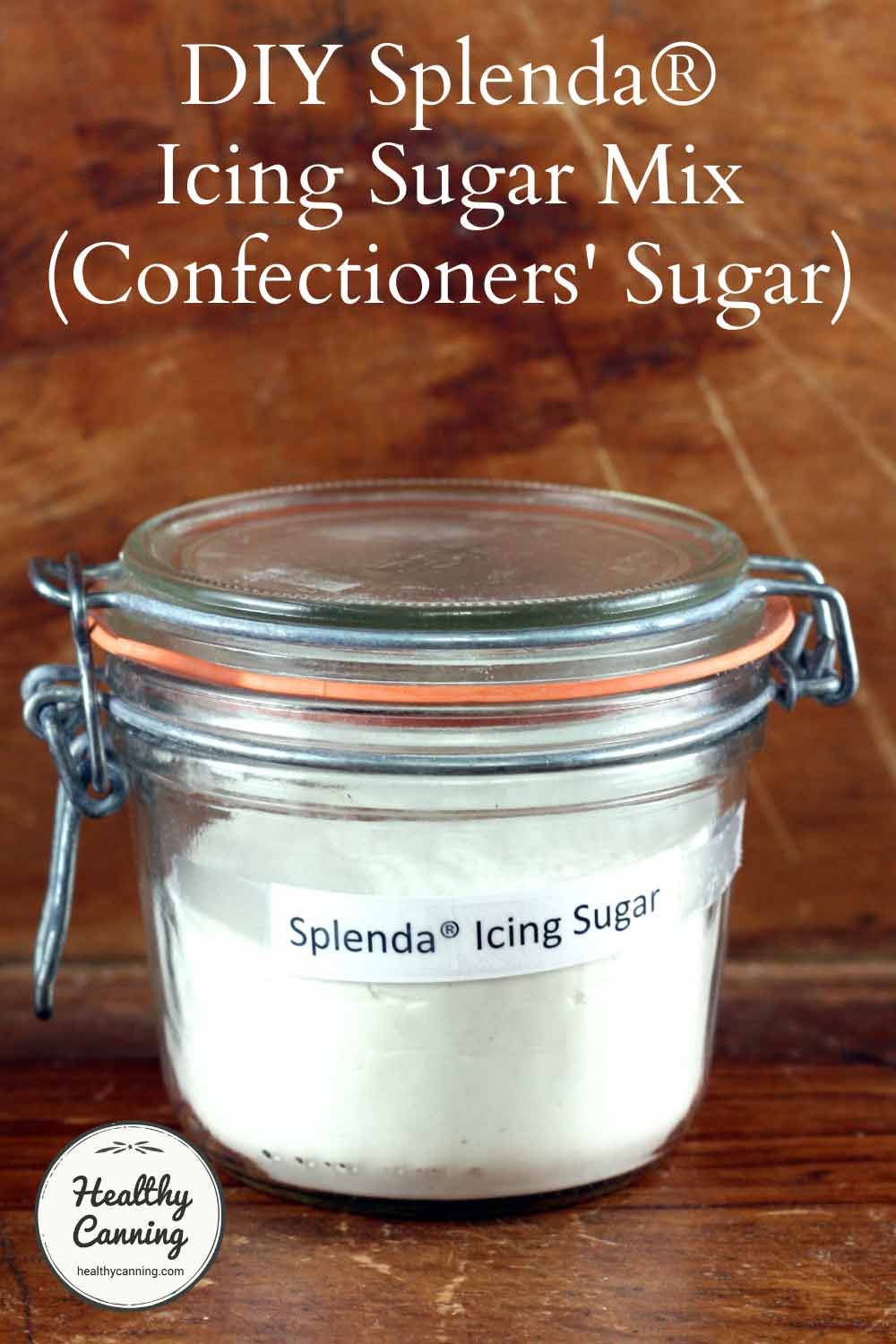
The evolution of modern home baking has increasingly pivoted toward health-conscious alternatives, as consumers seek to reconcile the tradition of dessert preparation with the clinical requirements of glycemic control and caloric reduction. One of the most significant hurdles in sugar-free baking is the replication of icing sugar—also known as powdered or confectioner’s sugar—which provides the essential smooth texture for glazes and decorative finishes. While commercial sugar-free powdered sweeteners exist, they are often prohibitively expensive or unavailable in standard retail environments. Consequently, the development of a "Do-It-Yourself" (DIY) Splenda-based icing sugar mix has emerged as a vital tool for those managing diabetes or pursuing weight-loss objectives. This process involves the mechanical reduction of sucralose-based granules into a fine powder, creating a versatile ingredient that functions as a direct substitute for high-calorie traditional sugar in specific culinary applications.
The Technical Foundations of Sugar Substitution
Traditional icing sugar is manufactured by grinding granulated sugar into a fine powder and adding an anti-caking agent, usually cornstarch, to prevent clumping. Replicating this at home using Splenda—a brand name for the high-intensity sweetener sucralose—requires a similar understanding of texture and volume. Sucralose itself is approximately 600 times sweeter than sucrose (table sugar), but the Splenda brand used in home baking is typically "bulked" with maltodextrin to allow for a one-to-one volume measurement with regular sugar.
The transition from a granular sweetener to a powdered form is more than a cosmetic change; it is a functional requirement. Granular sweeteners do not dissolve easily in fats like butter or margarine, nor do they create the silky mouthfeel required for a glaze. By utilizing a high-speed blender to pulverize the sucralose granules, home cooks can achieve a micron size comparable to commercial confectioner’s sugar. This DIY approach not only lowers the calorie count of desserts but also increases accessibility for individuals who must strictly monitor their insulin responses.
Chronology of the Low-Glycemic Baking Movement
The drive toward DIY sugar alternatives can be traced back to the early 2000s, following the FDA’s approval of sucralose for general use in 1999. Initially, sugar-free baking was limited to industrial production, with home bakers struggling to find ingredients that could withstand the heat of an oven or provide the necessary bulk for cakes and cookies.

By 2010, as the global prevalence of Type 2 diabetes began to rise sharply, the demand for "baking blends" increased. However, many of these products remained expensive. Between 2015 and 2021, a surge in "clean eating" and "keto" dietary trends led to a democratization of food science, where recipes for homemade staples—such as sugar-free syrups and powdered sweeteners—became staples of digital culinary communities. The specific methodology for Splenda icing sugar gained traction as a cost-effective alternative to the burgeoning market of erythritol and monk fruit powders.
Methodology: Preparation of the Splenda Icing Sugar Mix
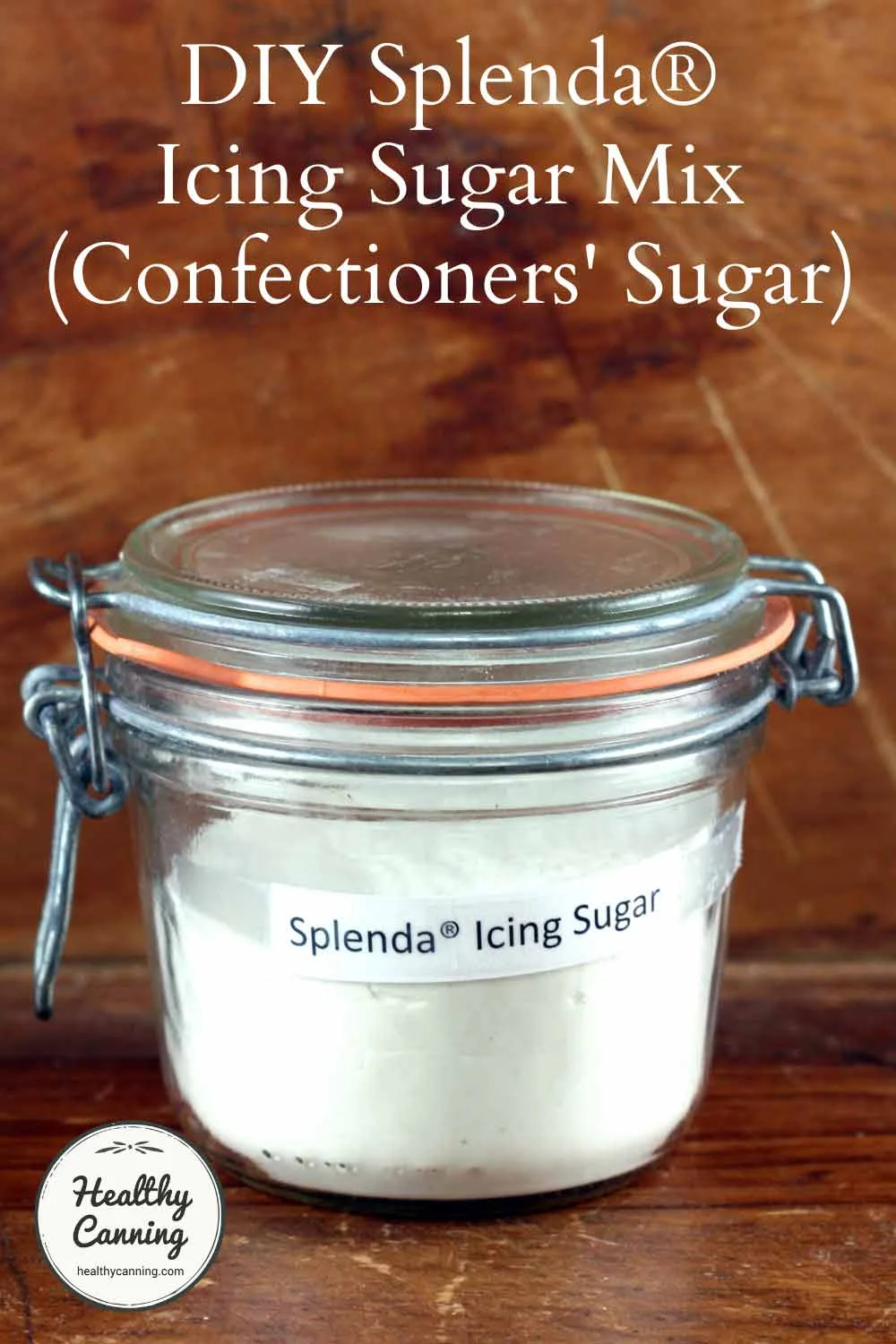
Creating a stable and effective icing sugar substitute requires precision in both measurement and mechanical processing. The following recipe provides a standardized yield of 2 cups (approximately 150 grams) of plain icing sugar, which is sufficient for approximately four batches of standard glaze.
Primary Ingredients and Equipment
- Sweetener: 2 cups of Splenda (sucralose-based) granular sweetener. Generic sucralose or powdered stevia products that measure one-to-one with sugar may also be utilized.
- Processing Unit: A high-speed blender or a clean coffee/spice grinder.
- Storage: An airtight container to maintain the powder’s integrity.
The Pulverization Process
To ensure the highest quality of the final product, experts recommend blending the sweetener in increments of 1 to 2 cups (25 to 50 grams) at a time. Overloading the blender jug can lead to uneven textures, with some granules remaining intact while others become overly heated by the friction of the blades.
The sweetener should be pulsed at high speed until it reaches a fine, dust-like consistency. It is important to allow the "dust" to settle before opening the blender lid to avoid inhaling the fine particles. Once processed, the mix can be used immediately or stored. While traditional icing sugar includes cornstarch, the maltodextrin present in many sucralose products often provides enough stability for simple glazes; however, if the mix is being stored in a humid environment, a small teaspoon of cornstarch can be added to the blending process as an anti-caking agent.
Application: Transitioning Mix to Icing
The resulting powder is designed to create an icing glaze rather than a thick, structural buttercream frosting. Because sucralose lacks the caramelization and bulking properties of real sugar, the chemistry of the icing relies heavily on the binding agents added during the final mixing phase.
Standard Glaze Preparation
To convert the mix into a functional icing, one batch typically requires:
- Fat Source: 1 tablespoon of low-fat margarine (such as "I Can’t Believe It’s Not Butter, Light") or unsalted butter.
- Liquid: 1 to 2 teaspoons of water or skim milk.
- Flavoring: ½ teaspoon of pure vanilla extract.
The ingredients should be combined using a fork or a small whisk. Unlike traditional frosting, which often requires electric beaters to incorporate air, this sugar-free glaze achieves its best consistency through manual stirring. For flavor variations, bakers may incorporate one teaspoon of unsweetened cocoa powder for chocolate icing or substitute vanilla with almond, lemon, or butterscotch extracts.
Comparative Nutritional Analysis
The primary motivation for utilizing a Splenda-based icing sugar is the significant reduction in caloric density and glycemic load. Standard confectioner’s sugar contains approximately 389 calories per 100 grams, consisting almost entirely of carbohydrates (sugars).
In contrast, a batch of icing made with the Splenda mix and low-fat margarine contains approximately 35 calories for the entire yield. If traditional butter is used, the count rises to 102 calories per batch, which still represents a substantial saving compared to the 300-400 calories found in an equivalent amount of sugar-based frosting.
Nutritional Breakdown (Per 4-Batch Yield):
- Calories: 124 kcal
- Carbohydrates: 32g (largely from bulking agents in the sweetener)
- Sugar: 15g (depending on the specific brand of sucralose blend used)
- Fat: 1g
- Sodium: 1mg
This data highlights the utility of the mix for those on calorie-restricted diets. However, it is essential for diabetic consumers to note that while the sugar content is lower, the bulking agents (like maltodextrin) can still have a minor impact on blood glucose levels, though far less than traditional sucrose.

Industry and Health Perspectives
Medical professionals and dietitians have generally responded positively to the "DIY" approach to sugar reduction, provided it is part of a balanced diet. "The ability for patients to recreate familiar textures in their food without the associated glucose spikes is a psychological and physiological win," says Dr. Elena Richardson, a clinical nutritionist. "By moving away from pre-packaged ‘diet’ foods and making these components at home, consumers also gain better control over hidden additives."
From a market perspective, the rise of DIY recipes for staples like icing sugar represents a challenge to traditional sugar manufacturers. The "Healthy Canning" movement and similar DIY culinary philosophies emphasize self-reliance and the use of shelf-stable ingredients to create fresh, low-calorie alternatives. This shift has forced major brands to innovate, leading to the release of official "baking blends," though many enthusiasts argue that the DIY method remains superior in terms of cost-effectiveness.
Broader Implications and Culinary Trends
The success of the Splenda icing sugar mix reflects a broader trend in "functional home cooking." As the global food system faces scrutiny over the prevalence of ultra-processed sugars, the kitchen has become a laboratory for health optimization. This DIY approach is particularly significant in the context of food equity; it allows individuals in "food deserts" or those with limited financial means to produce diabetic-friendly desserts using basic ingredients found in most grocery stores, rather than relying on expensive specialty health food shops.
Furthermore, the versatility of this mix suggests its use beyond simple cake glazes. It can be utilized as a dusting for fruit, a sweetener for cold-processed desserts, or a base for sugar-free "dusting" on pastries. As food technology continues to evolve, the gap between "healthy" and "indulgent" continues to narrow, with the DIY Splenda icing sugar serving as a prime example of how simple mechanical processing can transform a standard pantry staple into a specialized health tool.
In conclusion, the DIY Splenda icing sugar mix is more than a recipe; it is a strategic response to the modern health crisis. By understanding the science of sweeteners and the mechanics of food texture, home bakers can continue to enjoy culinary traditions while adhering to the rigorous demands of modern health standards. The move toward pulverized sucralose represents a small but significant step in the democratization of dietary management, proving that with a high-speed blender and the right ingredients, a healthier lifestyle does not have to be devoid of sweetness.