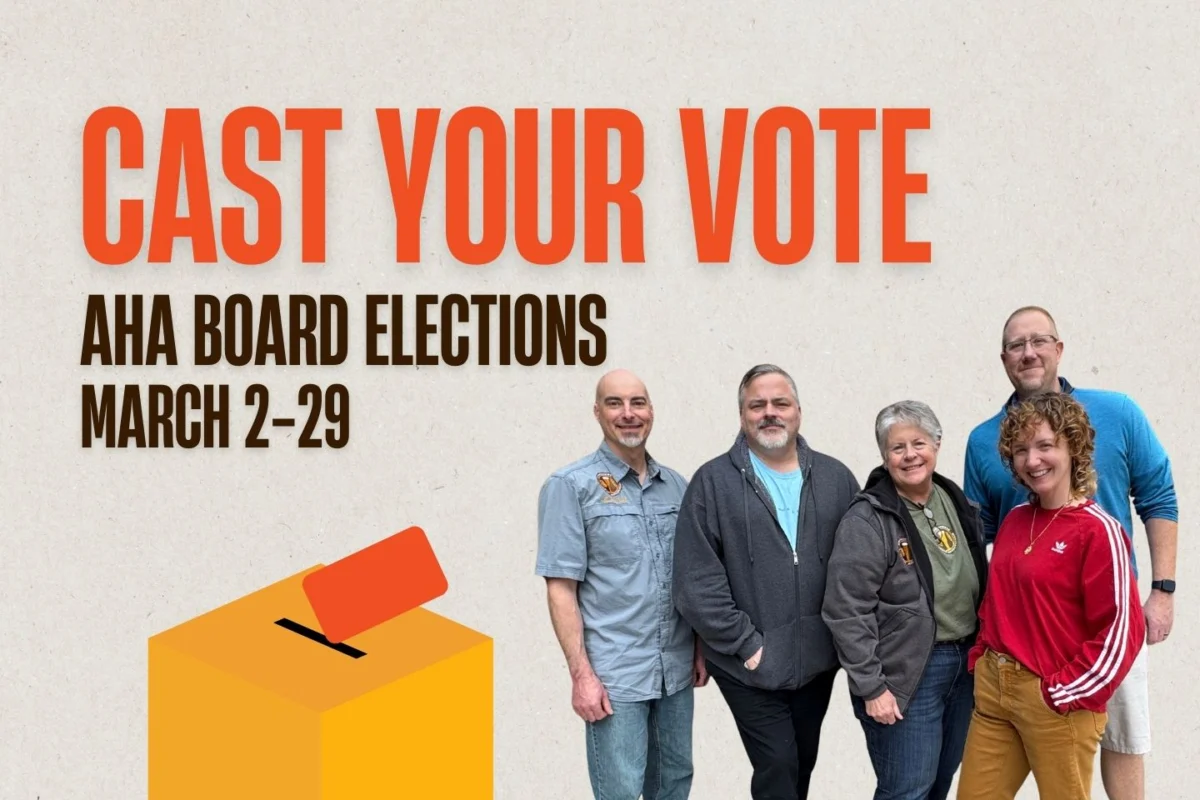

The American Homebrewers Association (AHA) has officially concluded its 2026 Board of Directors election, a process that represents a significant milestone in the organization’s multi-year strategy to establish a fully independent governance structure. Between March 2 and March 29, 2026, active members of the association cast their ballots to select the leaders who will navigate the hobby’s most prominent advocacy group through a period of structural evolution and market shifts. With results slated for announcement on April 7, 2026, the election serves as a foundational step in the AHA’s transition away from its historical administrative ties toward a more autonomous operational model.
This election cycle saw a robust level of engagement from the homebrewing community, with the AHA receiving 28 applications following an open call for nominations. From this pool, the sitting Board of Directors selected a slate of ten candidates to appear on the final ballot. This rigorous vetting process was designed to ensure that the final nominees possessed the diverse professional skill sets—ranging from financial management and non-profit governance to community grassroots organizing—necessary to lead the association during its first full year of independent operation.
Historical Context and the Shift Toward Independence
To understand the weight of the 2026 election, one must look at the historical trajectory of the American Homebrewers Association. Founded in 1978 by Charlie Papazian, the AHA was instrumental in the legalization of homebrewing in the United States and served as the precursor to the Brewers Association (BA), the trade group representing small and independent craft brewers. For decades, the AHA functioned as a division of the Brewers Association, benefiting from shared resources and administrative oversight.
However, in 2024 and 2025, a strategic decision was reached to transition the AHA into an independent entity. This move was prompted by a desire to give the homebrewing community more direct control over its advocacy efforts and financial priorities. The 2026 election is the first major democratic exercise under this new paradigm. As part of this transition, the board’s structure has been redesigned to support organizational continuity. While the board is expanding from five to seven directors, only four seats were open for election this year. The remaining three seats are held by founding directors who will continue their terms to ensure that institutional knowledge is preserved as the new members are integrated.
Analyzing the Board Composition and Staggered Terms
The decision to utilize staggered terms is a standard best practice in non-profit governance, particularly for organizations undergoing significant structural changes. By ensuring that the entire board does not rotate out at once, the AHA protects itself against "organizational amnesia," where new leadership might lose track of ongoing legal battles or long-term financial commitments.
In this election, the four open seats will be filled by candidates who will serve alongside the three continuing directors. This seven-member body will be responsible for the high-level oversight of the AHA’s staff, its flagship publication Zymurgy magazine, and major events such as the National Homebrew Competition and Homebrew Con. The board’s role is not merely advisory; they are the legal fiduciaries of the organization, tasked with ensuring that the AHA remains solvent and relevant in an era where hobbyist demographics are shifting.
The 2026 Election Timeline and Process
The 2026 election cycle followed a strict chronological framework designed to maximize transparency and member participation. The process began in late 2025 with an open call for nominations, encouraging members from all backgrounds—regardless of their professional standing in the brewing industry—to apply.
- January 2026: Review and vetting of the 28 initial applicants by the sitting Board of Directors.
- February 2026: Announcement of the final slate of ten candidates and the publication of their platforms and qualifications.
- March 2, 2026: Official opening of the digital ballot to all active AHA members.
- March 29, 2026: Closing of the polls at 11:59 p.m. MT.
- March 30 – April 6, 2026: Certification of results and notification of the winning candidates.
- April 7, 2026: Public announcement of the new Board of Directors.
Throughout the voting period, the AHA emphasized that the election was restricted to active members. This "members-only" approach reinforces the association’s identity as a constituent-led organization, where those who contribute dues have a direct say in the selection of their representatives.
Strategic Priorities for the Incoming Board
The four directors elected in 2026 will inherit a set of challenges and opportunities that will define the future of homebrewing for the next decade. The AHA has identified several "Top Priorities" that the incoming board must address immediately upon taking office.
Financial Sustainability and Revenue Diversification
As an independent entity, the AHA must now stand on its own financial feet. Historically, membership dues and event revenue have been the primary drivers of income. However, the rising costs of print media and large-scale event production require the board to look at new revenue streams. This may include digital education platforms, expanded corporate partnerships, and philanthropic grants aimed at preserving the "culinary art" of fermentation.
Membership Growth and Value Proposition
The landscape of homebrewing has changed significantly since the craft beer boom of the 2010s. With high-quality craft beer now readily available in most American cities, the motivation for homebrewing has shifted from "making beer you can’t buy" to "the science and craft of creation." The incoming board is tasked with refining the AHA’s value proposition to attract a younger, more diverse generation of fermenters who may be interested in mead, cider, and kombucha alongside traditional ale and lager.
Legislative Advocacy
The AHA remains the primary voice for homebrewers on Capitol Hill and in state legislatures. While homebrewing is legal in all 50 states, many jurisdictions still have restrictive laws regarding the transportation of homebrew, the ability to share homebrew at organized events, and the shipment of entries for competitions. The board will need to oversee the AHA’s Government Affairs efforts to continue removing these "post-Prohibition" legal hurdles.
Diversity, Equity, and Inclusion (DEI)
The 2026 board slate was curated to reflect a range of perspectives. The AHA has made it a priority to ensure that the hobby is welcoming to individuals of all genders, ethnicities, and socioeconomic backgrounds. The incoming board will be expected to implement programs that lower the barrier to entry for underrepresented groups in the brewing community.
Supporting Data: The State of the Hobby
The 2026 election takes place against a backdrop of evolving industry data. According to recent internal surveys conducted by the AHA and external market research on the DIY sector, the homebrewing hobby has seen a stabilization following a post-pandemic dip. While the total number of "active" homebrewers in the U.S. is estimated to be between 1 million and 1.1 million, the frequency of brewing has shifted.
Data indicates that while fewer people are brewing "entry-level" five-gallon batches, there is a surge in "high-end" hobbyists—those who invest in all-grain electric brewing systems and advanced fermentation control. This segment of the population relies heavily on the technical resources provided by the AHA. Furthermore, the 2026 candidate pool of 28 applicants suggests that despite broader market challenges, the "leadership density" within the community remains high, with many experts willing to volunteer their time to the cause.
Industry Reactions and Implications
The brewing industry at large has watched the AHA’s transition to independence with keen interest. Professional brewers often view homebrewers as their most loyal customers and their best brand ambassadors. A strong, independent AHA is seen as vital for the "health of the ecosystem."
"The AHA is the farm system for the professional craft brewing industry," noted one industry analyst following the close of the 2026 voting period. "Almost every major innovation in American craft beer started in a kitchen or a garage. By ensuring the AHA has a stable, independent board, the community is safeguarding the innovation pipeline of the entire beer industry."
Within the membership, the reaction to the candidate slate has been largely positive. Online forums and local homebrew clubs have praised the board for selecting a slate that includes not just "pro-level" homebrewers, but also individuals with backgrounds in digital marketing and non-profit law. This suggests a recognition that the skills needed to run a modern association are distinct from the skills needed to brew a gold-medal IPA.
Conclusion and Future Outlook
As the American Homebrewers Association prepares to announce the results of the 2026 Board of Directors election on April 7, the focus remains on the long-term stewardship of the hobby. The transition to independence is a complex maneuver, but the structured approach of this election—utilizing a vetted slate and staggered terms—provides a blueprint for stability.
The incoming directors will be stepping into their roles at a time when the definition of "homebrewing" is expanding. Whether through legislative victories, technological education, or community building, the 2026 board will be the architects of a new era for the AHA. For the members who participated in this election, the act of voting was more than just selecting names; it was an investment in the future of a craft that has, for nearly half a century, defined the spirit of American DIY culture. The results will not just name four leaders, but will signal the strategic direction of the association as it enters its second year of total independence.