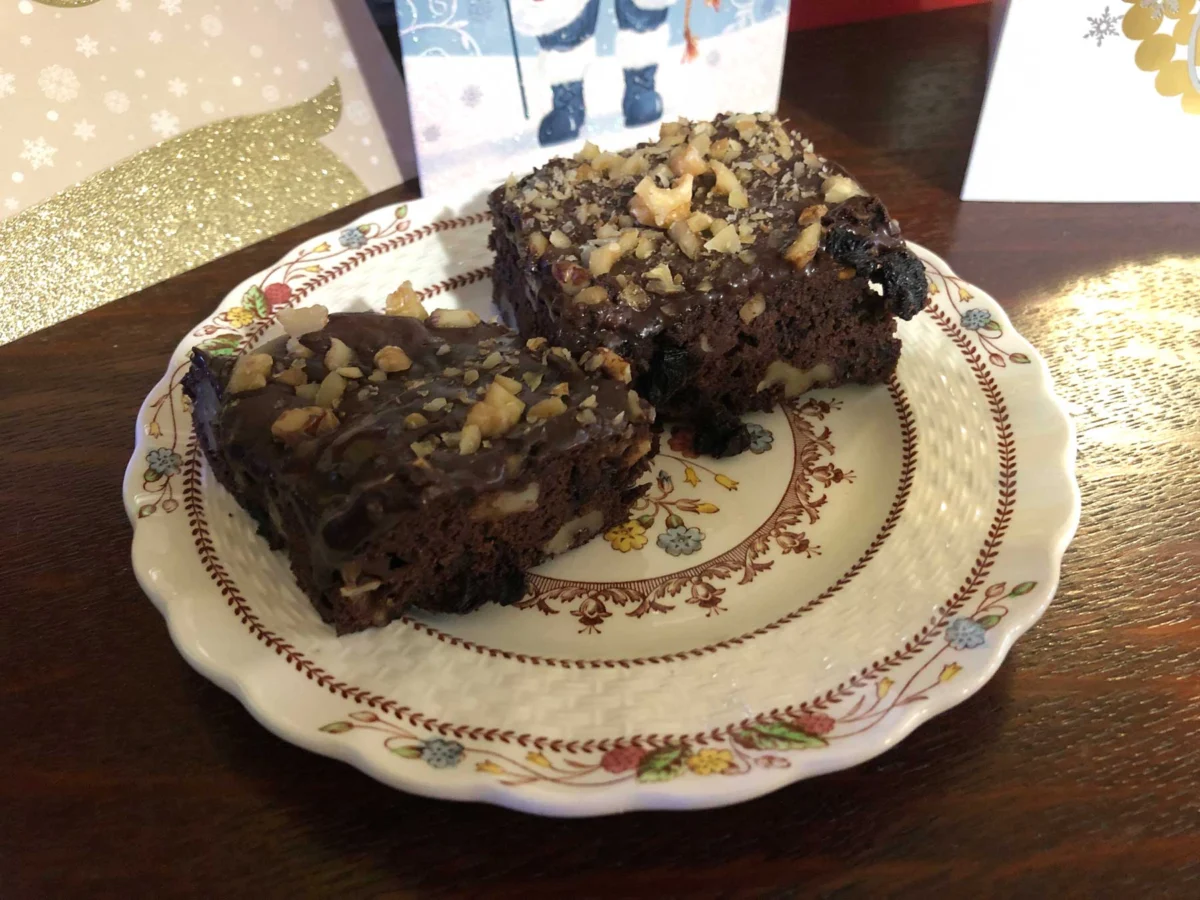

The domestic culinary landscape is currently witnessing a significant shift toward self-sufficiency and health-conscious consumption, as evidenced by the rising popularity of "do-it-yourself" (DIY) dry mixes. Among these, the DIY Brownie Mix has emerged as a premier example of how home cooks can balance convenience with nutritional oversight. This specific formulation, popularized by culinary researchers at Healthy Canning, offers a versatile base for cake-style brownies that can be tailored for sugar-free diets or traditional palates. By transitioning from store-bought commercial packets to a bulk-prepared home mix, consumers are reportedly able to produce high-quality desserts for a fraction of the retail cost, often described as "pennies on the dollar."
The Economic and Nutritional Landscape of Home Baking
In an era of fluctuating grocery prices and heightened awareness regarding processed food additives, the move toward homemade dry mixes is more than a culinary trend; it is a strategic economic choice. Commercial brownie mixes frequently include stabilizers, artificial flavorings, and high-fructose corn syrup to extend shelf life and ensure consistency across mass production. By contrast, the DIY approach allows for total ingredient transparency.

The primary appeal of this DIY Brownie Mix lies in its dual-purpose design. It serves as a pantry staple that provides the "grab-and-go" convenience of a commercial box while allowing for the use of alternative sweeteners like sucralose (Splenda) or stevia. This flexibility is particularly relevant for the growing demographic of diabetic-friendly households and those participating in weight management programs such as Weight Watchers.
Technical Specifications and Yield Analysis
The formulation of this mix is designed for high-volume efficiency. A single batch of the dry mix produces approximately 8 cups, or 1 kilogram, of material. In practical application, this volume is sufficient to produce five full pans of brownies. For the modern household, this means a single afternoon of measuring and mixing can yield enough dessert base for several weeks or months of occasional baking.
When prepared, a standard pan of brownies from this mix weighs approximately 420 grams (15 ounces). When partitioned into the standard nine-square grid, each individual brownie square weighs roughly 50 grams (2 ounces). These measurements provide a consistent baseline for nutritional tracking, a feature often lost in less structured homemade recipes. The texture is explicitly classified as "cake-style," which is achieved through a specific balance of flour to fat, distinguishing it from the denser, "fudgy" varieties that rely on higher concentrations of cocoa butter or oils.

Detailed Nutritional Profile and Dietary Flexibility
The nutritional data for this mix is predicated on the use of sucralose as the primary sweetening agent and low-fat margarine as the binding fat during the baking process. Under these specific conditions, a 50-gram brownie square contains approximately 116 calories and 8 grams of fat. For individuals following the Weight Watchers SmartPoints system, this translates to 2 SmartPoints (Freestyle) per brownie.
The inclusion of optional ingredients, such as walnuts, alters the nutritional matrix. Adding nuts increases the caloric count to 131 per square and the fat content to 10 grams, subsequently raising the Weight Watchers value to 3 SmartPoints.
For those who prefer traditional ingredients, the recipe is easily convertible. The 4 cups of Splenda required for a full batch of mix can be replaced with 4 cups (approximately 900 grams) of granulated white sugar. Furthermore, generic brands of sucralose or powdered stevia products that measure one-to-one with sugar are compatible with this formulation, providing consumers with a wide range of price points and chemical compositions to choose from.
The Chronology of Development and Recipe Origins
The evolution of this DIY mix can be traced back to original formulations provided by the Splenda brand for single-batch chocolate cake brownies. Culinary experts at Healthy Canning adapted these individual recipes into a bulk-format dry mix in mid-2021 to address the needs of "preppers" and bulk-buying enthusiasts.
The timeline of its release coincided with a global increase in home-based food preservation and the "pantry-loading" phenomenon. By scaling the recipe to an 8-cup yield, the developers addressed a gap in the market for sugar-free bulk mixes, which are rarely found in traditional retail environments. This adaptation process involved rigorous testing to ensure that the leavening agents and cocoa ratios remained stable during long-term storage in airtight containers.
Essential Food Safety Standards in the Modern Kitchen
A critical component of the DIY Brownie Mix guide is the emphasis on food safety, particularly regarding the handling of raw flour. Recent public health advisories from the Centers for Disease Control and Prevention (CDC) and the Food and Drug Administration (FDA) have highlighted that raw flour is a raw agricultural product that has not been treated to kill germs such as E. coli or Salmonella.

Journalistic analysis of home baking trends indicates that many consumers are unaware of the risks associated with raw flour. Consequently, this recipe includes a mandatory safety warning: raw flour should be treated with the same caution as raw meat. Bakers are instructed to wash their hands, utensils, and all surfaces thoroughly after preparing the mix or the batter. This focus on "microbiological safety" is a hallmark of professional-grade culinary instructions and distinguishes this guide from informal social media recipes.
Preparation and Customization Procedures
To transform the dry mix into a finished dessert, the process is streamlined to minimize kitchen labor. The user simply measures a portion of the pre-made mix and combines it with wet ingredients—typically eggs, fat (margarine or butter), and vanilla extract.
Customization Options:
- Icing: For an enhanced dessert experience, the brownies can be paired with a DIY Splenda Icing Sugar Mix, maintaining the low-sugar profile of the base.
- Texture Additives: Beyond walnuts, the mix supports the inclusion of sugar-free chocolate chips, dried fruit, or espresso powder to deepen the chocolate flavor profile.
- Fat Substitutions: While low-fat margarine is used for the baseline nutritional data, apple sauce or Greek yogurt can sometimes be substituted by experienced bakers to further reduce fat content, though this may alter the "cake-style" crumb.
Broader Impact and Market Implications
The proliferation of DIY mixes like this brownie formulation has broader implications for the retail food industry and consumer behavior. As more households adopt bulk-mixing habits, the demand for pre-packaged, single-use mixes may see a decline among certain demographics. This shift represents a move toward "slow food" values, even within the context of "convenience" baking.
Sustainability and Waste Reduction
From an environmental perspective, the DIY approach significantly reduces packaging waste. Instead of five individual cardboard boxes and plastic liners, a single batch of this mix can be stored in a reusable glass gallon jar or a BPA-free plastic container. This reduction in the carbon footprint associated with transport and packaging is an increasingly important factor for the modern "green" consumer.
Educational Value
The process of creating a dry mix from scratch serves as a practical educational tool for culinary literacy. It demystifies the composition of processed foods and empowers individuals to take control of their dietary intake. For families, it provides an opportunity to teach children about measurements, chemistry (the reaction of leavening agents), and economic management.
Conclusion and Future Outlook
The DIY Brownie Mix stands as a testament to the viability of home-based food engineering. By combining the economic benefits of bulk purchasing with the health benefits of sugar-free alternatives, it addresses the primary concerns of the contemporary consumer. As the culinary world continues to navigate the balance between time-saving technology and health-conscious living, the dry mix model is expected to expand into other categories, including muffins, pancakes, and savory bread blends.

For the home baker, the message is clear: convenience does not have to come at the expense of health or budget. With a 10-minute investment in prep time, one can secure a pantry staple that delivers consistent, professional-quality results for multiple baking sessions. As long as safety protocols regarding raw ingredients are strictly followed, the DIY Brownie Mix represents a sophisticated and responsible approach to modern dessert preparation.