
The art and science of home food preservation have seen a significant resurgence as consumers prioritize food security, sustainability, and the control of ingredients in their diets. Among the various produce items gaining popularity in the home-canning community is the tomatillo (Physalis philadelphica), a staple of Mexican and Central American cuisines. Unlike the common tomato, the tomatillo possesses unique botanical and chemical properties that require specific handling to ensure both culinary quality and microbiological safety. The United States Department of Agriculture (USDA) has established rigorous procedures for canning whole, plain tomatillos, emphasizing that while the process is straightforward, adherence to safety protocols—specifically regarding acidification—is non-negotiable.
The Botanical Context of the Tomatillo
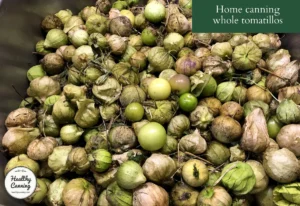
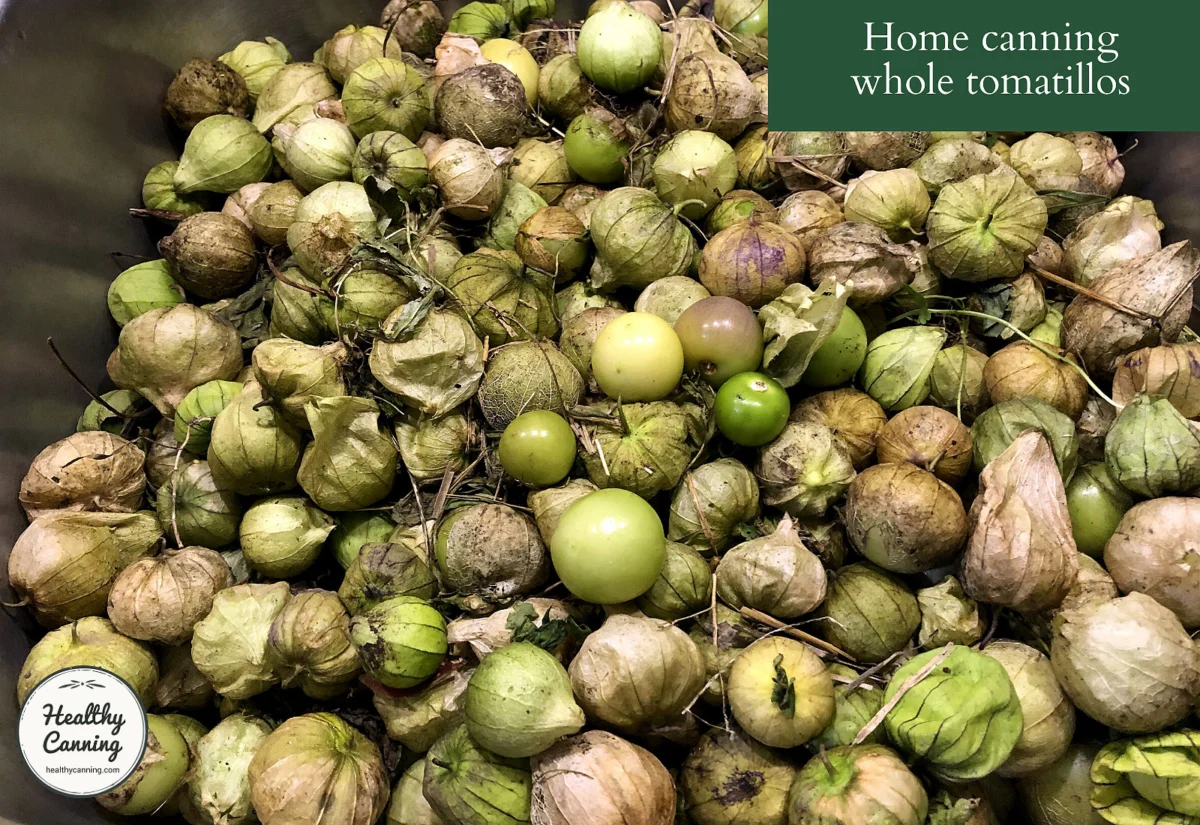
The tomatillo, often referred to as the "husk tomato," is a member of the nightshade family, though it is more closely related to the Cape gooseberry than the traditional garden tomato. Characterized by a papery outer husk (calyx) and a slightly sticky resinous surface, the tomatillo offers a tart, acidic flavor profile that is essential for authentic salsas verdes, enchilada sauces, and stews.
From a preservation standpoint, the tomatillo is naturally acidic. Scientific analysis provided by the USDA’s Center for Food Safety and Applied Nutrition indicates that tomatillos generally possess a pH value of approximately 3.83. For context, the threshold for "high-acid" foods in canning is typically 4.6. Despite this natural acidity, the USDA mandates the addition of supplemental acid during the canning process. This requirement acts as a safety margin to account for variations in ripeness, soil conditions, and the density of the fruit within the jar, ensuring that the environment remains inhospitable to Clostridium botulinum spores.

Quantities and Preparation Standards
When preparing for a canning session, home preservers must account for the significant volume reduction that occurs during husking and simmering. As a general guideline, approximately 1 kilogram of fresh tomatillos is required to yield one 1-liter jar (roughly 2 pounds per US quart jar).
The preparation of tomatillos differs significantly from tomatoes. While tomatoes often require blanching and peeling to remove tough skins, tomatillos are canned with their skins intact. The process begins with the removal of the papery husks, followed by a thorough washing to remove the sticky film on the skin. Following the cleaning, the tomatillos are traditionally simmered in boiling water for approximately two to five minutes to soften the fruit and ensure a hot pack, which improves the vacuum seal and preserves the internal texture.
The Critical Role of Acidification
The most vital step in the USDA procedure is the mandatory acidification of each jar. Even when utilizing pressure canning—a method often associated with low-acid foods—the USDA specifies that acid must be added. This is because the established pressure-canning times for tomatillos were designed to reduce processing time rather than to eliminate the need for an acidic environment.
Preservers have three primary options for acidification per 1-liter (quart) jar:
- Bottled Lemon Juice: Two tablespoons. Bottled juice is required over fresh because it has a standardized pH level.
- Bottled Lime Juice: Two tablespoons. This is often preferred for tomatillos as the flavor profile complements Mexican cuisine.
- Citric Acid: One-half teaspoon. This is the preferred option for those who wish to preserve the tomatillo’s natural flavor without the citrus undertones of juice.
For half-liter (pint) jars, these quantities are halved. If the resulting product is too acidic for the consumer’s palate, the USDA suggests adding a small amount of sugar at the time of serving to balance the flavor.
Chronology of the Canning Process
The transition from raw harvest to shelf-stable product follows a specific sequence designed to maximize safety and quality:
- Selection and Cleaning: Only firm, green tomatillos should be selected. Husks are removed, and the fruit is washed in cool water.
- Pre-cooking: Tomatillos are simmered in a large pot of boiling water for several minutes until softened but not falling apart.
- Jar Preparation: Clean jars are prepared, and the chosen acidifier (lemon juice, lime juice, or citric acid) is added directly to the empty jars.
- Packing: The hot tomatillos are packed into the jars. Optional salt (for seasoning only) may be added at this stage—typically one-half teaspoon per pint or one teaspoon per quart.
- Adding Liquid: The boiling cooking liquid or fresh boiling water is poured over the fruit, leaving exactly 2 cm (1/2 inch) of headspace.
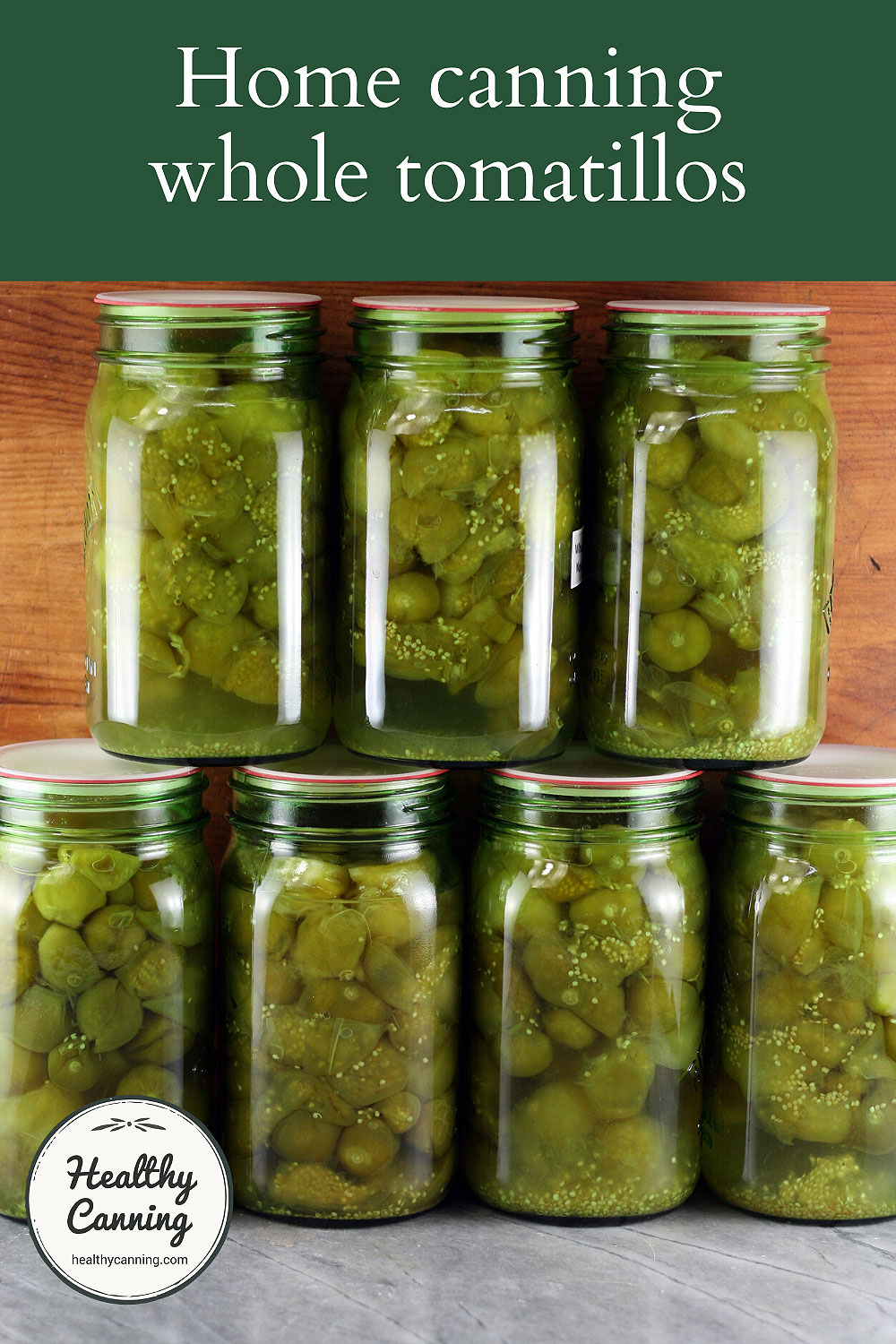
- Processing: The jars are sealed with two-piece lids and processed using one of three approved methods: water bath canning, steam canning, or pressure canning.
Technical Specifications for Processing
The USDA provides multiple avenues for heat processing, allowing home canners to use the equipment they have available.
Water Bath and Steam Canning
Water bath canning remains the most accessible method for most households. For this method, the processing times are:

- Half-litres (Pints): 40 minutes
- Litres (Quarts): 45 minutes
Steam canning is an equivalent alternative, provided the processing time does not exceed 45 minutes. This limitation exists because some steam canner models may run out of water during longer cycles. Both methods require altitude adjustments; as elevation increases, the boiling point of water decreases, necessitating longer processing times to achieve the same level of sterilization.
Pressure Canning
For those seeking to reduce the time the jars spend in the canner, pressure canning is an efficient option. The USDA guidelines for weighted-gauge pressure canners are as follows:
- 5 lbs Pressure: 15 minutes (at 0-1,000 feet altitude)
- 10 lbs Pressure: 10 minutes (at 0-1,000 feet altitude)
- 15 lbs Pressure: 1 minute (at 0-1,000 feet altitude)
It is essential to note that as altitude increases, the required pressure (pounds per square inch) must be increased to maintain the necessary internal temperature.
Culinary Utility and Expert Recommendations
Canned tomatillos are a versatile "speed scratch" ingredient. Because they are cooked during the canning process, they are best suited for applications where a softened texture is desirable. Martha Rose Shulman, a noted food columnist for The New York Times, suggests that an 11-ounce can of tomatillos can effectively substitute for one pound of fresh fruit in most recipes. She notes that because canned tomatillos are already simmered, the initial cooking or broiling steps required in fresh recipes can be bypassed.
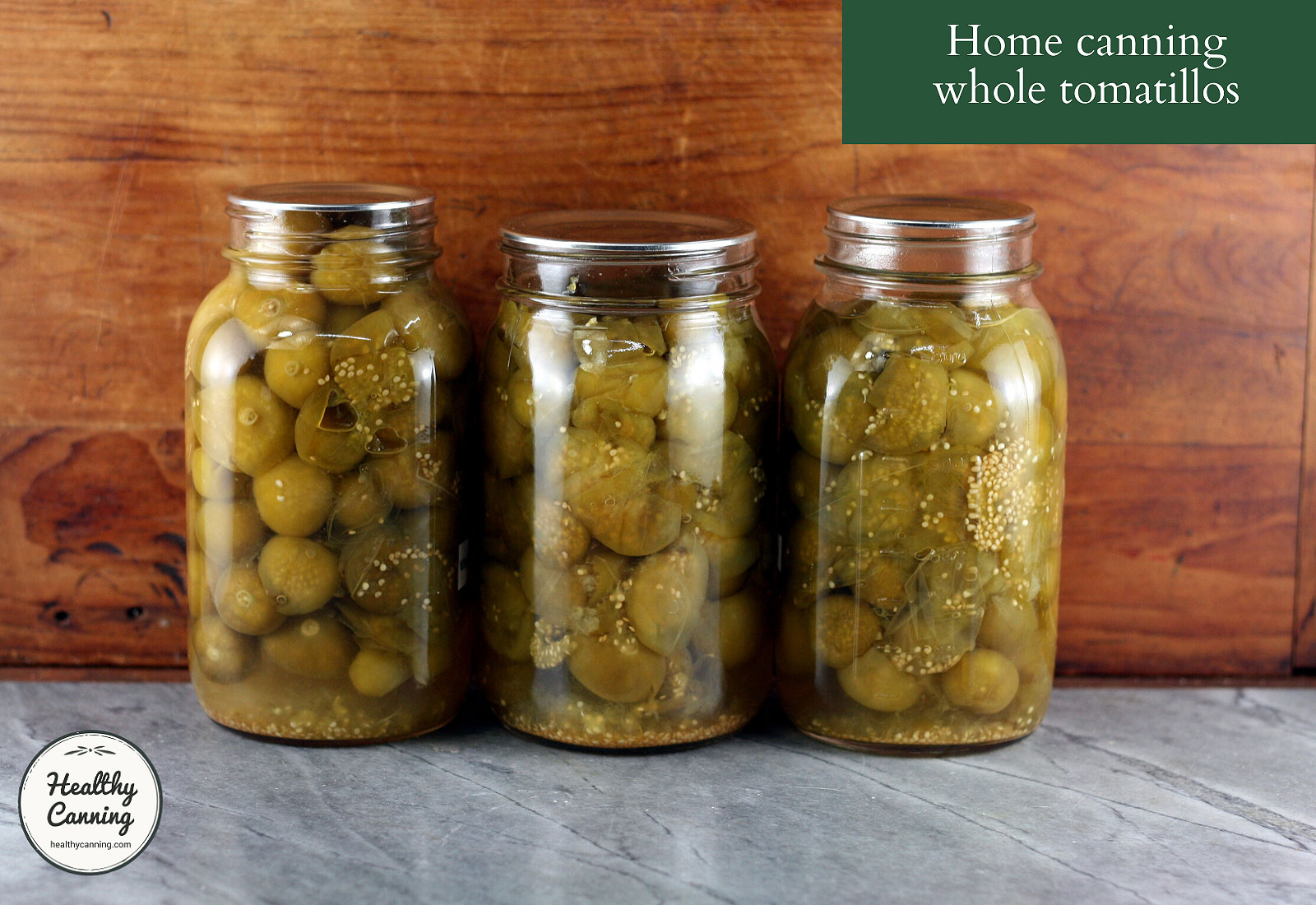
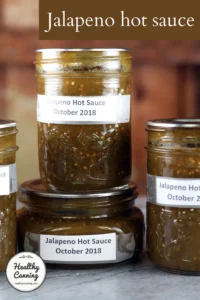
The Joy of Cooking editorial team further highlights the utility of the preserved fruit, noting that plain canned tomatillos serve as an excellent condiment for grilled meats and poultry. They are particularly complementary to grilled fish and shellfish, where their bright acidity cuts through the richness of the proteins. Additionally, home-canned tomatillos are the primary base for shelf-stable hot sauces, such as Jalapeño Hot Sauce, providing a consistent texture and tartness that fresh fruit may lack out of season.
Nutritional Data and Health Implications
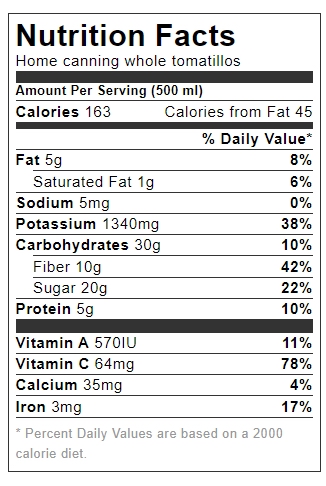
Home-canned tomatillos are a low-calorie, nutrient-dense addition to the pantry. A standard half-liter (pint) serving, canned without added salt, contains approximately 163 calories. The nutritional profile is robust, offering:
- Carbohydrates: 30g
- Dietary Fiber: 10g (contributing to digestive health)
- Protein: 5g
- Vitamin C: 64mg (an essential antioxidant)
- Potassium: 1340mg (critical for heart health and blood pressure regulation)
By canning at home, consumers avoid the high sodium levels often found in commercially canned vegetables. The use of non-bitter salt substitutes or the complete omission of salt allows for a heart-healthy product that retains its culinary integrity.
Broader Impact on Food Systems
The standardization of the tomatillo canning process by the USDA represents a broader effort to provide safe, scientifically-backed methods for preserving diverse food crops. As the global climate affects growing seasons and food prices fluctuate, the ability to process bulk quantities of seasonal produce like tomatillos allows households to reduce food waste and lower grocery expenditures.
Furthermore, the shift toward home preservation fosters a deeper connection to the food supply chain. By following the USDA’s Agriculture Information Bulletin No. 539 (The Complete Guide to Home Canning), enthusiasts ensure that they are not only preserving the harvest but also protecting their families from foodborne illnesses. The tomatillo, with its high yield and significant nutritional value, remains a premier candidate for those looking to expand their home-canning repertoire beyond the traditional pickles and jams.
In conclusion, while the process of canning whole tomatillos requires meticulous attention to acidification and processing times, the reward is a versatile, healthy, and shelf-stable ingredient that brings the vibrant flavors of summer harvest into the kitchen year-round. Adherence to these professional standards ensures that the "husk tomato" remains a safe and delicious staple of the modern pantry.