
The highly anticipated arrival of goop kitchen in New York City on Monday, April 20, marks a definitive turning point for the lifestyle and wellness brand founded by Academy Award-winning actress Gwyneth Paltrow. This strategic expansion represents the brand’s first foray outside of the California market, signaling an aggressive new growth phase for the premium, delivery-first restaurant concept. By entering Manhattan, goop kitchen is not merely opening a new storefront; it is challenging one of the most saturated and sophisticated culinary landscapes in the world with a model built entirely around the intersection of high-end gastronomy and modern delivery logistics.
Operating primarily as a "dark kitchen" or "ghost kitchen" model, the initial New York City outpost will forgo the traditional dining room in favor of a streamlined, tech-enabled production facility designed to optimize the quality of food in transit. This move follows years of refinement in the Los Angeles and San Francisco Bay Area markets, where the brand successfully demonstrated that the "goop" ethos—often associated with luxury wellness and holistic living—could be translated into a scalable, high-volume food service business. With plans already in motion to double its national footprint within the next twelve months, the New York launch serves as the linchpin for the brand’s broader East Coast ambitions.
A Strategic Entry into the New York Market
The choice of Midtown West for the inaugural New York location is a calculated move to capture a dense population of office professionals and residents who prioritize health-conscious convenience. For Paltrow, the expansion is a homecoming of sorts. Having been raised in the city, she has frequently cited the New York culinary scene as the foundation of her own palate. However, the business logic behind the move is rooted in the city’s unique reliance on delivery infrastructure. Unlike many other major metropolitan areas, New York possesses a deeply ingrained delivery culture that predates the pandemic-era surge in third-party apps.
According to CEO Donald Moore, the brand’s performance metrics in California provided the necessary confidence to tackle the New York market. The company currently serves over 40,000 guests per week, maintaining a high rate of repeat customers—a critical metric in the delivery sector where brand loyalty is notoriously difficult to sustain. The New York expansion will not be limited to delivery-only models for long. While the Midtown West site launches as a dark kitchen, the company has confirmed that subsequent locations in Manhattan and Brooklyn, slated for 2026, will feature a hybrid approach including takeout and traditional dine-in options.
The Evolution of the goop kitchen Concept
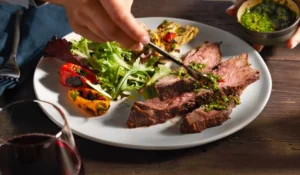
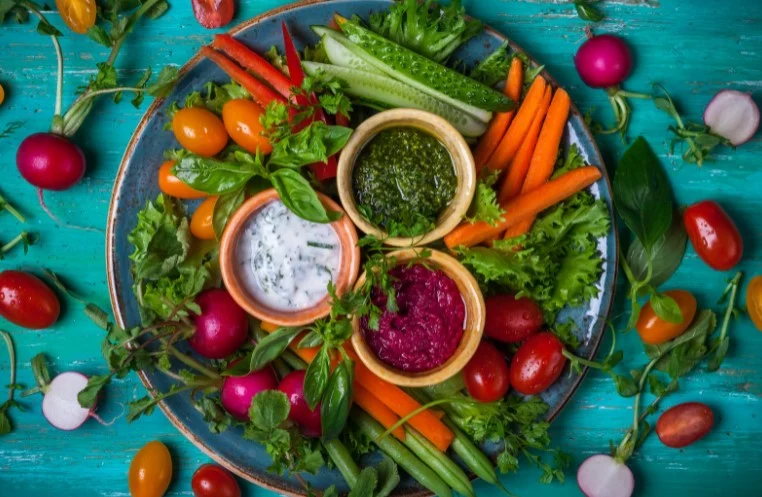
Founded in 2021 during a period of radical transformation for the global restaurant industry, goop kitchen was designed to solve a specific consumer friction point: the perceived trade-off between "healthy" food and "delicious" food. The brand’s philosophy rejects the notion that wellness-oriented meals must be restrictive or utilitarian. Instead, it leverages high-level culinary techniques to create nutrient-dense dishes that compete with traditional fine dining in terms of flavor profile and presentation.
The menu is curated by Vice President of Culinary, Chef Kim Floresca. Floresca’s pedigree is a significant asset for the brand, bringing the rigor of Michelin-starred environments to a delivery-centric platform. Her experience at world-renowned institutions such as Per Se in New York and El Bulli in Spain informs the technical execution of the goop kitchen menu. Each dish undergoes an exhaustive research and development process that can last several months. This involves dozens of iterations to ensure that ingredients—many of which are sustainably sourced and organic—maintain their integrity throughout the cooking and delivery process.
Engineering the Delivery Experience
What distinguishes goop kitchen from the myriad of "healthy" fast-casual options in New York is its focus on the science of food transit. In the traditional restaurant model, delivery is often an afterthought, leading to the common consumer complaint of soggy textures and improper temperatures. Goop kitchen inverted this model by designing its menu and packaging specifically for the "traveling meal."
The brand employs a "real-world condition" testing protocol. Every new menu item is subjected to a 45-minute wait time before it is tasted by the culinary team. This mimics the average duration between the moment a meal leaves the kitchen and the moment it is consumed by a customer. If a dish—such as a salad, grain bowl, or protein-forward entree—cannot maintain its texture and temperature for nearly an hour, it is redesigned or discarded.
This commitment to quality extends to the proprietary packaging. The brand uses custom-engineered containers designed to preserve the structural integrity of the food. For instance, salad bowls are oversized to allow for easy mixing at home, and dressings are kept in specific compartments to prevent wilting. This level of intentionality is part of a broader trend in the "premium delivery" segment, where consumers are increasingly willing to pay a surcharge for an experience that mirrors the quality of an in-person meal.
Market Context and the Ghost Kitchen Landscape
The launch comes at a time when the "ghost kitchen" industry is undergoing a period of correction. While the model exploded in 2020 and 2021, many low-quality, "virtual-brand-only" operations struggled to maintain consumer interest. Goop kitchen has attempted to distance itself from these "faceless" ghost kitchens by leaning heavily on its brand identity and culinary transparency. By positioning itself as a "chef-crafted" concept rather than just a digital brand, it aims to capture the premium segment of the market that might otherwise avoid delivery-only options.
Industry analysts suggest that the success of goop kitchen in New York will depend on its ability to compete with established local wellness players like Sweetgreen, Dig, and Daily Provisions. However, goop’s advantage lies in its existing lifestyle ecosystem. The Goop media empire provides a ready-made audience of loyalists who already subscribe to the brand’s aesthetic and health philosophies. This lowers the customer acquisition cost compared to a new, independent restaurant brand entering the market.
The "Made for New York" Campaign and Local Integration
To coincide with the April 20 launch, the brand is debuting its first major integrated marketing campaign, titled "Made for New York." The campaign is designed to acknowledge the unique pace and personality of the city, utilizing digital, social media, and out-of-home (OOH) advertising to reach New Yorkers across various touchpoints. By framing the brand as something that was refined for the "discerning" New York palate, the marketing strategy seeks to mitigate any perception of the brand as a purely "California" import.
The expansion also has significant implications for local employment and supply chains. As the brand grows across Manhattan and Brooklyn, it will require a localized network of suppliers for fresh produce and high-quality proteins, adhering to its strict ingredient integrity standards. The 2026 roadmap, which includes physical dining spaces, suggests a long-term commitment to the city’s real estate market, moving beyond the digital-only footprint into a more traditional community-based presence.
Future Projections and Industry Impact
The expansion of goop kitchen into New York is a bellwether for the future of wellness-oriented dining. It demonstrates how lifestyle brands can successfully diversify into the service economy by leveraging their core values. If the New York model proves successful, it provides a blueprint for expansion into other international food capitals like London or Paris, where the Goop brand already has a significant media following.
CEO Donald Moore’s assertion that the brand is on track to double its footprint suggests that the capital investment behind goop kitchen is substantial. In an era where consumers are increasingly scrutinized about the origin and nutritional density of their food, the brand’s emphasis on "clean" eating—free from many processed additives and industrial seed oils—aligns with shifting global dietary trends.
As of April 20, New Yorkers in Midtown West and surrounding neighborhoods will be able to access the menu via the brand’s proprietary ordering site and major third-party delivery platforms. The industry will be watching closely to see if Paltrow’s "thoughtful, satisfying" food can thrive in the high-stakes environment of the Big Apple. For now, the launch stands as a bold statement of intent: goop kitchen is no longer just a regional experiment, but a serious contender in the global premium fast-casual market.