
The modern household often grapples with a persistent challenge: balancing demanding schedules with the fundamental need for nutritious, home-cooked meals. In an era dominated by digital solutions, a return to a meticulously crafted, analog system—a personalized grocery list—is emerging as a powerful tool for streamlining domestic operations, reducing waste, and mitigating the pervasive feeling of time scarcity. This method, refined over years, offers a compelling alternative to ad-hoc shopping, transforming a routine chore into an exercise in efficiency and foresight.
The Genesis of an Optimized System
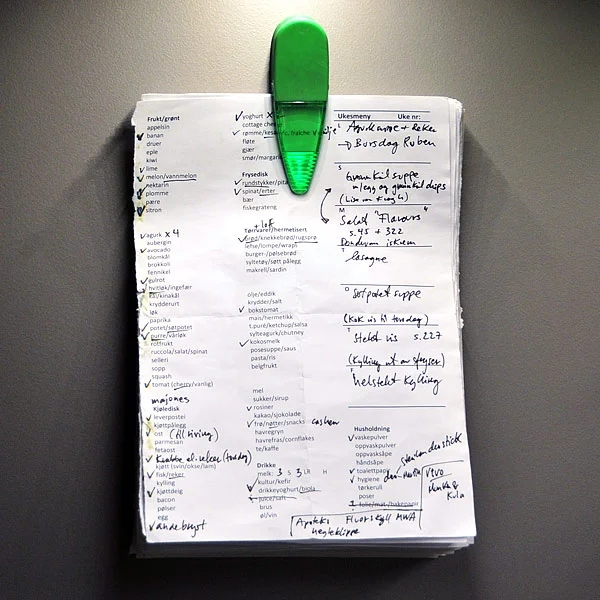
For many, the act of grocery shopping is a weekly ritual, often accompanied by mental fatigue and the risk of forgotten items or impulse purchases. The traditional approach of generating a shopping list from scratch each week is inefficient, failing to leverage accumulated knowledge about household consumption patterns and local store layouts. Instead, a more strategic system involves maintaining a generic, pre-populated list that is customized weekly. This framework, developed and refined over more than six years by one proponent, is not merely a list of items but a dynamic reflection of family preferences, dietary needs, and the specific inventory and organization of a local supermarket.
The initial compilation of such a list is an iterative process, requiring observation and adjustment. It begins by cataloging frequently purchased items, categorizing them logically (e.g., dairy, produce, pantry staples), and then arranging them to mirror the flow of a preferred grocery store. This geographical alignment within the list significantly reduces shopping time by minimizing backtracking and ensuring a smooth progression through aisles. Over time, as family dynamics change—children grow, dietary trends shift, or new products become favorites—the list is continuously updated. Items that were once staples, perhaps for toddlers, are removed, while new necessities are incorporated. This organic evolution ensures the list remains perpetually relevant and maximally effective.
The Enduring Appeal of Paper in a Digital Age
In an ecosystem increasingly saturated with digital productivity tools, the advocate for this system firmly posits that "nothing beats paper for this purpose." While countless grocery list applications offer features like collaborative editing, price comparisons, and recipe integration, the tangible nature of a physical list presents distinct advantages that resonate with many users seeking simplicity and efficacy.
One primary benefit cited is the "superb resolution" of paper, allowing for a comprehensive overview of both the weekly menu and the associated shopping list on a single, compact A5-sized sheet. This immediate visual access contrasts sharply with digital interfaces, which often require scrolling or switching between screens, thereby fragmenting attention and impeding a holistic understanding of the week’s plan. A physical list can be easily folded, slipped into a pocket, and consulted with a quick glance, offering unparalleled portability and discretion without the reliance on battery life or network connectivity. Furthermore, the inherent flexibility of paper provides ample space for spontaneous notes, additions, or specifications, with the reverse side offering supplementary room if needed.
From a cognitive perspective, research has consistently indicated that handwriting notes can lead to better information retention and comprehension compared to typing. The act of physically ticking off items on a paper list provides a satisfying tactile feedback loop, reinforcing progress and contributing to a sense of accomplishment. This engagement can also reduce the likelihood of distractions inherent in digital devices, where notifications from other applications can easily derail the shopping focus. While digital apps undeniably offer convenience for sharing lists among household members or syncing across devices, the simplicity and focused utility of a well-designed paper list prove superior for the individual navigating the supermarket aisles.
Strategic Meal Planning: A Cornerstone of Household Economy
The personalized grocery list is most potent when paired with a robust weekly meal plan. This tandem approach is a formidable strategy for enhancing household economy, promoting healthier eating habits, and significantly reducing food waste. The process involves mapping out dinners for the week ahead, then deriving the necessary ingredients for the grocery list. For those who frequently refer to cookbooks, incorporating a simple page number next to a menu item on the list serves as an efficient shorthand, eliminating the need to rewrite full recipes.
This integration of menu and shopping list offers a critical advantage: it acts as an additional layer of reminder during the shopping trip. A quick review of the week’s planned meals can often jog the memory, prompting the purchase of an ingredient that might have been overlooked on the main list. This proactive planning stands in stark contrast to reactive shopping, where daily decisions about meals often lead to last-minute, potentially more expensive, purchases or reliance on less healthy takeout options.
The economic implications of meal planning are substantial. According to the U.S. Department of Agriculture (USDA), food waste at the consumer level accounts for a significant portion of the overall food supply, often translating into hundreds of dollars annually for the average family. By planning meals and purchasing only what is needed, households can drastically reduce spoilage and unnecessary expenditures. A study published in the Journal of Nutrition Education and Behavior found that meal planning was associated with increased diet quality and reduced food waste. Similarly, financial experts frequently recommend meal planning as a primary strategy for budget adherence, as it curtails impulse buys and enables comparison shopping for planned items.
However, adherence to a rigid plan should not preclude flexibility. The system acknowledges the importance of sometimes deviating from the weekly dinner schedule. Spontaneous invitations, unexpected exhaustion, or simply a craving for something unplanned are valid reasons to adjust. The benefit of having a plan is not to enforce strict adherence but to establish a default, ensuring that even with occasional deviations, the majority of meals are home-cooked and efficiently sourced. This balance between structure and spontaneity is key to the system’s long-term viability and user satisfaction.
Navigating the Modern Time Crunch: "Tidsklemma" and Beyond
The modern landscape is characterized by an intensified pace of life, particularly for individuals juggling full-time employment with family obligations. This pervasive feeling of being perpetually short on time is eloquently captured by the Norwegian term "tidsklemma," which, though lacking a direct English translation, describes the societal pressure and personal struggle to reconcile competing demands on one’s time. It’s the squeeze felt when professional responsibilities, childcare, household management, and personal well-being all clamor for attention, leaving little room for spontaneous leisure or meticulous meal preparation.
For those experiencing "tidsklemma," a systematic approach to meal planning and grocery shopping is not merely a convenience but a necessity. Without such a framework, the default often becomes reliance on less healthy, more expensive alternatives like fast food or pre-made meals, or simply skipping meals altogether. The pre-populated grocery list, combined with a weekly meal plan, directly addresses this time constraint by minimizing decision fatigue and streamlining a typically time-consuming chore. By front-loading the planning process, individuals free up mental and temporal resources during the week, transforming potential chaos into manageable routine. This proactive stance significantly increases the likelihood of cooking at home, fostering healthier eating habits, and promoting family mealtimes, which are increasingly valued in busy households.
The Iterative Process: A List That Grows With You
A defining characteristic of an effective personalized grocery list is its dynamic nature; it is a perpetual "work-in-progress." Unlike static templates, this system thrives on continuous adaptation, ensuring its relevance across different life stages and changing preferences. The proponent of this method emphasizes that no two individuals will arrive at identical lists, underscoring the deeply personal and evolving aspect of household consumption.
The process of archiving old lists, perhaps by printing multiple copies and reviewing them periodically, facilitates this continuous improvement. By examining shopping patterns over several weeks, one can identify items that are consistently purchased, those that are rarely needed, or new additions that have become staples. For instance, as children mature, their dietary needs and preferences shift dramatically. Items crucial for infants or toddlers eventually become obsolete, while teen-friendly snacks or ingredients for more complex family meals take their place. Similarly, changes in local supermarket offerings, seasonal produce availability, or even personal dietary adjustments (e.g., trying a vegetarian month) necessitate modifications to the core list.
This iterative refinement transforms the list from a static document into a living tool that accurately reflects the current reality of the household. It ensures that the system remains responsive and efficient, preventing the accumulation of unnecessary items or the omission of newly essential ones. This adaptability is crucial for the long-term success and utility of any personalized organizational system.
Broader Implications for Sustainable Living and Mental Well-being
Beyond individual household efficiency, the widespread adoption of such systematic meal planning and grocery shopping carries broader implications for sustainability and mental well-being. From an environmental perspective, reducing food waste directly translates to a decrease in greenhouse gas emissions associated with food production, transportation, and disposal. When less food is wasted, fewer resources (water, land, energy) are consumed, contributing to a more sustainable food system. This aligns with global efforts to combat climate change and promote responsible consumption.
On a personal level, mitigating the "tidsklemma" and reducing decision fatigue has a profound positive impact on mental well-being. The cognitive load associated with daily meal planning—deciding what to cook, checking ingredients, remembering what to buy—can be significant. By establishing a routine and relying on a pre-existing system, individuals free up mental energy for other tasks or, crucially, for relaxation and leisure. This reduction in stress and anxiety related to meal preparation contributes to a calmer, more organized home environment. Furthermore, consistent access to home-cooked meals often leads to healthier diets, which in turn support physical and mental health.
Expert and Consumer Perspectives
Productivity experts consistently advocate for structured planning and batching similar tasks to maximize efficiency, a principle perfectly embodied by the personalized grocery list system. By dedicating a specific time each week to meal planning and list preparation, individuals consolidate cognitive effort and reduce the cumulative time spent on these activities throughout the week. Consumer trends also indicate a growing interest in home cooking, driven by health consciousness, a desire for budget control, and the pleasure derived from culinary creation. However, the barrier to consistent home cooking often lies in the perceived time commitment and organizational effort. Systems like the personalized grocery list directly address this barrier, making home cooking more accessible and sustainable for busy individuals.
While implementing such a system requires an initial investment of time and effort to compile and refine the generic list, the long-term benefits in terms of saved time, reduced stress, and financial savings far outweigh this initial outlay. The availability of downloadable templates, such as those offered in various formats (Norwegian A4, English A4, legal size), provides a valuable starting point for those interested in adopting this highly effective approach. By embracing a systematic, personalized methodology for grocery shopping, individuals can reclaim valuable time, enhance household efficiency, and foster a more sustainable and less stressful approach to daily living.