
The pursuit of a fulfilling home-cooked meal often clashes with the relentless demands of modern life, leading many individuals and families to seek culinary solutions that deliver significant satisfaction without requiring extensive time, energy, or specialized ingredients. This fundamental tension has fueled a significant shift in contemporary food culture, giving rise to a robust demand for "low effort, high reward" recipes. These dishes are characterized by their minimal ingredient lists, straightforward preparation steps, and quick cooking times, yet they consistently yield flavorful, nourishing, and often visually appealing results that rival more complex preparations. They represent a strategic approach to meal preparation, enabling busy individuals to maintain healthy eating habits, manage household budgets, and foster a sense of domestic accomplishment even amidst demanding schedules.
The Evolving Landscape of Home Cooking
The landscape of home cooking has undergone a profound transformation over the past few decades. Historically, home cooking was often a time-intensive endeavor, deeply integrated into daily routines. However, societal changes, including the rise of dual-income households, longer working hours, increased participation in extracurricular activities, and the pervasive influence of digital entertainment, have progressively compressed the time available for meal preparation. This accelerated pace of life has created a paradox: while there is a growing awareness of the health and economic benefits of cooking at home, the practical barriers to doing so effectively have simultaneously increased.

According to a 2018 study by the U.S. Department of Agriculture (USDA), the average American spends approximately 37 minutes per day on food preparation and cleanup. While this figure has remained relatively stable over the past decade, it often encompasses quick, basic meals or reheating pre-prepared foods. The aspiration for a "special" or truly satisfying home-cooked dinner, as opposed to a mere sustenance meal, frequently requires a more significant investment of time and mental energy, which many consumers simply do not possess on a typical weeknight. This gap between aspiration and reality is precisely where the "low effort, high reward" philosophy finds its resonance.

Defining "Low Effort, High Reward" in the Kitchen
At its core, a "low effort, high reward" recipe is engineered for efficiency without compromising on quality. This involves several key characteristics:

- Minimal Ingredients: Recipes typically call for a handful of readily available ingredients, often pantry staples or items easily found at a standard grocery store. This reduces shopping time, ingredient costs, and the likelihood of food waste.
- Simple Steps: The preparation process is streamlined, avoiding complex techniques, multiple cooking vessels, or elaborate plating. Steps are often sequential and intuitive, making them accessible even to novice cooks.
- Short Cooking Time: The entire process, from prep to plate, is usually completed within 20 to 45 minutes, making these meals viable options for weeknights when time is of the essence.
- Maximum Flavor Impact: Despite their simplicity, these recipes are designed to deliver robust, satisfying flavors. This is often achieved through clever use of seasoning, strategic cooking methods (like roasting or sautéing), or the incorporation of flavorful sauces and condiments.
- Versatility and Adaptability: Many such recipes are flexible, allowing for easy substitutions based on dietary preferences or available ingredients, further reducing stress.
These attributes stand in stark contrast to the often-complex, multi-component meals popularized in gourmet cooking or the less nutritious, often more expensive alternatives offered by fast food and frequent takeout. The psychological benefits extend beyond the plate, as successfully preparing a delicious meal with minimal fuss can boost confidence in the kitchen and reduce overall household stress.
Economic and Nutritional Advantages
The embrace of "low effort, high reward" cooking strategies offers tangible economic and nutritional benefits. Economically, home cooking is almost invariably more cost-effective than dining out or relying heavily on takeout. A 2022 analysis by Forbes Advisor indicated that the average cost of a home-cooked meal is significantly lower than a restaurant meal, with potential savings of 50-75% per meal. For a family, these savings can accumulate rapidly, contributing substantially to household budgets, particularly in periods of inflation when food prices are elevated. Recipes requiring fewer ingredients further amplify these savings by minimizing impulse purchases and reducing the likelihood of perishable ingredients going unused.

From a nutritional standpoint, preparing meals at home provides unparalleled control over ingredients, portion sizes, and cooking methods. Even simple recipes can be tailored to be significantly healthier than many commercially prepared options, which often contain excessive amounts of sodium, unhealthy fats, and added sugars. For instance, a basic chicken and vegetable stir-fry or a lentil curry, prepared at home, allows for fresh, whole ingredients and controlled seasoning, whereas a restaurant version might be laden with hidden fats and sodium. Public health experts and nutritionists consistently advocate for increased home cooking as a key strategy to combat rising rates of obesity, heart disease, and diabetes. Dr. Emily Carter, a prominent dietician, notes, "The ability to quickly prepare a nutritious meal is critical for public health. These streamlined recipes empower individuals to prioritize their well-being without feeling overwhelmed by the cooking process."

Furthermore, the focus on fewer, often whole ingredients in "low effort" recipes can contribute to reducing food waste, a significant environmental and economic concern. When recipes call for readily available staples, consumers are less likely to purchase esoteric ingredients that might only be used once and then spoil.
The Rise of Smart Convenience: A Timeline
The evolution of convenience in cooking has seen several distinct phases:
- Mid-20th Century (Post-WWII): The advent of processed foods, frozen dinners, and boxed mixes marked the initial wave of convenience. These aimed to liberate homemakers from the kitchen but often sacrificed nutritional quality and fresh flavors.
- Late 20th Century (1970s-1990s): The proliferation of fast-food chains and casual dining restaurants offered external convenience, shifting meal preparation away from the home altogether for many.
- Early 21st Century (2000s-2010s): The rise of cooking shows, food blogs, and celebrity chefs sparked a renewed interest in culinary artistry, but often presented complex, time-consuming recipes. Simultaneously, the demand for convenience continued to grow, leading to the popularity of semi-prepared ingredients and quick-fix meal ideas.
- Present Day (2010s-Present): The current era emphasizes "smart convenience," where technological advancements and strategic recipe development converge. Appliances like the Instant Pot and air fryer have become staples, drastically cutting cooking times. Meal kit services emerged, providing pre-portioned ingredients, but even these are often supplanted by the desire for simpler, more flexible home-cooked options that don’t rely on subscriptions. This period sees a fusion of the desire for homemade quality with the necessity of efficiency, culminating in the widespread appeal of "low effort, high reward" recipes. Culinary content creators have actively responded to this demand by innovating recipes that maximize flavor and nutrition while minimizing complexity.
Expert Endorsements and Consumer Adoption
The widespread adoption of "low effort, high reward" cooking is not merely a trend but a reflection of a fundamental need. Culinary experts and food bloggers have become instrumental in popularizing these approaches, demonstrating that delicious and wholesome meals are within reach for everyone. "We’ve seen an exponential increase in engagement with recipes that promise quick preparation and minimal fuss," observes Sarah Jenkins, a leading food content strategist. "People want to eat well, but they simply don’t have hours to spend in the kitchen. Our role is to show them how accessible good food can be."
Feedback from consumers consistently highlights the transformative impact of these recipes. Maria Rodriguez, a working mother of two, states, "Before, I’d often resort to takeout because I was too exhausted to cook. Now, with a few go-to easy recipes, I can get a healthy, tasty dinner on the table in under 30 minutes. It’s made a huge difference to our family life and our budget." This sentiment is echoed across various demographics, from busy professionals living alone to retirees seeking uncomplicated meal solutions.

Broader Implications and Societal Impact
The widespread integration of "low effort, high reward" cooking principles carries several broader implications:
- Health and Wellness: A sustained increase in home cooking, even of simplified meals, could lead to improved public health outcomes by reducing reliance on processed foods and fast food, thus addressing diet-related diseases.
- Economic Resilience: By enabling more households to cook at home, these strategies contribute to personal financial resilience, particularly during economic downturns or periods of high inflation.
- Environmental Sustainability: Reduced consumption of takeout means less single-use packaging waste. Furthermore, efficient use of ingredients can lead to a decrease in household food waste, aligning with broader sustainability goals.
- Culinary Empowerment: These recipes democratize cooking, making it less intimidating and more approachable for individuals who may lack extensive culinary training or experience. This fosters a sense of self-sufficiency and enjoyment in the kitchen.
- Social Cohesion: Family meal times, often a casualty of busy schedules, can be revitalized when the burden of preparation is eased, fostering stronger family bonds and communication.
Exemplary "Low Effort, High Reward" Dishes
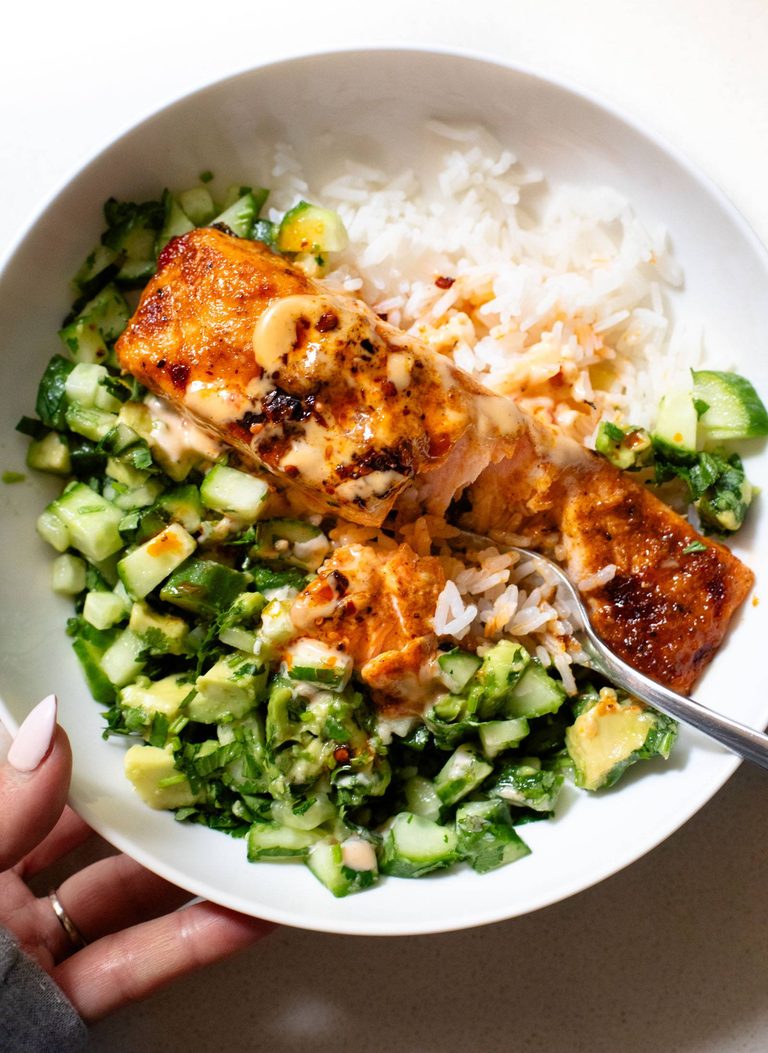
The variety of dishes falling under this umbrella is vast, encompassing global flavors, comforting classics, and innovative twists. Many leverage single-pan or single-pot cooking methods, further minimizing cleanup.
- Sheet Pan Wonders: Recipes like "Apricot Chicken with Charred Scallions" or "Sheet Pan Jambalaya" showcase the efficiency of roasting an entire meal on a single baking sheet. Proteins, vegetables, and sometimes even starches cook simultaneously, creating complex flavors with minimal active involvement.
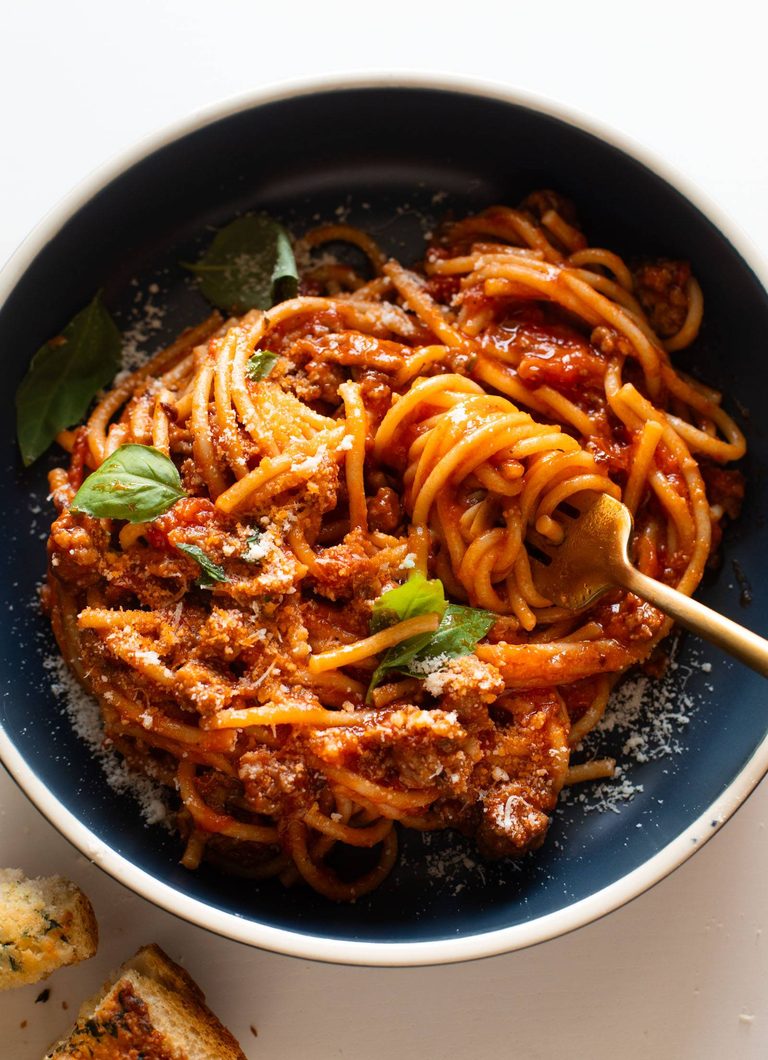
- Instant Pot and Air Fryer Favorites: Appliances like the Instant Pot are perfect for dishes like "Instant Pot Spaghetti" or "Instant Pot Red Curry Lentils," dramatically reducing cooking times for stews, pasta, and grains. Similarly, the air fryer excels at quickly crisping proteins, as seen in "Ridiculously Good Air Fryer Chicken Breast," offering a healthy alternative to frying.
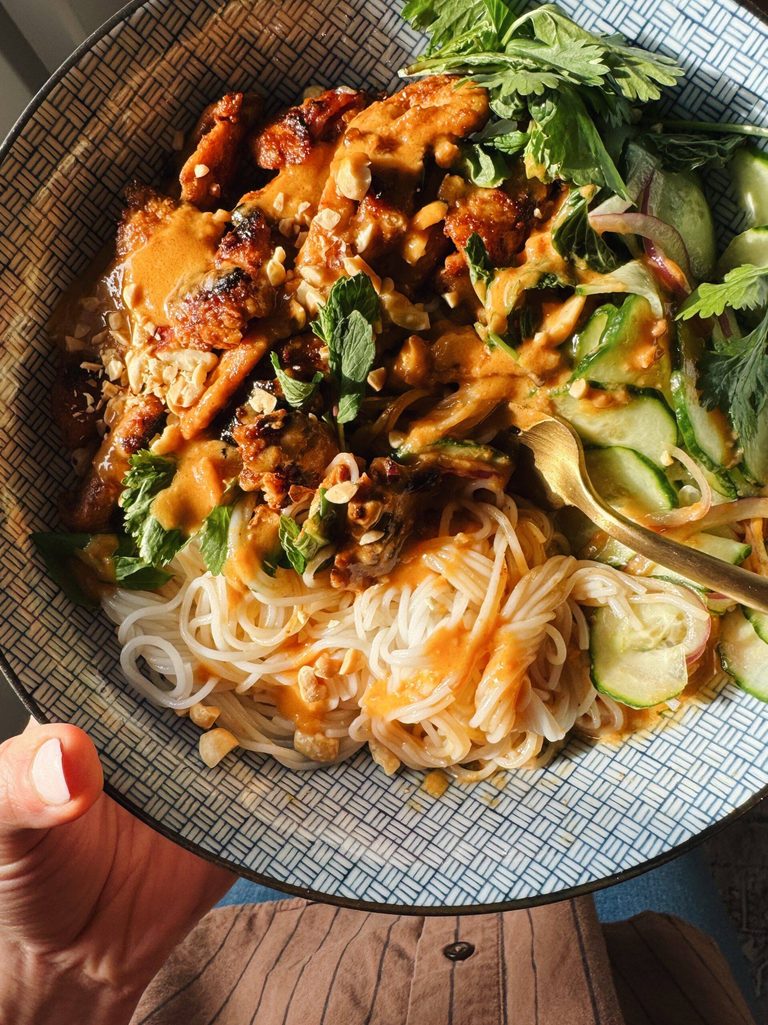
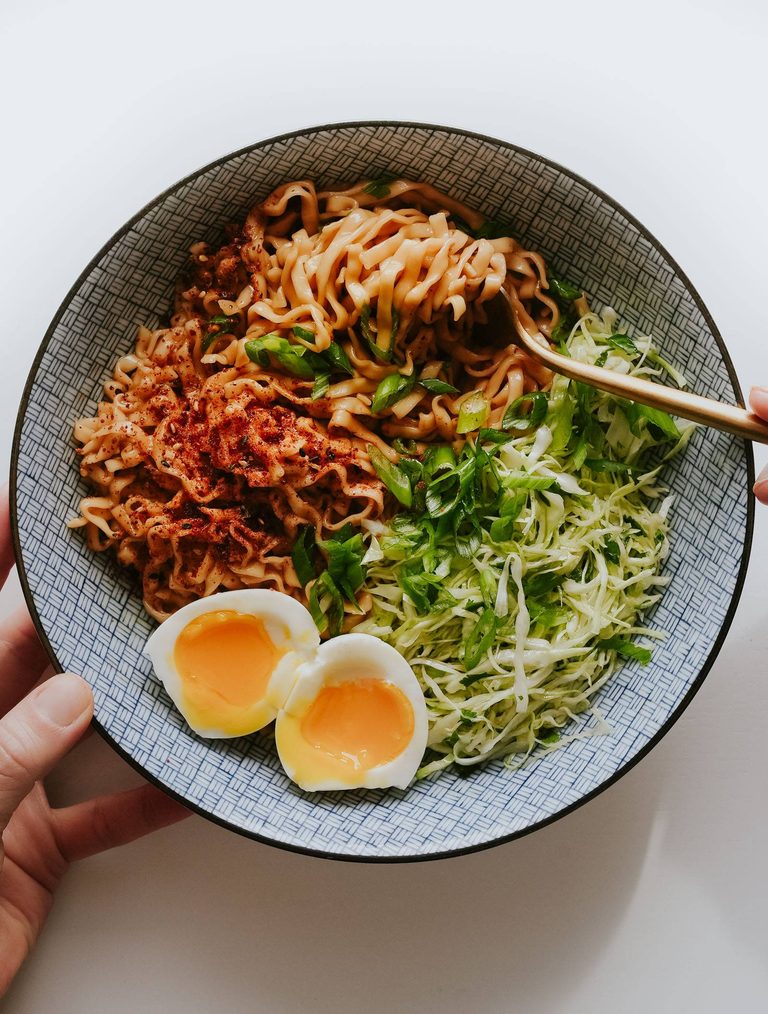
- Global Flavors, Simplified: Dishes such as "Thai Peanut Chicken Bowls," "Steph’s Chickpea Curry with Spinach and Rice," or "Spicy Gochujang Noodles with Chicken" demonstrate how rich, international tastes can be achieved using accessible ingredients and straightforward techniques, often in under 30 minutes.
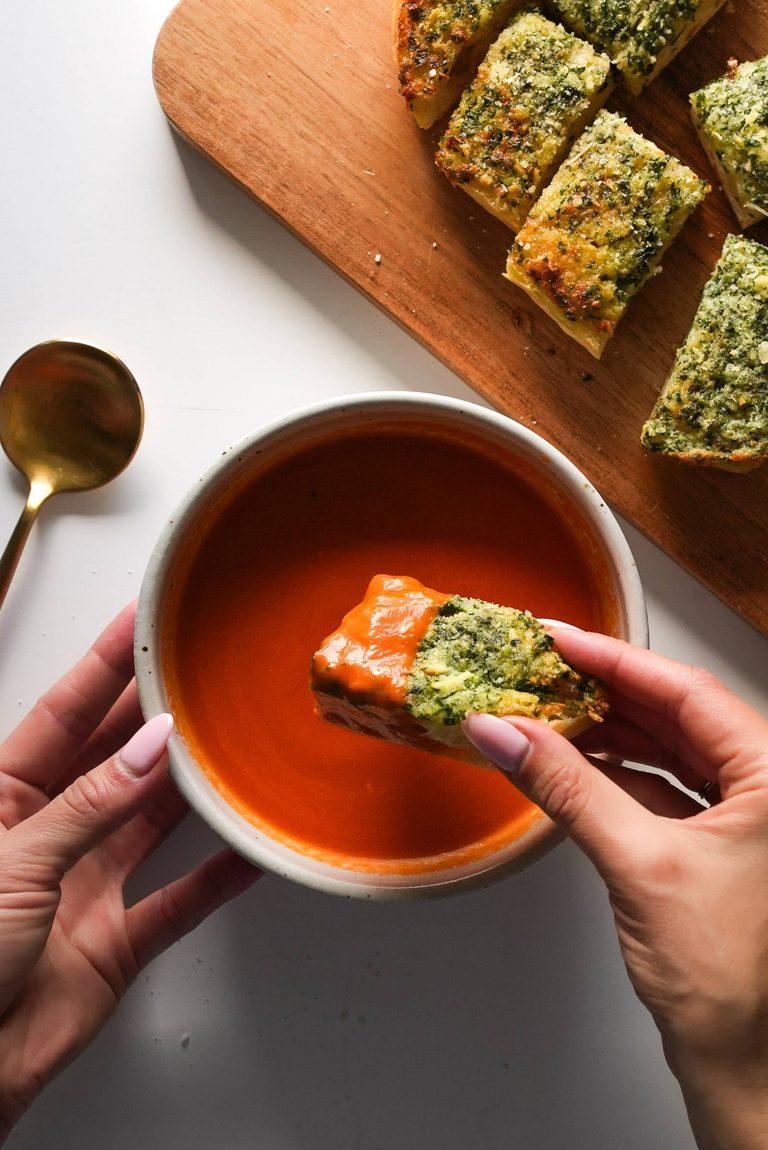
- Reimagined Comfort Classics: Even traditional comfort foods are adapted for speed and ease. "Zuppa Toscana" or "Three Cheese Baked Gnocchi with Spinach" deliver hearty satisfaction without hours of simmering or intricate layering.
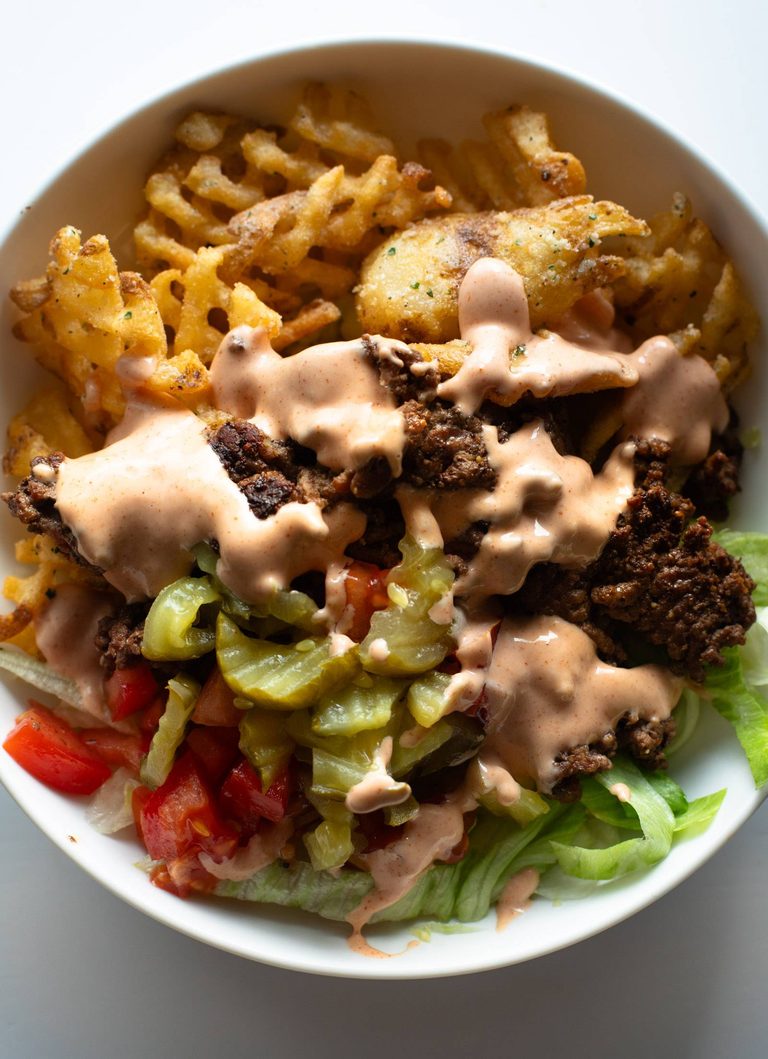
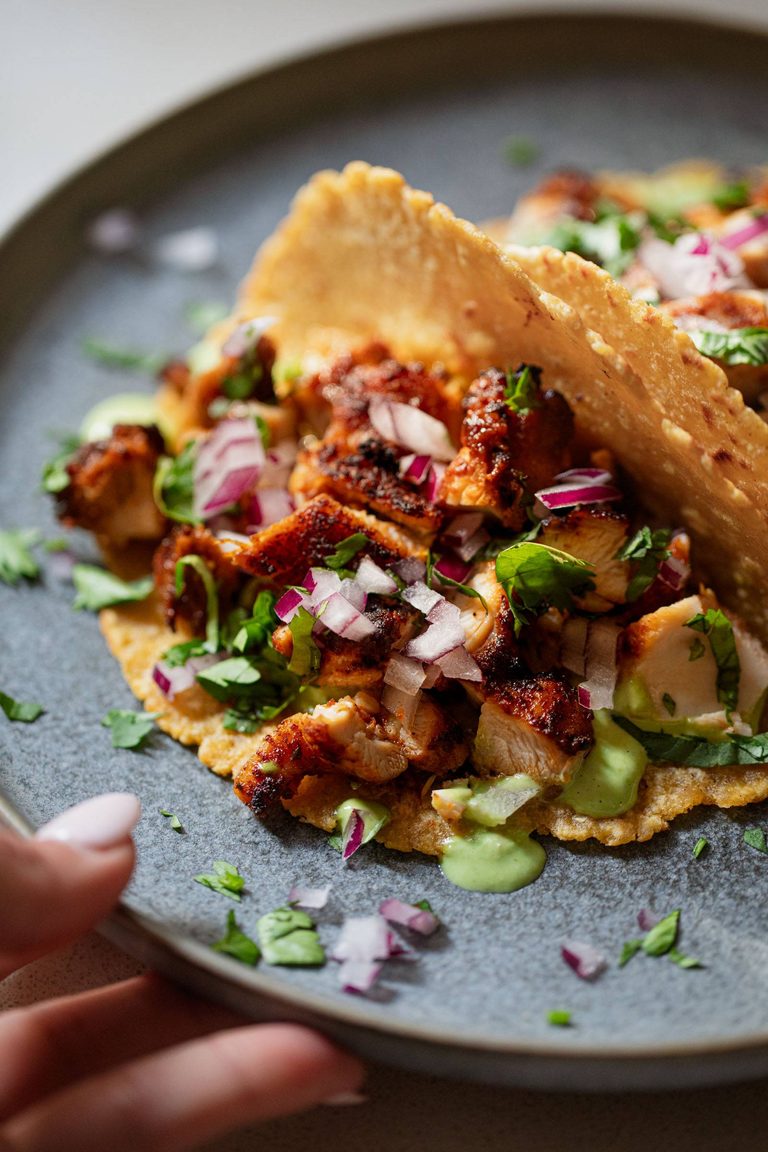
- Taco and Bowl Inspirations: "Crispy Black Bean Tacos with Cilantro Lime Sauce," "Brandon’s Egg Roll Tacos," or "Burger Bowls with House Sauce and Ranch Fries" offer deconstructed or simplified versions of beloved meals, providing maximum flavor and customization with minimal effort.
In conclusion, the movement towards "low effort, high reward" recipes is more than a fleeting trend; it is a practical and enduring response to the complexities of modern living. By prioritizing efficiency, accessibility, and robust flavor, these culinary strategies empower individuals and families to consistently enjoy the myriad benefits of home cooking – from improved health and economic savings to reduced stress and enhanced quality of life – ensuring that a satisfying meal is always within reach, even on the busiest of days.