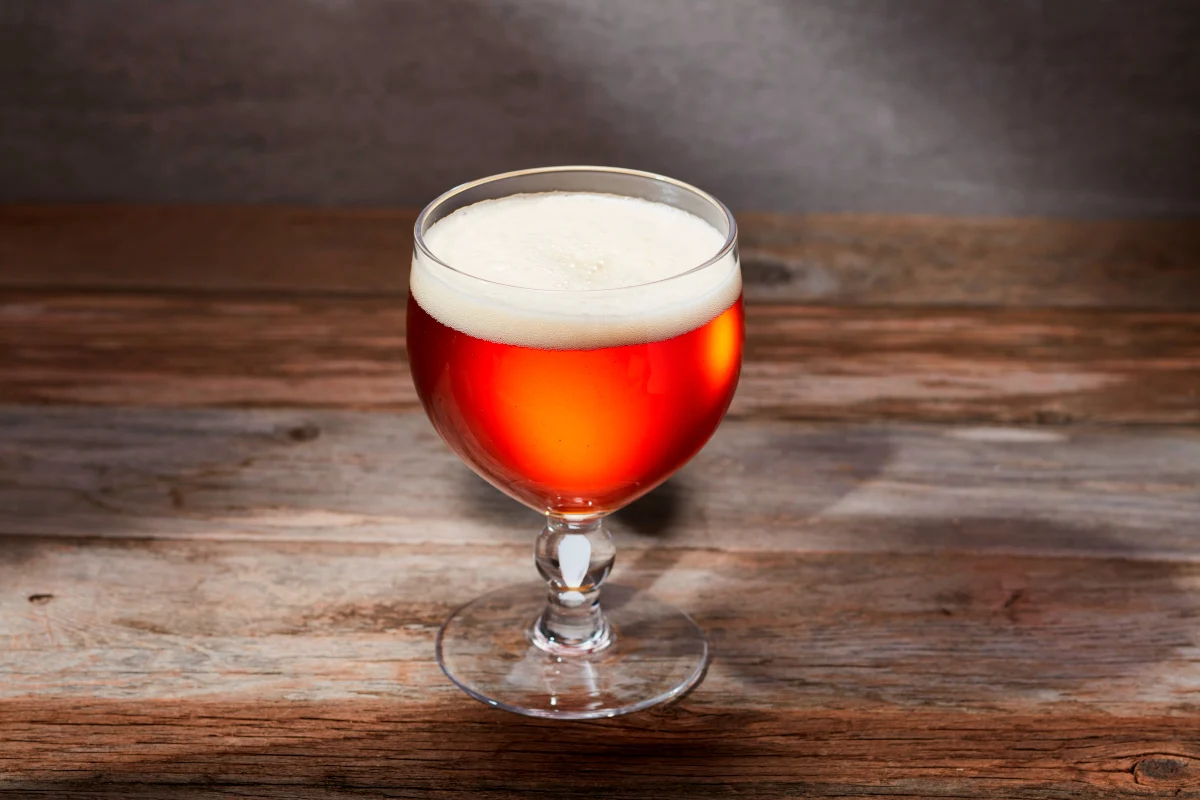

The pursuit of excellence in the craft of homebrewing has reached a new pinnacle with the release of a highly technical, gold-medal-winning recipe for a traditional copper-colored lager. This recipe, characterized by its meticulous attention to enzymatic activity and fermentation kinetics, serves as a masterclass in the European brewing tradition. By utilizing a specific Hochkurz mash schedule and a rigorous temperature-controlled fermentation, the protocol demonstrates how home-based zymologists can achieve professional-grade results that rival the most storied breweries in Bavaria and beyond. The technical specifications—targeting a 5% alcohol by volume (ABV) and a balanced 20 International Bitterness Units (IBU)—highlight a trend toward sessionable, high-quality lagers that prioritize nuance and drinkability over the aggressive hopping seen in other contemporary styles.
Technical Specifications and Ingredient Philosophy
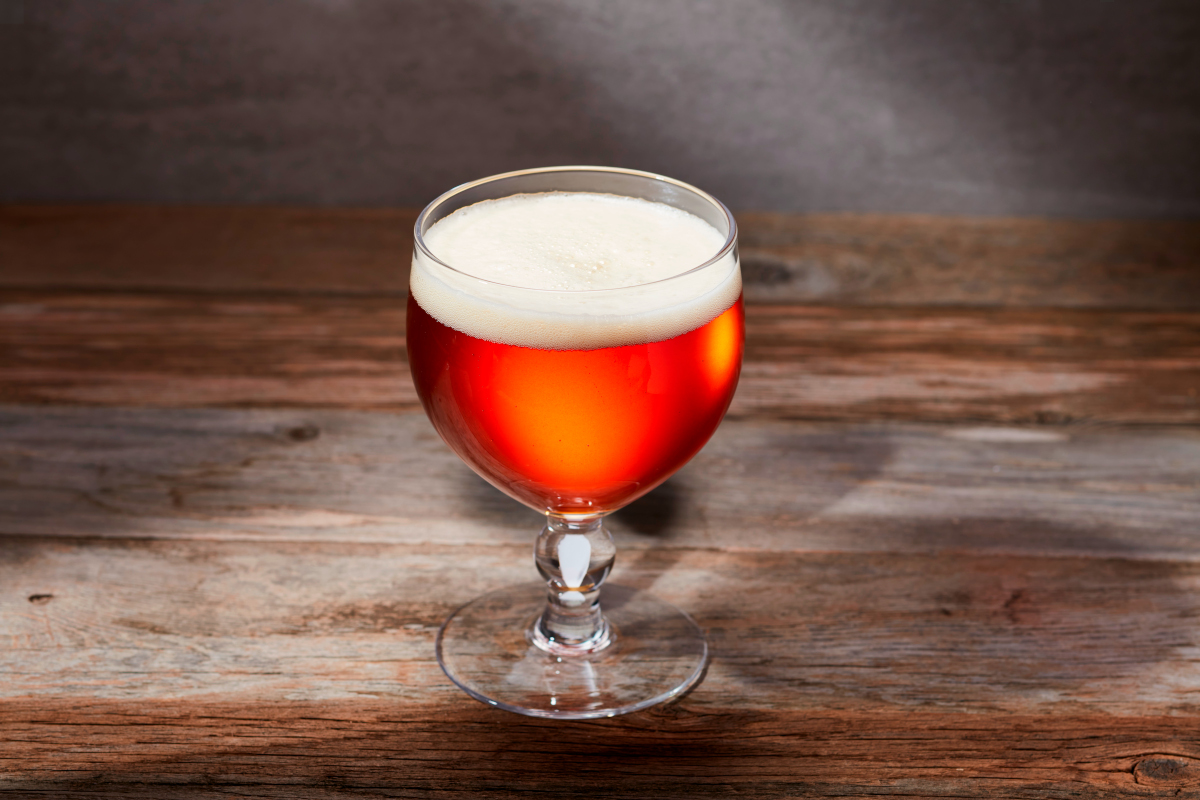
At the core of this award-winning profile is a commitment to balance. The beer is designed with an Original Gravity (OG) of 1.049 (12.2°P) and a Final Gravity (FG) of 1.011 (2.7°P), resulting in a 5% ABV. This specific gravity range ensures a medium body that supports the malt backbone without becoming overly cloying. The color, measured at 11 SRM (Standard Reference Method), indicates a deep copper or amber hue, typically achieved through a blend of high-quality base malts such as Vienna or Munich, which provide the toasted bread and caramel notes essential to the style.
The use of Reverse Osmosis (RO) water as a baseline is a critical component of the recipe’s success. By starting with a "blank slate," the brewer can precisely manipulate the mineral content using brewing salts. For a copper lager of this nature, the water profile generally aims for a balanced chloride-to-sulfate ratio, enhancing the malt roundness while ensuring the hop bitterness remains crisp but not harsh. This level of control is what separates competitive-level brewing from casual hobbyism, as it allows for the perfect optimization of mash pH, which in this case is targeted at 5.3—the ideal window for enzymatic efficiency and protein precipitation.
The Science of the Hochkurz Mash Schedule
One of the most distinctive elements of this recipe is the employment of the Hochkurz mash, a traditional German technique designed to maximize fermentability and head retention while shortening the overall mash time compared to multi-step decoctions. The process begins with a "Beta-amylase rest" at 146°F (63°C) for 20 minutes. During this phase, the enzyme beta-amylase works to clip maltose units off the ends of starch chains, creating a highly fermentable wort.
Following the initial rest, the temperature is raised to 156°F (69°C) for 35 minutes for the "Alpha-amylase rest." This higher temperature encourages alpha-amylase to break down complex starches into shorter chains, including non-fermentable dextrins that contribute to the beer’s body and mouthfeel. By splitting the mash into these two specific windows, the brewer exerts total control over the carbohydrate profile of the wort. The process concludes with a "mashout" at 168°F (76°C), which denatures the enzymes and lowers the viscosity of the liquid, facilitating a more efficient lautering process. This technical precision ensures a 68% efficiency rate, a realistic and repeatable target for advanced homebrew systems.
Boiling and Hop Utilization
The recipe calls for a 90-minute boil, a duration longer than the standard 60-minute cycle. This extended boil serves several critical functions: it increases the concentration of the wort, ensures the total isomerization of hop alpha acids, and, perhaps most importantly, aids in the volatilization of S-Methylmethionine (SMM), a precursor to Dimethyl Sulfide (DMS). Given that many European lager malts are high in SMM, a vigorous 90-minute boil is a safeguard against the "cooked corn" off-flavors associated with DMS.
Bitterness is provided by Magnum hops added at the 60-minute mark. Magnum is prized in the brewing industry for its clean, neutral bittering characteristics, allowing the malt profile to remain the protagonist of the flavor profile. With a target of 20 IBUs, the bitterness is present but restrained, acting as a structural counterpoint to the rich malt sugars. The addition of a Whirlfloc tablet (a carrageenan-based fining agent) at 10 minutes remains a standard but vital step for ensuring brilliant clarity in the finished product by coagulating proteins during the "cold break."
Fermentation Kinetics and the Diacetyl Challenge
The fermentation phase of this copper lager is where the technical difficulty spikes. The wort is chilled to a precise 50°F (10°C) before being oxygenated and pitched with a healthy population of lager yeast, supplemented by Servomyces yeast nutrients. Lager yeast (Saccharomyces pastorianus) is notorious for its slower metabolism and sensitivity to temperature fluctuations, making a steady 50°F environment essential for the first 5 to 7 days of fermentation.
As the fermentation nears completion, the recipe dictates a "free rise" to 58°F (14°C) for a period of seven days. This is known as a diacetyl rest. During the initial stages of fermentation, yeast produces alpha-acetolactate, which can leak out of the cell and oxidize into diacetyl—a compound that tastes like artificial butter. By raising the temperature toward the end of fermentation, the yeast’s metabolism is stimulated, encouraging it to reabsorb and reduce the diacetyl into flavorless compounds.
A standout requirement in this protocol is the "forced diacetyl test." This involves taking a sample of the fermenting beer, heating it in a sealed container to accelerate the conversion of precursors, and then cooling it to check for the buttery aroma. This empirical approach ensures that the beer is chemically "clean" before it proceeds to the cold-conditioning phase, preventing one of the most common flaws in competitive brewing.
Cold Conditioning and Finishing Touches
Once the diacetyl test is passed, the beer undergoes a gradual cooling process, dropping 2–4°F per day until it reaches a "lagering" temperature of 35–37°F (2–3°C). This slow descent prevents the yeast from going into thermal shock and dropping out of suspension too quickly, which could lead to incomplete cleanup of fermentation byproducts.
The final stages involve transferring the beer and, if kegging, the addition of gelatin finings. Gelatin acts as a clarifying agent, binding to residual yeast and proteins to settle them at the bottom of the vessel. The beer is then carbonated to 2.6 volumes of CO2. This carbonation level is slightly higher than that of many ales, providing a "spritzig" or lively mouthfeel that helps scrub the palate and enhances the perception of the beer’s delicate aromas.
Historical Context and Style Evolution
The release of this recipe comes at a time of renewed interest in amber lagers, a category that includes the Vienna Lager and the Märzen. Historically, these styles were the backbone of European brewing in the 19th century, following the revolution in kilning technology that allowed for the production of consistent amber malts. Anton Dreher is often credited with the development of the Vienna style in 1841, using a lighter kilned malt than the dark brown malts common in Munich at the time.
This specific gold-medal recipe reflects a modern interpretation of those historical roots. While 19th-century brewers relied on intuition and traditional decoction mashing (boiling portions of the grain), today’s brewers use the Hochkurz method and precise temperature control to achieve similar, if not superior, results with less energy and time. The "copper ale" or amber lager has seen a resurgence in the American craft beer market as consumers look for alternatives to the high-alcohol, hop-heavy IPAs that have dominated the industry for two decades.
Broader Implications for the Brewing Community
The dissemination of such detailed, high-level brewing data by the American Homebrewers Association (AHA) has significant implications for the industry at large. Homebrewers have long been the "research and development" arm of the craft beer movement, and as their technical proficiency increases, so does the overall quality of the beer market.
Professional brewers often look to award-winning homebrew recipes for inspiration, particularly when exploring traditional styles that require finesse. The focus on water chemistry, enzymatic rests, and rigorous fermentation testing highlights a shift in the hobby from "making beer" to "engineering flavor." This level of documentation allows for repeatability, which is the hallmark of a master brewer.
Furthermore, the emphasis on sessionable lagers (5% ABV) speaks to a broader cultural shift toward "mindful drinking." As consumers become more health-conscious and flavor-focused, the demand for beers that offer complex sensory experiences without high alcohol content continues to grow. This copper lager recipe provides a blueprint for that balance, proving that a beer does not need to be "extreme" to be world-class.
In conclusion, this gold-medal-winning recipe is more than just a list of instructions; it is a testament to the intersection of art and science. By mastering the Hochkurz mash, understanding the nuances of lager fermentation, and employing strict quality control measures like the forced diacetyl test, brewers can produce a beverage that is both a tribute to history and a triumph of modern technique. The resulting copper lager, with its toasted malt character, clean bitterness, and crystal clarity, stands as a benchmark for what can be achieved in the modern brewhouse.