
When glucagon-like peptide-1 (GLP-1) receptor agonists, such as semaglutide and tirzepatide, first entered the public consciousness, the fitness industry was gripped by a singular, existential anxiety: "Is this drug going to steal my job?" As these medications gained regulatory approval and surged in popularity, many professionals in the health and wellness sector feared that pharmacological intervention would render traditional lifestyle coaching obsolete. However, as of 2026, the landscape has shifted from one of defensive posturing to strategic integration. With over 10 percent of the United States adult population now utilizing these medications, the industry has realized that the value of professional coaching has not diminished; rather, its focus has evolved into a specialized form of patient support.
A Timeline of the GLP-1 Shift
The timeline of this transformation is rooted in rapid medical adoption. While semaglutide received initial FDA approval for type 2 diabetes in 2017, the subsequent years saw an explosion in off-label and on-label use for weight management. By 2021 and 2022, the medication moved from a niche medical treatment to a household name. In the early stages, fitness coaches viewed these drugs as a "theoretical threat"—an easy exit for clients who preferred a weekly injection over the grueling, long-term commitment of habit formation.
By 2024, the narrative had reached a turning point. Data began to emerge showing that while these medications effectively reduce appetite and body mass, they do not inherently teach the foundational health behaviors required for long-term metabolic health. As of 2026, the industry consensus is that coaching is not a replacement for medical intervention, but an essential additive component that ensures the sustainability of weight loss and the protection of lean muscle mass.
Categorizing the Modern Client
The diversity of individuals utilizing GLP-1 medications necessitates a segmented approach to coaching. Professionals must now assess their clients not just by their fitness goals, but by their "readiness level" regarding medical support. Experts like Kate Solovieva, Director of Community at Precision Nutrition, argue that coaches are no longer in the business of just "fitness"; they are in the business of "GLP-1 support." This requires identifying which clients are open to guidance and which are merely seeking a quick fix.
The current taxonomy of GLP-1 users generally falls into seven distinct categories:
- The Honeymooner: Individuals who have recently started the medication, are experiencing rapid success with minimal side effects, and are currently resistant to further intervention. For these clients, the coaching move is to build rapport without the "righting reflex"—the urge to immediately correct or warn them.
- The Ambivalent Candidate: Individuals who are weighing the pros and cons of starting the medication. Coaching here involves facilitating decision-making processes rather than offering medical advice.
- The Ready-to-Quitter: Those experiencing high levels of side effects, such as nausea or extreme fatigue, who are considering stopping treatment. These individuals require assistance in optimizing their nutrition and dosing schedules in collaboration with their physicians.
- The Muscle-Loss Risk: Clients who are losing weight but not maintaining muscle mass. This is a critical demographic, as research indicates that up to 40 percent of weight lost through pharmacological means can be attributed to lean mass decline.
- The Under-Fueler: Individuals whose appetite suppression is so profound that they risk malnutrition. These clients require strict structural guidance to ensure they are meeting basic caloric and protein requirements.
- The Graduate: Individuals who have successfully reached their goals and are preparing to wean off the medication. The challenge here is mitigating the high risk of weight regain.
- The Priced-Out: Those who are forced to stop medication due to insurance changes or financial constraints. This group requires a pivot toward a high-autonomy model of health to maintain their progress without pharmaceutical support.
The Science of Sustainable Habits
The primary medical concern surrounding GLP-1 usage is the loss of lean tissue. When a patient enters a caloric deficit through medication alone, the body often catabolizes muscle, which can lead to a lower resting metabolic rate and an increased likelihood of future weight regain. To combat this, coaches are emphasizing two non-negotiable pillars: consistent resistance training and high protein intake.

Research suggests that individuals who integrate these habits while on the medication are four times more likely to maintain a 10 percent or greater weight loss once they discontinue use. The analogy often used in professional coaching circles is that of the "Oregon Trail." If the medication is the wagon, the ruts left in the dirt represent the neural pathways and habits formed during the treatment. If a client uses the time on the medication to "carve deep ruts" through consistent exercise and nutrition, those ruts remain even after the "wagon" of the medication is removed.
Implications for the Healthcare Ecosystem
The shift toward integrating coaches into the GLP-1 patient journey has profound implications for the broader healthcare ecosystem. Physicians are increasingly recognizing that while they can manage the biochemistry of weight loss, they lack the time and resources to manage the behavior-change process. This has opened a formal dialogue between medical providers and fitness professionals.
However, the professional boundary remains strict. Coaches are trained to avoid the "prescription" trap. They do not adjust dosages; they do not dictate medical treatment; and they do not ignore red flags. If a client presents with symptoms such as persistent vomiting, signs of pancreatitis, or severe psychological distress, the coaching protocol dictates an immediate referral to a medical practitioner. The role of the coach is to function as a bridge, ensuring that the patient is supported by a comprehensive team that includes doctors, dietitians, and behavior change specialists.
The Future of Coaching
The long-term outlook for the fitness industry is optimistic, though it necessitates a higher standard of education. As obesity is increasingly treated as a chronic condition rather than a temporary fix, the need for long-term health management will persist. The "priced-out" phenomenon—where roughly 50 percent of users stop medication within the first year—further highlights the volatility of relying solely on pharmaceutical intervention.
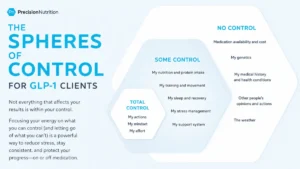
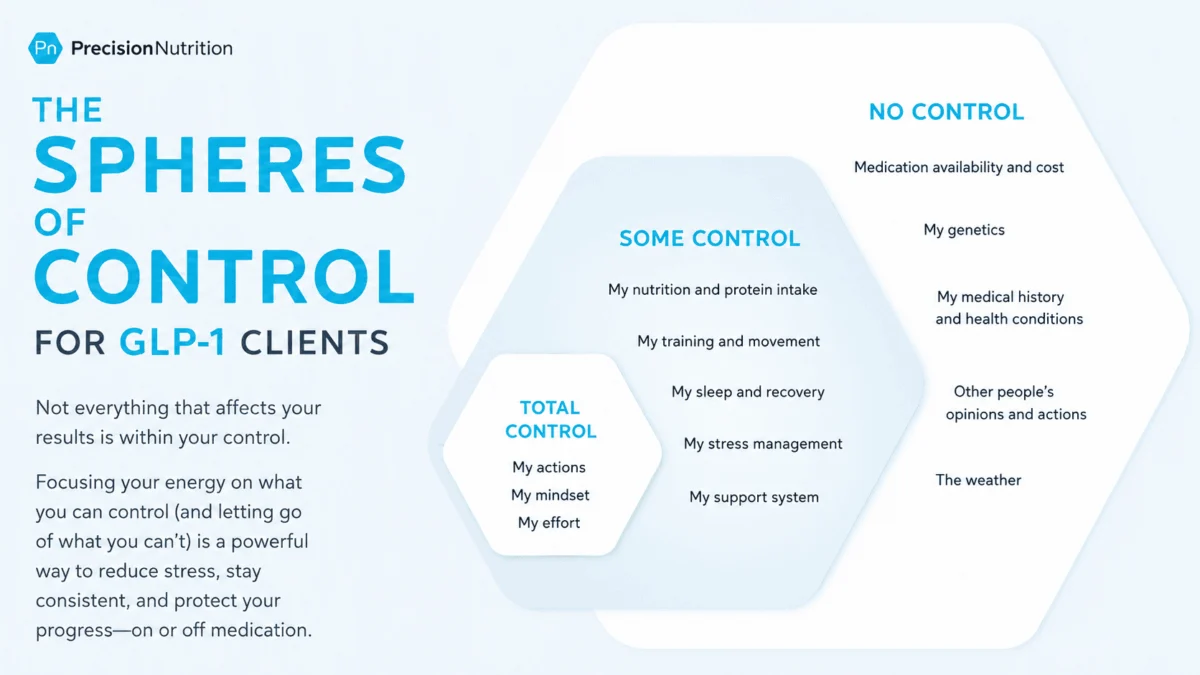
Coaches who thrive in this new environment will be those who master the "Spheres of Control" model. By focusing on what a client can control—mindset, protein intake, resistance training, sleep, and stress management—coaches provide a buffer against the frustrations of medication availability, costs, and side effects.
Ultimately, the advent of GLP-1 medications has not rendered the human coach obsolete; it has simply clarified the mission. The goal of the health professional is no longer just to help a client lose weight—the drug does that—but to help the client redefine their identity as a person who maintains health. By building strong, sustainable habits while the medication is active, the coach ensures that when the pharmaceutical assistance ends, the individual is not left starting from scratch, but is instead firmly established on a path of long-term wellness. This era of partnership between clinical science and behavioral coaching represents the next frontier in the fight against metabolic disease, signaling a shift toward a more holistic and integrated model of patient care.