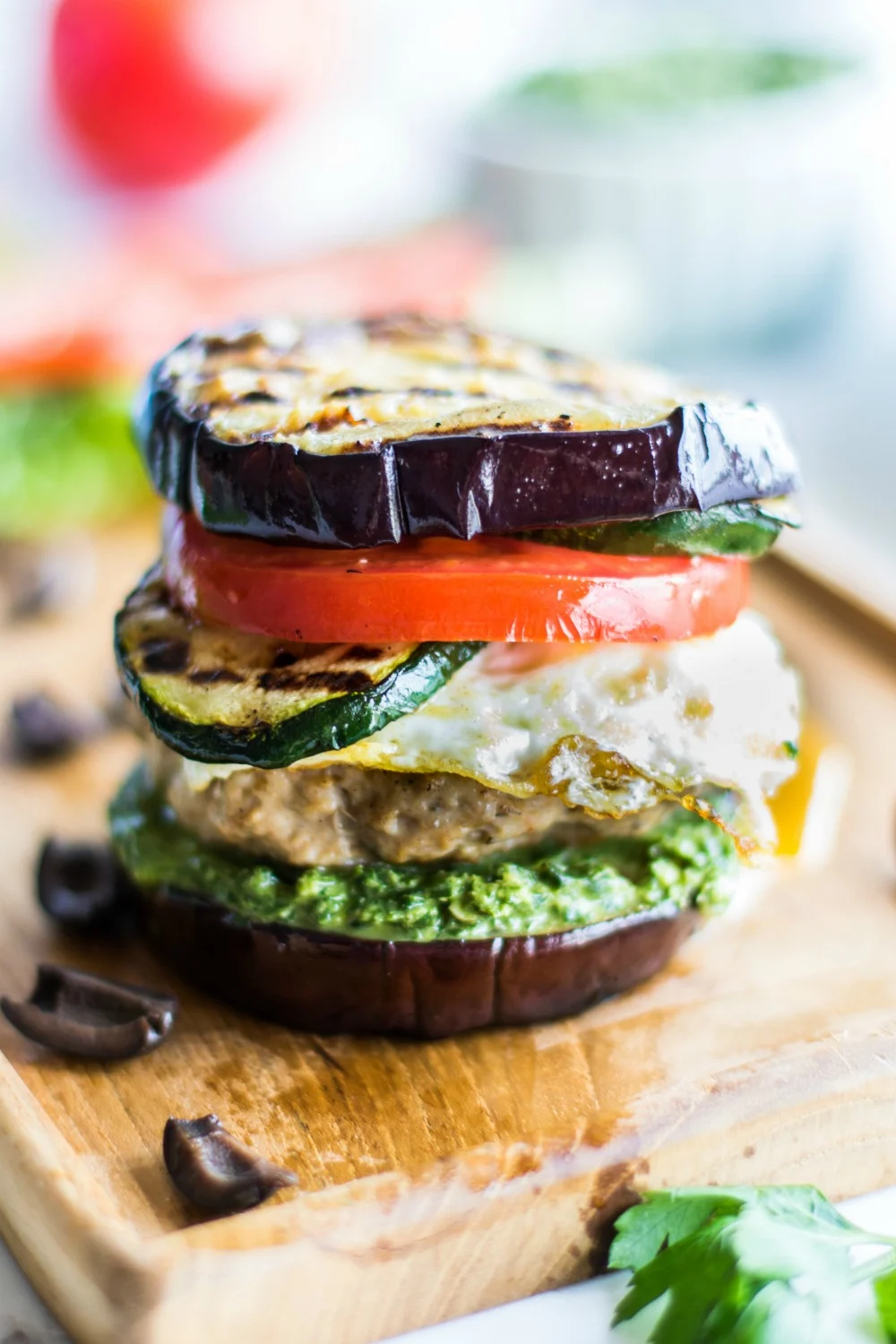

The rise of restrictive dietary protocols such as Whole30, Paleo, and the ketogenic diet has fundamentally shifted consumer habits toward nutrient-dense, whole-food meal preparation. Among the most popular culinary adaptations within this movement is the deconstructed burger—a meal that prioritizes high-quality protein and fiber-rich vegetables while eliminating refined carbohydrates. This Pork Burger Meal Prep recipe serves as a practical model for this trend, offering a structured, efficient, and nutritionally balanced solution for individuals navigating complex dietary requirements.
Nutritional Context and Dietary Compliance
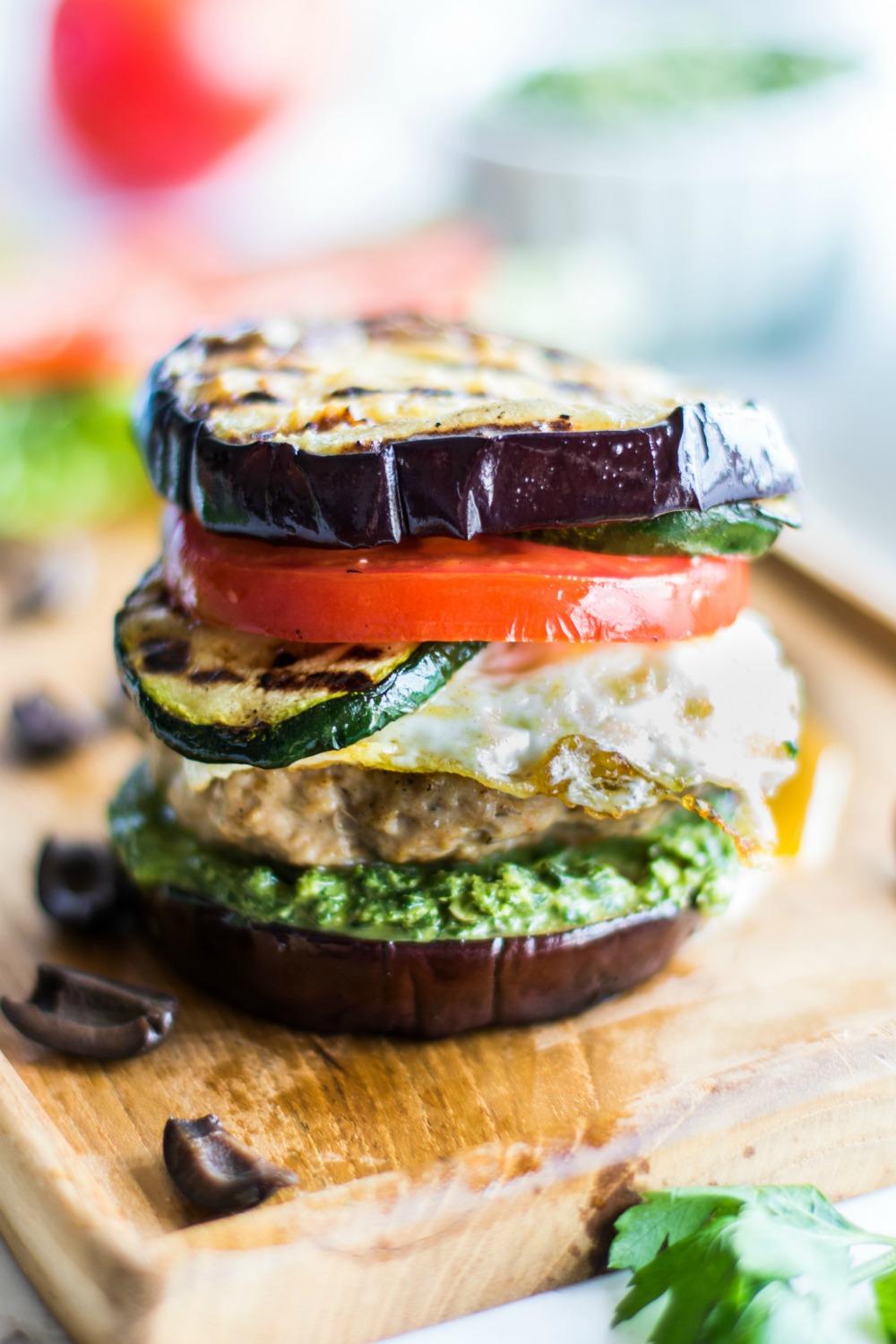
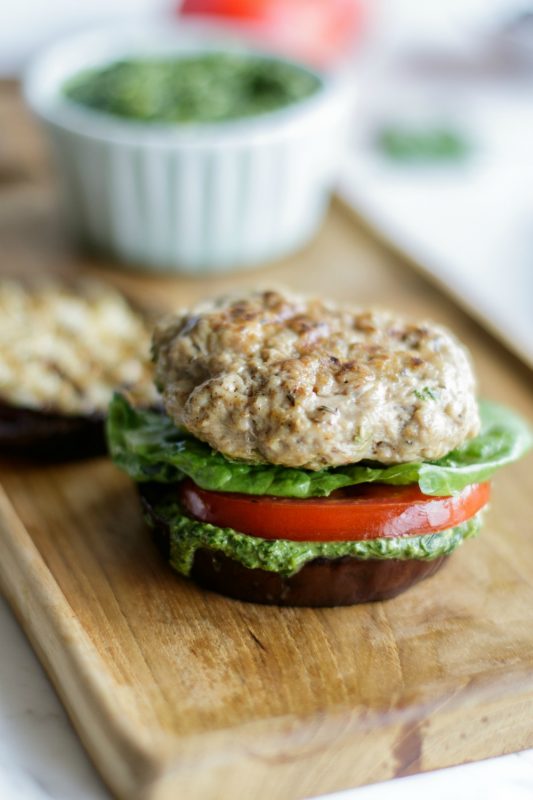
Modern nutritional science increasingly emphasizes the importance of managing glycemic index responses to maintain metabolic health. By replacing traditional wheat-based buns with grilled eggplant, this recipe significantly lowers the carbohydrate density of a standard lunch. Data from health-conscious culinary databases suggest that the average standard burger bun contains between 25 and 40 grams of carbohydrates, often paired with high levels of sodium and preservatives. In contrast, the eggplant-based alternative provides complex carbohydrates and essential micronutrients like manganese and potassium, aligning with the requirements of the Whole30 program, which strictly prohibits added sugars, grains, legumes, and dairy.
The inclusion of a homemade pesto—crafted from fresh basil, walnuts, and extra virgin olive oil—adds monounsaturated fats, which are essential for satiety. From a macronutrient standpoint, a single serving of this dish provides approximately 39 grams of protein, 45 grams of fat, and only 10.8 grams of carbohydrates. This distribution is particularly effective for those following a ketogenic lifestyle, where the goal is to maintain a metabolic state of ketosis by keeping net carb intake below 50 grams per day.
The Chronology of Meal Assembly
Effective meal preparation is defined by the efficiency of the workflow. Professionals in the culinary space recommend a systematic, multi-stage approach to ensure food safety and optimal texture retention over a four-day work week.
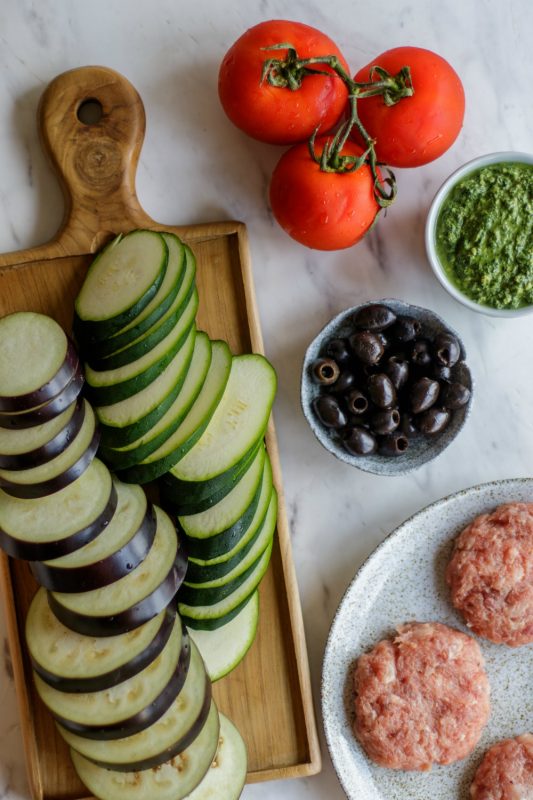
- The Preparation Phase (0–20 minutes): The process begins with the production of the pesto. By utilizing a food processor to blend fresh basil, walnuts, garlic, and high-quality olive oil, the home chef creates a nutrient-dense condiment that serves as the primary flavor profile for the burger.
- The Seasoning and Shaping Phase (20–30 minutes): Ground pork is seasoned with sea salt, thyme, paprika, and black pepper. The protein is then portioned into four distinct patties. This step is critical; uniform sizing ensures that each patty reaches the required internal temperature simultaneously, preventing foodborne illness risks associated with undercooked pork.
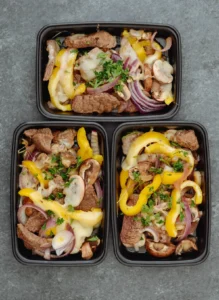
- The Thermal Processing Phase (30–50 minutes): The eggplant and zucchini are sliced into half-inch rounds. Grilling these vegetables requires precise heat control—the objective is to achieve a tender consistency while maintaining structural integrity. The pork patties are grilled until thoroughly cooked, a necessary step given the safety guidelines for ground meat.
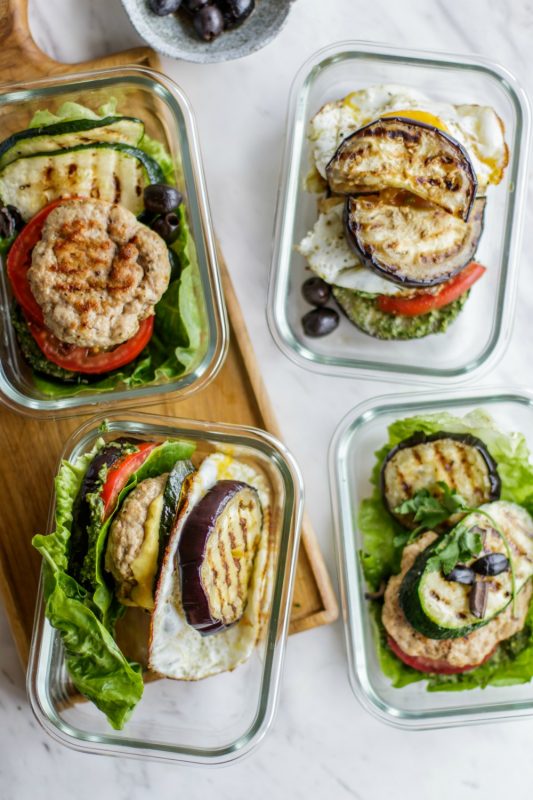
- Final Assembly and Storage: The integration of the components must be executed with an understanding of food chemistry. Because moisture migration can degrade the quality of fresh produce, culinary experts advise against assembling the burger fully prior to storage. Keeping the moist components, such as the pesto and fresh greens, in separate, sealed containers prevents the "soggy" texture that is a common failure point in long-term meal prep.
Analytical Perspectives on Meal Storage
Food safety agencies, including the USDA, emphasize that cooked perishable foods must be stored at temperatures below 40°F (4°C) to inhibit bacterial growth. In the context of this recipe, the longevity of the meal is limited by the grilled vegetables. The eggplant, which serves as the primary "bun," typically maintains its quality for three days. To extend the shelf life to four days, practitioners often suggest substituting the grilled eggplant with fresh, crisp lettuce wraps for the final day.

Furthermore, the inclusion of a fried egg introduces specific storage considerations. While a runny yolk is often considered a hallmark of a high-quality burger, it is functionally disadvantageous for meal prep. Prolonged refrigeration can cause the yolk to discolor and the egg white to become rubbery. Consequently, the consensus among nutritionists and meal-prep specialists is to fully cook the eggs if they are intended for consumption more than 24 hours after preparation.
Broader Impact on Consumer Behavior
The shift toward "systematized eating" reflects a broader societal movement toward self-sufficiency and health optimization. By treating the kitchen as a production line, individuals are not only saving time but are also gaining greater control over their caloric and nutrient intake. This transition from reactive eating—purchasing food when hungry—to proactive meal prep reduces the reliance on processed convenience foods, which are frequently linked to inflammatory health conditions.
This recipe serves as a case study in how to maintain culinary variety while adhering to strict dietary mandates. Rather than viewing the restrictions of Whole30 or Paleo as a limitation, the preparation of these pork burgers demonstrates how ingredient substitution can foster creativity. The ability to swap eggplant for lettuce or adjust the seasoning profile of the pesto allows the meal to remain repeatable without becoming monotonous.
Implications for Future Dietary Planning
The adoption of such meal prep strategies has significant implications for public health. By standardizing the nutritional content of the main meal of the day, individuals can more accurately track their health metrics, such as weight, energy levels, and blood sugar stability. As more consumers move away from industrialized food systems, the demand for simple, high-protein, and vegetable-forward recipes is expected to grow.
From a culinary education perspective, this recipe highlights the importance of understanding ingredient behavior. The realization that moisture control is the key to a successful, reheatable meal is a foundational lesson for any home cook. When components are treated as independent elements rather than a static unit, the potential for high-quality, long-lasting meals increases exponentially.
In summary, the Pork Burger Meal Prep is more than a simple recipe; it is a tactical approach to nutrition. By prioritizing the structural integrity of the ingredients, respecting the limitations of food storage, and focusing on high-quality macronutrients, the individual can achieve a sustainable, healthy, and satisfying routine that thrives in the modern, fast-paced environment. Whether the goal is weight management, metabolic improvement, or simply regaining time during the work week, this method provides a robust, proven framework for success.