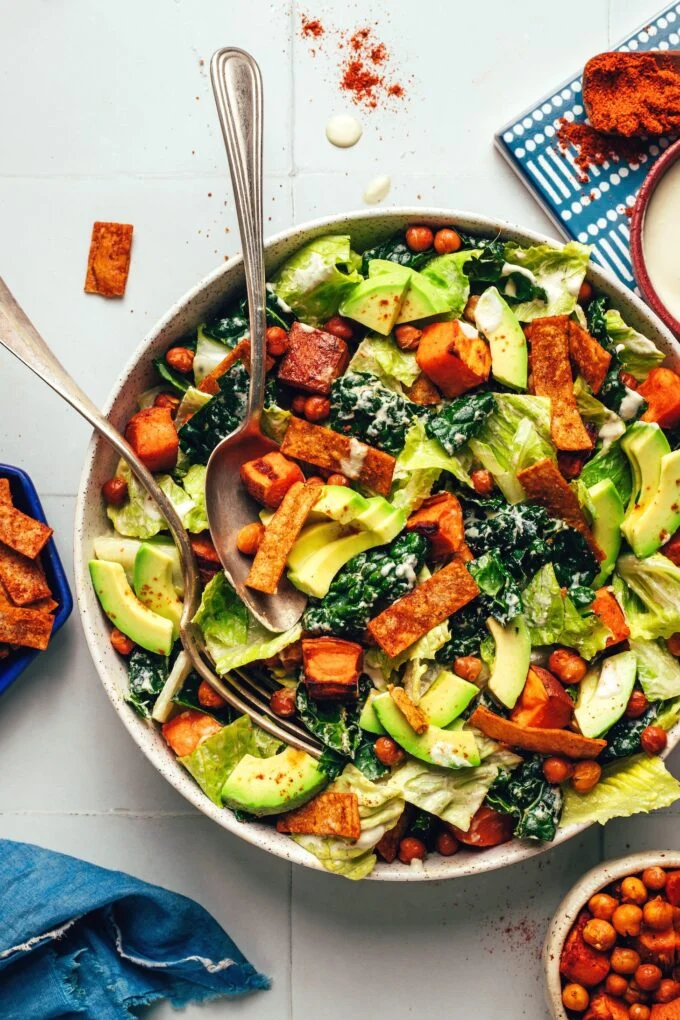

The contemporary culinary landscape is witnessing a significant shift toward plant-based alternatives that prioritize both speed and nutritional density, as exemplified by the emergence of the Vegan Sweet Potato Chickpea Taco Salad. This dish represents a departure from the traditional beef-laden taco salads of the late 20th century, offering a sophisticated blend of complex carbohydrates, plant proteins, and healthy fats. Designed for the modern consumer who demands high-quality meals within a 30-minute preparation window, the recipe utilizes roasting techniques and emulsified nut-based dressings to achieve a flavor profile that rivals conventional animal-based counterparts.

The Evolution of the Taco Salad: From Fast Food to Functional Food
The taco salad has undergone a dramatic transformation since its popularization in the United States during the 1960s and 70s. Originally characterized by seasoned ground beef, iceberg lettuce, and processed cheese served in a deep-fried flour tortilla bowl, the dish was often criticized for its high saturated fat and sodium content. In contrast, the Vegan Sweet Potato Chickpea Taco Salad aligns with the "functional food" movement, where ingredients are selected not only for satiety but for their specific health-promoting properties.
By replacing red meat with chickpeas and sweet potatoes, the dish addresses growing consumer concerns regarding heart health and environmental sustainability. According to recent market research, the global plant-based food market is expected to reach $77.8 billion by 2025, driven by a surge in "flexitarian" diets. This recipe caters to that demographic by providing a "smoky" and "savory" experience through the use of smoked paprika and chili powder, mimicking the flavor notes typically associated with grilled meats.

Chronology of Preparation: The 30-Minute Efficiency Model
Achieving a gourmet-level plant-based meal in 30 minutes requires a structured approach to kitchen management and multitasking. The process is divided into three distinct phases that occur simultaneously to maximize efficiency.
Phase I: Thermal Processing (0–25 Minutes)
The foundational elements of the salad—cubed sweet potatoes and rinsed chickpeas—are tossed in avocado oil, a fat chosen for its high smoke point and monounsaturated fat content. The application of a dry rub consisting of chili powder, smoked paprika, and sea salt serves a dual purpose: it provides a robust flavor base and aids in the caramelization process. The mixture is roasted at high heat, facilitating the Maillard reaction, which transforms the sugars in the sweet potato and the proteins in the chickpeas into a complex, savory crust.

Phase II: The Emulsion and Green Preparation (5–15 Minutes)
While the roasting occurs, the "Jalapeño Cashew Dressing" is prepared. This component is a technological pivot in vegan cooking, utilizing soaked or high-speed blended cashews as a replacement for heavy cream or mayonnaise. The addition of nutritional yeast provides a "cheesy" flavor profile (umami), while miso paste adds fermented depth. The jalapeño and lime juice introduce acidity and capsaicin, which act as flavor enhancers. Concurrently, a blend of kale and romaine is prepared; the kale provides structural integrity and a high micronutrient profile, while the romaine contributes the "crunch" essential to the taco salad experience.
Phase III: Assembly and Texture Integration (25–30 Minutes)
The final five minutes involve the integration of temperatures and textures. The warm roasted vegetables are layered over the cold greens, and the creamy dressing is applied. The inclusion of crumbled tortilla chips provides the final auditory and tactile "crunch" that is a hallmark of the taco salad genre.

Nutritional Profile and Data Analysis
The Vegan Sweet Potato Chickpea Taco Salad is not merely a caloric substitute for traditional meals but a nutrient-dense alternative. Based on a standard four-serving yield, the nutritional breakdown is as follows:
- Calories: 442 kcal
- Protein: 12.6g (primarily from chickpeas and cashews)
- Fiber: 11.9g (47% of the Daily Value)
- Vitamin A: 4020 IU (significantly contributed by the sweet potatoes)
- Healthy Fats: 19.4g (monounsaturated fats from avocado oil and cashews)
The high fiber content is particularly noteworthy. Most modern diets are deficient in dietary fiber, which is essential for microbiome health and blood sugar regulation. The use of sweet potatoes—a low-glycemic index carbohydrate—ensures sustained energy release, preventing the "insulin spike" often associated with salads that use white rice or sugary dressings.

The Science of Flavor: Umami in Vegan Gastronomy
One of the primary challenges in plant-based recipe development is replicating the "umami" or savory fifth taste naturally found in meats. This recipe solves this through a multi-layered approach:
- Smoked Paprika: Provides a "charred" aroma that tricks the palate into sensing grilled meat.
- Nutritional Yeast: A deactivated yeast rich in B-vitamins that offers a nutty, saline, and cheesy flavor.
- Miso Paste: A fermented soy product that introduces deep, savory notes through proteolysis (the breakdown of proteins into amino acids during fermentation).
- Dijon Mustard: Adds a sharp, vinegar-based tang that cuts through the fat of the cashew base, balancing the overall palate.
Broader Impact and Implications for Public Health
The rise of accessible, 30-minute vegan recipes like the Sweet Potato Chickpea Taco Salad has broader implications for public health and environmental policy. As healthcare systems grapple with the rise of non-communicable diseases such as Type 2 diabetes and obesity, dietary interventions that emphasize whole-plant foods are becoming central to preventative medicine.

Furthermore, the environmental footprint of this dish is significantly lower than its traditional counterpart. Chickpea production requires approximately 1/10th of the water needed for an equivalent amount of beef protein. By normalizing these meals through popular digital platforms like the Minimalist Baker, the barrier to entry for sustainable eating is lowered for the general population.
Market Trends and Consumer Reception
Industry analysts note that "bowl-style" meals have become the dominant format for healthy fast-casual dining. The Vegan Sweet Potato Chickpea Taco Salad fits perfectly into this trend, offering a customizable "base-protein-topping" structure. Statements from food trend analysts suggest that the "deconstructed taco" is more than a fad; it is a response to a consumer desire for transparency in ingredients. When a consumer prepares this salad, they are interacting with whole foods—roots, legumes, and leaves—rather than processed "meat analogues" which can often contain high levels of sodium and methylcellulose.

The reception of such recipes on social media platforms also indicates a shift in culinary values. Users frequently cite "ease of preparation" and "vibrancy of color" as key motivators for trying these dishes. The aesthetic appeal of the orange sweet potatoes against the deep green kale and white cashew dressing makes the dish highly "shareable," further driving the cultural shift toward plant-based lifestyles.
Conclusion: The Future of the Weeknight Dinner
The Vegan Sweet Potato Chickpea Taco Salad stands as a testament to the fact that nutritional density and culinary excellence are not mutually exclusive with time constraints. By leveraging modern kitchen appliances (like high-speed blenders) and traditional roasting techniques, this dish provides a blueprint for the future of home cooking. It moves beyond the "sacrifice" narrative of veganism, offering instead a meal that is celebrated for its inherent flavor, texture, and restorative properties. As we move further into a decade defined by climate consciousness and health awareness, the adoption of such versatile, plant-forward recipes is likely to become the standard rather than the exception in households worldwide.