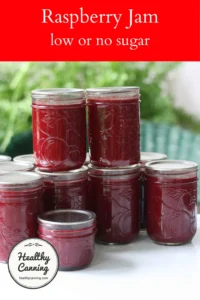

The utilization of surplus home-canned goods has emerged as a focal point for domestic efficiency, as culinary experts highlight the versatility of lingering preserves in creating efficient, cost-effective desserts. Home canning, a practice that saw a significant resurgence during the global supply chain disruptions of the early 2020s, often results in a "pantry glut"—a phenomenon where a windfall of seasonal fruit leads to an excess of specific jam varieties. As these jars age on pantry shelves, often bypassed during the morning breakfast routine, they represent both a culinary asset and a potential source of food waste. The transformation of these preserves into a structured dessert, such as a jam crumble, offers a strategic method for household inventory management while providing a high-quality gastronomic output.
Technical Specifications and Procedural Overview
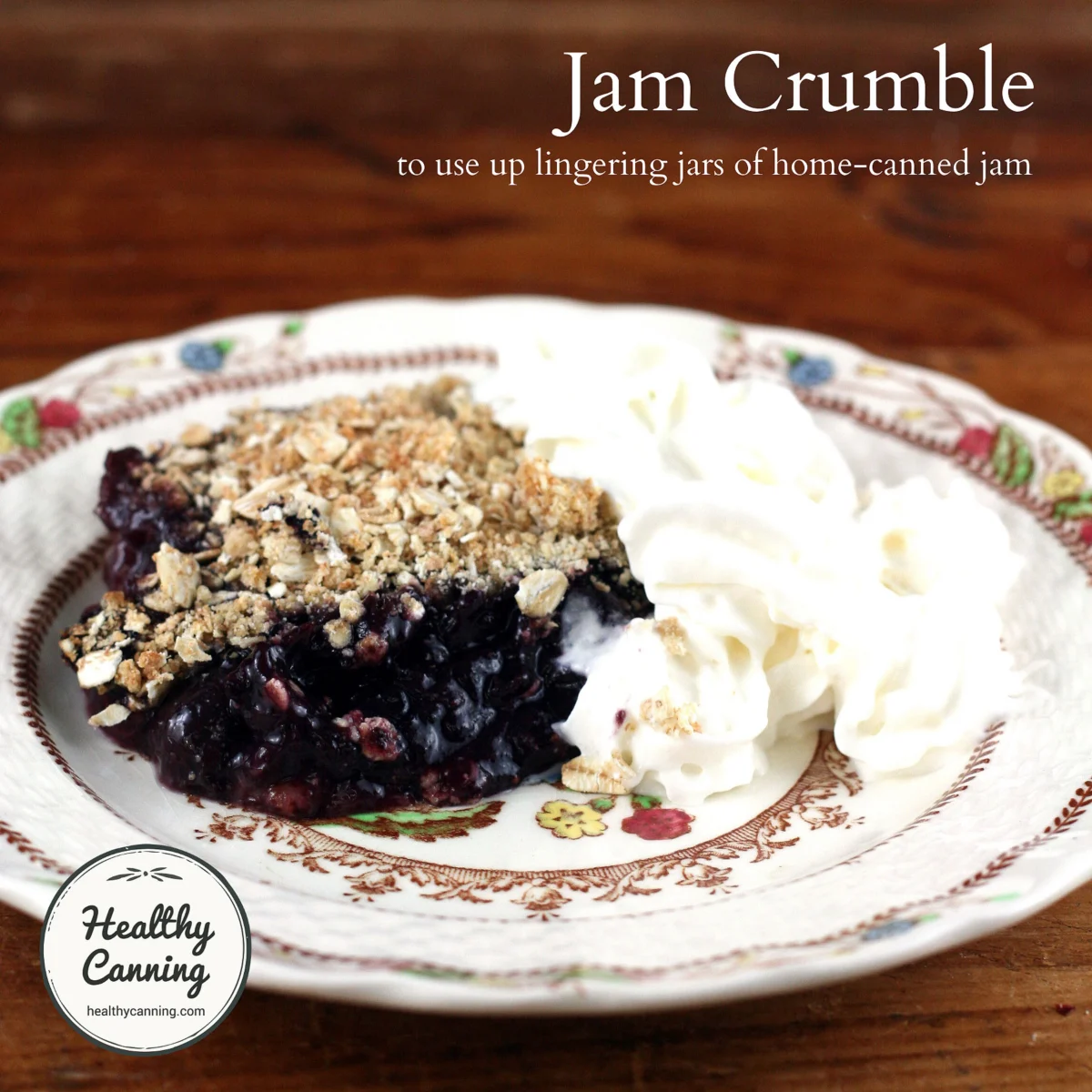
The conversion of shelf-stable preserves into a baked dessert is governed by specific thermal requirements and ingredient ratios designed to balance the high sugar content of the fruit base with the textural contrast of a grain-based topping. According to standardized culinary protocols, a jam crumble requires a consistent oven temperature of 175°C (350°F). This moderate heat ensures that the pectin-heavy preserve reaches a bubbling state without scorching the sugars, while simultaneously allowing the crumble topping to achieve a golden-brown, crisp texture.

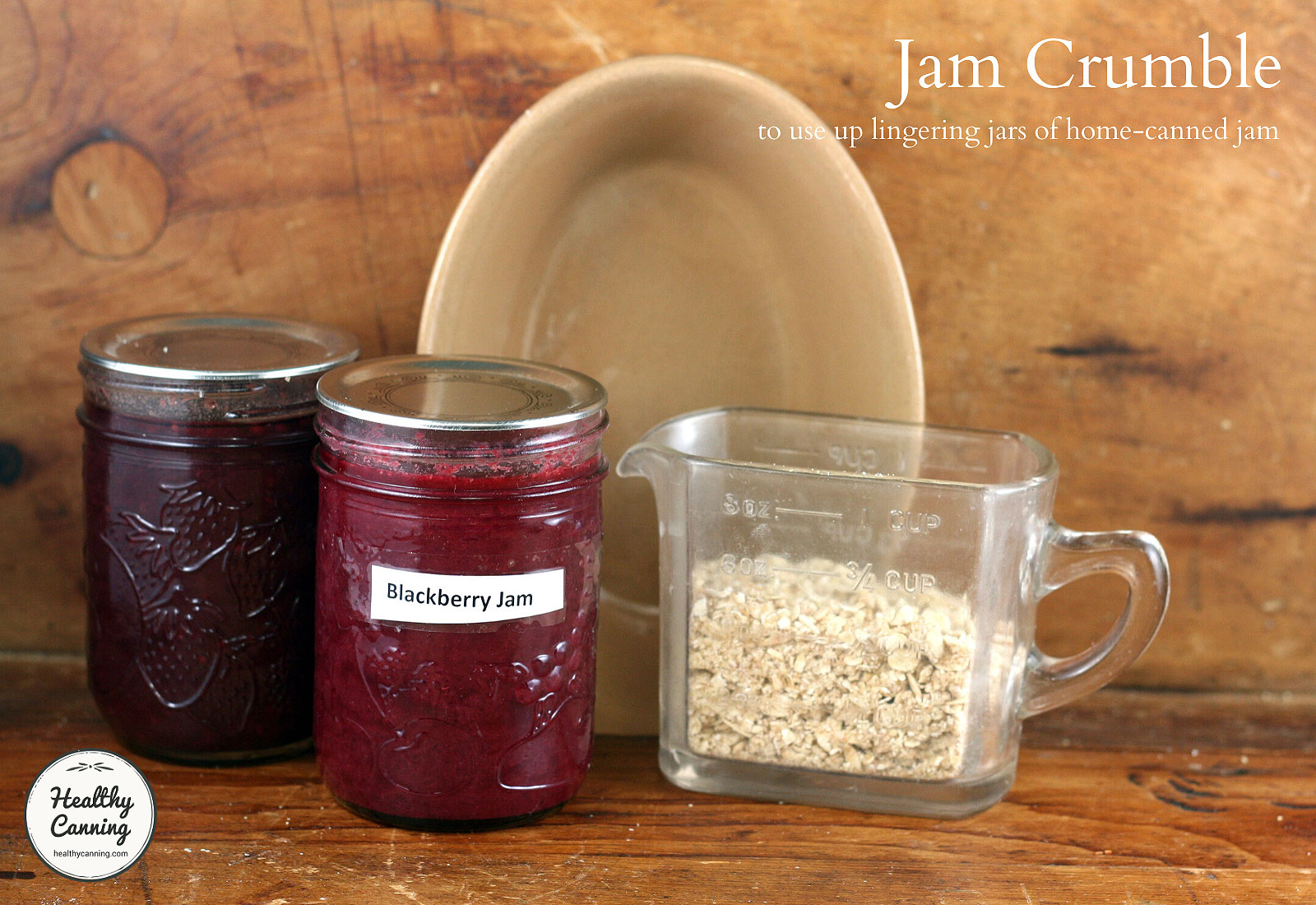
The yield for a standard small-batch preparation is approximately two cups, which typically serves six individuals. The procedure is notably efficient, requiring only ten minutes of active preparation time followed by a thirty-five-minute baking duration. The flexibility of the recipe allows for the use of various jar sizes; while two 250 ml (half-pint) jars are standard, a single 500 ml (one pint) jar serves as a direct substitute. This adaptability is critical for home preservers who may have processed their fruit in varying container volumes based on the specific harvest yields of previous seasons.
The Chronology of Pantry Management and Fruit Surplus
The lifecycle of a jam crumble begins long before the oven is preheated, rooted in the seasonal cycles of agriculture and home preservation. Understanding the chronology of this process provides context for why such recipes are essential for the modern sustainable kitchen.
- The Harvest and Preservation Phase: During peak growing seasons, home gardeners and local foragers often experience a "windfall"—a period where fruit ripens faster than it can be consumed fresh. To prevent loss, these individuals engage in water-bath canning, transforming perishable berries, stone fruits, and pomes into shelf-stable jams.
- The Accumulation Phase: Over the subsequent six to twelve months, these jars are stored. While many are consumed, certain flavors may fall out of favor, or the sheer volume of production may exceed the household’s rate of consumption.
- The Stagnation Phase: Jars begin to "gather dust," occupying valuable real estate in the pantry. While commercially or properly home-canned jams have a long shelf life, their color and texture can degrade over time due to light exposure or temperature fluctuations, making them less appealing for raw consumption on toast.
- The Repurposing Phase: The identification of surplus stock triggers the "crumble" solution. By applying heat and adding a textural element, the jam is effectively "re-cooked," revitalizing the flavor profile and integrating it into a warm, sophisticated dessert.
Supporting Data: Food Waste and Economic Impact
The move toward utilizing existing pantry stock aligns with broader economic and environmental data regarding food waste. Statistics from the Food and Agriculture Organization (FAO) and various national waste reduction agencies indicate that a significant percentage of household food waste consists of processed items that were forgotten or deemed "past their prime."
In a domestic setting, the economic value of a jar of home-made jam includes the cost of the fruit, the sugar, the lids, and the energy used during the canning process. Discarding a 500 ml jar of preserve represents a loss of not just the ingredients, but the labor involved in the preservation. By converting two jars of jam into a crumble, a household can produce a six-serving dessert for a fraction of the cost of store-bought alternatives.
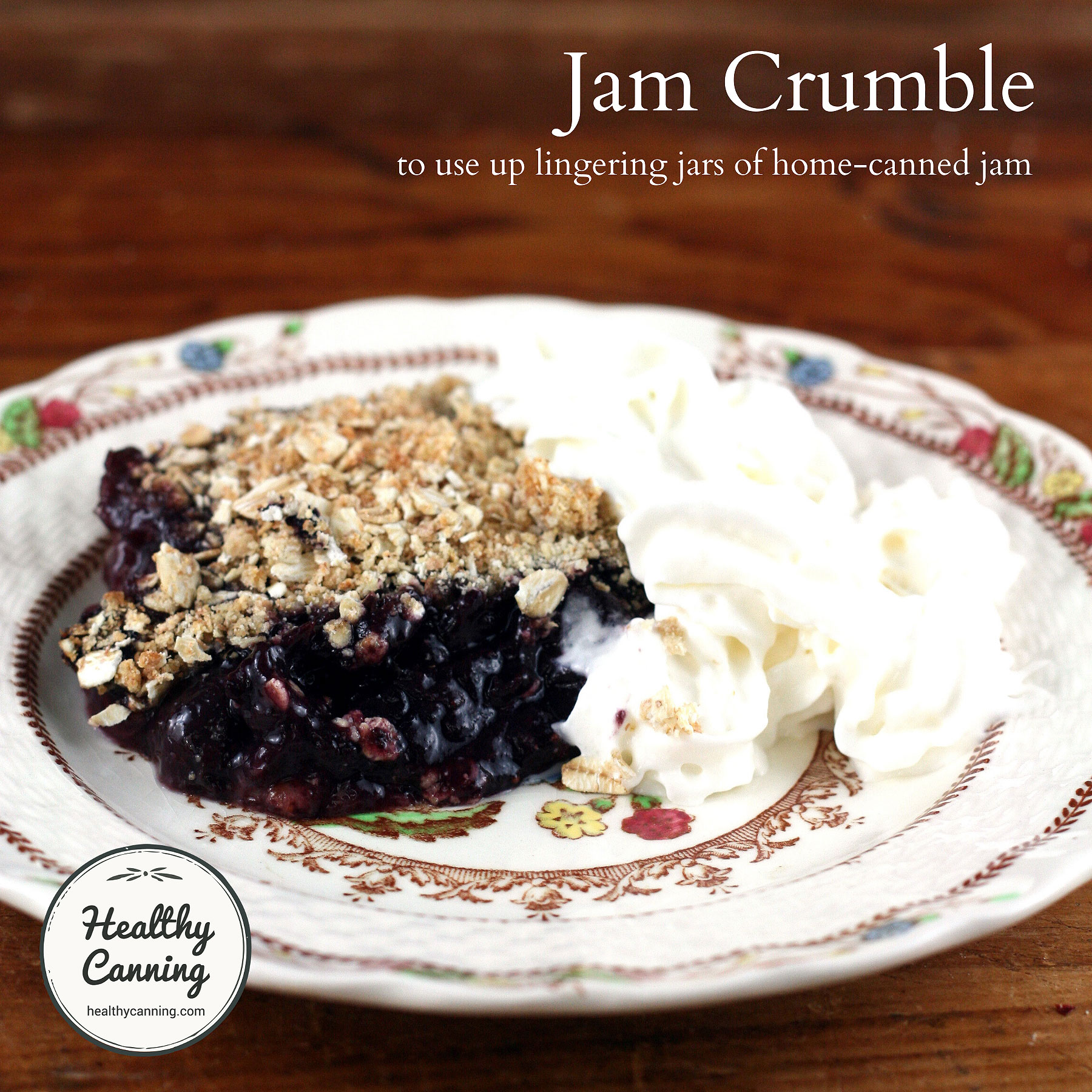
Furthermore, the "crumble" method allows for the integration of secondary pantry staples. The topping can be constructed using oatmeal pancake mix or a traditional blend of half a cup of oats, two tablespoons of flour, one tablespoon of sugar, and a pinch of salt, bound together with two tablespoons of butter. This use of "bottom-of-the-bag" dry goods further enhances the economic efficiency of the dish.
Culinary Analysis of Flavor Layering and Texture
From a gastronomic perspective, the jam crumble is more than a convenience food; it is a study in flavor density. Culinary professionals suggest that the most successful iterations of this dish involve the "layering" of different jam varieties. For instance, a base layer of tart plum jam topped with a secondary layer of sweet raspberry jam creates a complex acidity-to-sugar ratio that is often superior to single-fruit desserts.
The role of the crumble topping is to provide a structural and sensory counterpoint to the viscous jam. The inclusion of oats introduces a nutty, toasted flavor and a chewy texture that persists even after the jam has bubbled and released its moisture. Experts also recommend the addition of aromatic spices—such as nutmeg or cinnamon—and additional sweeteners or fats depending on the initial sugar content of the preserves used. This customization allows the cook to calibrate the dessert to the specific needs of the jam, which may vary in sweetness depending on the pectin levels and the ripeness of the fruit at the time of canning.
Official Responses and Expert Recommendations
Master Food Preservers and home economics experts have long advocated for the creative "rotation" of food stocks. In official guidance provided by university extension programs across North America, the "First In, First Out" (FIFO) method is cited as the gold standard for pantry management. However, when FIFO fails and a surplus develops, the use of preserves in baking is the recommended secondary strategy.
Representatives from food safety organizations emphasize that while high-sugar preserves are resistant to many forms of spoilage, they are not immortal. Utilizing them in baked goods at the one-year mark ensures that the quality remains high. Furthermore, for those monitoring caloric or glycemic intake, the jam crumble concept is highly adaptable. The use of low-sugar or sugar-free jams allows for the creation of "Weight Watchers™ friendly" desserts without sacrificing the satisfaction of a warm, fruit-based treat.
Broader Impact on Sustainable Living and Future Trends
The practice of transforming surplus preserves into crumbles is indicative of a larger shift toward "circular" culinary habits. As consumers become more conscious of their environmental footprint, the ability to "shop from the pantry" is becoming a valued skill. This trend is expected to grow as inflation affects the cost of fresh produce and pre-packaged baked goods.
The Jam Crumble represents a convergence of traditional preservation wisdom and modern efficiency. By providing a template rather than a rigid recipe, it empowers the home cook to act as an inventory manager, a chef, and a conservationist simultaneously. The ability to triple or quadruple the crumble topping and store it in a freezer for future use further streamlines the process, making the "near-instant" dessert a reality for busy households.
In conclusion, the jam crumble serves as a practical solution to the common dilemma of the overstocked pantry. Through the application of basic baking principles and a strategic approach to food rotation, home-canned preserves are elevated from forgotten jars into the centerpiece of the evening meal. This methodology not only honors the labor of the harvest but also reinforces the principles of sustainability and fiscal responsibility in the modern kitchen.