
The Mediterranean Diet is celebrated for its emphasis on fresh, wholesome ingredients, a culinary philosophy rooted in the traditional eating patterns of countries bordering the Mediterranean Sea. This approach prioritizes an abundance of vegetables, fruits, whole grains, beans, legumes, nuts, seeds, fish, herbs, and the cornerstone of its healthy fat profile, extra-virgin olive oil. Far from being a restrictive regimen, it’s widely regarded as one of the most beneficial eating patterns for overall health due to its focus on real, unprocessed foods and its inherent flexibility. This makes it an ideal candidate for meal preparation, allowing individuals to efficiently prepare foundational components like grains, roasted vegetables, proteins, and flavorful sauces to be assembled into diverse meals throughout the week.
More than just a diet, the Mediterranean way of eating is a lifestyle. It champions plant-based meals, incorporates heart-healthy fats such as olive oil, features fish and seafood regularly, includes moderate amounts of poultry, eggs, and dairy, and suggests limited consumption of red meat and sweets. This balanced approach has garnered significant attention from the scientific community. Extensive studies have indicated that adherence to the Mediterranean diet can substantially reduce the risk of developing chronic conditions including type 2 diabetes, high cholesterol, dementia, memory loss, depression, and certain types of cancer, such as breast cancer. Beyond disease prevention, this eating style is also associated with improved bone density, enhanced cardiovascular health, and potentially a longer lifespan.
Key Components of the Mediterranean Diet: A Framework for Healthy Eating
The foundational principles of the Mediterranean diet, as outlined by reputable health organizations like the Mayo Clinic, generally emphasize the following dietary pillars:
- Abundant Fruits and Vegetables: These form the vibrant base of most meals, providing essential vitamins, minerals, fiber, and antioxidants.
- Whole Grains: Opting for unprocessed grains like barley, oats, brown rice, and quinoa contributes to sustained energy release and digestive health.
- Legumes and Beans: Lentils, chickpeas, and various beans are excellent sources of plant-based protein and fiber, crucial for satiety and metabolic health.
- Nuts and Seeds: These provide healthy fats, protein, and micronutrients, contributing to heart health and offering a satisfying crunch.
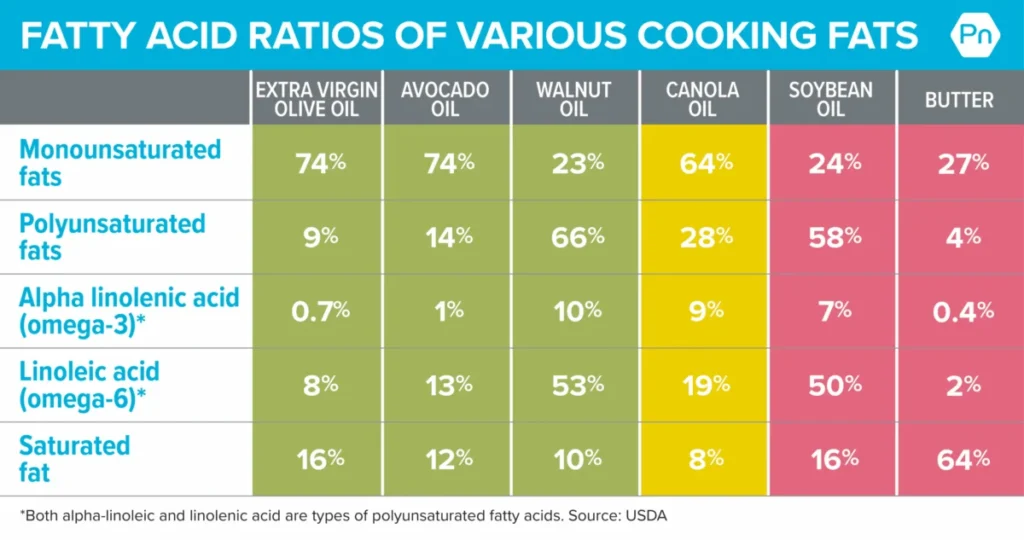
- Olive Oil as the Primary Fat Source: Extra-virgin olive oil is a monounsaturated fat rich in antioxidants and anti-inflammatory compounds, making it a cornerstone of the diet.
- Fish and Seafood: Consuming fatty fish like salmon, mackerel, and sardines at least twice a week ensures intake of omega-3 fatty acids, vital for brain and heart health.
- Moderate Poultry and Dairy: Chicken, turkey, yogurt, and cheese are consumed in moderation, providing protein and calcium.
- Limited Red Meat: Red meat is typically reserved for occasional consumption, aligning with recommendations to reduce saturated fat intake.
- Herbs and Spices: These are used generously to flavor dishes, reducing the need for excessive salt and offering their own health benefits.
- Water as the Primary Beverage: Staying hydrated with water is fundamental, with moderate consumption of red wine also often associated with the lifestyle.
This emphasis on fresh, nutrient-dense foods makes Mediterranean-style meal prep particularly appealing. Meals are often visually appealing, inherently satisfying, and easily constructed around versatile staples such as quinoa, couscous, farro, a variety of roasted vegetables, protein-rich chickpeas, lean proteins like salmon and chicken, and flavorful dressings and sauces often based on Greek yogurt or olive oil.
The Significance of Extra-Virgin Olive Oil
Within the context of Mediterranean diet recipes, the consistent recommendation is to utilize extra-virgin olive oil whenever possible. Its distinct flavor profile perfectly complements the culinary traditions of the region and positions it as a signature ingredient of this health-conscious eating style. While some individuals may opt for more neutral oils for high-heat cooking methods, extra-virgin olive oil remains the most authentic and traditional choice for preparing Mediterranean-inspired dishes. Its rich monounsaturated fat content and potent antioxidant properties make it a superior choice for both flavor and health benefits.
Embracing the Mediterranean Lifestyle Through Meal Prep: A Culinary Collection
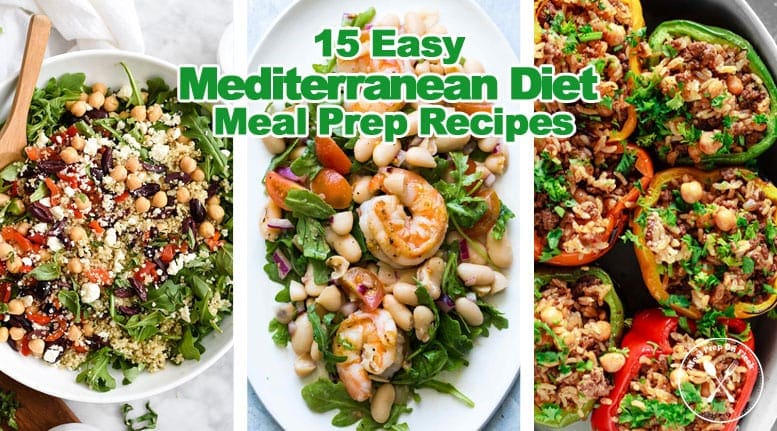
The practicality and health benefits of the Mediterranean diet are readily accessible through effective meal preparation. The following curated list presents 15 easy and delicious Mediterranean Diet meal prep recipes, designed to simplify healthy eating throughout the week:
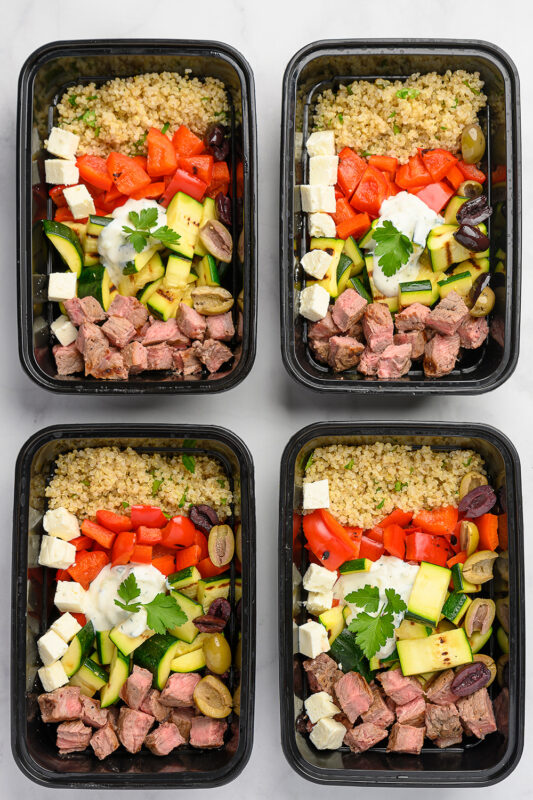
Mediterranean Style Meal Prep Bowls
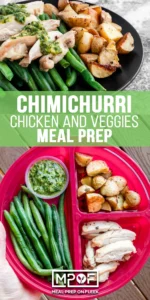
These versatile bowls serve as a fantastic foundation for weekly meal prep. Components can include a base of quinoa or farro, roasted vegetables such as bell peppers, zucchini, and red onion, a protein source like grilled chicken or chickpeas, and a lemon-herb vinaigrette. The ability to mix and match these elements ensures variety and prevents mealtime monotony.
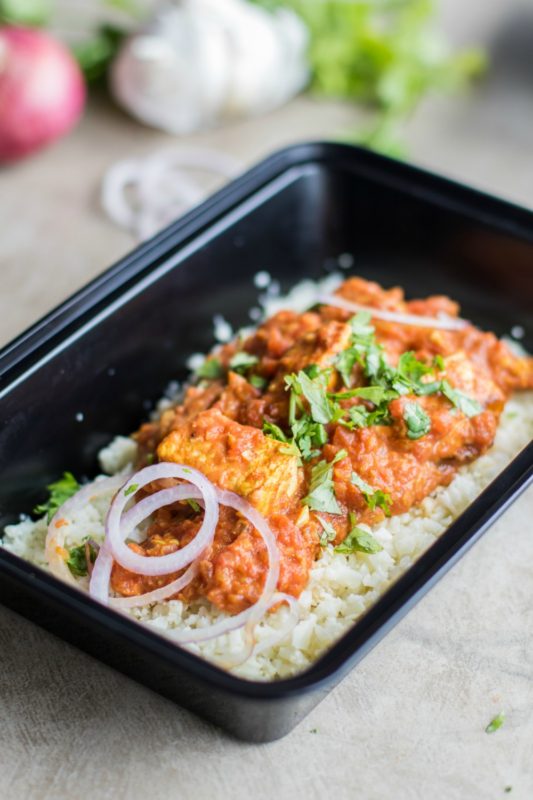
Tofu Tikka Masala (Vegan Adaptation)
While traditionally Indian, a vegan Tofu Tikka Masala can be adapted to fit a Mediterranean-inspired meal prep by focusing on vibrant vegetables and plant-based protein. Preparing the tofu and sauce ahead of time allows for quick assembly with a side of whole-grain rice or couscous. This dish offers a flavorful and satisfying plant-forward option.
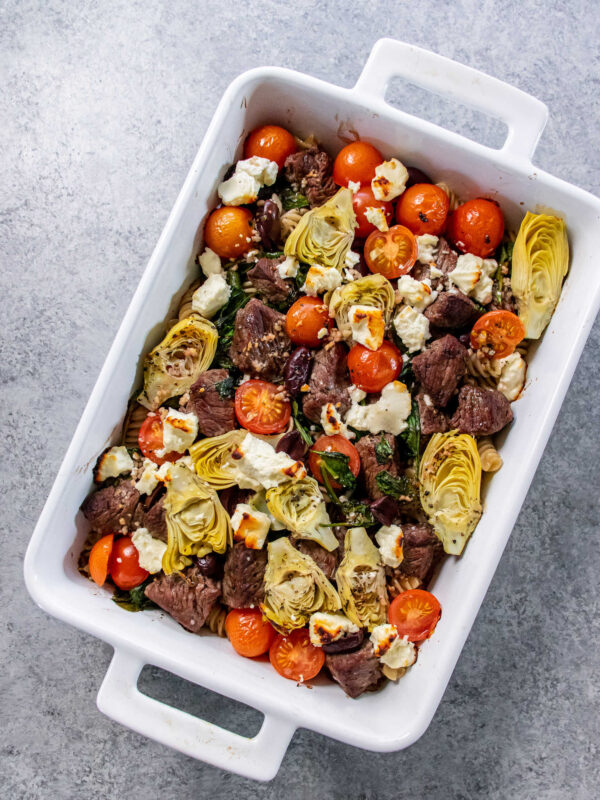
Mediterranean Pasta Bake
A hearty and comforting option, a Mediterranean pasta bake can be prepped in a large batch. Utilizing whole-wheat pasta, a robust tomato sauce loaded with vegetables like spinach, olives, and artichoke hearts, and a sprinkle of feta cheese creates a flavorful and filling meal. Baking it in advance and portioning it out makes for easy reheating.
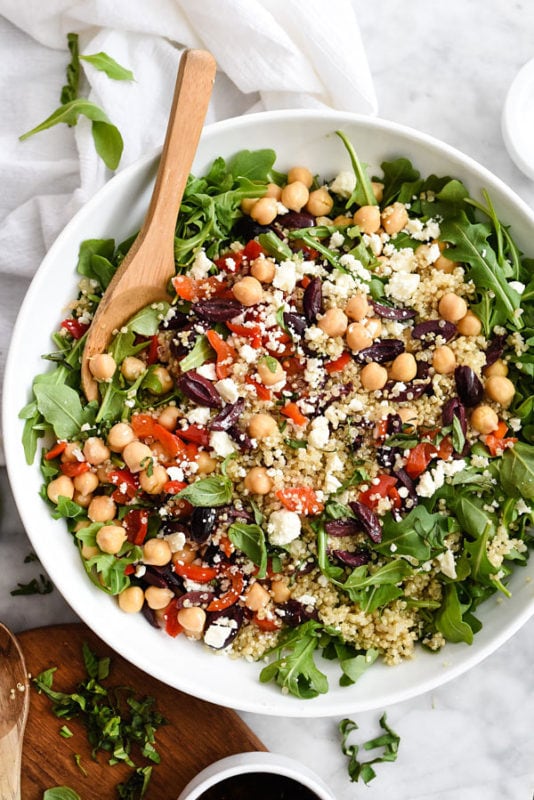
Mediterranean Quinoa Salad
This vibrant salad is a meal prep powerhouse. Combining fluffy quinoa with chopped cucumbers, tomatoes, bell peppers, red onion, Kalamata olives, and a zesty lemon-oregano dressing provides a refreshing and nutrient-dense option. Adding grilled chicken or canned tuna can elevate it to a more substantial meal.
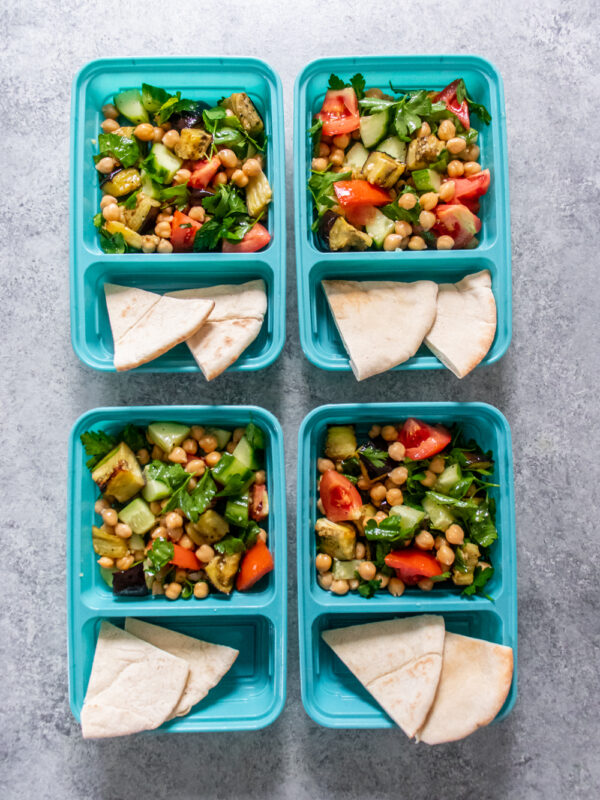
Mediterranean Roasted Eggplant Salad
Roasted eggplant, with its creamy texture and smoky flavor, is a star ingredient in this salad. Combined with chickpeas, cherry tomatoes, parsley, mint, and a tahini-lemon dressing, it offers a delightful textural and flavor contrast. This salad holds up well in the refrigerator, making it ideal for make-ahead lunches.
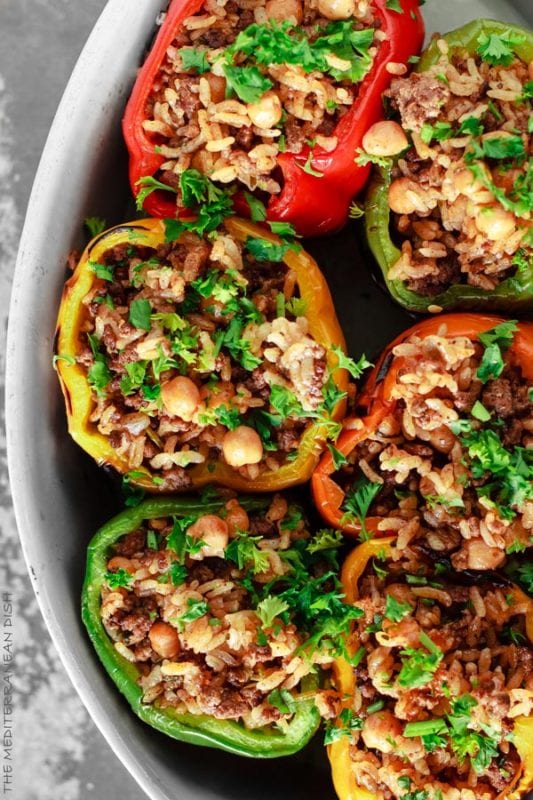
Mediterranean Stuffed Bell Peppers
Bell peppers, whether red, yellow, or orange, provide a colorful and edible vessel for a flavorful stuffing. A traditional Mediterranean filling might include ground lamb or turkey (or lentils for a vegetarian option), rice or bulgur, diced tomatoes, onions, herbs like parsley and mint, and spices. These can be baked ahead of time and reheated.
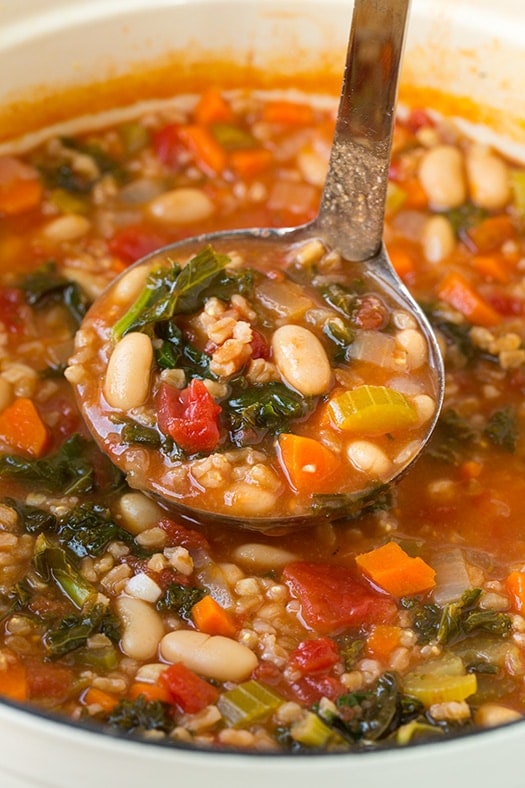
Mediterranean Kale, Cannellini & Farro Stew
This hearty and nutritious stew is perfect for colder weather or when a comforting meal is desired. The combination of nutrient-rich kale, protein-packed cannellini beans, and chewy farro creates a filling and satisfying dish. Prepping this stew in a large pot and portioning it out ensures a wholesome meal is always on hand.
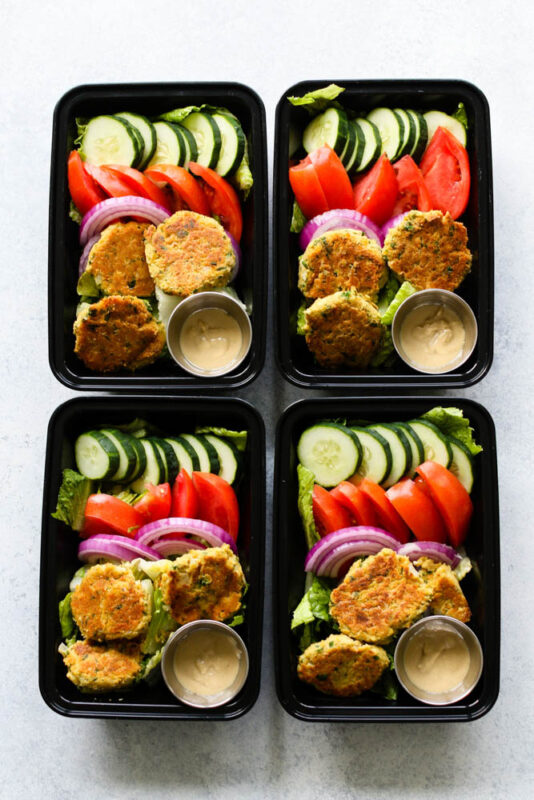
Super Easy Falafel Meal Prep
Falafel, made from ground chickpeas, herbs, and spices, is a classic Mediterranean delight. Preparing a batch of falafel balls ahead of time and pairing them with a simple salad, hummus, and a whole-wheat pita makes for a delicious and customizable meal prep. The key is to bake or pan-fry the falafel after prepping to maintain their crispness.
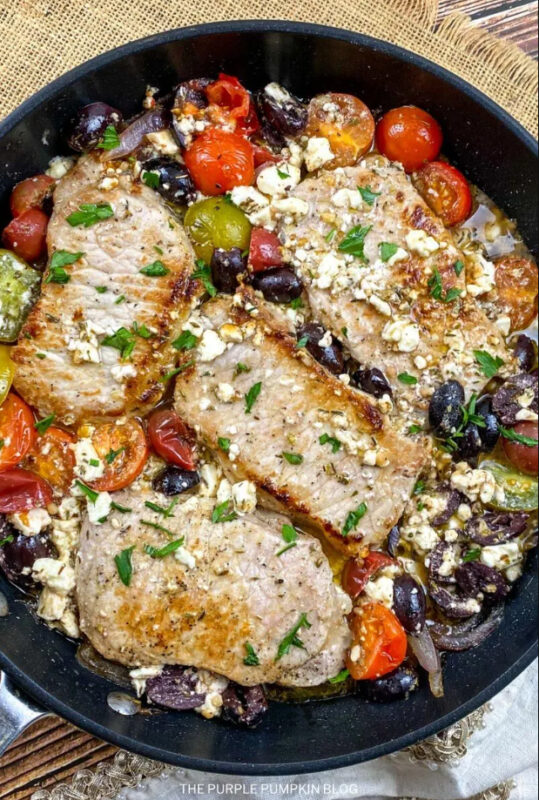
Flavorful One-Pan Mediterranean Pork Chops
For those seeking a quick and convenient protein option, one-pan meals are invaluable. Mediterranean-style pork chops, seasoned with herbs and spices and baked alongside vegetables like bell peppers, onions, and cherry tomatoes, offer a complete and flavorful meal with minimal cleanup. The pork can be cooked and then portioned with the roasted vegetables.
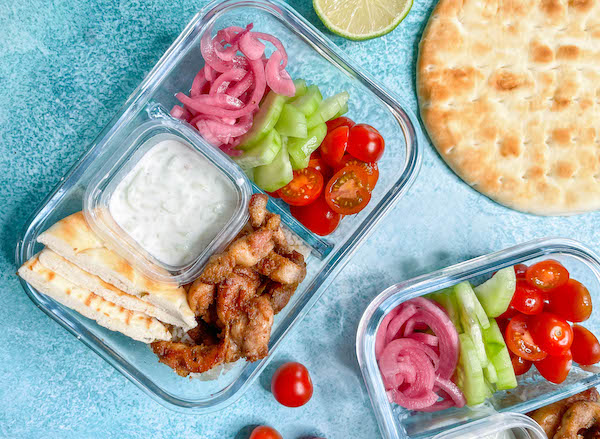
Mediterranean Chicken Shawarma Bowls
Inspired by the popular Middle Eastern street food, these bowls feature tender chicken marinated in shawarma spices, served over a bed of fluffy rice or couscous. Toppings can include fresh cucumber, tomato, red onion, a dollop of tzatziki or tahini sauce, and a sprinkle of fresh parsley. Prepping the chicken and rice allows for quick assembly.
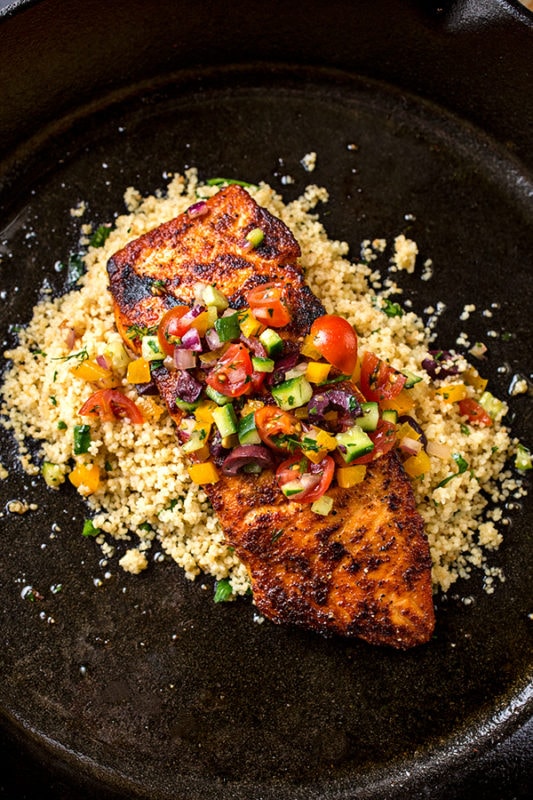
Pan Seared Salmon
Salmon is a nutritional powerhouse, rich in omega-3 fatty acids. Pan-searing salmon fillets and pairing them with roasted vegetables like asparagus or broccoli and a side of lemon wedges creates a simple yet elegant meal. The salmon can be cooked and chilled, then gently reheated or enjoyed cold.
Mediterranean Pork Tenderloin & Couscous in the Slow Cooker
Slow cooker meals are a lifesaver for busy individuals. A Mediterranean pork tenderloin, slow-cooked with herbs, garlic, tomatoes, and olives, becomes incredibly tender and flavorful. Serving it alongside pre-portioned couscous makes for a complete and effortless meal prep.
One Pan Baked Cod & Veggies
Similar to the pork chops, this one-pan dish simplifies healthy eating. Cod fillets, known for their flaky texture and mild flavor, are baked with a medley of Mediterranean vegetables such as zucchini, cherry tomatoes, bell peppers, and seasoned with lemon and herbs. This creates a light, healthy, and easily portioned meal.
Mediterranean Quinoa Bowls with Roasted Red Pepper Sauce
These quinoa bowls offer a vibrant and flavorful experience. The base of quinoa is complemented by fresh vegetables, a protein source like grilled halloumi or chickpeas, and a luscious roasted red pepper sauce. The sauce can be made in advance and stored separately, adding a burst of flavor when assembled.
Sweet Potato Wedges with Tahini
While often a side dish, sweet potato wedges can be a substantial component of a meal prep. Baked until tender and slightly crispy, and then drizzled with a creamy tahini sauce, they offer a healthy carbohydrate source with a rich, nutty flavor. These can be paired with a protein and a fresh salad for a balanced meal.
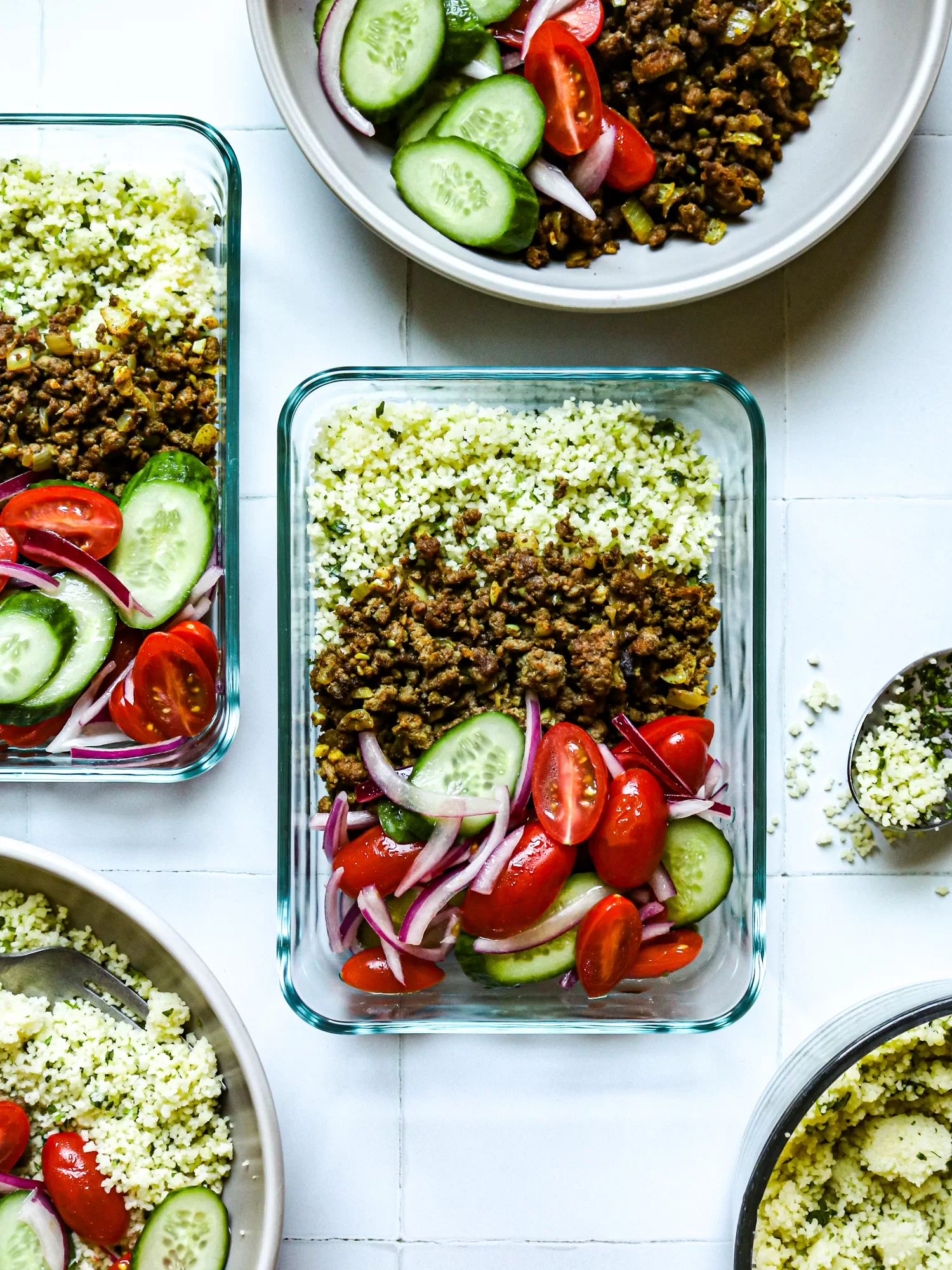
Shawarma-Spiced Beef and Couscous
This hearty and aromatic dish combines tender beef marinated in shawarma spices with fluffy couscous. The rich flavors of the beef, enhanced by spices like cumin, coriander, and paprika, pair beautifully with the light texture of the couscous. Prepping both components in advance allows for a satisfying and flavorful meal.
Broader Implications and Future Trends
The enduring popularity of the Mediterranean Diet is a testament to its effectiveness and adaptability. As global health consciousness continues to rise, diets that emphasize whole, unprocessed foods and offer a sustainable lifestyle are increasingly sought after. Meal prepping, as exemplified by these recipes, further democratizes healthy eating, making it more accessible and convenient for individuals navigating demanding schedules. The trend towards incorporating more plant-based meals, as seen in adaptations like the Tofu Tikka Masala, also reflects a growing awareness of both personal and planetary health.
The data supporting the Mediterranean Diet’s health benefits is substantial and continues to grow. For instance, a meta-analysis published in the British Journal of Nutrition in 2020 reviewed over 50 studies and concluded that adherence to the Mediterranean diet was significantly associated with a reduced risk of all-cause mortality, cardiovascular disease, and cancer. Such findings reinforce the importance of adopting dietary patterns that prioritize nutrient-dense, minimally processed foods.
Looking ahead, it is probable that the principles of the Mediterranean Diet will continue to influence mainstream culinary trends. Innovations in meal preparation techniques, the development of new plant-based protein sources, and a greater understanding of the synergistic effects of various food groups will likely lead to even more diverse and accessible Mediterranean-inspired meal options. The focus on flavor, flexibility, and long-term health ensures that the Mediterranean Diet remains a cornerstone of healthy eating for years to come.