
The pervasive yet often-misunderstood transition of menopause frequently masquerades as other debilitating conditions, particularly depression, leaving millions of women misdiagnosed and without appropriate care. What many experience as a debilitating "brain fog," memory lapses, and profound mood shifts is, for a significant number, not a mental health disorder but a physiological response to fluctuating hormones, particularly during perimenopause and menopause. This critical distinction often goes unrecognized within the healthcare system, leading to prolonged suffering and an underestimation of menopause’s profound impact on women’s well-being.
The Enigmatic Onset of Cognitive Decline and Mood Shifts
For countless women in their late 40s and early 50s, the initial signs of menopause can manifest as a frustrating decline in cognitive function. Simple tasks, once effortless, become monumental challenges. Retrieving proper nouns – a restaurant name, a book title, or even a familiar face – can feel like searching through a mental "pile of garbage," as one woman described it. The information feels just out of reach, only to surface hours later, unsolicited and often too late to be useful. This isn’t merely the typical age-related forgetfulness, but a more pervasive "sludginess" that can cripple daily life and professional performance.
Beyond word retrieval issues, many report a profound sense of mental haze during the workday. Staring at a computer screen, the ability to focus, synthesize information, or produce constructive output evaporates. This "brain pooping out" often presents as a lack of mental clarity, making it difficult to sustain complex tasks for more than a few hours, typically in the morning. On the worst days, an unshakeable haze can render work, reading, or even basic engagement impossible.
Emotionally, the transition can be equally disruptive. A significant percentage of women, approximately 40% according to the American College of Obstetricians and Gynecologists (ACOG), report increased irritability, mood swings, anxiety, and fatigue during and after menopause. These symptoms, coupled with cognitive difficulties, can mimic clinical depression, leading to a common and often prolonged misdiagnosis. Women may find themselves inexplicably sobbing, feeling overwhelmed by normal sensory stimuli, or developing anxieties about previously innocuous situations.
The Medical Maze: Misdiagnosis and Frustration
The journey to understanding these symptoms is often fraught with frustration. Seeking medical advice for what feels like profound depression, fatigue, or an inability to function, many women are initially prescribed antidepressants. While some might offer minor relief, others report feeling "even worse" or like "zombies." Alternative interventions, such as sleeping pills, often leave individuals feeling more drugged rather than rested. Routine checks for thyroid function or anemia frequently come back normal, further deepening the mystery and the patient’s sense of helplessness. The market for "brain-boosting" supplements, mushroom coffees, and other purported cognitive enhancers also sees a surge in consumption by desperate individuals, often with little to no tangible benefit.
The turning point for many often arrives unexpectedly, during a routine gynecological exam. A mention of seemingly unrelated symptoms, such as vaginal dryness, can trigger a cascade of targeted questions from a knowledgeable gynecologist: "How is your sleep? Mood? Energy levels? Hot flashes? Brain fog?" This comprehensive inquiry can finally connect the dots, revealing that the "depression" or "fatigue" is, in fact, menopause. Prescriptions for menopausal hormone therapy (MHT), typically estradiol and progesterone, can bring about a dramatic reversal of symptoms, often within days. Cognitive clarity returns, work capacity is restored, conversations become followable, and, crucially, sleep improves significantly, often for the first time in years.
Understanding Menopause: A Physiological Transition
Menopause is not a disease or a medical condition but a natural biological stage in a woman’s life, akin to puberty. It marks the permanent cessation of menstruation, officially confirmed after 12 consecutive months without a period. The period leading up to menopause, known as perimenopause, can begin several years earlier, typically in a woman’s 40s. During this transition, the ovaries gradually produce fewer reproductive hormones, primarily estrogen and progesterone, leading to significant fluctuations before their eventual decline. It is these hormonal shifts that trigger a wide array of symptoms, affecting nearly every system in the body.
While weight gain and reduced sex drive are frequently discussed symptoms, the cognitive and emotional disturbances are often less recognized yet profoundly impactful. The drop in estrogen levels, in particular, is implicated. Estrogen receptors are abundant in various brain regions, including those involved in memory (hippocampus), mood (amygdala), and executive function (prefrontal cortex). The loss of estrogen can directly affect neurotransmitter systems, cerebral blood flow, and glucose metabolism in the brain, contributing to the "brain fog" and mood dysregulation experienced by many.
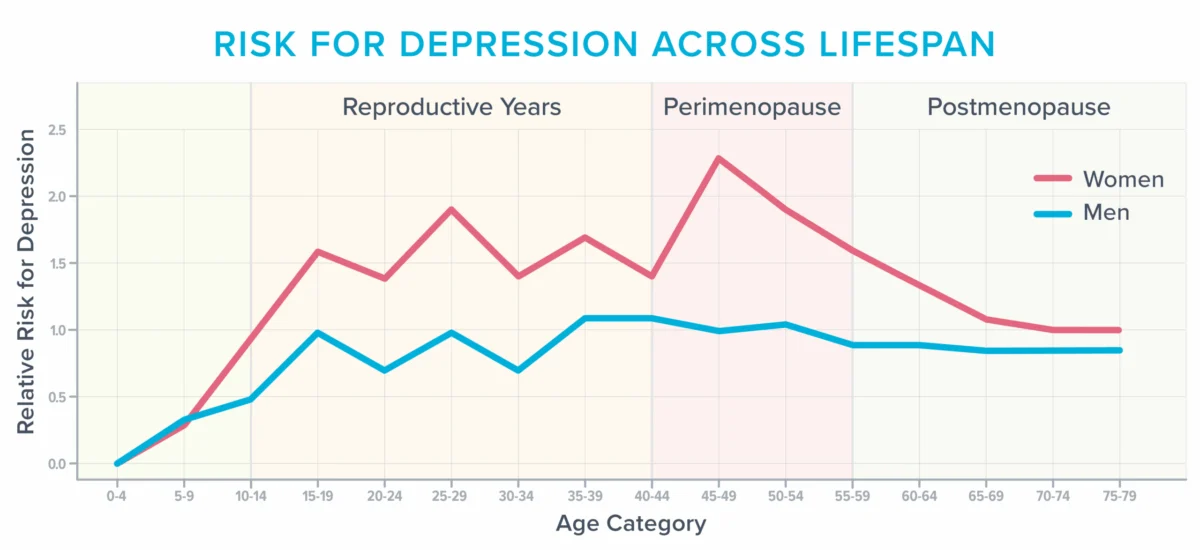
Furthermore, menopause coincides with a period of increased vulnerability to depression. Data illustrates that women’s risk of depression peaks around the perimenopausal years, a significantly higher risk compared to men across their lifespan. This vulnerability is especially pronounced in women with a prior history of depression, suggesting that hormonal fluctuations can unmask or exacerbate underlying predispositions.
The Interplay of Life Stressors and Hormonal Shifts
Beyond direct hormonal effects, the menopausal transition often converges with significant life stressors, further complicating the picture. Women in their 40s and 50s are frequently at the peak of their careers, shouldering immense professional responsibilities. Simultaneously, they may be navigating the complexities of parenting teenagers, caring for aging parents, adjusting to an "empty nest," evaluating long-term relationships, or managing significant financial burdens such as college tuition or medical bills. These stressors can independently siphon cognitive and emotional capacity, making it challenging to discern which symptoms stem from hormonal changes and which from external pressures.
Vasomotor Symptoms: More Than Just an Inconvenience
One of the most characteristic and often underestimated triggers for cognitive and emotional distress during menopause is the vasomotor symptom (VMS) – commonly known as hot flashes during the day and night sweats at night. For years, VMS were largely considered mere inconveniences or sources of embarrassment. However, a growing body of research now highlights their significant impact on brain health, leading many experts to reclassify them as a treatable medical condition.
The physiology of a hot flash involves a complex interplay of the brain’s thermoregulatory center (the hypothalamus) and the sympathetic nervous system. As estrogen levels fall, the hypothalamus, which acts as the body’s internal thermostat, becomes dysregulated. This can lead to an exaggerated response to minor temperature changes, causing the body to believe it is overheating. In response, norepinephrine and cortisol levels rise, blood vessels dilate (vasodilation) to shed heat, and heart rate and blood pressure increase. This cascade results in sensations of warmth, sweating, heart palpitations, and often feelings of anxiety, fatigue, or faintness.
The Direct Link Between Hot Flashes and Brain Health
Recent studies have unveiled a more alarming connection between frequent hot flashes and structural changes in the brain. One groundbreaking study, involving 226 women, utilized monitors to track hot flashes in conjunction with magnetic resonance imaging (MRI) of the brain. Researchers observed that women experiencing the most hot flashes exhibited a higher prevalence of "whole-brain white matter intensities"—patchy areas in the brain that were once considered a normal part of aging. Neuroscientists now understand these lesions to be predictive of future cognitive decline, doubling the risk of dementia diagnosis and tripling the likelihood of future stroke.

This increased presence of white matter intensities is thought to be partly due to changes in the blood vessels supplying the brain. A three-year study of 492 women corroborated this theory, finding that women with frequent hot flashes also experienced unhealthy vascular changes, such as impaired ability of blood vessels to dilate and accommodate increased blood flow. Other research has linked frequent hot flashes to increased carotid intima-media thickness (a marker of atherosclerosis), arterial stiffness, markers of inflammation, and oxidative stress – all factors detrimental to cardiovascular and cerebrovascular health. This suggests that the physiological surges accompanying VMS may repeatedly stress the delicate vascular network of the brain.
The Sleep Connection: A Silent Saboteur
Beyond direct vascular effects, frequent hot flashes and night sweats profoundly disrupt sleep, further impacting cognitive and emotional well-being. A critical aspect is that many women are unaware that VMS are the root cause of their sleep disturbances. They may attribute their awakenings to insomnia or sleep apnea, failing to recognize the subtle, non-sweaty nature of some night sweats. By the time a surge of cortisol and norepinephrine jolts them awake, the sensation of heat may have dissipated, leaving them to wonder why they are repeatedly waking for no apparent reason.
These frequent awakenings fragment sleep architecture, interfering with the brain’s crucial processes of memory consolidation, toxin metabolism (via the glymphatic system), and the storage of daily information. Chronic sleep deprivation also leads to lost connectivity in the hippocampus, a brain region vital for learning and memory. Simultaneously, the amygdala, the brain’s emotional center, becomes hyper-reactive, contributing to increased stress, anxiety, irritability, frustration, and even rage. These profound brain changes can manifest after just days or a week of disrupted sleep, underscoring the severe cumulative impact of years of VMS-induced sleep loss.
Systemic Hurdles: Why Help is Hard to Find
The difficulty in obtaining accurate diagnosis and treatment for menopause-related cognitive and emotional symptoms stems from several systemic issues within healthcare. One significant challenge lies in diagnostic tools. The Patient Health Questionnaire (PHQ-9) depression scale, widely used by healthcare professionals, contains several symptoms that directly overlap with menopause-related sleep deprivation: trouble sleeping, feeling tired or having little energy, changes in appetite, and trouble concentrating. Checking off just four of these nine items can lead to a depression diagnosis, even when the underlying cause is persistent, menopausal sleep disruption.
Adding to this diagnostic dilemma is a pervasive lack of menopause-specific training in medical education. Surveys reveal that 80% of medical residents admit to feeling "barely comfortable" discussing menopause. Furthermore, few residency programs, including those for obstetrics and gynecology, offer comprehensive training in this critical life stage. This deficit means many healthcare professionals lack the knowledge and confidence to inquire about hot flashes or sleep disturbances when women present with symptoms like fatigue, lack of motivation, and cognitive impairment.
Even when VMS are clearly linked to cognitive and emotional symptoms, many healthcare professionals remain hesitant to prescribe menopausal hormone therapy (MHT). This reluctance is often driven by "defensive medicine"—a practice where doctors prioritize avoiding potential lawsuits over optimal patient care. The fear stems from research conducted decades ago, particularly the Women’s Health Initiative (WHI) study, which initially linked certain types of hormones to a slightly increased risk of breast cancer and stroke.
Re-evaluating Menopausal Hormone Therapy (MHT)
The initial interpretations of the WHI study, published in the early 2000s, created a lasting public and medical perception that MHT was inherently dangerous. However, subsequent re-analyses and more recent research have provided a more nuanced understanding. The small increased risks identified in the WHI study appear to be highly dependent on factors such as the woman’s age, the dose and type of hormonal preparation, and the duration of hormone use.
Current consensus from major medical bodies, including ACOG and The Menopause Society (formerly NAMS), indicates that for women under 60 and within 10 years of their last menstrual period who experience moderate to severe menopausal symptoms, the benefits of MHT generally outweigh the risks. These benefits extend beyond symptom relief to include reduced risk of osteoporosis and, potentially, a reduced risk of developing Alzheimer’s disease. Dr. Jerrold H. Weinberg, a Michigan-based menopause-trained gynecologist, emphasizes that the health benefits for most women significantly outweigh the risks when MHT is appropriately prescribed.
Some healthcare professionals, in their practice of "defensive medicine," may opt for antidepressants, which can offer some relief for mood, sleep, and even hot flashes. While antidepressants have their own side effects, they are often perceived as a "safer bet" by clinicians wary of the perceived risks associated with MHT, despite MHT being the more direct and often more effective treatment for the root cause of menopausal symptoms.
Empowering Advocacy: Taking Charge of Your Health
Navigating the complexities of menopause requires proactive self-advocacy. Dr. Weinberg and Helen Kollias, PhD, a physiology and molecular biology expert and science advisor at Precision Nutrition and Girls Gone Strong, offer critical advice:
- Seek Menopause-Trained Professionals: Prioritize healthcare providers who explicitly list menopause as an area of focus or who are certified by The Menopause Society. Their directory (portal.menopause.org/NAMS/NAMS/Directory/Menopause-Practitioner.aspx) is an invaluable resource.
- Document Symptoms Meticulously: Keep a detailed log of symptoms, including their frequency, severity, and any potential triggers. Track sleep patterns, hot flashes (number, intensity, time of day), mood fluctuations, energy levels, and cognitive function. This objective data is crucial, especially when brain fog makes it difficult to articulate concerns during an appointment.
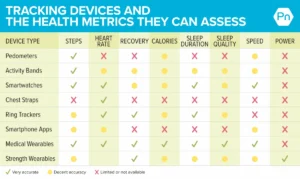
- Be Specific and Data-Driven: Vague statements like "I don’t sleep well" are less effective than precise descriptions, such as "During the past seven nights, I’ve had only one uninterrupted four-hour stretch of sleep. I wake, on average, five times per night, with my longest sleep segment being three hours." Utilize data from smartwatches or sleep apps to provide concrete evidence.
- Engage in Shared Decision-Making: Actively participate in discussions about treatment options, including their benefits and risks. Ask pointed questions like: "What are the specific risks of this treatment for me at my age and health status?" "What are the potential benefits?" "Are there alternative treatments, and what are their pros and cons?" This collaborative approach can help shift clinicians away from a defensive mindset and ensure treatment aligns with individual values and health goals.
Lifestyle Strategies for Mental and Emotional Well-being
Beyond medical interventions, a holistic approach incorporating lifestyle strategies can significantly support mental and emotional health during menopause. While there’s no magic bullet or specific "menopause diet" (beyond avoiding common triggers like caffeine, alcohol, and spicy foods for VMS), fundamental health habits become even more critical.
- Reinforce Foundational Health Strategies: Prioritize nutrition, regular physical activity, effective stress management, adequate sleep, social connectedness, and a sense of purpose. Evaluate current habits: Is sleep restorative? Is diet nutrient-dense? Is stress managed effectively? Are social connections meaningful? Identifying barriers and building support systems are crucial.
- Consider Creatine Supplementation: Research suggests 5-7 grams of creatine monohydrate daily may help blunt age- and hormone-related losses in muscle and bone mass, bolster mood and brain function, reduce mental fatigue, and even counter some negative effects of sleep deprivation.
- Optimize Light Exposure: Regular exposure to natural light, especially in the morning and late afternoon, helps regulate the body’s circadian rhythm, promoting alertness during the day and better sleep at night. Studies show morning outdoor light exposure leads to faster sleep onset, longer sleep duration, and fewer awakenings. Sunlight also positively impacts mood and concentration.
- Adjust Exercise Intensity: During menopause, recovery times lengthen, and injury risk increases. While exercise is vital, overly intense or frequent sessions can exacerbate fatigue and irritability. Incorporate short bursts of movement (e.g., 5-10 minute walks, quick squats) for alertness during the day. Balance vigorous workouts with moderate activities like Zone 2 cardio, and prioritize adequate recovery. Gentle exercises like yoga can aid relaxation before bed.
- Explore Cognitive Behavioral Therapy for Insomnia (CBT-I): This evidence-based therapy teaches skills and mental reframing techniques to improve sleep. CBT-I focuses on consistent sleep schedules, regardless of prior night’s sleep quality, and addressing maladaptive thoughts about sleep.
- Realistically Manage Stress: Menopause often necessitates a re-evaluation of responsibilities. Assess daily demands and bandwidth. Identify activities that can be shrunk, downsized, or delegated. Tools like the "Wheel of Stress Assessment" can help pinpoint specific stressors. Learning to say "no" more often and without guilt is a powerful strategy for preserving mental and emotional resources.
- Utilize Cooling Technologies: A cooler sleep environment can significantly reduce night sweats and improve sleep quality. Experiment with lower thermostat settings, fans, or specialized cooling mattress pads.
- Incorporate Frequent Breaks: When brain fog sets in, productivity plummets. Instead of pushing through, take structured breaks: meditate, listen to music, engage in light stretching, or step outside. A quick 5-minute mind-body scan can also refresh mental clarity by promoting mindful awareness of physical sensations and thoughts without judgment.
- Adopt a Circulation-Promoting Diet: Foods that support cardiovascular health also benefit brain health. Diets rich in vegetables, fruits, whole grains, healthy fats (olives, fish), and legumes, such as the MIND and Mediterranean diets, are associated with reduced risks of Alzheimer’s disease and depression. Nitrate-rich foods like beets and dark leafy greens can temporarily improve memory by dilating blood vessels and enhancing cerebral blood flow.
The Transformative Upside of Menopause
While the challenges of menopause, particularly the cognitive and emotional ones, can be deeply frustrating, this life stage also presents a profound opportunity for introspection and re-evaluation. The forced slowdown and the diminished capacity to "do it all" can prompt critical existential questions: What truly matters? What activities genuinely deserve my limited mental and emotional resources?
For many, this period becomes a catalyst for prioritizing self-care, simplifying daily routines, and learning to set boundaries. It allows for a conscious shift away from external pressures and towards internal well-being. The ability to say "no" without regret to less important commitments frees up energy for cherished relationships, personal growth, and activities that bring genuine joy and purpose.
With appropriate medical support and thoughtful lifestyle adjustments, women can navigate menopause not just by surviving its challenges but by thriving through them. The clarity that emerges, both cognitively and emotionally, can be a profound gift, leading to a more intentional, balanced, and fulfilling second half of life. The experience underscores the critical need for a healthcare system that better understands, diagnoses, and treats menopause, ensuring that every woman receives the informed care she deserves during this transformative period.