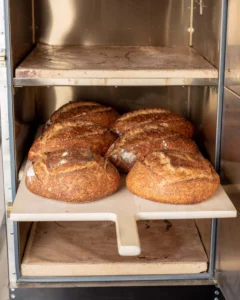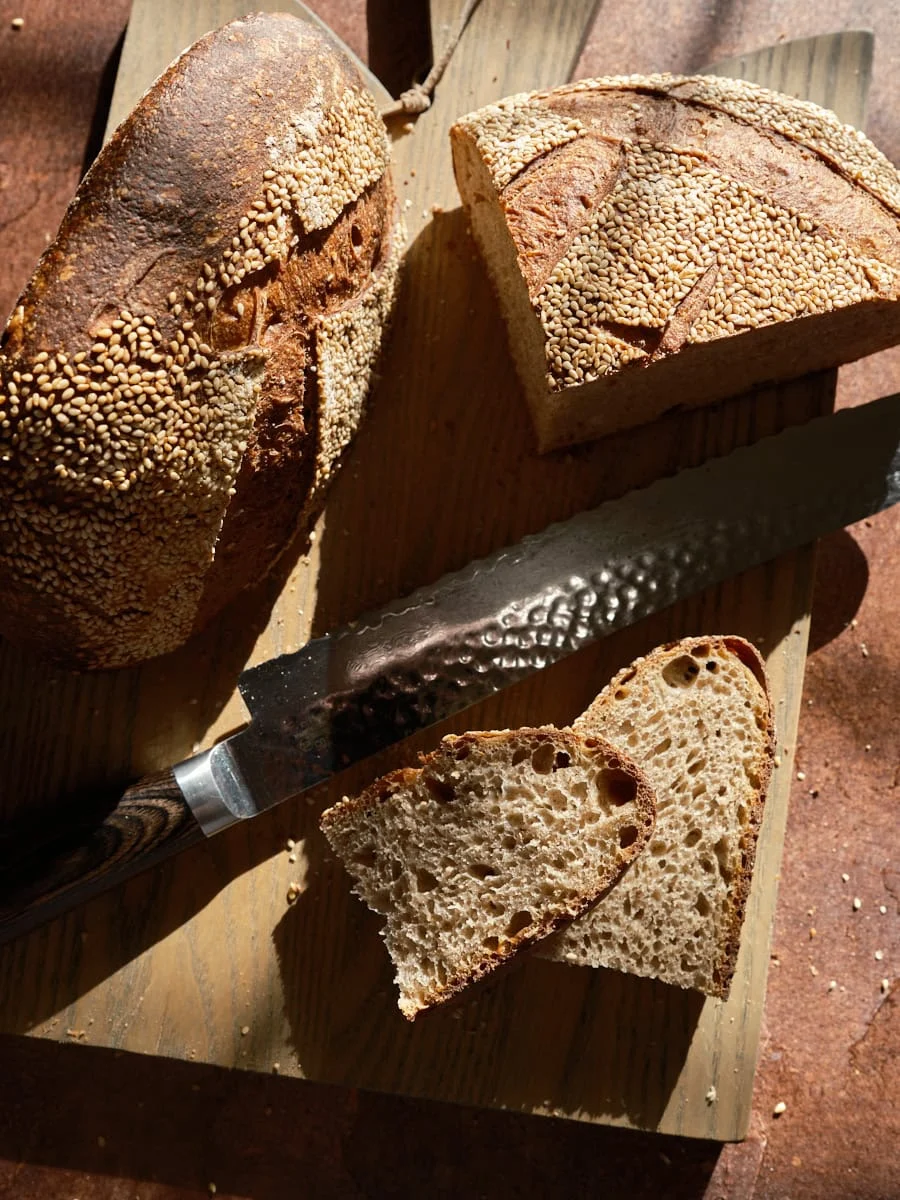

The persistent chill that has gripped the region for weeks has found a delicious antidote in the form of a spice-forward, hearty sourdough bread. This particular loaf, with its intriguing blend of anise and buckwheat, offers a warming embrace that can coax even the most reluctant baker towards the oven. While the early darkness and dry air of winter may present challenges, the promise of a well-proofed dough transforming into a fragrant, crusty masterpiece provides a compelling motivation to embrace the season’s demands. The entire process, from the pungent aroma of freshly ground anise to the rich sweetness of malt, the visually appealing buckwheat-speckled dough, and the remarkably silky texture achieved through a flour scald, serves as a delightful distraction from the lingering cold.
The Allure of Anise and Buckwheat
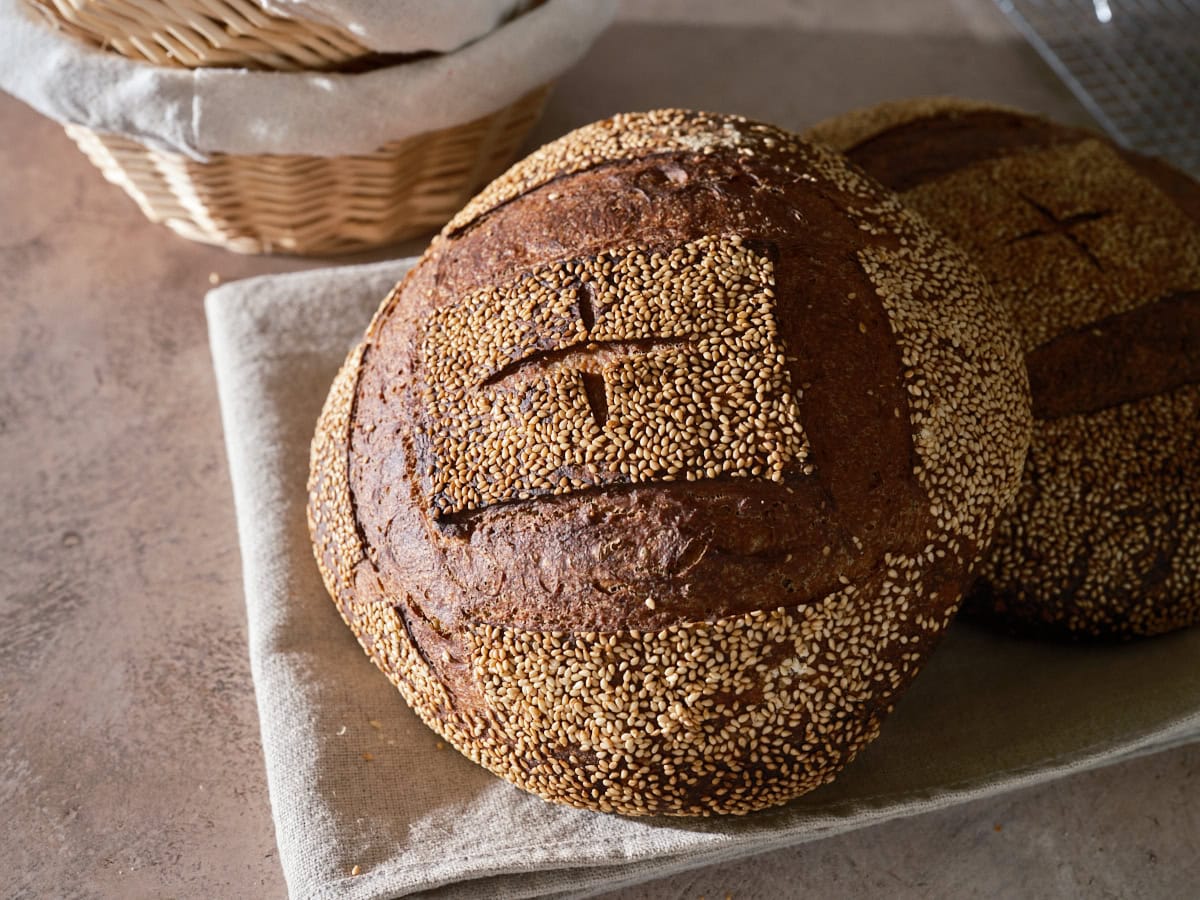
At the heart of this sourdough creation is anise, a spice that announces its presence with an assertive, licorice-sweet aroma. The author of this recipe notes that anise "doesn’t politely wait for you to smell it. It arrives." This bold characteristic makes it a favorite in baking, whether used whole in biscotti or ground into myriad cookies. However, it was a revelation that this potent spice had not yet found its way into a substantial loaf of bread.
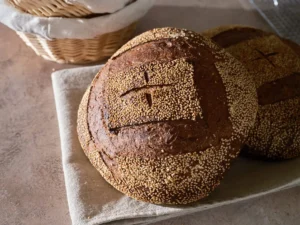
The pairing of anise with buckwheat, a grain known for its nutty, mineral, and subtly tannic notes, creates a sourdough bread that is both remarkably balanced and undeniably irresistible. The earthy undertones of buckwheat provide a grounding counterpoint to the brighter, licorice-like notes of the anise, resulting in a complex flavor profile that is both comforting and sophisticated. To further enhance the visual appeal and complement the bread’s inherent flavors, the loaves are finished with a generous topping of striking white sesame seeds. Their delicate crunch and mild nuttiness harmonize beautifully with the spice and sweetness, adding a final flourish to an already impressive creation.
The Science Behind the Silky Texture: Why Use a Flour Scald?
A key element contributing to the exceptional texture of this sourdough is the inclusion of a flour scald. This technique, often overlooked by home bakers, plays a crucial role in transforming the final bread. Scalding flour, a simple process of combining it with boiling water, causes the starch granules to gelatinize. This transforms the flour into a thick, smooth paste that is then incorporated into the final dough.
This method shares similarities with techniques like Yudane and Tangzhong, both of which are known for their ability to enhance bread texture and shelf life. The flour scald not only adds a layer of aromatic complexity to the dough but also acts as a moisture-retaining agent. By trapping water within the gelled starch structure, it significantly delays the staling process, ensuring the bread remains softer and fresher for longer. This is particularly beneficial for hearty loaves that might otherwise become dry more quickly. The author emphasizes that this is an easy yet impactful step that adds a discernible "little something extra" to each loaf.
Flour Selection: Building a Robust Foundation
The choice of flours is paramount in achieving the desired characteristics of this bread. To create a loaf that is both hearty and suitable for robust sandwiches, a high-extraction (Type 85) flour serves as the primary base. Specifically, Cairnspring’s Trailblazer flour is highlighted as a "workhorse" in the baker’s kitchen. This type of flour, which contains more of the bran and germ than standard white flour, imparts a richer flavor and increased nutritional value to the final product.
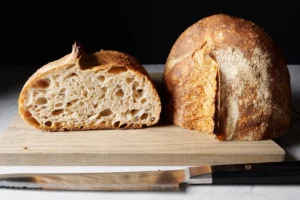
Buckwheat, while lending its unique earthy notes and striking color, requires careful consideration. Based on past experience, it’s noted that buckwheat, lacking the same gluten structure as wheat, can sometimes lead to a denser crumb, even in small percentages. However, the trade-off for this potential crumb adjustment is the intense earthiness and beautiful hue it contributes to the finished bread, making it a worthwhile inclusion.
A Two-Day Journey to Sourdough Perfection: The Baking Schedule
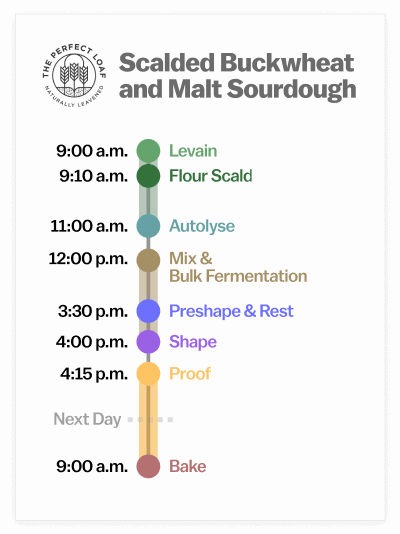
This sourdough bread recipe is designed to be a two-day affair, requiring minimal active intervention from the baker. The process begins on the first day with the preparation of the levain and the flour scald. Following this, the dough undergoes an autolyse, a period of rest where flour and water combine before the addition of other ingredients.
The main mixing phase follows, where the salt and ripe levain are incorporated. The dough is then allowed to bulk ferment for approximately three hours, with two sets of "stretches and folds" performed at 30-minute intervals to develop gluten structure. After bulk fermentation, the dough is pre-shaped and allowed to rest before the final shaping.
The crucial cold proofing stage begins in the evening. The shaped loaves are placed in bannetons and then refrigerated overnight. This extended, cold fermentation allows for the development of complex flavors and improves the dough’s structure. The following morning, the loaves are baked, offering the flexibility to enjoy fresh bread for lunch or dinner.

Key Metrics and Formula Breakdown
For those who appreciate the technical aspects of baking, the recipe provides detailed vitals and a total formula breakdown. This recipe yields two 900-gram loaves, with a total dough weight of 1,800 grams. The prefermented flour is calculated at 5.8%, and the levain constitutes 18.5% of the final dough. The hydration level is set at 75.0%, which increases to 83% when the water in the flour scald is accounted for.
The baker aims for a final dough temperature of 78°F (26°C) to ensure optimal fermentation. The formula lists the precise weights and baker’s percentages for each ingredient:
- Scald:
- Buckwheat flour: 46g (5.0%)
- Water: 73g (8.0%)
- Main Dough:
- High-extraction wheat flour (Type 85): 687g (75.0%)
- Whole wheat flour: 183g (20.0%)
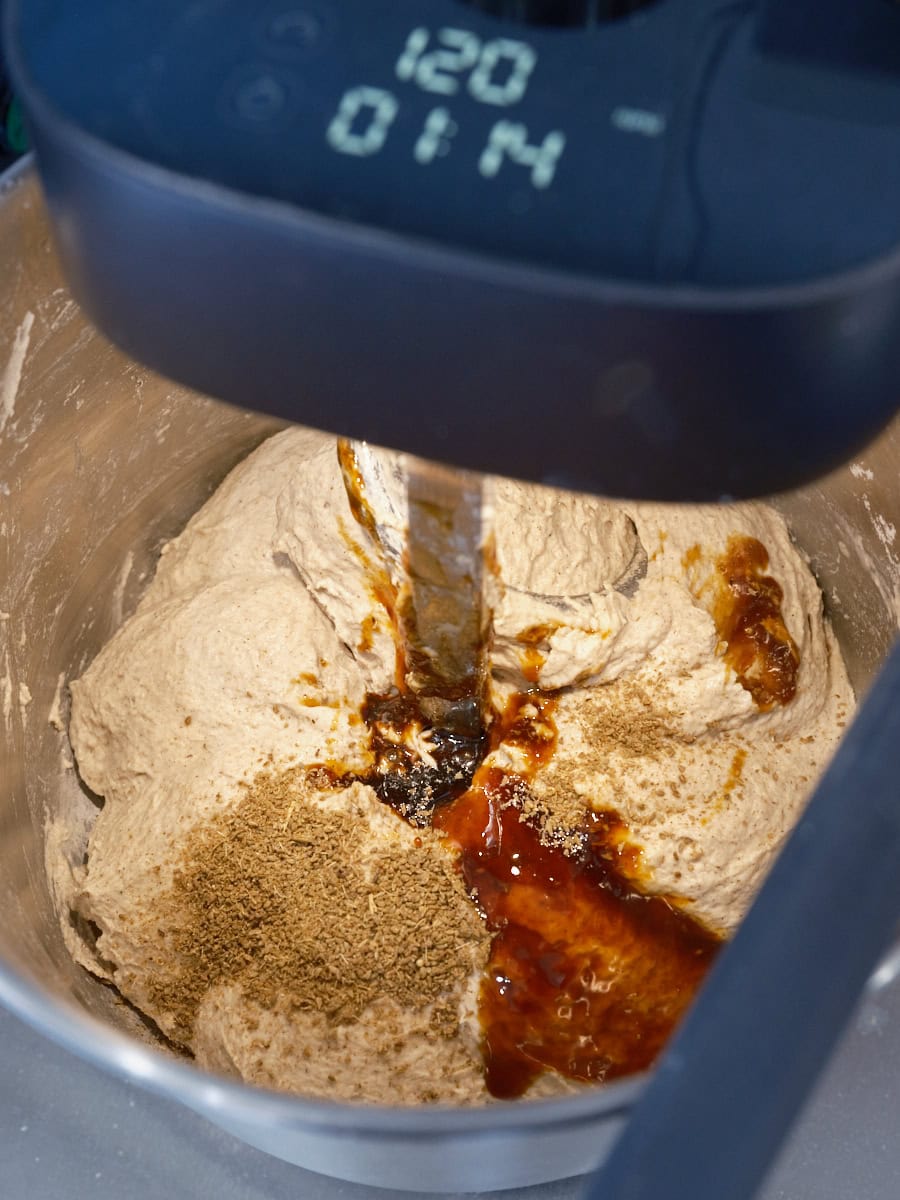
- Barley malt syrup: 46g (5.0%)
- Aniseed, ground: 6g (0.6%)
- Water 1 (levain and autolyse): 596g (65.0%)
- Water 2 (mix): 92g (10.0%)
- Fine sea salt: 18g (2.0%)
- Ripe sourdough starter (100% hydration): 53g (5.8%)
Step-by-Step Method: Crafting the Scalded Buckwheat and Malt Sourdough
Day 1:
-
Prepare the Levain (9:00 a.m.): A small amount of levain is prepared by mixing high-extraction wheat flour, water, and ripe sourdough starter. This mixture is left to ripen for 3 hours at a warm room temperature of 74-76°F (23-24°C). A helpful sourdough starter and levain calculator is available for those needing to adjust quantities.
-
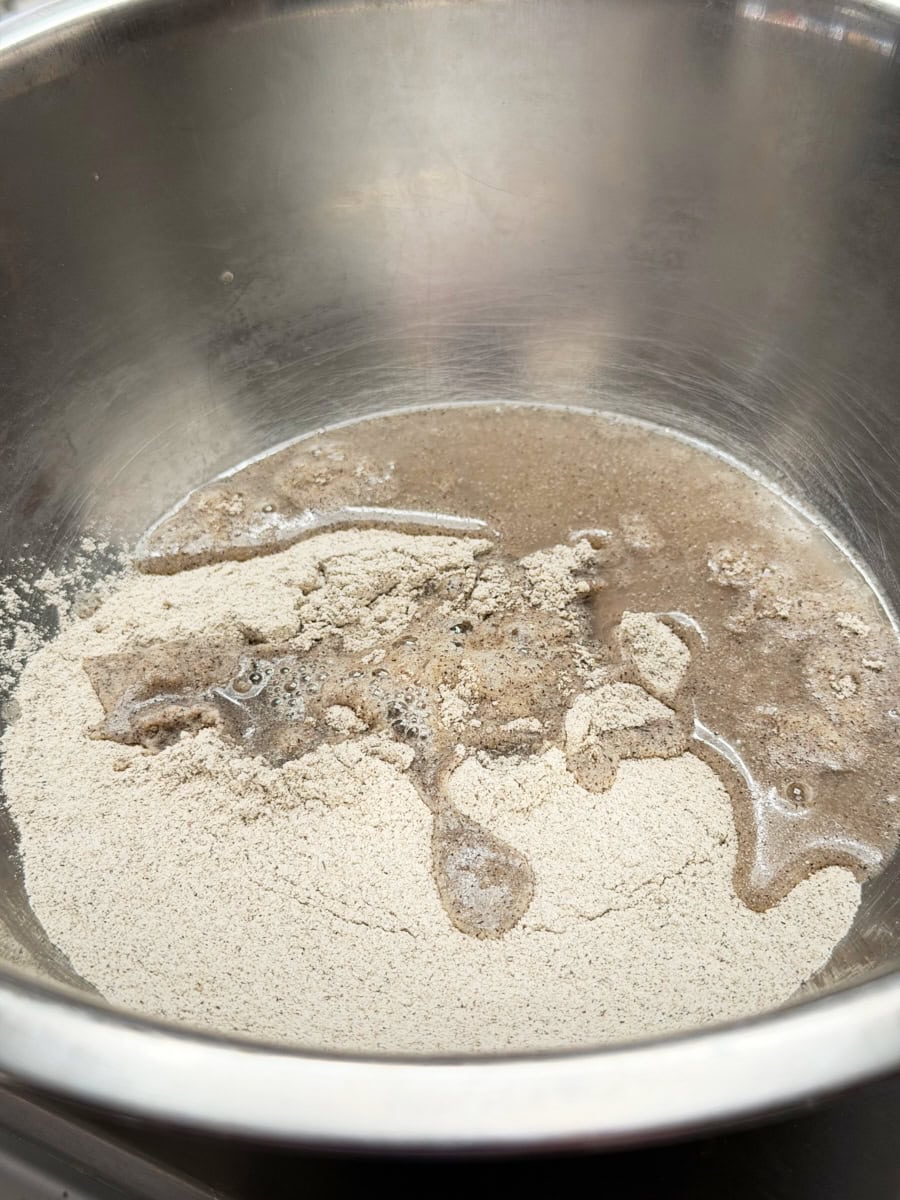
Prepare the Flour Scald (9:10 a.m.): Buckwheat flour is combined with boiling water in a small bowl, stirred to form a thick paste. Any overly dry mixture can be adjusted with a small splash of additional boiling water. The scald is then covered and set aside.
-
Autolyse (11:00 a.m.): High-extraction wheat flour, whole wheat flour, and water are combined in a large bowl. The flour scald is also added at this stage. The mixture is gently combined until no dry spots remain, forming a shaggy, hydrated dough. This is covered and allowed to rest for 1 hour, allowing the flour to fully hydrate and gluten development to begin.
-
Mix (12:00 p.m.): Fine sea salt and the ripe levain are added to the autolysed dough. A portion of the remaining water (Water 2) is used to moisten the mixture. The dough is then thoroughly mixed, either by hand using a slap-and-fold technique or a folds-in-the-bowl method, or with a mechanical mixer. The remaining water is added gradually only if the dough can accommodate it, a technique known as "bassinage," which helps manage the high hydration. The dough is kneaded until smooth and cohesive, then transferred to a bulk fermentation container.
-
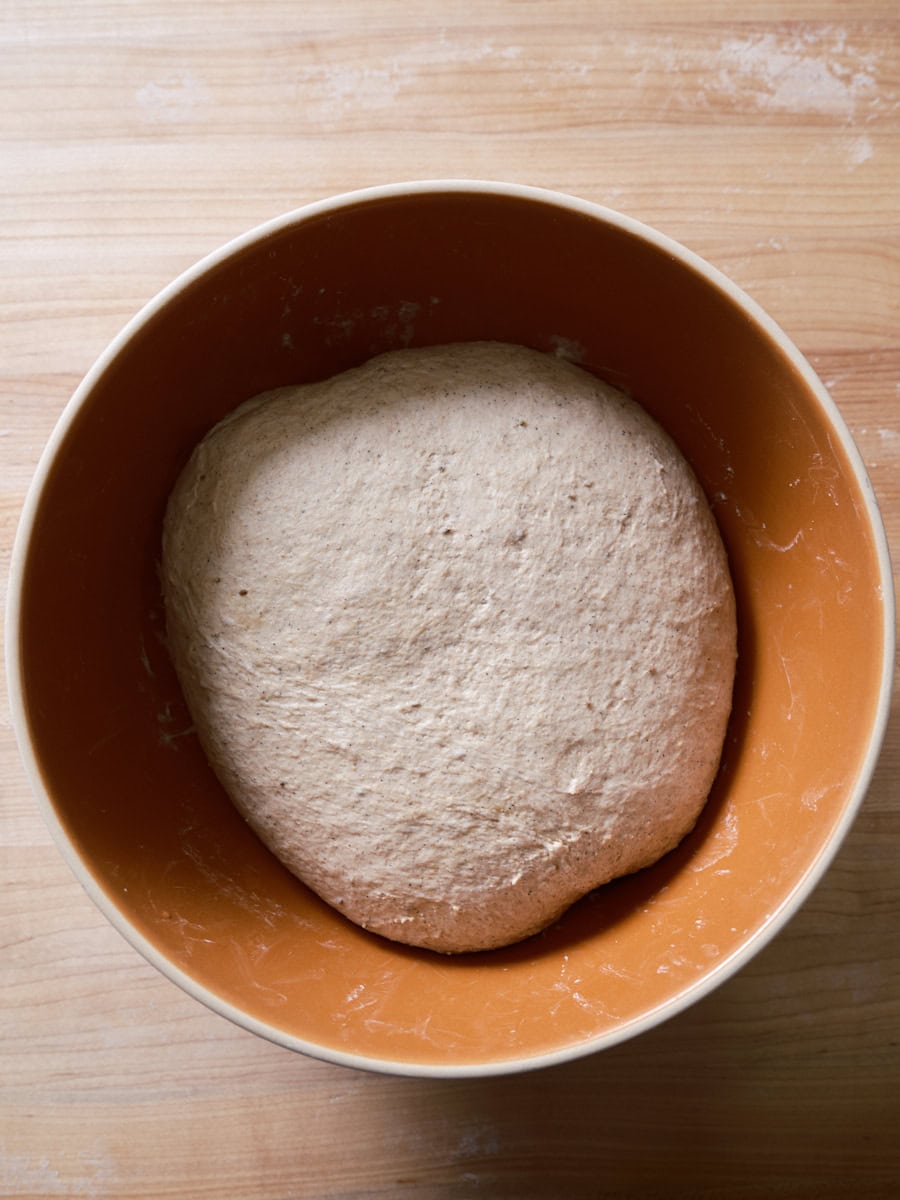
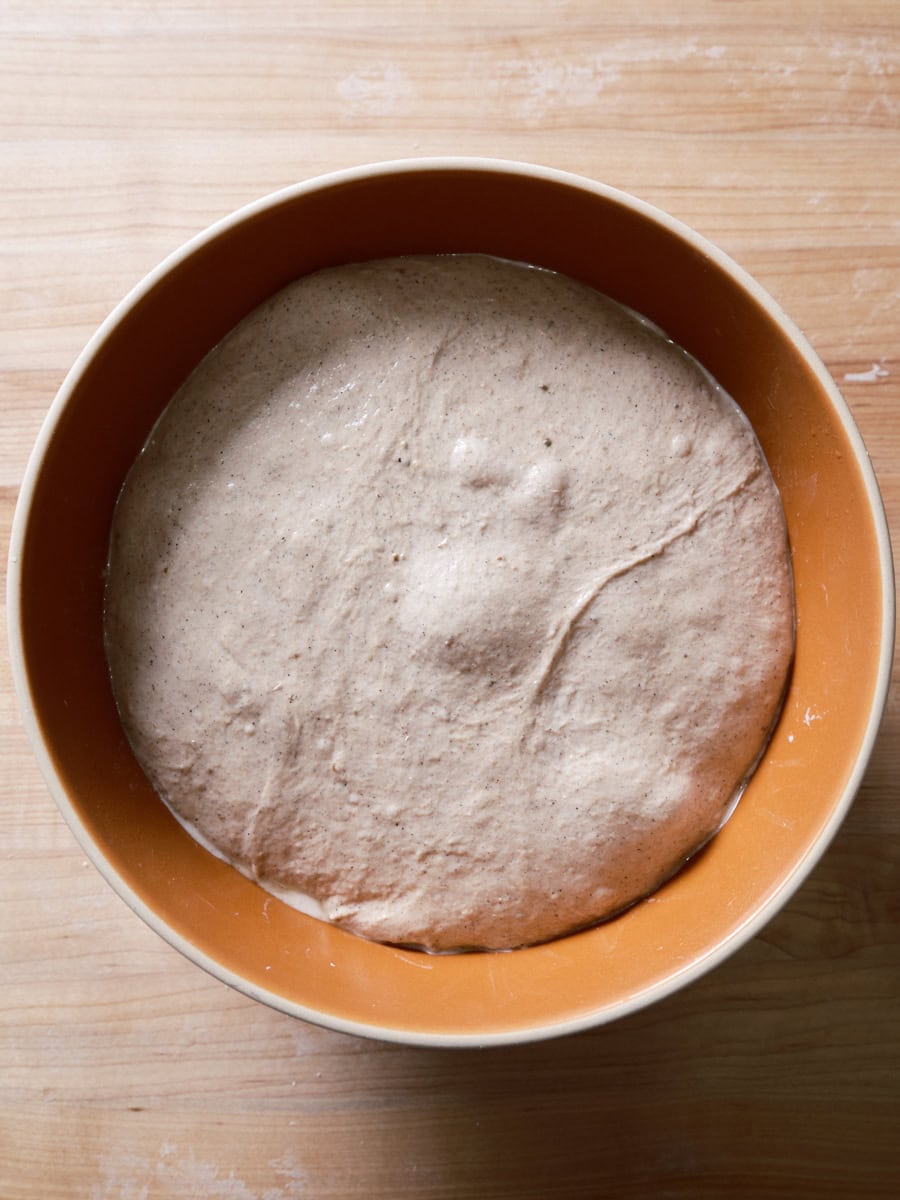
Bulk Fermentation (12:30 p.m. to 3:30 p.m. – 3 hours): At a warm room temperature (74-76°F/23-24°C), the dough undergoes bulk fermentation for approximately 3 hours. During this time, two sets of stretches and folds are performed at 30-minute intervals to build strength. After the second set of folds, the dough is left to rest undisturbed for the remainder of the bulk fermentation. The dough should appear puffy and have increased in volume by about 30%.
-
Pre-shape (3:30 p.m.): The dough is gently turned out onto a lightly floured surface, divided in half, and each piece is loosely pre-shaped into a round. These rounds are then allowed to rest, uncovered, for 30 minutes.
Day 2:
-
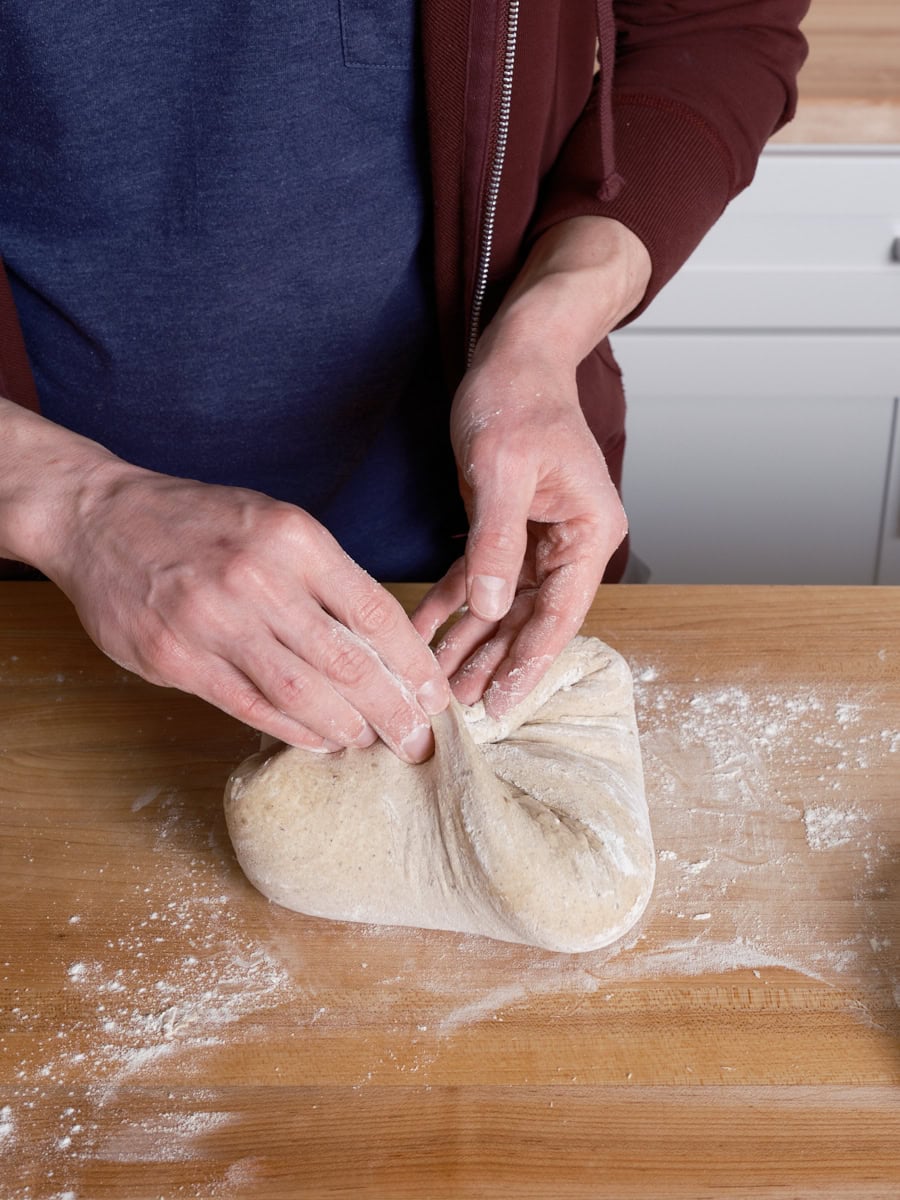
Shape (4:00 p.m.): An even layer of raw white sesame seeds is spread onto a clean surface. The pre-shaped dough rounds are gently inverted onto the sesame seeds. Using a "gather up" method, the dough is folded from the edges into the center to create tension. Each shaped loaf is then carefully placed, seam-side up, into a round proofing basket.
-
Proof (4:15 p.m. to 9:00 a.m.): The proofing baskets are covered with reusable plastic bags and sealed. The loaves are then placed in the refrigerator for an overnight cold proof.
-
Bake (9:00 a.m.): The oven is preheated to 450°F (230°C) with a Dutch oven or baking stone/steel inside. One proofing basket is removed from the refrigerator, and the dough is turned out onto parchment paper. The top of the dough is scored with a lame or sharp knife. The loaf is then carefully transferred into the preheated oven. A steaming method is employed for the first 20 minutes of baking, after which the steam is released, and the loaves continue to bake for another 30 minutes until deeply colored and an internal temperature of approximately 204°F (95°C) is reached. The process is repeated for the second loaf. The baked loaves are then cooled on a wire rack for 1 to 2 hours before slicing.

Frequently Asked Questions and Ingredient Substitutions
For bakers looking to adapt this recipe, several substitutions are suggested. If anise is not available, caraway seeds offer a similar spicy note. For those who prefer not to use barley malt syrup, blackstrap molasses can provide a more bitter and rich flavor, while honey offers a floral sweetness that also pairs well with anise. In the absence of high-extraction flour, a blend of bread flour and whole wheat flour can be used.
Beyond the Loaf: Exploring Other Buckwheat Delights

For those who have enjoyed the unique qualities of this scalded buckwheat and malt sourdough, further exploration into buckwheat-based breads is recommended. The Soft Honey Buckwheat Sandwich Bread is highlighted as another excellent option, offering a rich yet sweet profile that complements the earthy notes of buckwheat.
This Scalded Buckwheat and Malt Sourdough Bread stands as a testament to the creative possibilities within home baking. It offers a comforting and flavorful escape from the cold, proving that even the most challenging weather can inspire culinary innovation and delicious results.