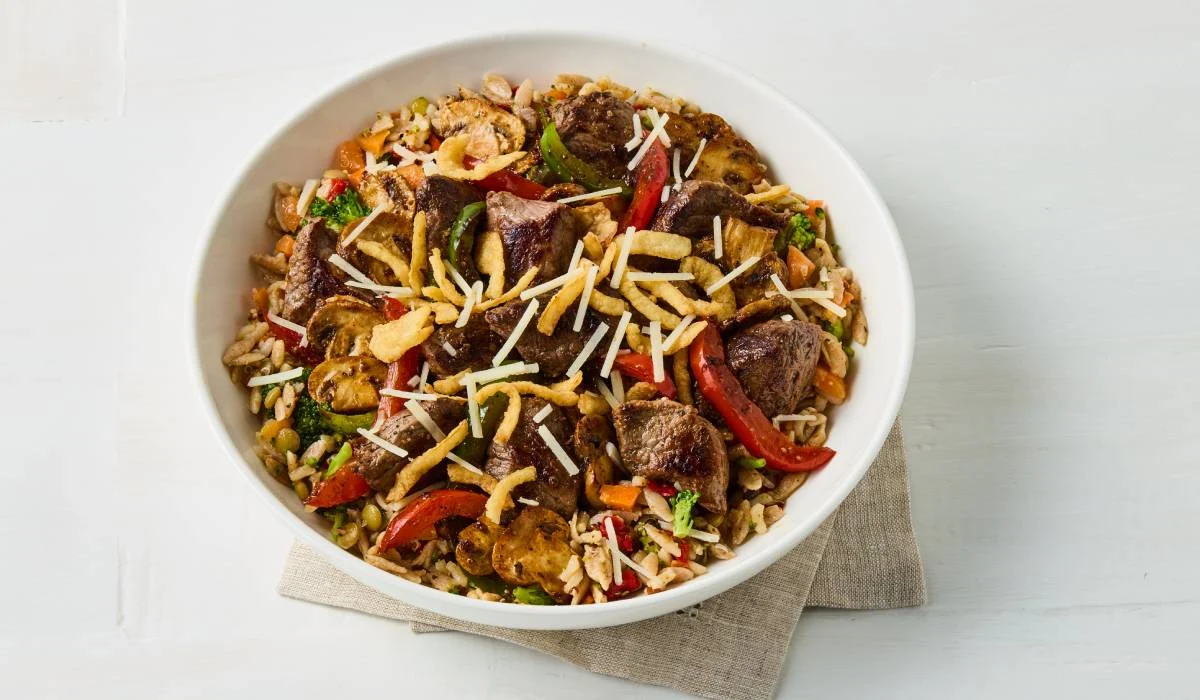

Ruby Tuesday, the long-standing American casual dining staple, has officially launched its most significant menu update in recent history, introducing 14 new limited-time items designed to capture summer flavor profiles and current culinary trends. This strategic expansion marks a pivotal moment for the Maryville, Tennessee-based chain as it seeks to broaden its appeal through a combination of high-value entrees, health-conscious bowls, and viral-inspired desserts. The new lineup, which includes a diverse array of starters, main courses, handcrafted cocktails, and sweets, is currently being rolled out across participating locations nationwide, signaling a renewed focus on innovation within the competitive casual dining sector.
A Strategic Shift Toward Culinary Innovation
The introduction of 14 new items represents a calculated effort by Ruby Tuesday to modernize its brand identity while maintaining the core value proposition that has defined the company since its founding in 1972. By incorporating ingredients such as Mike’s Hot Honey, ahi tuna, and the globally trending Dubai chocolate, the brand is positioning itself to compete not only with traditional rivals like Applebee’s and Chili’s but also with fast-casual concepts that have gained market share by offering trendy, customizable options.
Kevin FitzPatrick, Chief Marketing Officer at Ruby Tuesday, emphasized that this update is a direct response to the shifting preferences of the modern diner. According to FitzPatrick, the brand is prioritizing approachable flavors that resonate with today’s food trends without alienating the loyal customer base that frequents the establishment for its signature Endless Garden Bar and classic American fare. The expansion aims to provide a "mix and match" experience, allowing guests to choose between lighter, nutrient-dense meals and indulgent, oversized portions.
Detailed Breakdown of the Summer Menu Highlights
The summer menu is structured to address multiple dining occasions, from quick lunches to celebratory dinners. One of the primary pillars of the new launch is the introduction of fresh, protein-packed bowls. These items are designed to appeal to the growing demographic of health-conscious consumers who prioritize fresh ingredients and lean proteins. The bowls utilize a base of grains and greens, topped with various proteins, including the newly introduced ahi tuna, which represents a move toward more premium seafood offerings.
In contrast to the lighter bowl options, Ruby Tuesday has also introduced a series of "crave-worthy" entrees that emphasize volume and value. Several of these new dishes feature over a pound of food, catering to the "value-seeker" segment of the market—a demographic that has become increasingly important as inflation impacts discretionary spending on dining out. These entrees often feature bold flavor profiles, such as the integration of "hot honey" glazes, a sweet-and-spicy trend that has dominated the American culinary landscape over the past 24 months.
The beverage and dessert categories have also seen significant updates. The brand has introduced handcrafted cocktails that utilize seasonal fruits and premium spirits, aiming to increase the average check size through enhanced bar sales. Perhaps the most notable addition to the dessert menu is the inclusion of flavors inspired by "Dubai chocolate"—a viral sensation characterized by the use of pistachio cream and toasted knafeh. By adopting such a specific social media-driven trend, Ruby Tuesday is signaling its agility in responding to digital food culture.
Contextualizing the Casual Dining Landscape
To understand the significance of Ruby Tuesday’s 14-item launch, one must look at the broader state of the casual dining industry. In 2024, the sector has faced a dual challenge: rising labor and ingredient costs coupled with a consumer base that is increasingly sensitive to pricing. Many legacy brands have struggled to maintain foot traffic as "fast-casual" competitors offer similar quality at lower price points and with faster service.
Ruby Tuesday’s decision to launch a large-scale limited-time offer (LTO) is a classic industry tactic used to drive frequency. Data from market research firms like Technomic suggests that LTOs are a primary driver for casual dining visits, as they create a sense of urgency and novelty. For Ruby Tuesday, which emerged from Chapter 11 bankruptcy in early 2021 with a leaner corporate structure and a reduced footprint, these menu innovations are essential for maintaining brand relevance in a post-restructuring environment.
Chronology of Ruby Tuesday’s Brand Evolution
The current menu expansion is part of a multi-year trajectory of brand stabilization and growth. Following its 1972 founding by Sandy Beall near the University of Tennessee campus, Ruby Tuesday grew into a global powerhouse with over 800 locations at its peak. However, the 2010s proved difficult for the brand as consumer tastes shifted away from traditional "bar and grill" formats.
- 2017–2020: The brand underwent several ownership changes and store closures to streamline operations.
- October 2020: Ruby Tuesday filed for Chapter 11 bankruptcy protection, citing the unprecedented impact of the COVID-19 pandemic on indoor dining.
- February 2021: The company successfully emerged from bankruptcy, having shed significant debt and closed underperforming locations.
- 2022–2023: The brand focused on its "Endless Garden Bar" as a key differentiator and began experimenting with ghost kitchens and secondary brands like "Libby’s BBQ" to maximize kitchen efficiency.
- Summer 2024: The launch of the 14-item summer menu represents the most aggressive product-led growth strategy since the company’s emergence from bankruptcy.
Market Analysis and Consumer Implications
The move to include "Dubai chocolate" and "Mike’s Hot Honey" is particularly telling of the company’s current marketing strategy. These are not merely flavor choices; they are data-driven decisions intended to capture "Zillennial" (Gen Z and Millennial) interest. According to industry analysts, legacy brands often face a "generational gap" where younger diners perceive them as outdated. By integrating ingredients that are currently trending on platforms like TikTok and Instagram, Ruby Tuesday is attempting to bridge this gap.
Furthermore, the emphasis on "over a pound of food" in certain entrees speaks to the "Great Value" war currently occurring in the restaurant industry. With competitors like Chili’s seeing success with their "3 for Me" value platforms, Ruby Tuesday is leveraging portion size as a tangible metric of value. This strategy targets the "heavy user" of casual dining—typically families or individuals looking for a substantial meal that justifies the cost of a sit-down experience.
Official Responses and Strategic Vision
The internal sentiment at Ruby Tuesday appears to be one of calculated optimism. Kevin FitzPatrick noted that the goal was to create a menu that offers "something for every occasion," from a quick, light lunch to a more indulgent, shareable dinner experience with family. This versatility is crucial for a brand that operates in diverse markets, from suburban shopping centers to urban locales.
Industry observers suggest that the success of this menu drop will be measured not just by immediate sales, but by the brand’s ability to convert "trial" diners—those who come in specifically for the new items—into "repeat" diners. The integration of these new items with the existing Endless Garden Bar remains a cornerstone of the strategy, as the salad bar remains the brand’s most recognizable and unique asset.
Broader Impact on the Restaurant Industry
Ruby Tuesday’s massive menu update reflects a broader trend of "menu optimization" across the industry. Restaurants are moving away from static, encyclopedic menus in favor of more dynamic, seasonal offerings that can be adjusted based on supply chain availability and consumer interest.
The focus on shareable starters also highlights a shift in consumer behavior. Since the pandemic, there has been a documented increase in "social dining," where groups prioritize appetizers and shared plates over individual entrees. By expanding its shareable category, Ruby Tuesday is aligning itself with this social-centric dining model.
As the summer season progresses, the performance of these 14 items will likely dictate the brand’s strategy for the fall and winter quarters. If the trend-heavy items like the Dubai chocolate-inspired desserts and ahi tuna bowls perform well, it is expected that Ruby Tuesday will continue to lean into contemporary culinary trends, further distancing itself from the "static" menu models of the past.
The limited-time summer menu is currently available at participating Ruby Tuesday locations. While the items are designated for the summer season, the company has indicated that high-performing dishes may be considered for permanent inclusion in future menu iterations, depending on guest feedback and sales data.