
The Mediterranean Diet is more than just a dietary plan; it’s a lifestyle that champions the use of simple, wholesome ingredients. This eating pattern is characterized by an abundance of vegetables, fruits, whole grains, beans, legumes, nuts, seeds, fish, herbs, and the cornerstone of its healthy fat profile, extra-virgin olive oil. Its widespread recognition as one of the most beneficial eating patterns stems from its focus on real, unprocessed foods rather than rigid, restrictive rules. This inherent flexibility, coupled with its vibrant flavors and practical approach to meal preparation, makes it an appealing choice for individuals seeking a sustainable and healthy way of eating.
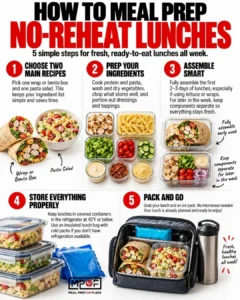
The beauty of the Mediterranean approach lies in its adaptability for meal prep. By preparing core components like grains, roasted vegetables, proteins, salads, and sauces in advance, individuals can easily assemble a variety of nutritious and satisfying meals throughout the week. This method transforms the diet from a temporary regimen into a sustainable lifestyle, emphasizing plant-based meals, heart-healthy fats such as olive oil, and prioritizing fish and seafood. Poultry, eggs, and dairy are consumed in moderate portions, while red meat and sweets are enjoyed sparingly.
Scientific evidence has consistently underscored the profound health benefits associated with the Mediterranean Diet. Numerous studies have indicated its efficacy in reducing the risk of developing chronic conditions such as diabetes, high cholesterol, dementia, memory loss, and depression. Furthermore, research has linked this eating style to a lower incidence of breast cancer, improved bone density, enhanced cardiovascular health, and an increased lifespan. These findings solidify the Mediterranean Diet’s reputation not as a restrictive diet, but as a holistic approach to well-being.
Key Pillars of the Mediterranean Way of Eating
The foundational principles of the Mediterranean Diet, as outlined by reputable health organizations like the Mayo Clinic, generally emphasize the following components:
- Abundant Vegetables: A wide variety of fresh, seasonal vegetables forms the base of most meals, providing essential vitamins, minerals, and fiber.
- Fruits as Sweeteners: Fruits are the primary source of sweetness, consumed whole and often as desserts.
- Whole Grains: Unrefined grains such as whole wheat, barley, oats, and quinoa are preferred over refined grains, offering complex carbohydrates and fiber.
- Legumes and Beans: These are staple protein sources, rich in fiber and plant-based nutrients.
- Nuts and Seeds: A regular intake of these provides healthy fats, protein, and fiber.
- Olive Oil as the Primary Fat: Extra-virgin olive oil is the preferred cooking and dressing oil, valued for its monounsaturated fat content and antioxidants.
- Fish and Seafood: Consumed regularly, these are excellent sources of omega-3 fatty acids.
- Poultry and Eggs: Included in moderate amounts, providing lean protein.
- Dairy Products: Yogurt and cheese are typically consumed in moderation, often as part of meals.
- Herbs and Spices: Used generously to flavor food, reducing the reliance on salt.
- Limited Red Meat and Sweets: These are consumed infrequently.
This dietary philosophy aligns perfectly with the concept of meal prep, allowing for the creation of colorful, satisfying, and easily assembled meals. Staples like quinoa, couscous, farro, roasted vegetables, chickpeas, salmon, chicken, and Greek yogurt-based sauces, all drizzled with olive oil-based dressings, become the building blocks of a week’s worth of delicious and healthy eating.
The Significance of Extra-Virgin Olive Oil
Within the context of Mediterranean cuisine, extra-virgin olive oil holds a place of particular importance. Its distinct flavor profile enhances the natural tastes of the ingredients, and its high content of monounsaturated fats and antioxidants contributes significantly to the diet’s health benefits. While some may opt for neutral oils for high-heat cooking, extra-virgin olive oil remains the quintessential choice for Mediterranean recipes, embodying the authenticity and traditional essence of this eating style.
Embracing the Mediterranean Lifestyle Through Meal Prep: Fifteen Accessible Recipes
The growing interest in healthy eating has spurred a demand for practical solutions that integrate dietary principles into busy lifestyles. Meal prepping offers a strategic approach to consistently adhere to such patterns. For those drawn to the Mediterranean way of eating, a wealth of accessible recipes can transform the often-daunting task of weekly meal preparation into an enjoyable and rewarding endeavor. These recipes not only adhere to the core tenets of the Mediterranean diet but also offer variety and flavor to keep meals engaging throughout the week.
Mediterranean Style Meal Prep Bowls
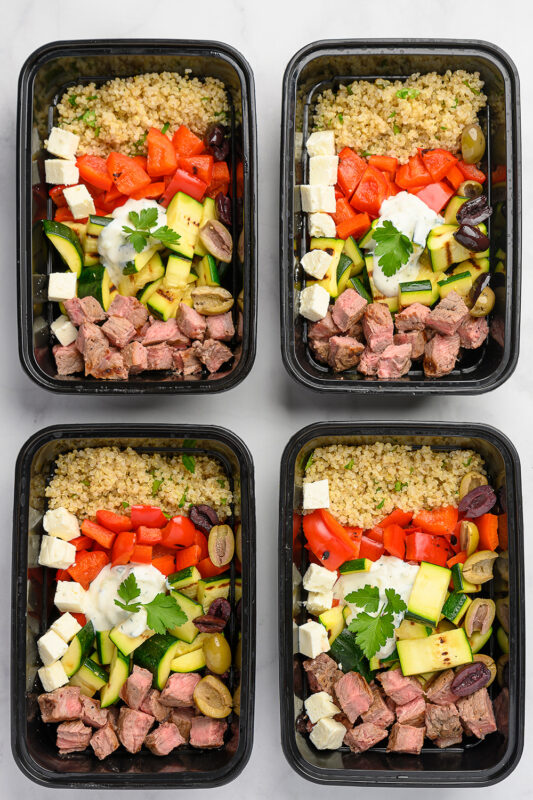
A versatile and highly customizable option, Mediterranean Style Meal Prep Bowls serve as an excellent foundation for weeklong nourishment. These bowls typically feature a base of whole grains like quinoa or farro, layered with a protein source such as grilled chicken, chickpeas, or falafel. Roasted vegetables, fresh greens, and a flavorful dressing, often tahini-based or lemon-herb vinaigrette, complete the ensemble. The ability to prep each component separately allows for easy assembly and a fresh taste each day.
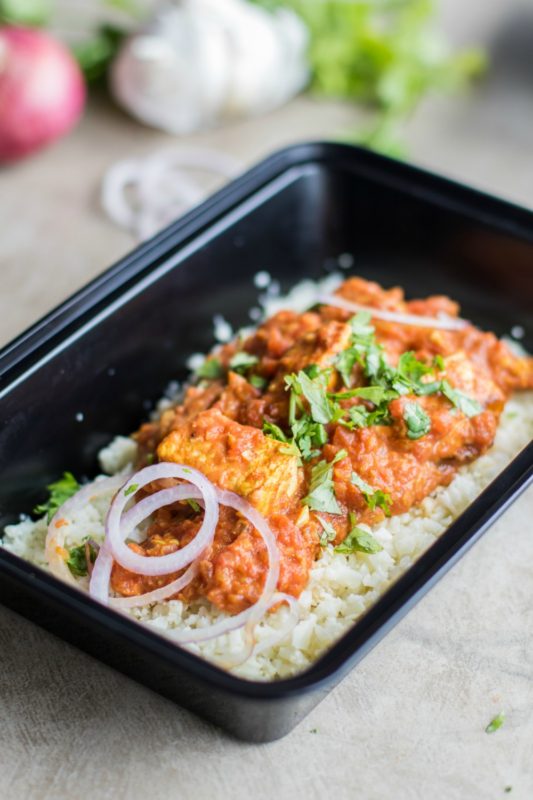
Tofu Tikka Masala (with a Mediterranean Twist)
While Tikka Masala is traditionally an Indian dish, a plant-based adaptation using tofu can be infused with Mediterranean flavors. This involves using ingredients like roasted bell peppers, zucchini, and spinach in the sauce, along with olive oil and perhaps a touch of lemon. Serving this vibrant dish with a side of couscous or a simple Greek salad creates a fusion meal that is both comforting and health-conscious.
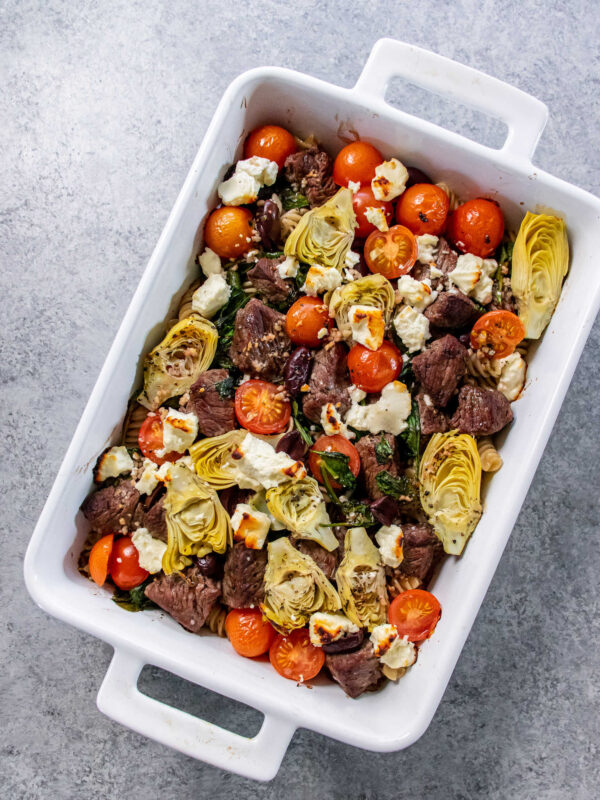
Mediterranean Pasta Bake
A hearty and satisfying option, the Mediterranean Pasta Bake brings together whole wheat pasta, a rich tomato sauce, and an assortment of vegetables like eggplant, zucchini, and bell peppers. Olives, capers, and feta cheese add characteristic Mediterranean zest. This dish can be prepared in large batches and portioned out for easy lunches or dinners, making it a convenient choice for busy individuals.
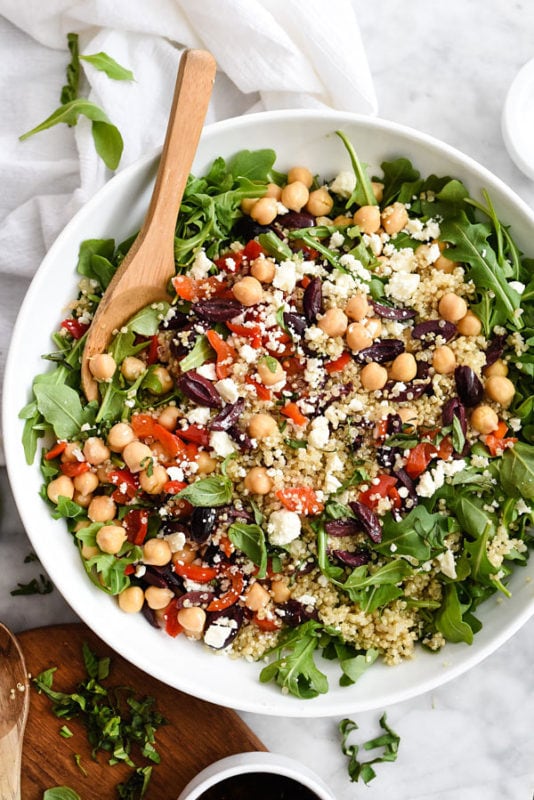
Mediterranean Quinoa Salad
This refreshing salad is a powerhouse of nutrients. It combines fluffy quinoa with chopped cucumbers, tomatoes, bell peppers, red onion, Kalamata olives, and fresh parsley. A simple dressing made with extra-virgin olive oil, lemon juice, and oregano ties all the flavors together. This salad is perfect on its own or as a side dish, and it holds up well in the refrigerator for several days.
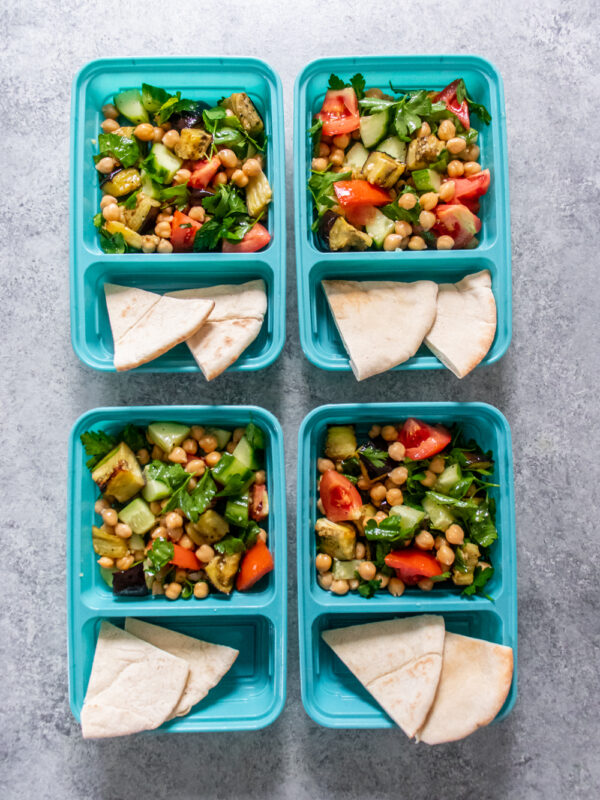
Mediterranean Roasted Eggplant Salad
Roasted eggplant, with its creamy texture and smoky flavor, is a star ingredient in this salad. Combined with cherry tomatoes, chickpeas, red onion, and a generous amount of fresh herbs like mint and parsley, it creates a flavorful and satisfying dish. A dressing of olive oil, red wine vinegar, and a hint of garlic enhances the overall taste profile.
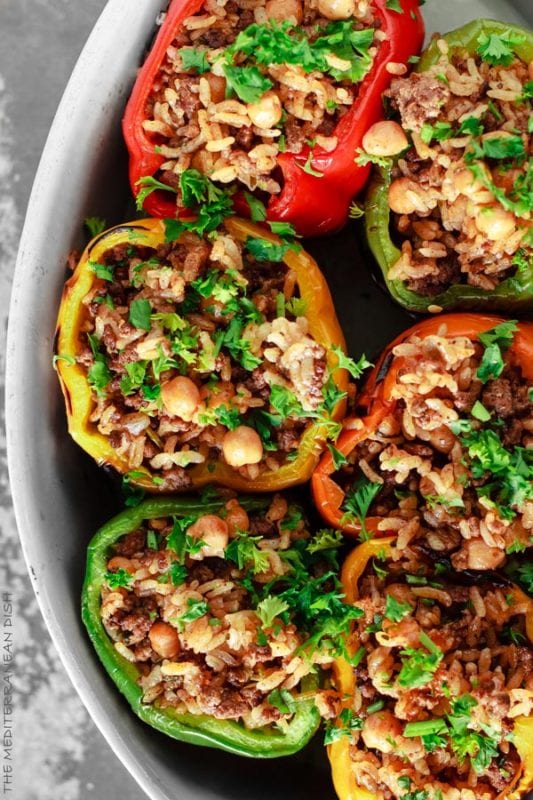
Mediterranean Stuffed Bell Peppers
Bell peppers, vibrant in color and packed with vitamins, serve as edible vessels for a nutritious filling. These stuffed peppers can be prepared with a base of whole grains, lean ground turkey or lentils, chopped vegetables, and Mediterranean spices. Baked until tender, they offer a complete and visually appealing meal that is ideal for meal prep.
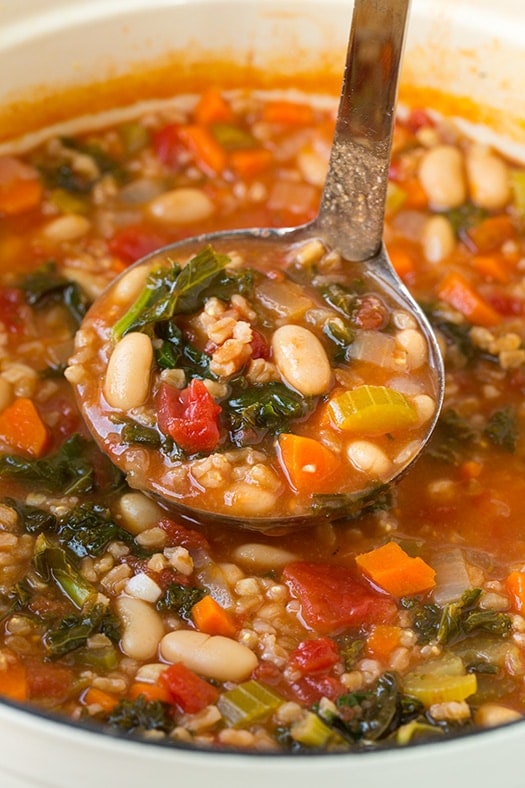
Mediterranean Kale, Cannellini & Farro Stew
This robust stew is a testament to the heartiness of plant-based Mediterranean cuisine. It features nutrient-dense kale, creamy cannellini beans, and chewy farro, simmered in a flavorful vegetable broth with aromatic herbs and spices. This one-pot meal is exceptionally well-suited for batch cooking, as its flavors often deepen and meld over time.
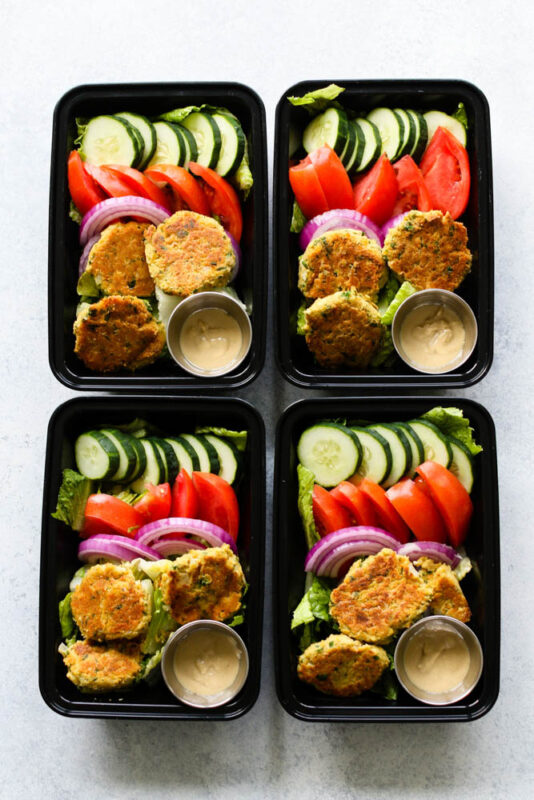
Super Easy Falafel Meal Prep
Falafel, a beloved Middle Eastern staple made from ground chickpeas and spices, offers a fantastic vegetarian protein option for meal prep. These baked or pan-fried delights can be prepared ahead of time and incorporated into bowls with hummus, tahini sauce, chopped vegetables, and a side of whole grain pita. The convenience and flavor make it a popular choice.
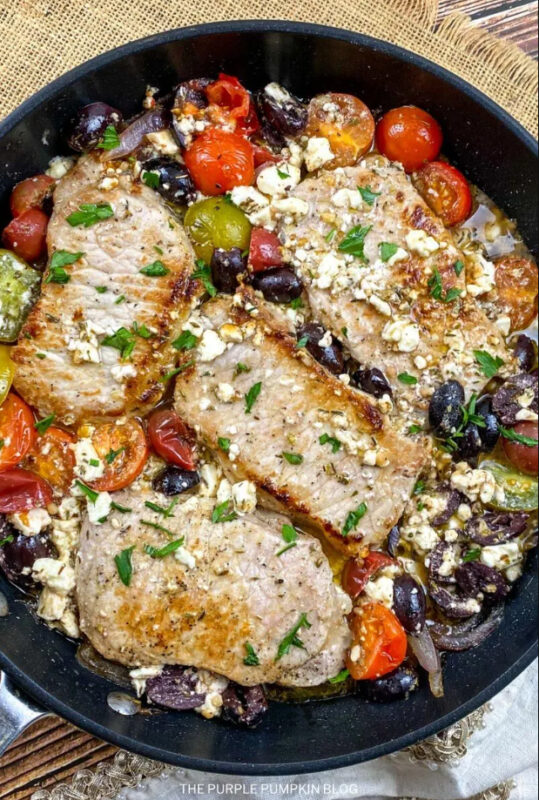
Flavorful One-Pan Mediterranean Pork Chops for Busy Weeknights
This recipe simplifies weeknight cooking by preparing pork chops and a medley of vegetables, such as bell peppers, zucchini, and cherry tomatoes, all on a single baking sheet. Seasoned with Mediterranean herbs and spices, this dish offers a complete meal with minimal cleanup, making it an attractive option for time-strapped individuals.
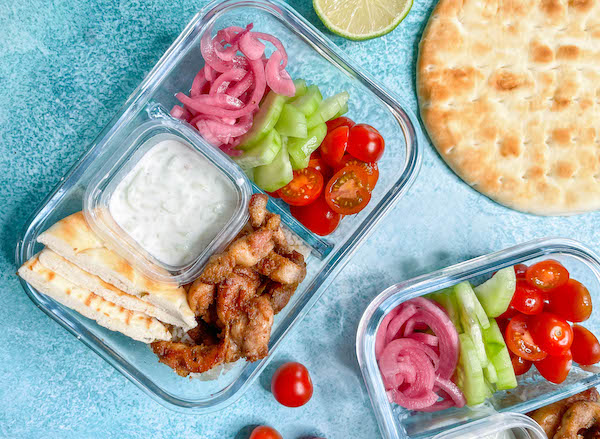
Mediterranean Chicken Shawarma Bowl
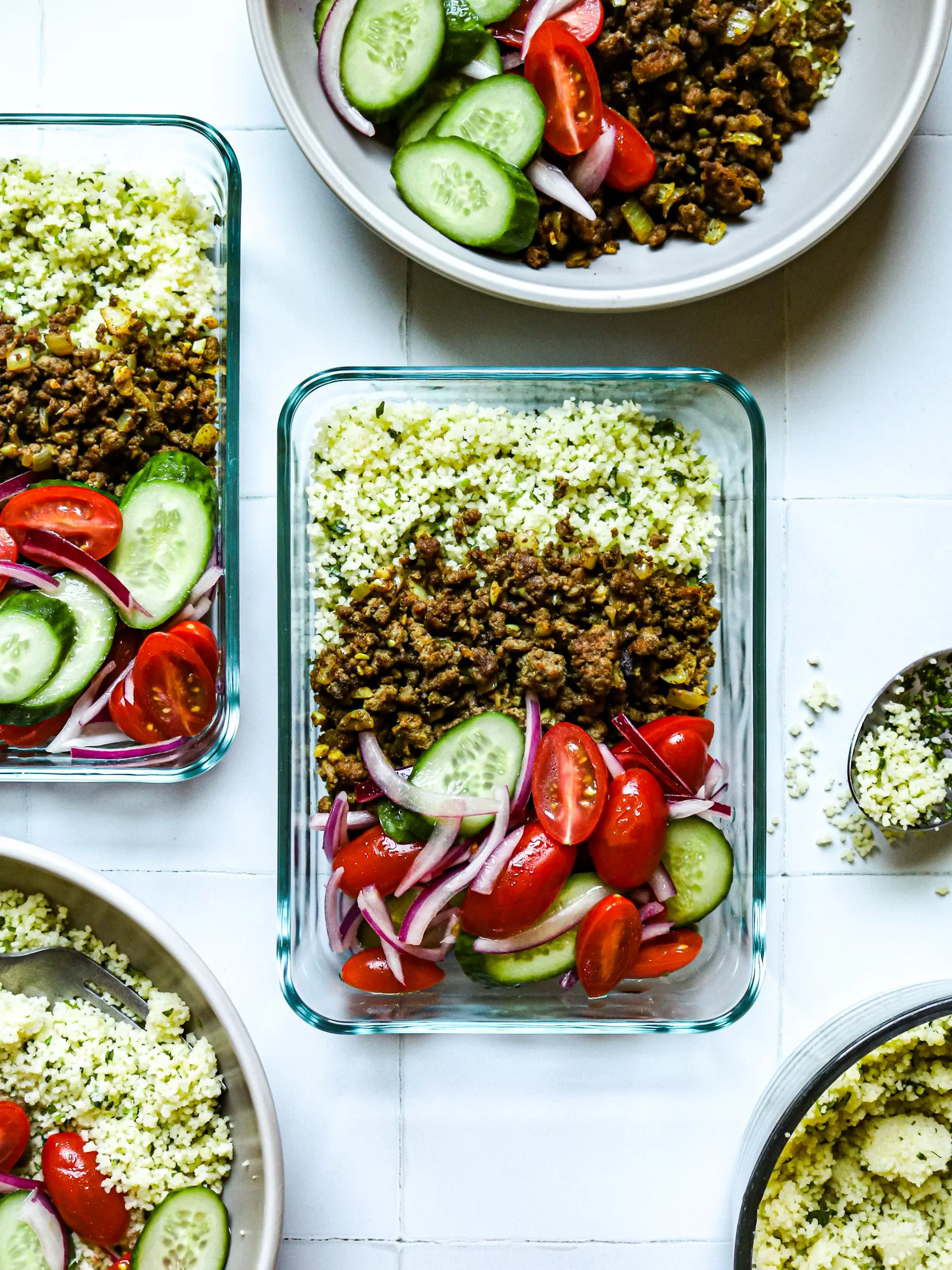
Inspired by the popular street food, this bowl features marinated chicken shawarma, served over a bed of fluffy couscous or quinoa. Accompaniments often include chopped tomatoes, cucumbers, onions, and a drizzle of tahini or garlic yogurt sauce. The ability to prep the chicken and vegetables in advance makes this a quick and flavorful meal solution.
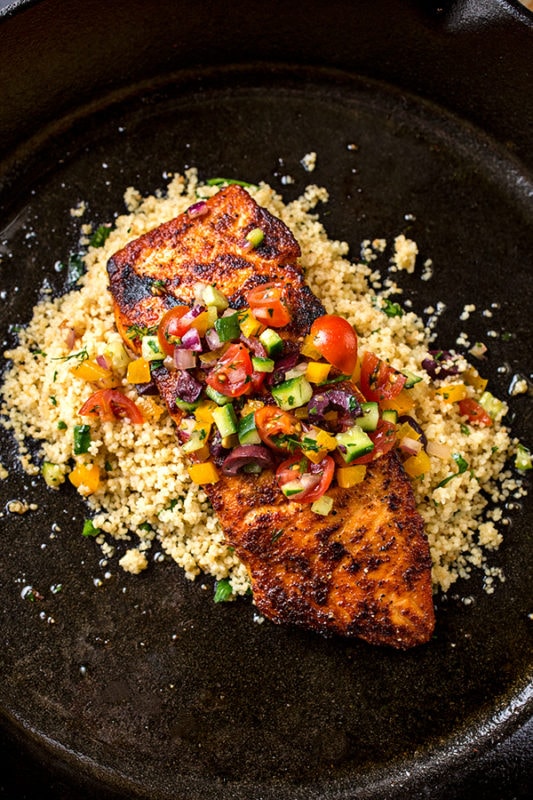
Pan Seared Salmon
Salmon, rich in omega-3 fatty acids, is a cornerstone of a healthy Mediterranean diet. Pan-seared to perfection, it pairs beautifully with a variety of side dishes. Meal prep-friendly accompaniments include roasted asparagus, lemon-herb roasted potatoes, or a fresh Greek salad. The simplicity and nutritional value of this dish make it a consistent favorite.
Mediterranean Pork Tenderloin & Couscous in the Slow Cooker
This slow cooker recipe offers a hands-off approach to preparing a delicious Mediterranean-inspired meal. Pork tenderloin is slow-cooked with vegetables like bell peppers and onions, and seasoned with Mediterranean herbs. Served alongside fluffy couscous, it creates a tender and flavorful dish that is ideal for batch cooking.
One Pan Baked Cod & Veggies
This sheet pan meal combines flaky cod fillets with a vibrant assortment of vegetables such as broccoli, bell peppers, and cherry tomatoes. Drizzled with olive oil and seasoned with Mediterranean herbs, this dish bakes together in under 30 minutes, offering a quick, healthy, and easy-to-clean-up meal option.
Mediterranean Quinoa Bowls with Roasted Red Pepper Sauce
These vibrant quinoa bowls are a visual and culinary delight. They feature a base of quinoa, topped with a variety of fresh vegetables, chickpeas, and a luscious roasted red pepper sauce. The sauce, made from roasted red peppers, garlic, and olive oil, adds a sweet and smoky depth to the dish. This recipe is a perfect example of how simple ingredients can create a complex and satisfying flavor profile.
Sweet Potato Wedges with Tahini
A delightful side dish or a component of a larger meal, these sweet potato wedges offer a touch of sweetness and are packed with vitamins. Roasted to perfection and drizzled with a creamy tahini sauce, they provide a healthy carbohydrate option. This dish can be prepared in advance and reheated, making it a convenient addition to meal prep plans.
Shawarma-Spiced Beef and Couscous
This flavorful dish showcases the aromatic spices of shawarma, coating tender beef and served with fluffy couscous. The beef can be marinated and cooked ahead of time, making assembly quick and easy. Paired with fresh vegetables and a dollop of yogurt sauce, it offers a robust and satisfying meal.
The Broader Impact of Embracing Mediterranean Meal Prep
The adoption of Mediterranean-style meal preparation extends beyond individual health benefits. It represents a conscious choice to prioritize well-being through accessible and enjoyable food practices. In an era where processed foods and sedentary lifestyles are prevalent, the Mediterranean Diet offers a time-tested blueprint for a healthier existence. Its emphasis on whole foods, sustainable agriculture, and mindful eating resonates with a growing global awareness of environmental and personal health.
The convenience of meal prepping further democratizes healthy eating. By investing time upfront, individuals can circumvent the daily pressure of deciding what to eat and the temptation of less healthy convenience foods. This strategic approach empowers individuals to take control of their nutrition, fostering a sense of accomplishment and well-being. As more people embrace the principles of the Mediterranean Diet and its meal prep applications, the ripple effect on public health and dietary habits could be substantial, contributing to a healthier, more sustainable future.