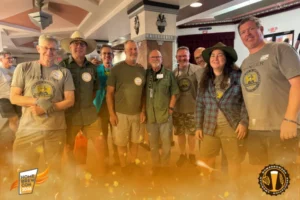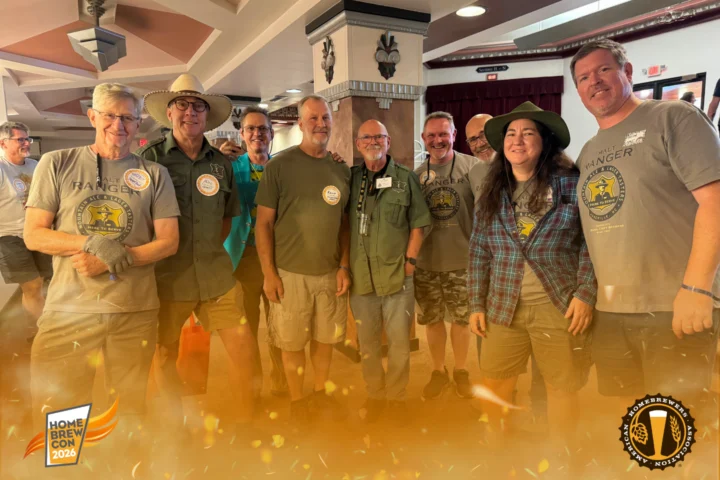

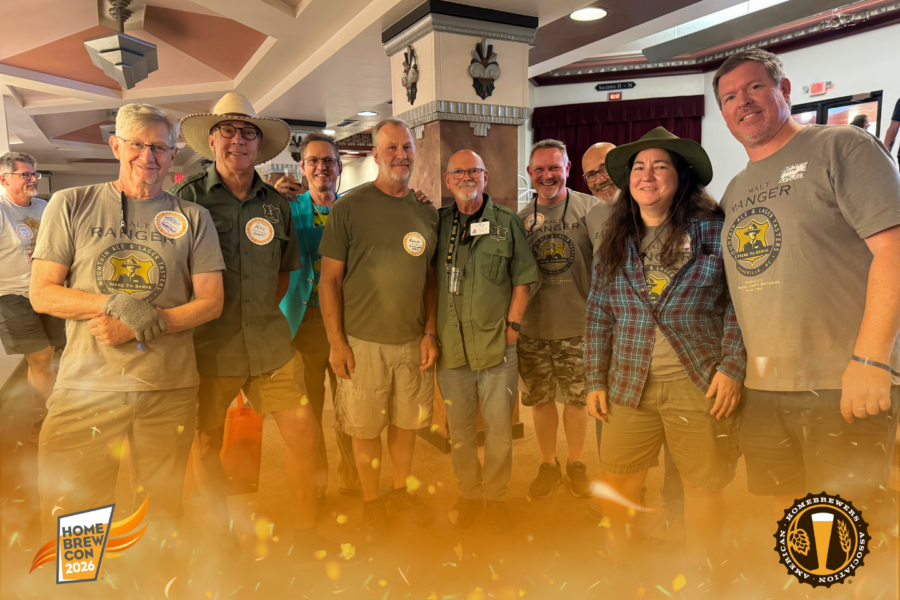
On Saturday, June 20, 2026, the American Homebrewers Association (AHA) reached a pivotal milestone in its storied history, convening more than 1,000 members at the 46th annual Homebrew Con in Asheville, North Carolina. This gathering served as the primary venue for an extensive update regarding the association’s first full year of operation as an independent nonprofit organization. With a final attendance count of 1,141 participants—including homebrewers, industry speakers, BJCP-certified judges, stewards, and volunteers—the conference sold out before its conclusion, signaling a robust resurgence in the homebrewing community and a successful transition for the association’s leadership.
The core message delivered during the update was one of strategic evolution and structural permanence. One year ago, the AHA embarked on a significant organizational shift, detaching from its previous administrative framework to operate as an autonomous entity. This transition granted the AHA its own independent board of directors, dedicated financial management, specialized committees, and a refreshed vision aimed at securing the hobby’s relevance in a rapidly changing beverage landscape. As the organization looks toward the future, its new leadership is focused on refining existing programs while implementing a mission-driven strategy to support the millions of hobbyists across the United States.
A New Era of Independence and Governance
The transition to an independent nonprofit status marks the most significant administrative change for the AHA since its founding in 1978. Historically, the AHA operated under the umbrella of the Brewers Association (BA), an arrangement that provided stability but often required balancing the interests of professional craft brewers with those of amateur enthusiasts. The move to independence, finalized in 2025, was designed to allow the AHA to dedicate 100% of its resources and advocacy efforts toward the homebrewing community.
During the Asheville update, the AHA Board of Directors emphasized that the past twelve months have been a period of "learning and refining." The new governance model relies heavily on member leaders who bring diverse expertise from both the brewing industry and various professional sectors. By managing its own finances and strategic priorities, the AHA has been able to pivot more quickly to address the specific needs of homebrewers, such as legislative advocacy for homebrew transport laws and the modernization of educational resources.
The organization’s new vision focuses on three primary pillars: education, community, and advocacy. Under this framework, the AHA has restructured its committees to better reflect the modern brewing environment, including specialized groups focused on sustainability in homebrewing, the integration of new fermentation technologies, and the expansion of diversity and inclusion initiatives within the hobby.
Homebrew Con 2026: A Catalyst for Growth in Asheville
Asheville, often referred to as "Beer City USA," provided a fitting backdrop for the 46th Homebrew Con. The choice of location was deliberate, leveraging the city’s dense concentration of craft breweries and its historical significance in the American beer movement. The fact that the event sold out underscores a high level of engagement that many industry analysts had questioned in the post-pandemic era.
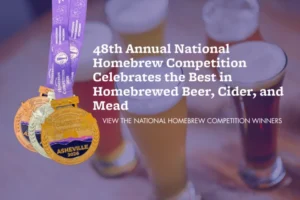
The 1,141 attendees participated in a rigorous schedule of seminars, ranging from technical deep-dives into water chemistry and yeast propagation to the sensory evaluation of experimental hop varieties. The conference also hosted the final round of the National Homebrew Competition, the world’s largest international homebrew competition, which continues to serve as a benchmark for quality and innovation in the hobby.
The "sold out" status of the event is a key metric for the AHA’s new leadership. In the years leading up to the independence shift, attendance at national gatherings had seen fluctuations due to the rising costs of travel and the proliferation of local craft beer options. The 2026 figures suggest that the "independent" AHA has successfully tapped into a renewed desire for high-level, in-person educational experiences and peer-to-peer networking that digital platforms cannot fully replicate.
Historical Context and the Evolution of the Hobby
To understand the significance of the 2026 member update, it is necessary to look at the trajectory of homebrewing in America. The hobby was effectively legalized at the federal level in 1978 when President Jimmy Carter signed H.R. 1337. Shortly thereafter, Charlie Papazian founded the AHA in Boulder, Colorado. For decades, homebrewing was the primary "R&D department" for what would become the craft beer revolution.
However, as the craft beer industry matured and thousands of professional breweries opened across the country, the motivation for homebrewing shifted. It moved from being the only way to access flavorful beer to a sophisticated culinary pursuit. By the early 2020s, the hobby faced headwinds from a "saturated" beer market and changing consumer habits among younger generations.
The AHA’s move to independence in 2025 was a response to these cultural shifts. By separating from the professional brewing trade group, the AHA reclaimed its identity as a grassroots organization for enthusiasts. The 2026 update in Asheville confirmed that this "back to basics" approach, coupled with professionalized nonprofit management, has resonated with the membership base.
Supporting Data and Economic Impact
The homebrewing industry remains a significant contributor to the broader fermentation economy. According to data discussed during the conference sessions, there are an estimated 1.1 million homebrewers in the United States who brew at least once a year. Collectively, these hobbyists produce approximately 1 million barrels of beer annually, representing about 1% of the total U.S. beer production.
The economic impact extends to the retail sector, where homebrew supply shops—both physical and online—generate hundreds of millions of dollars in revenue from the sale of malt, hops, yeast, and specialized equipment. The AHA’s independence has allowed it to launch new initiatives to support these small businesses, including a "Shop Local" campaign and a revamped "AHA Member Deals" program that connects hobbyists with over 2,000 partner locations nationwide.
Furthermore, the 2026 conference itself provided a significant economic boost to the Asheville region. With over 1,100 visitors spending an average of three to four days in the city, the estimated local economic impact exceeded $1.5 million, encompassing hotel stays, dining, and tourism.
Official Responses and Member Sentiment
The reaction from the membership during the Asheville update was overwhelmingly positive, characterized by a sense of renewed ownership over the association’s direction. "The AHA is building for the future," stated one board member during the plenary session. "We are no longer just a division of a larger trade group; we are a self-governing body of enthusiasts who are passionate about the art of fermentation."
Long-time members noted that the independence has led to a more transparent communication style from the leadership. The update included a detailed breakdown of the organization’s financial health, showing that the AHA has successfully diversified its revenue streams beyond just membership dues and conference tickets. New sponsorships from technology firms and ingredient suppliers have provided the capital necessary to upgrade the AHA’s digital infrastructure, including a new mobile app and an expanded "members-only" recipe database.
Volunteers and stewards, who are the backbone of the National Homebrew Competition, also expressed satisfaction with the new organizational structure. The creation of a dedicated volunteer coordination committee has streamlined the logistics of regional qualifying rounds, ensuring that the competition remains the gold standard for amateur brewing globally.
Implications for the Future of Homebrewing
The successful first year of independence for the AHA carries several implications for the future of the hobby. First, it demonstrates that there is a sustainable nonprofit model for hobbyist organizations in the 21st century, provided they can offer tangible value through education and advocacy. The AHA’s focus on "validated recipes" and "unmatched resources" serves as a defense against the dilution of information found on unmoderated social media platforms.
Second, the AHA’s independent status allows it to take bolder stances on legislative issues. While homebrewing is legal in all 50 states, many jurisdictions still have antiquated laws regarding the transport of homebrew to competitions or the serving of homebrew at charity events. The AHA’s legislative committee is now empowered to lobby state legislatures directly, without the potential conflicts of interest that might arise if they were still tied to professional brewing interests.
Finally, the 2026 update highlighted a shift toward a more inclusive definition of "homebrewing." The association is increasingly embracing other forms of home fermentation, including mead, cider, and kombucha. By broadening its scope, the AHA is positioning itself to be the premier organization for all home fermentation enthusiasts, ensuring growth as consumer tastes continue to diversify.
Conclusion: Building for the Next Generation
As the 46th Homebrew Con concluded in Asheville, the message was clear: the American Homebrewers Association has successfully navigated its transition and is now focused on long-term sustainability. By learning from the challenges of the past and refining its operations as an independent nonprofit, the AHA is better equipped to serve its members than at any point in the last decade.
The "sold out" signs in Asheville were more than just a metric of event success; they were a testament to the enduring appeal of the hobby. With new leadership, a clear mission, and a dedicated membership base, the AHA is moving forward with the goal of ensuring that homebrewing remains a vibrant, legal, and respected part of American culture for decades to come. The organization’s focus now turns to the 47th Homebrew Con, with the momentum of a successful "Year One" as an independent entity providing a solid foundation for what lies ahead.