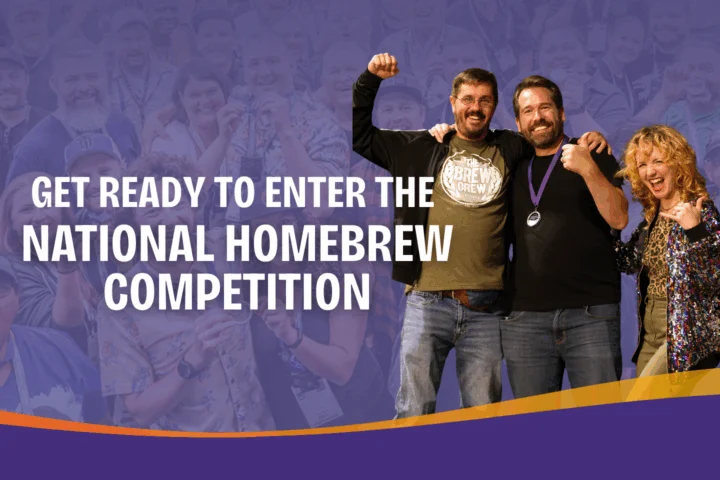

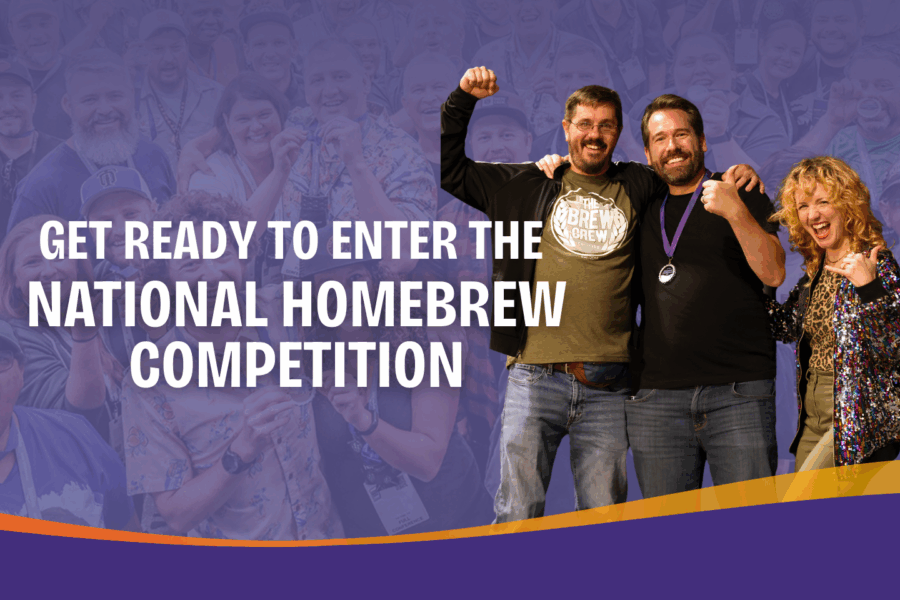
The American Homebrewers Association (AHA) has officially announced the commencement of preparations for the 2026 National Homebrew Competition (NHC), marking the 48th iteration of what remains the world’s largest and most influential sanctioned homebrewing event. The announcement comes at a pivotal moment for the organization, following its transition to an independent entity in July 2025. This structural shift has prompted a revitalization of the competition’s framework, led by a newly formed AHA Founding Board and a dedicated Events Committee comprised of volunteer member leaders and professional staff.
Since its inception in 1979, the National Homebrew Competition has served as the definitive benchmark for amateur brewing excellence. Over nearly five decades, the competition has processed and judged more than 170,000 entries, providing a comprehensive historical record of the evolution of craft fermentation. The 2026 cycle is expected to continue this legacy, utilizing the rigorous standards established by the Beer Judge Certification Program (BJCP) to evaluate thousands of entries across beer, cider, and mead categories.
Historical Context and the Evolution of the NHC
The National Homebrew Competition was founded just one year after President Jimmy Carter signed H.R. 1337 into law, which included an amendment by Senator Alan Cranston that legalized homebrewing at the federal level for the first time since Prohibition. The inaugural 1979 competition was a modest affair compared to modern standards, yet it established the "Gold Standard" for sensory evaluation that would eventually catalyze the American craft beer revolution.
Throughout the 1980s and 1990s, the NHC functioned as a talent scout for the nascent professional brewing industry. Many of the most decorated professional brewers in the United States, including those who founded industry giants like Sierra Nevada Brewing Co. and Dogfish Head Craft Brewery, began their careers by submitting entries to the NHC. The competition’s growth mirrored the expansion of the American palate, moving from basic ales and lagers to complex, high-gravity styles and experimental fermentations.
By the early 2000s, the NHC had grown so large that it required a two-stage judging process to manage the volume of entries. This regional first-round system allowed for local judging across the United States, with only the top-performing entries advancing to the Final Round. This structure remains a cornerstone of the 2026 competition, ensuring that every entry receives local attention before competing on a national stage.
Organizational Restructuring and the 2025 Independence
The most significant development leading into the 2026 NHC is the American Homebrewers Association’s move to independence in July 2025. Previously operating under the umbrella of the Brewers Association—a trade group representing professional craft brewers—the AHA’s transition to an independent model marks a return to its grassroots origins. This move was designed to allow the organization to focus exclusively on the needs of the homebrewing community without the competing interests of the commercial sector.
The 2026 NHC will be the first full-scale competition managed under this new independent governance. The AHA Founding Board has reportedly been working to streamline the registration process and enhance the feedback loop between judges and entrants. According to internal reports, the goal of the 2026 event is to leverage the autonomy of the new AHA to improve logistics, particularly in the areas of cold-chain shipping and digital score-sheet distribution.
Technical Framework and Judging Standards
The integrity of the National Homebrew Competition is upheld through its partnership with the Beer Judge Certification Program (BJCP). Founded in 1985, the BJCP provides the standardized style guidelines and the trained personnel necessary to evaluate thousands of diverse entries. For the 2026 competition, judges will utilize the most current BJCP Style Guidelines, which categorize fermented beverages based on aroma, appearance, flavor, mouthfeel, and overall impression.
The judging process for the NHC is notoriously rigorous. Entries are evaluated in "flights" by panels of at least two or three judges. Each entry is scored on a 50-point scale, and judges provide detailed written feedback intended to help the brewer improve their process. In the 2026 cycle, the competition will maintain its multi-category format, accepting entries in:
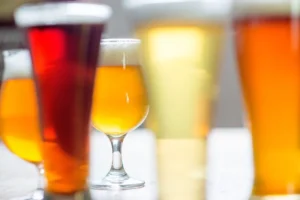
- Standard Beer Categories: Ranging from light lagers and pilsners to robust porters, stouts, and highly hopped IPAs.
- Mead: Including traditional, fruit, and spiced meads, reflecting the growing popularity of honey-based fermentation.
- Cider and Perry: Covering standard and specialty ciders made from apples and pears.
The competition also serves as the platform for the "Homebrew Shop of the Year" and "Homebrew Club of the Year" awards, which recognize the community infrastructure that supports individual hobbyists.
Economic and Cultural Impact of Homebrewing
While the NHC is an amateur competition, its economic implications are substantial. The homebrewing hobby is a significant driver of the broader fermentation industry. According to data from the most recent AHA surveys, there are approximately 1.1 million homebrewers in the United States. These hobbyists contribute an estimated $700 million annually to the economy through the purchase of ingredients, equipment, and educational materials.
Furthermore, the NHC acts as a research and development wing for the commercial craft beer industry. Trends that begin in the homebrewing community—such as the revival of ancient styles like Gose or the development of New England IPAs—often move into the commercial market within a few years. By providing a platform for experimental brewing, the 2026 NHC will likely offer a preview of the next decade of commercial craft beer trends.
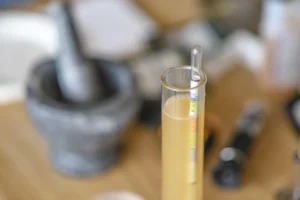
The competition also fosters a high level of technical proficiency. Many participants utilize advanced techniques such as water chemistry adjustment, closed-pressure fermentation, and laboratory-grade yeast propagation. The feedback provided during the NHC is often cited by participants as the primary catalyst for transitioning from "extract" brewing to "all-grain" brewing, a move that requires a deeper understanding of the enzymatic processes of mashing.
Timeline and Logistics for the 2026 Cycle
The AHA has outlined a preliminary timeline for the 2026 competition, with the most critical information slated for release in February 2026. This forthcoming data will include:
- Registration Deadlines: The window during which brewers must secure their entry slots. Historically, high-demand categories have filled within hours of opening.
- Shipping and Drop-off Windows: Precise dates for the arrival of entries at regional judging sites to ensure freshness.
- Final Round Hotel and Venue Information: Details regarding the location of the 2026 awards ceremony, which is traditionally held in conjunction with the Homebrew Con national conference.
- Category Updates: Any modifications to the competition categories to reflect evolving brewing styles or new BJCP updates.
Prospective entrants are encouraged to begin their recipe development and pilot batching in late 2025 to ensure that their entries reach peak maturation during the judging window. The AHA emphasizes that the "First Round" remains the most critical hurdle, as only a small percentage of entries advance to the "Final Round" to compete for the prestigious gold, silver, and bronze medals.
Analysis of Implications for the Brewing Community
The return of the NHC under an independent AHA is viewed by industry analysts as a litmus test for the health of the homebrewing movement. In recent years, the hobby has faced challenges from the proliferation of high-quality, widely available commercial craft beer, which has reduced the "necessity" for enthusiasts to brew their own. However, the NHC continues to draw a dedicated core of participants who view brewing as a culinary art form and a technical challenge rather than merely a means of obtaining alcohol.
The independence of the AHA suggests a strategic pivot toward deepening member engagement. By focusing on the "glory" and "prestige" of the NHC, the new leadership aims to re-energize local homebrew clubs, which saw a decline in activity during the COVID-19 pandemic. The 2026 competition is expected to emphasize the community aspect of the hobby, with a potential increase in awards for collaborative club entries.
As the brewing world looks toward February 2026 for full registration details, the National Homebrew Competition remains a testament to the enduring American spirit of DIY innovation. Whether through the perfection of a traditional German Lager or the creation of a boundary-pushing fruit mead, the participants of the 48th NHC will continue to define the parameters of what is possible in a five-gallon carboy. The competition remains not just a contest, but a vital educational institution that ensures the art and science of brewing are preserved and progressed for future generations.