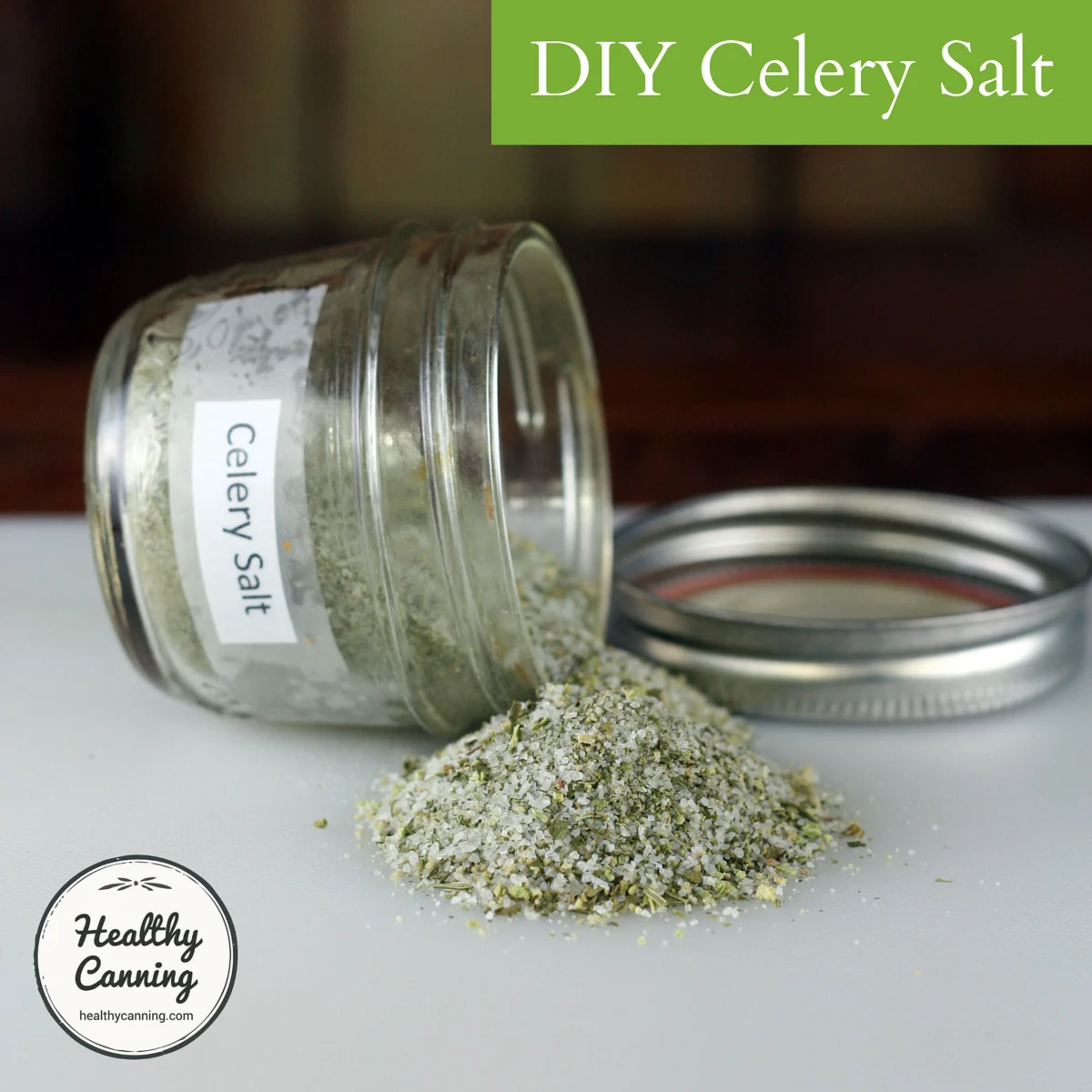

The culinary landscape is currently witnessing a significant shift toward self-sufficiency and "clean label" eating, a movement that has brought the humble DIY celery salt into the spotlight as a symbol of both economic prudence and gourmet customization. As consumers increasingly scrutinize ingredient lists for anti-caking agents and excessive sodium, the practice of blending seasonings at home has transitioned from a niche hobby of food preservationists to a mainstream trend among health-conscious home cooks. Celery salt, a staple of American pantry shelves and a foundational element of iconic dishes ranging from the Chicago-style hot dog to the Bloody Mary, is at the forefront of this DIY revolution. By utilizing basic kitchen tools like food dehydrators and spice grinders, individuals are now producing high-quality seasonings for a fraction of the retail cost while simultaneously addressing complex dietary needs.
The Economic and Culinary Logic of Homemade Seasonings
The primary driver behind the surge in DIY celery salt production is the stark contrast in value between commercial products and homemade alternatives. Retail spice blends often carry a significant markup, sometimes exceeding several hundred percent of the raw ingredient cost. A standard 4-ounce jar of organic celery salt can retail for five to eight dollars, whereas the raw components—bulk celery seeds and salt—can be procured for mere pennies per serving. According to data from home preservation advocates, making celery salt at home allows for a yield of approximately 75 grams (five tablespoons) per batch, a quantity that satisfies most household needs for several months.
Beyond cost, the gourmet potential of homemade blends far exceeds that of mass-produced varieties. Commercial celery salt is typically a rigid mixture of ground celery seed and fine table salt. In contrast, the DIY approach allows for the integration of diverse salt bases, including Himalayan pink salt, flaky sea salt, or even smoked salts to add depth to grilled meats. Furthermore, the "celery" component itself can be elevated. While ground celery seed provides a sharp, traditional flavor, the use of homemade celery powder—derived from dehydrating fresh celery stalks and leaves—offers a more nuanced, vegetal profile that professional chefs often categorize as "gourmet."
Technical Methodology: From Seed to Powder
The production of celery salt follows two primary methodologies, each yielding a distinct flavor profile. The first and most accessible method involves the use of whole celery seeds. These seeds are the dried fruit of Apium graveolens, the same plant species as the vegetable, but they possess a much more concentrated, slightly bitter flavor. In this process, the seeds are pulverized in a spice or coffee grinder before being blended with salt at a typical ratio of two parts salt to one part ground seed.

The second, more advanced method involves the dehydration of fresh celery. This technique is frequently utilized by home canners and food preservationists who seek to eliminate food waste. By taking the often-discarded "hearts" and leaves of celery and processing them through a food dehydrator at low temperatures (typically 125°F or 52°C), cooks can create a vibrant green powder. This homemade celery powder is considered superior in freshness and aromatic intensity compared to the seed-based version. Once the celery is fully desiccated and ground into a fine dust, it is combined with the user’s choice of salt. This method not only provides a superior culinary product but also aligns with the "zero-waste" kitchen philosophy that has gained traction in recent years.
A Chronology of Celery in American Cuisine
To understand the resurgence of celery salt, one must look at the historical trajectory of celery itself in the United States. In the late 19th and early 20th centuries, celery was considered a luxury item, often served in dedicated "celery vases" on Victorian dinner tables. Cities like Kalamazoo, Michigan, became known as "Celery City" due to the vast marshes dedicated to its cultivation.
As celery became more ubiquitous, its concentrated flavor in the form of celery salt became an essential component of the American flavor palette. In 1927, the creation of the Chicago-style hot dog—defined by its "dragged through the garden" toppings—cemented celery salt’s status as a cultural icon. Shortly thereafter, in the 1930s, the development of the Bloody Mary cocktail in New York further popularized the seasoning as a rimming agent and flavor enhancer. The current DIY movement represents a "full circle" moment, returning to the era of artisanal preparation while utilizing modern technology like electric dehydrators to achieve consistency.
Health Implications and Dietary Customization
One of the most significant advantages of the DIY seasoning movement is the ability to cater to specific health requirements, particularly regarding sodium intake. Hypertension and cardiovascular health concerns have led many consumers to seek low-sodium or sodium-free alternatives. Commercial seasonings rarely offer these options, but the DIY recipe is inherently flexible.
Home cooks are increasingly substituting traditional sodium chloride with mineral-rich salt alternatives or herb-based substitutes such as Herbamare. This allows for a "salt-free celery salt" that provides the aromatic bitterness of the celery without the hypertensive risks associated with high sodium consumption. Additionally, for those concerned about additives, making the blend at home ensures the absence of silicon dioxide or calcium silicate, which are commonly added to commercial salts to prevent clumping in humid environments.

Furthermore, celery is a natural source of nitrates. In the world of charcuterie and meat preservation, celery powder and celery salt are often used as "natural" curing agents. While the concentrations in a simple table seasoning are not sufficient for meat curing on their own, the presence of these natural compounds appeals to consumers looking to avoid synthetic nitrites in their diet.
Analysis of Market Impact and Consumer Behavior
The shift toward DIY seasonings like celery salt is reflective of a broader trend in consumer behavior identified by market analysts as the "Prosumer" movement—where consumers become producers of the goods they once bought. This has had a measurable impact on the kitchen appliance market. Sales of high-end blenders, vacuum sealers, and food dehydrators have seen steady growth as more households invest in the infrastructure necessary for home food processing.
Expert responses from the food preservation community, including Master Food Preserver groups, suggest that this trend is also a reaction to supply chain instabilities. By maintaining a pantry of raw ingredients (like bulk seeds and salt) rather than finished products, consumers feel a greater sense of food security. Furthermore, the "imperfectly happy" philosophy of many home-cooking blogs emphasizes the psychological benefits of manual food preparation, citing a greater connection to one’s nutrition and a reduction in the "decision fatigue" associated with modern grocery shopping.
The Role of Digital Communities in Recipe Development
The modern recipe for DIY celery salt is rarely the product of a single source; rather, it is a synthesis of collective knowledge shared across digital platforms. Organizations and websites such as Healthy Canning have played a pivotal role in testing and refining these ratios. By aggregating data from various sources—including specialized blogs like wholenewmom.com and sufficientacres.com—these platforms provide a scientifically backed framework for home cooks.
These digital communities also serve as a support network. For instance, the Master Food Preserver groups offer real-time assistance to those navigating the complexities of dehydration and long-term storage. This democratized access to expertise has lowered the barrier to entry for novice cooks, ensuring that the transition from store-bought to homemade is both safe and successful.
Broader Implications for the Food Industry
The rise of DIY seasonings serves as a signal to the global food industry that transparency and customization are no longer optional. As more consumers realize they can produce superior versions of pantry staples at home, commercial brands may be forced to innovate. This could lead to a "premiumization" of the spice aisle, where brands focus on single-origin seeds and artisanal salts to compete with the quality of home-blended products.
In conclusion, the movement toward DIY celery salt is more than a simple cost-saving measure; it is an intersection of health, history, and culinary art. It empowers the individual to take control of their flavor profiles and nutritional intake while honoring a tradition of self-reliance. As the "clean label" movement continues to evolve, the ability to turn a head of celery and a handful of salt into a gourmet seasoning will remain a foundational skill for the modern, informed cook. Whether used to top a classic hot dog or to season a sophisticated roast, homemade celery salt stands as a testament to the enduring value of the artisanal approach in an era of mass production.