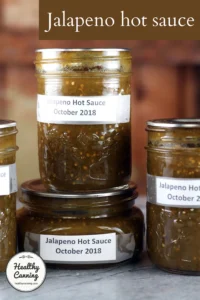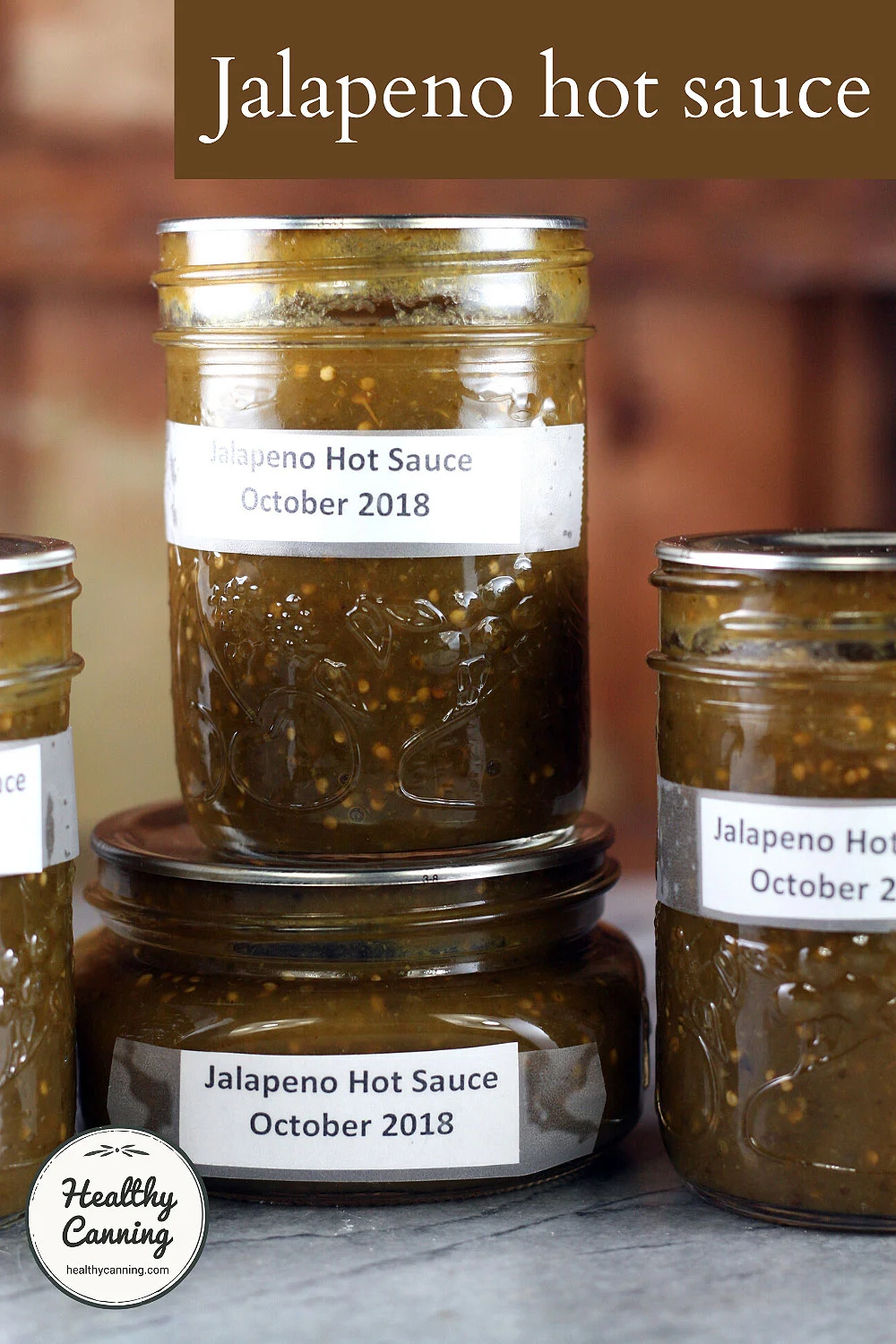

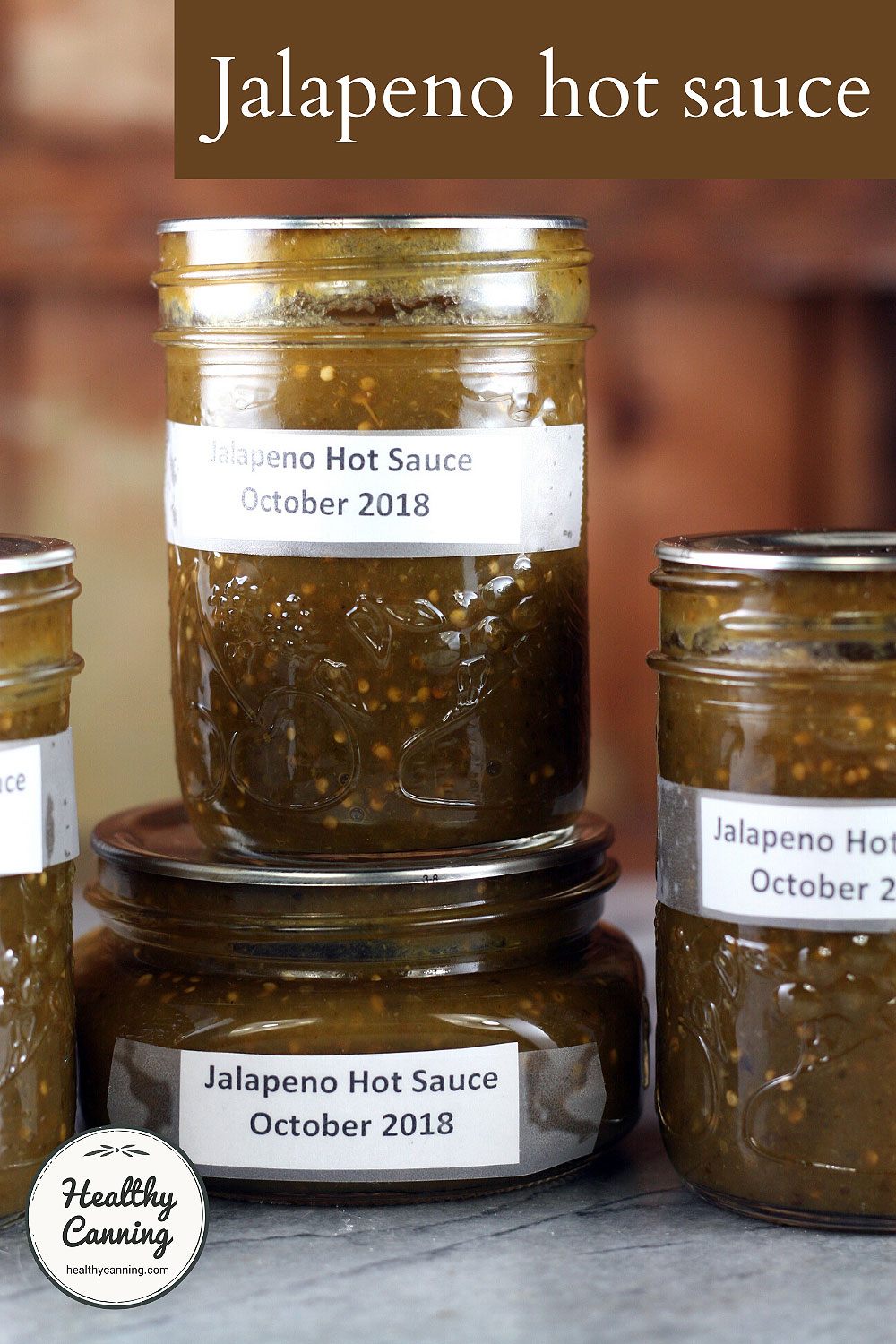
The practice of home food preservation has seen a significant resurgence in recent years, driven by a growing consumer interest in food provenance, the reduction of chemical additives, and the economic benefits of processing homegrown produce. Among the various categories of preserved goods, hot sauces—particularly those utilizing the jalapeño pepper—have emerged as a staple for home canners. However, the intersection of culinary creativity and food safety remains a critical focal point for agricultural experts and home economists. A specific formulation for jalapeño hot sauce, derived from the United States Department of Agriculture (USDA) guidelines for Cayenne Pepper Sauce, illustrates the rigorous scientific standards required to ensure that high-acid condiments are shelf-stable and safe for long-term consumption. By substituting green jalapeños for traditional red peppers and tomatillos for tomatoes, preservers are able to create a thick, spoonable green hot sauce that meets federal safety benchmarks while offering a distinct flavor profile.
The Scientific Foundation of Home Canning Safety
The safety of home-canned products is fundamentally a matter of microbiology and chemistry. The primary concern in canning low-acid foods is the prevention of Clostridium botulinum growth, the bacterium responsible for botulism. While jalapeños and tomatillos are generally considered high-acid or borderline-acidic when combined with the correct proportions of vinegar, the USDA maintains strict protocols to ensure the final pH of the product remains below 4.6. This specific jalapeño hot sauce recipe relies on the "safe swap" principle, where ingredients of similar acidity and density are substituted within a laboratory-tested framework.
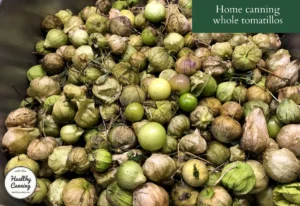
According to food safety researchers at the National Center for Home Food Preservation (NCHFP), tomatillos are an acceptable substitute for tomatoes because their natural acidity levels are comparable, and in some cases, slightly higher. This ensures that the equilibrium pH of the canned sauce remains within the safety zone. Furthermore, the use of green jalapeños in place of cayenne or other red peppers does not alter the processing time, provided the total volume of peppers remains constant. This adherence to tested ratios is what distinguishes a scientifically validated recipe from "rebel canning," which often ignores the variables of heat penetration and microbial lethality.
Technical Specifications and Processing Methodology
The production of this jalapeño hot sauce involves a multi-stage process that emphasizes precision. The recipe is designed to yield approximately five half-litre (US pint) jars, though it is frequently scaled down for smaller batches. The technical requirements for successful preservation include a mandatory headspace of 2 centimeters (approximately 1/2 inch) to allow for the expansion of the liquid during the heating process and to ensure the creation of a vacuum seal upon cooling.

Processing can be achieved through two primary methods: water-bath canning or steam canning. Both methods require a processing time of 10 minutes for jars ranging from 125 ml to 500 ml. However, this time is not universal; it must be adjusted based on the altitude of the canning location. At higher altitudes, water boils at a lower temperature, which necessitates longer processing times to achieve the same level of microbial destruction. For instance, those living at altitudes above 1,000 feet must increase the processing time according to established USDA charts to compensate for the atmospheric pressure differences.
Historical Context of USDA Canning Guidelines
The origins of these canning protocols date back to the early 20th century when the USDA first began publishing bulletins to help rural families safely preserve their harvests. The 1940s saw a surge in "Victory Gardens," which necessitated more robust educational materials regarding food safety. By the 1980s, the USDA, in collaboration with various land-grant universities, established the NCHFP to centralize research and provide a "Complete Guide to Home Canning."
The Cayenne Pepper Sauce recipe, which serves as the parent formula for the jalapeño variation, was developed during a period of intensive laboratory testing to determine the "D-value" (decimal reduction time) for common pathogens. The fact that the NCHFP rarely adds commentary to these recipes makes their specific warning regarding this sauce notable. Official documentation describes the resulting condiment as "very hot," a rare subjective descriptor in an otherwise objective technical manual, intended to warn consumers about the high concentration of capsaicin in the finished product.
Nutritional Profile and Ingredient Analysis
From a nutritional standpoint, the jalapeño hot sauce is a low-calorie condiment, making it an attractive option for health-conscious consumers. Data indicates that a single-gram serving contains approximately 8 calories, with 1.6 grams of carbohydrates and negligible amounts of fat and protein. The sodium content is remarkably low at 2 mg per serving, which is significantly lower than most commercially available hot sauces that rely heavily on salt for flavor and preservation.
The primary ingredients—jalapeño peppers and tomatillos—provide more than just heat and acidity. Jalapeños are a rich source of Vitamin C and Vitamin B6, as well as capsaicin, which has been studied for its potential metabolic-boosting properties. Tomatillos contribute pectin, which gives the sauce its characteristic "thick, spoonable" consistency without the need for artificial thickeners or gums. This clean-label approach aligns with modern dietary trends favoring whole-food ingredients.
The Broader Impact on Food Security and Local Economy
The ability to safely preserve jalapeño hot sauce has implications that extend beyond the kitchen. On a macro level, home canning contributes to food security by allowing individuals to store seasonal surpluses for year-round use. In many regions, jalapeño crops peak in late summer, often producing more fruit than a single household can consume fresh. By converting this surplus into a shelf-stable condiment, food waste is significantly reduced.
Furthermore, the "cottage food" movement has seen many home canners transition into small-scale entrepreneurship. In many US states, laws allow individuals to sell high-acid canned goods like hot sauces at farmers’ markets without the need for a commercial kitchen license, provided they follow tested recipes like those provided by the USDA. This has fostered a micro-economy of craft condiments, where local variations of jalapeño sauce reflect the terroir of specific agricultural regions.
Comparative Analysis: Homemade vs. Commercial Sauces
When comparing the USDA-based jalapeño hot sauce to mass-produced commercial alternatives, several key differences emerge. Commercial sauces often undergo "flash pasteurization" and may contain stabilizers like xanthan gum to maintain a uniform texture over long periods of transit and shelf life. In contrast, the home-canned version relies on the natural reduction of the ingredients through simmering and the natural pectins in the tomatillos.
The acidity profile also differs. While commercial sauces may use distilled vinegar of varying strengths, the USDA guidelines specifically require vinegar with at least 5% acidity. This is a critical safety point, particularly for preservers in regions like Australia or New Zealand, where retail vinegar may sometimes fall below this threshold. Ensuring the correct acetic acid concentration is the primary safeguard against spoilage in an acidified food product.
Evolution of Consumer Preferences and Spicy Food Trends
The popularity of jalapeño-based products is reflective of a broader global trend toward "heat-forward" cuisine. Market research data shows that the global hot sauce market is projected to continue its upward trajectory, driven by a demographic that seeks out complex flavor profiles rather than just "raw heat." The use of tomatillos in this recipe introduces a tart, citrus-like undertone that balances the pungency of the jalapeño, catering to this sophisticated palate.
This trend is also visible in the "pepper-growing" community, where enthusiasts cultivate heirloom varieties of jalapeños, such as the ‘Lemon Spice’ or ‘Black Jalapeño.’ While the USDA recipe was tested with standard green jalapeños, the safety principles remain the same for these heirloom variants, allowing for a degree of "controlled" culinary experimentation within the bounds of scientific safety.
Conclusion and Future Outlook for Food Preservation
The jalapeño hot sauce recipe, rooted in the rigorous standards of the USDA, serves as a bridge between traditional preservation methods and modern food science. As more people turn to home canning, the role of organizations like the NCHFP becomes increasingly vital in preventing foodborne illness through education and verified data.
Looking forward, the integration of technology into home canning—such as digital pH meters and precision steam canners—may allow for even more customization of recipes. However, the fundamental reliance on tested ratios of acid to low-acid ingredients will remain the cornerstone of the practice. For the home preserver, the production of a thick, vibrant green jalapeño sauce is not only a culinary achievement but a testament to the enduring importance of agricultural science in everyday life. By following these established protocols, individuals can ensure that their pantry remains stocked with high-quality, safe, and flavorful condiments that reflect both their personal tastes and a commitment to food safety excellence.