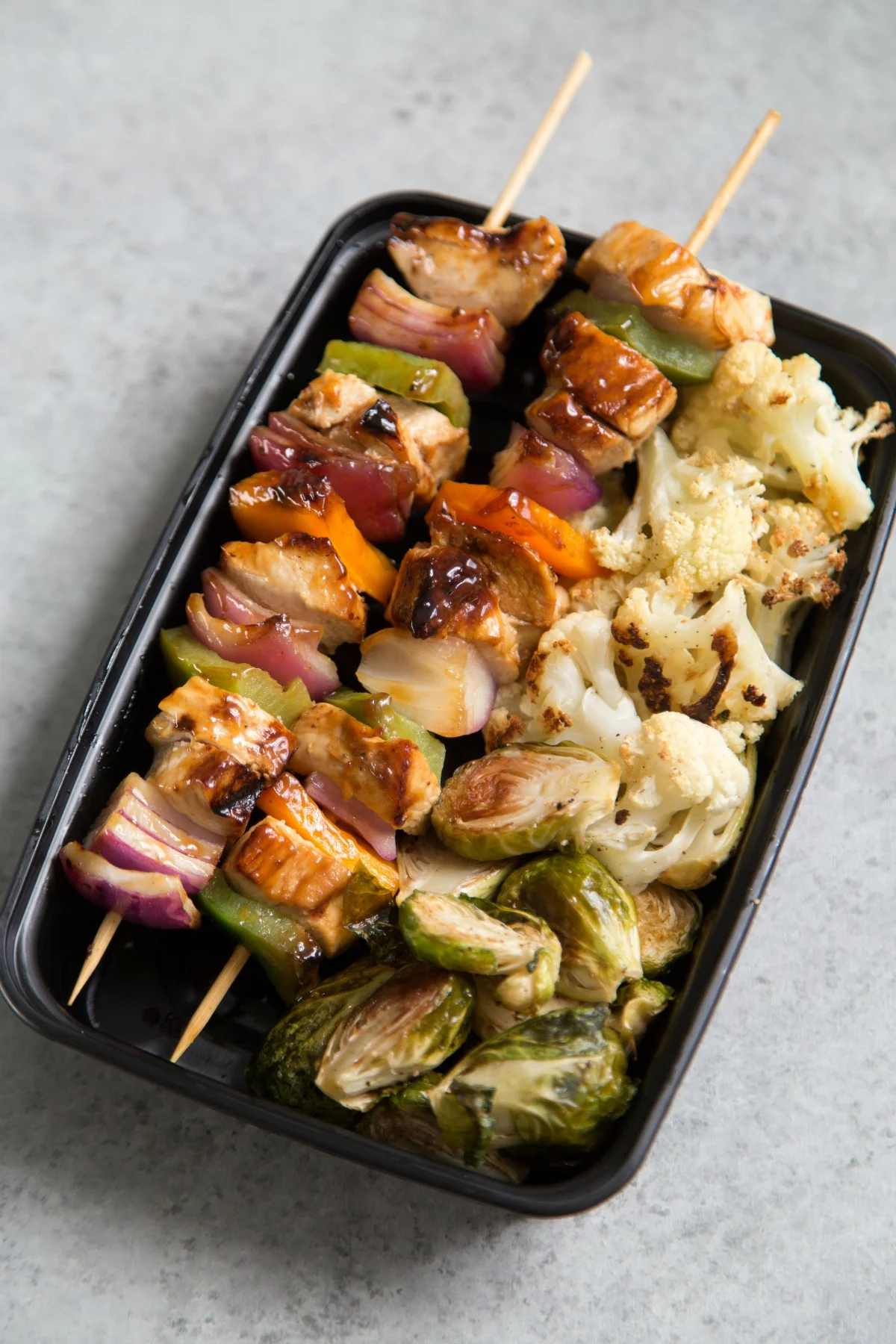

This Hawaiian Chicken Teriyaki Skewer Meal Prep offers a delightful fusion of sweet and savory flavors, packed with high protein content, and designed for effortless preparation, making it an ideal solution for busy weekdays. The recipe combines juicy teriyaki chicken skewers with complementary elements like rice, pineapple, and vegetables, creating a well-balanced and satisfying lunch that retains its appeal even after reheating and simplifies the overall meal preparation process.
In the realm of meal preparation, where efficiency and nutritional value often take precedence, this Hawaiian Chicken Teriyaki Skewer recipe emerges as a standout option. It transcends the typical chicken-and-rice combination by introducing a playful and flavorful dimension. The tender chicken, coated in a luscious teriyaki-style glaze, is paired with the natural sweetness of pineapple and the vibrant colors of assorted vegetables. This combination not only delivers a fresh taste but is also perfectly suited for make-ahead lunches, ensuring that healthy eating remains accessible throughout the week.
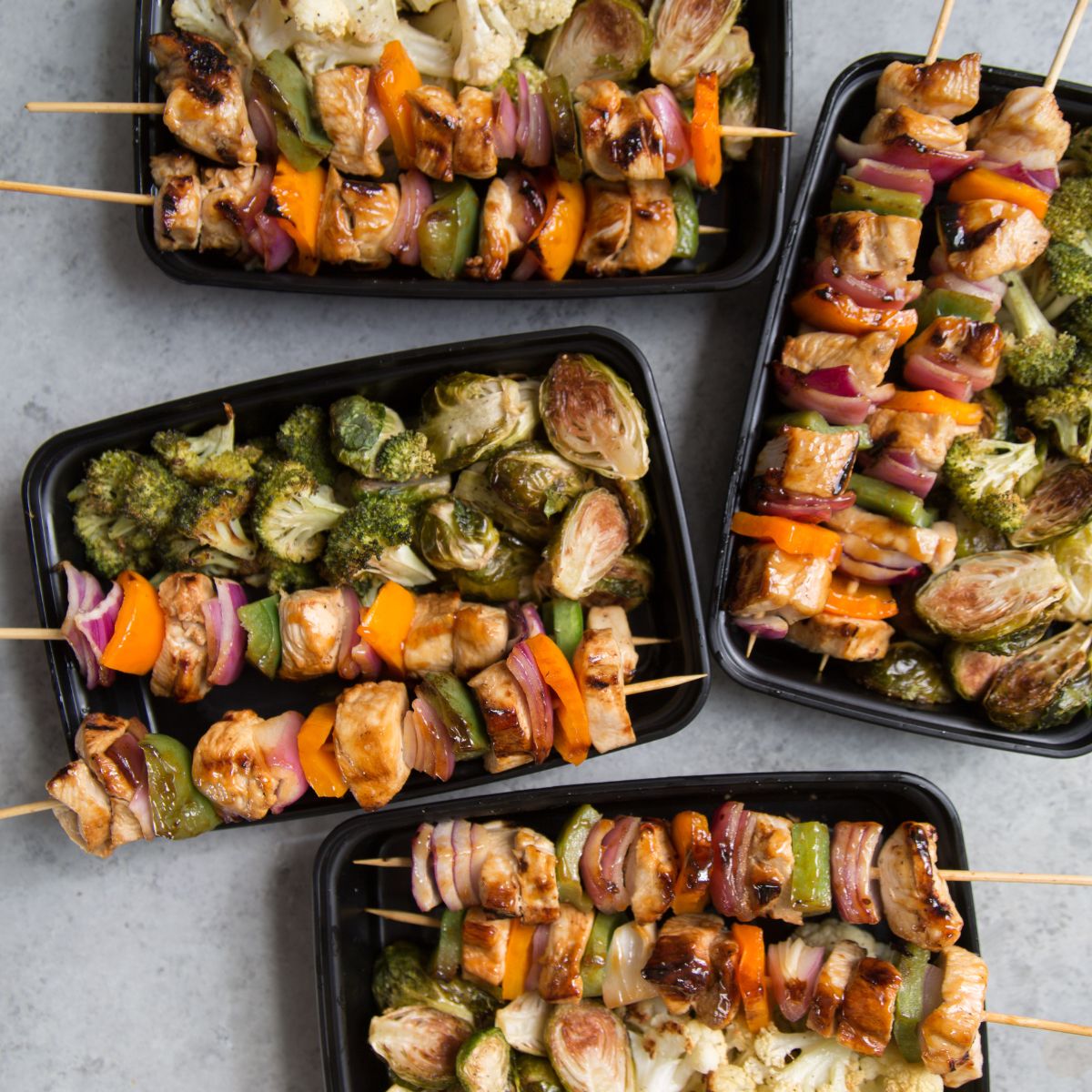
This recipe is particularly beneficial for individuals seeking a balanced meal solution for either lunch or dinner without dedicating extensive hours to kitchen tasks. It seamlessly integrates into a weekly meal prep routine, especially for those focusing on building a repertoire of high-protein recipes or searching for lunch meal prep ideas that maintain their deliciousness and appeal for up to three days. The strategic approach to meal preparation, exemplified by this recipe, addresses the growing demand for convenient yet wholesome food options in modern lifestyles.
The Appeal of Hawaiian Chicken Teriyaki Skewers for Meal Prep
The appeal of this Hawaiian Chicken Teriyaki Skewer Meal Prep lies in its multifaceted benefits. It caters to a desire for variety and enjoyment in meal preparation, moving beyond monotonous routines. The skewers offer a visually appealing presentation, making the meal feel more special than a standard container of food. The flavor profile, a harmonious blend of sweet teriyaki and savory chicken, is widely popular and generally well-received, contributing to its suitability for mass preparation.
Furthermore, the recipe’s emphasis on protein content aligns with current dietary trends that prioritize muscle building, satiety, and overall metabolic health. For individuals engaged in fitness routines or those aiming for a more substantial meal to sustain them through demanding workdays, the protein-rich nature of chicken is a significant advantage. The inclusion of pineapple and vegetables not only adds essential vitamins, minerals, and fiber but also contributes to the overall nutritional balance of the meal.
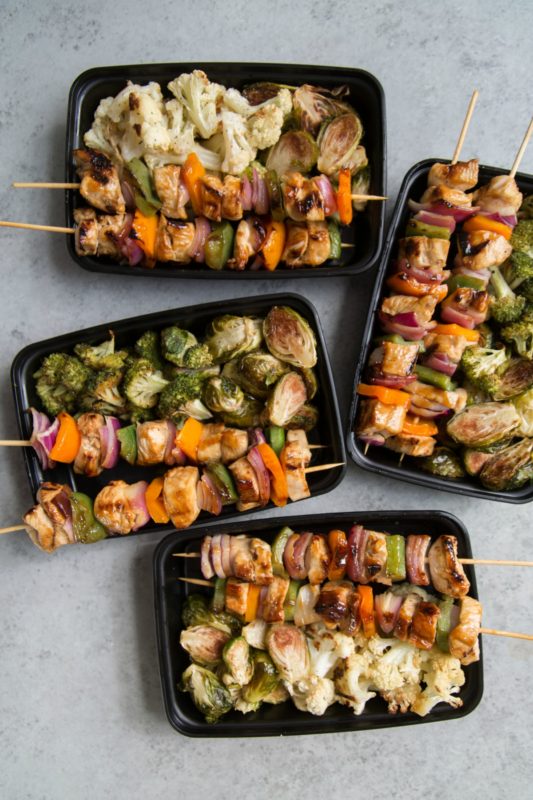
The practicality of this meal prep is another key factor. The ability to prepare components in advance, assemble skewers, cook them, and then portion them into individual containers streamlines the week. This reduces the daily stress associated with deciding what to eat and the time spent preparing meals from scratch. The recipe’s adaptability to various cooking methods—grilling, oven baking, or using a grill pan—further enhances its user-friendliness and accessibility, regardless of available equipment or cooking preferences.
Strategic Approach to Recipe Components
The success of this meal prep hinges on a strategic approach to each component. The teriyaki sauce, often a focal point, is made from scratch to ensure optimal flavor and control over ingredients. The recipe calls for a base of soy sauce, pineapple juice, honey, rice vinegar, sesame oil, garlic, and ginger. This combination creates a classic teriyaki profile with a touch of sweetness and tang. The addition of a cornstarch slurry thickens the sauce, giving it a desirable glaze-like consistency that coats the chicken beautifully. Making the sauce first allows it to cool, which is beneficial for even application and preventing premature burning during cooking.
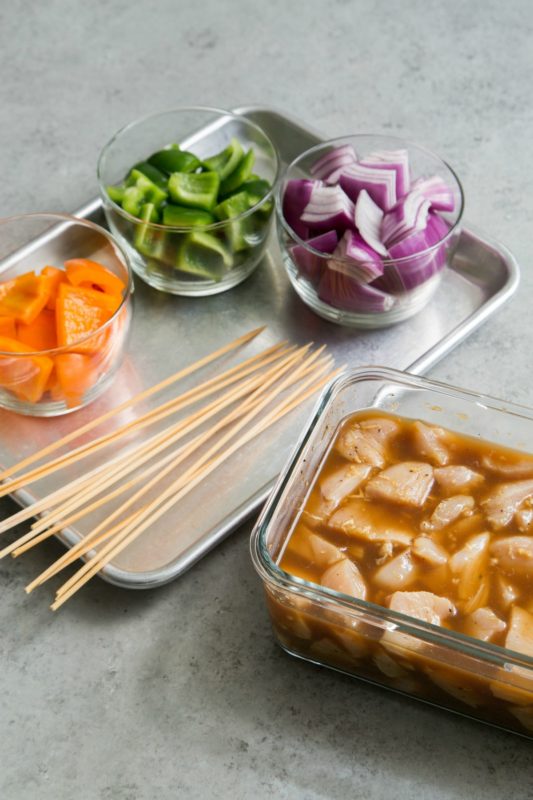
The chicken preparation involves cubing it into uniform pieces to ensure even cooking. Marinating the chicken briefly in olive oil, salt, pepper, and a portion of the teriyaki sauce infuses it with initial flavor and helps tenderize the meat. The choice of vegetables, such as bell peppers and red onion, provides color, texture, and complementary flavors that stand up well to cooking and reheating. The pineapple, a key element in the "Hawaiian" aspect, adds a burst of tropical sweetness that cuts through the richness of the chicken and glaze.
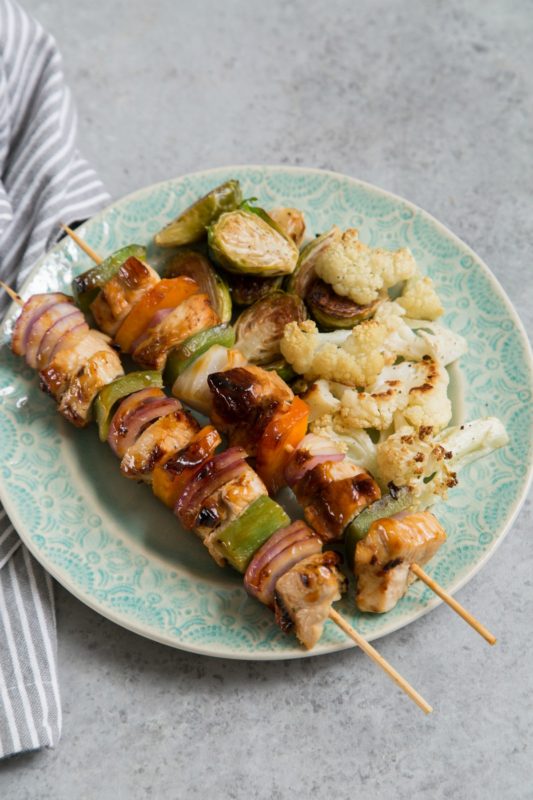
Assembling the skewers is an art in itself. Alternating the chicken, pineapple, and vegetables creates an appealing visual and ensures a balanced distribution of flavors and textures in each bite. It is crucial to avoid overcrowding the skewers, as this can lead to uneven cooking and steaming rather than proper searing or grilling. Leaving a small space between ingredients allows heat to circulate effectively, resulting in better caramelization and a more pleasant texture.
Cooking Methods for Optimal Results
The recipe offers a trifecta of cooking methods, each with its own advantages:
-
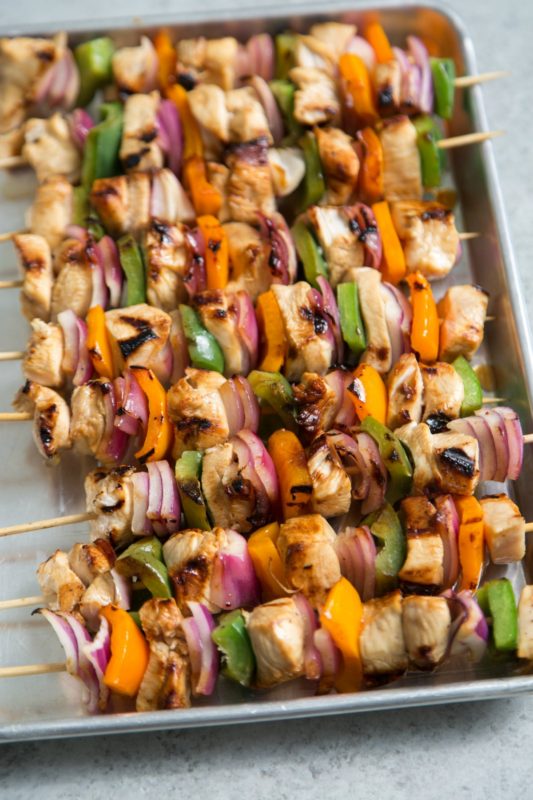
Grilling: This classic method imparts a desirable smoky flavor and excellent char. Grilling at medium-high heat for 10 to 12 minutes, with regular turning, ensures the chicken reaches an internal temperature of 165°F (74°C), guaranteeing it is cooked through safely. The open flame also aids in caramelizing the teriyaki glaze beautifully.
-
Oven Baking: For convenience and consistency, especially when preparing a larger batch, the oven method is highly effective. Preheat the oven to 425°F (220°C) and bake the skewers on a lined baking sheet for 18 to 22 minutes, flipping them halfway through. This method provides a more hands-off approach and allows for cooking multiple skewers simultaneously.
-
Grill Pan: A grill pan offers a compromise between grilling and oven baking, providing grill marks and a similar cooking time of 10 to 12 minutes over medium-high heat. This is a good option for those without outdoor grilling facilities or when weather conditions are unfavorable.
Regardless of the chosen method, basting the skewers with extra teriyaki sauce during the final few minutes of cooking intensifies the flavor and enhances the glossy finish of the glaze. This final touch elevates the dish from good to exceptional.
Storage and Reheating Strategies
Effective storage and reheating are paramount for any successful meal prep. For this Hawaiian Chicken Teriyaki Skewer Meal Prep, it is essential to allow the cooked skewers to cool completely before sealing them in airtight containers. This prevents the build-up of condensation, which can lead to a soggy texture. Stored in the refrigerator, these meals are generally good for up to four days.
A pro-tip for maintaining optimal texture is to store any leftover teriyaki sauce in a separate small container. This allows for the addition of fresh sauce after reheating, revitalizing the chicken’s flavor and preventing the rice from becoming overly soft due to excess sauce.
Freezing is also a viable option, though with some considerations. Cooked teriyaki chicken can be frozen for up to two months. It’s advisable to freeze the chicken separately from fresh pineapple if possible, as the texture of the pineapple can alter upon thawing. Rice also freezes well, making it possible to create freezer-ready portions of chicken and rice. However, the texture of bell peppers and pineapple might soften after thawing, a factor to keep in mind for those prioritizing crispness.
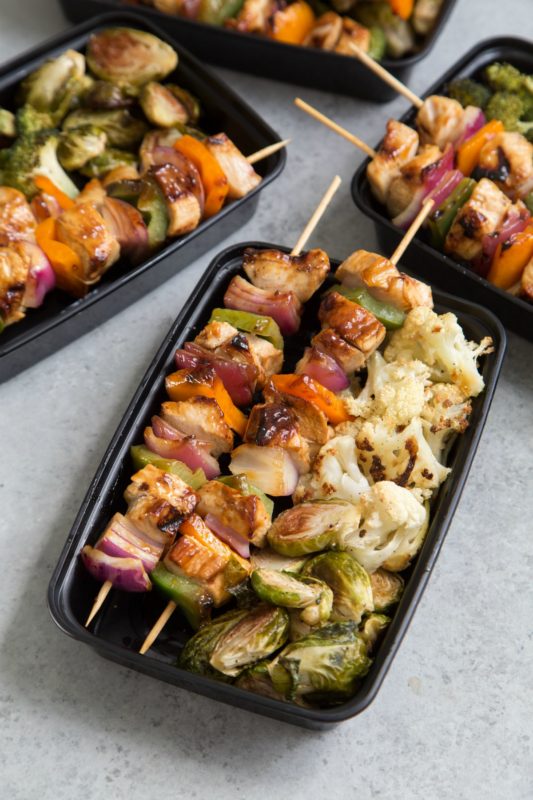
Reheating requires a thoughtful approach to preserve the dish’s quality. The microwave method, while convenient, involves placing the components on a microwave-safe plate and heating for 1.5 to 2 minutes, with stirring or flipping halfway through. Adding extra teriyaki sauce post-reheating is recommended. For a better texture, the oven method involves warming the skewers on a baking sheet at 350°F (175°C) for 8 to 10 minutes. The skillet method is particularly effective for bringing the sauce back to life; removing the chicken from the skewers and warming it in a skillet with a splash of water or extra teriyaki sauce over medium heat can revive the glaze and create a more appealing dish.
Nutritional Considerations and Customization
The nutritional profile of this meal prep is designed to be balanced and beneficial. A typical serving, when paired with jasmine rice and vegetables like steamed broccoli or snap peas, provides a good source of protein, complex carbohydrates, and essential micronutrients. While precise figures can vary based on specific ingredients and portion sizes, approximate values indicate a significant protein contribution, making it an excellent choice for those monitoring their macronutrient intake.
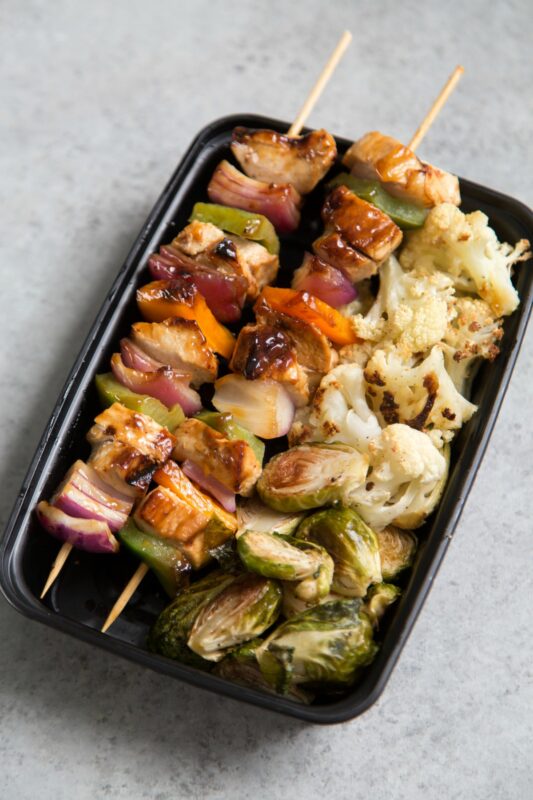
The recipe also offers considerable flexibility for customization. For those adhering to specific dietary plans, such as paleo or gluten-free, ingredient swaps can be made. Using tamari or coconut aminos instead of soy sauce can make the recipe gluten-free. For a paleo approach, honey can be substituted with maple syrup or a paleo-friendly sweetener. The selection of vegetables can be varied based on seasonal availability and personal preference, with options like zucchini, cherry tomatoes, or even Brussels sprouts being suitable additions. Serving accompaniments can also be adjusted, with quinoa, cauliflower rice, or a fresh cabbage slaw being excellent alternatives to traditional rice.
Broader Implications for Healthy Eating and Time Management
The proliferation of recipes like the Hawaiian Chicken Teriyaki Skewer Meal Prep reflects a broader societal shift towards prioritizing both health and efficiency. In an era where time is often a scarce commodity, meal preparation offers a tangible solution for maintaining a healthy diet without succumbing to the convenience of less nutritious processed foods or frequent dining out. These recipes empower individuals to take control of their nutrition, reduce food waste, and save money by planning and preparing meals in advance.
The popularity of such recipes also highlights the increasing awareness of the link between diet and overall well-being. As more people seek to incorporate balanced, protein-rich meals into their routines, recipes that are both flavorful and easy to prepare become invaluable. The Hawaiian Chicken Teriyaki Skewer Meal Prep exemplifies how delicious and satisfying healthy eating can be, dispelling the myth that nutritious food must be bland or time-consuming to prepare. The ability to batch-cook and portion meals also contributes to reducing decision fatigue during busy weeks, allowing individuals to focus their energy on other priorities. The underlying principle is that strategic planning in the kitchen can yield significant benefits in terms of health, time, and mental well-being.