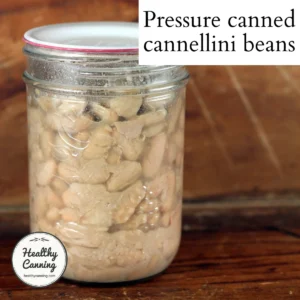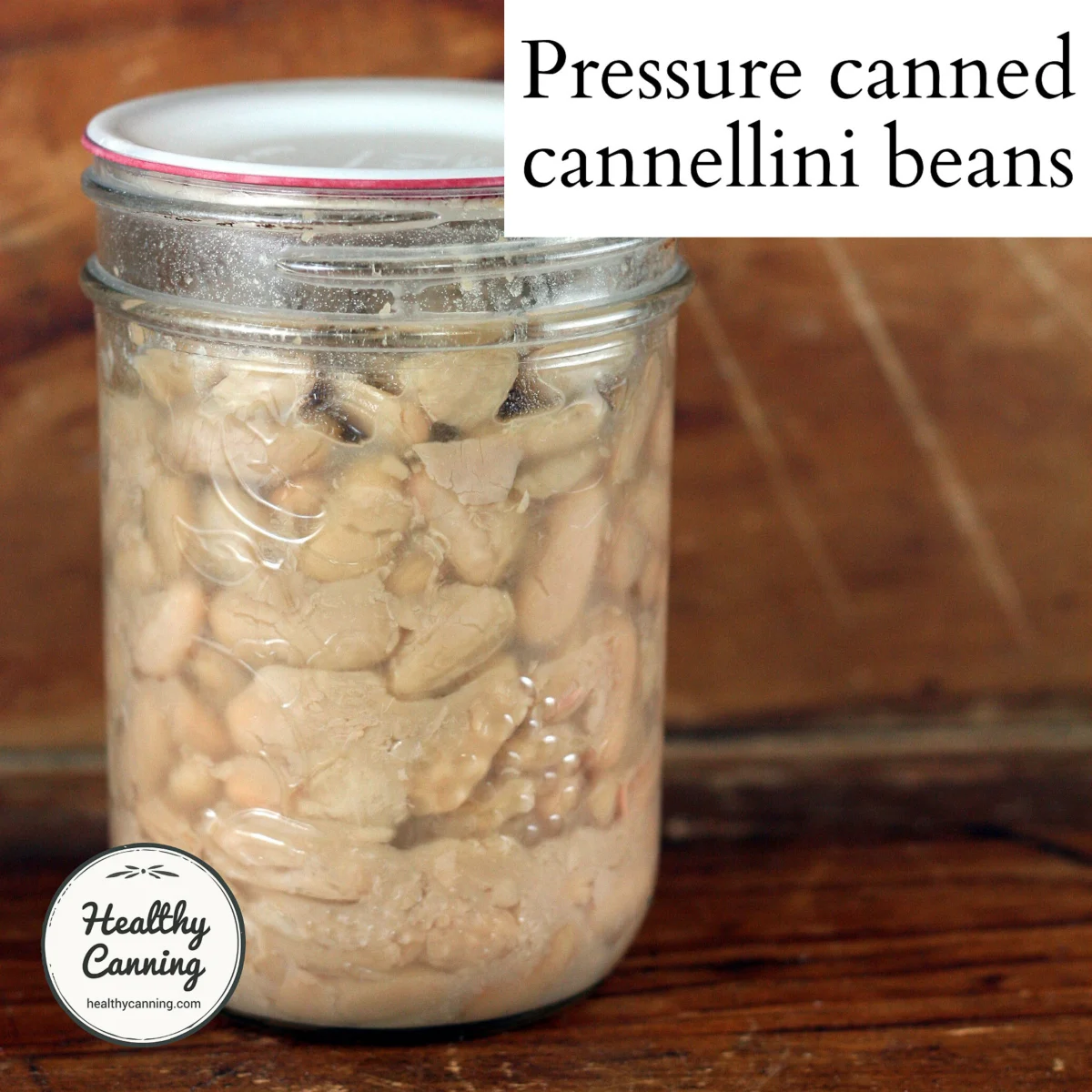

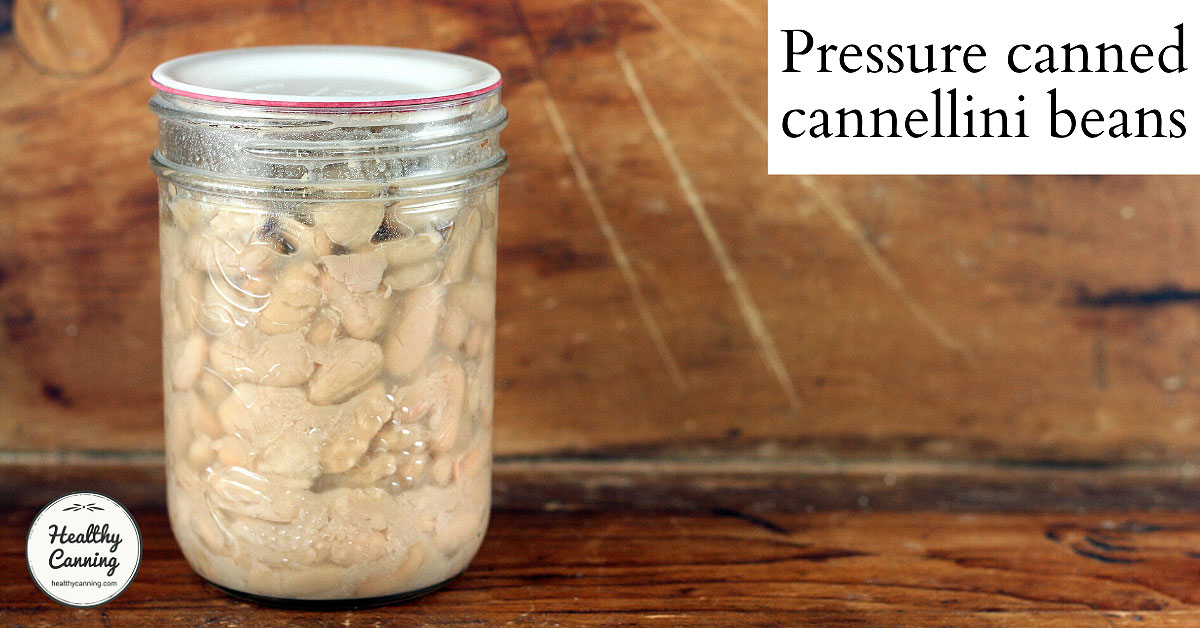
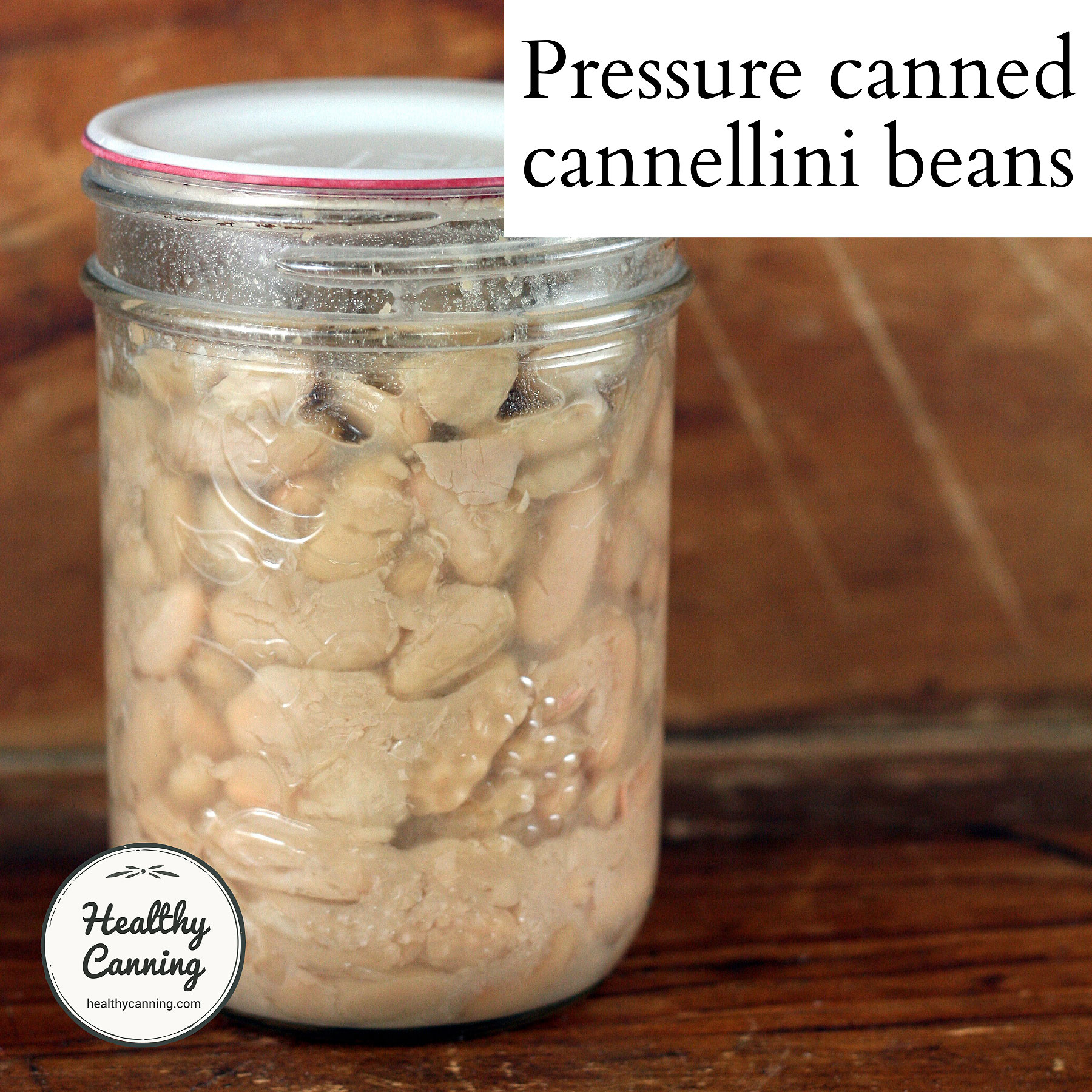
The practice of home food preservation has seen a significant resurgence as consumers seek to control their food sources, reduce sodium intake, and manage household budgets through bulk purchasing. Among the various legumes preserved at home, the cannellini bean—also known as the white kidney bean—stands out for its creamy texture and nutritional density. However, because beans are a low-acid food, they require specific processing techniques to ensure safety and shelf stability. According to guidelines established by the United States Department of Agriculture (USDA) and the National Center for Home Food Preservation (NCHFP), the only safe method for canning cannellini beans is through the use of a pressure canner. This rigorous process eliminates the risk of Clostridium botulinum, the bacterium responsible for botulism, which can thrive in the anaerobic environment of a sealed jar if temperatures do not reach 240°F (116°C).
The Culinary Profile and Physical Properties of Cannellini Beans
Cannellini beans are a staple of Mediterranean cuisine, particularly in central and northern Italy. They are characterized by their kidney shape, thin skins, and a nutty, mild flavor. When subjected to the high heat and pressure required for home canning, these beans undergo a significant textural transformation. Practitioners of home canning note that home-processed cannellini beans tend to be much softer than their commercially canned counterparts.
This structural softening is a critical consideration for meal planning. While they remain an excellent choice for thickening soups, stews, and purees, or for creating smooth bean pâtés and spreads, they are generally considered too delicate for cold bean salads where a firm, distinct bite is desired. Understanding this textural outcome allows home cooks to strategically utilize their pantry stocks in recipes like Ribollita or Pasta e Fagioli, where the creaminess of the bean enhances the overall consistency of the dish.
Technical Specifications and Preparation Chronology
Successful home canning begins with meticulous preparation and an understanding of the ratios between dried and rehydrated products. On average, a 1-pound (450 g) bag of dried cannellini beans will yield approximately 3 pint-sized (half-litre) jars. For a full canner load of 7 quarts, approximately 5 pounds (2.25 kg) of dried beans are required.
Step 1: Rehydration
The canning process officially begins with the rehydration of the dried legumes. This can be achieved through two primary methods:
- The Overnight Soak: Beans are placed in a large pot, covered with several inches of water, and left for 12 to 24 hours. This method is often preferred for achieving a more uniform texture.
- The Quick Soak: Beans are brought to a boil for two minutes, removed from heat, and allowed to soak for one hour.
Regardless of the method, the soaking water must be discarded. This step is essential as it removes some of the complex sugars (oligosaccharides) that cause digestive discomfort and ensures the beans are fully hydrated before they enter the jar.
Step 2: Pre-cooking and Jar Packing
After soaking, the beans are rinsed and covered with fresh water in a large stockpot. They are brought to a boil and simmered for 30 minutes. During this time, canning jars are prepared by washing and heating to prevent thermal shock.
When packing the jars, a "loose pack" is mandatory. Beans continue to expand during the pressure canning process; overpacking the jars can lead to under-processed food or seal failure. A headspace of 1 inch (3 cm) must be maintained between the top of the liquid and the jar lid. This space allows for the expansion of the contents and the creation of a vacuum seal during the cooling phase.
Pressure Canning Parameters and Safety Standards
The core of the preservation process lies in the pressure canning cycle. Because cannellini beans are dense and low in acid, the heat must penetrate to the very center of the jar for a sustained period.
Processing Times by Jar Size
The USDA’s Complete Guide to Home Canning (Agriculture Information Bulletin No. 539) dictates specific processing times that must be followed without deviation:
- Quarter-litre (1/2 US pint): 75 minutes
- Half-litre (1 US pint): 75 minutes
- One litre (1 US quart): 90 minutes
Altitude and Pressure Adjustments
Pressure must be adjusted based on the altitude of the canning location. Standard sea-level pressure is 10 pounds (10 psi) for a weighted gauge or 11 pounds (11 psi) for a dial gauge. However, at altitudes above 1,000 feet (300 meters), the atmospheric pressure decreases, requiring an increase in the canner’s internal pressure to achieve the necessary internal temperature.
For weighted-gauge canners at altitudes above 1,000 feet, the pressure must be increased to 15 pounds. Failure to adjust for altitude is one of the most common errors in home preservation and can result in unsafe food.
Nutritional Analysis and Health Implications
Home-canned cannellini beans offer a superior nutritional profile compared to many commercial brands, primarily due to the ability to eliminate added sodium and chemical preservatives. A standard serving of approximately 130 grams (1/2 cup) of cooked cannellini beans contains:
- Calories: 100 kcal
- Protein: 6 g
- Dietary Fiber: 5 g
- Total Fat: 1 g
- Sodium: 30 mg (naturally occurring)
- Potassium: 250 mg
- Iron: 1.8 mg
By canning at home, individuals can avoid additives such as Calcium Chloride (used as a firming agent) and Disodium EDTA (used to retain color), which are prevalent in industrial canning. The high fiber content and low glycemic index of these beans make them an ideal pantry staple for managing blood sugar levels and promoting heart health.
Economic Impact and Food Security
The enrichment of the domestic pantry through home canning has broader economic implications. Purchasing dried beans in bulk is significantly more cost-effective than buying individual cans. In a market environment characterized by fluctuating food prices and supply chain disruptions, a well-stocked pantry of home-canned legumes provides a reliable "protein insurance policy."
Furthermore, the environmental impact is reduced through the reuse of glass canning jars, which can last for decades, as opposed to the single-use tin or aluminum cans found in retail environments. This shift toward circular consumption patterns aligns with broader global sustainability goals.
Expert Perspectives and Regulatory Oversight
The National Center for Home Food Preservation, which serves as the primary authority for safe canning practices in the United States, emphasizes the importance of using tested recipes. The guidelines for cannellini beans are derived from extensive laboratory testing conducted to ensure that heat penetration is sufficient to kill all pathogens.
Master Food Preservers—volunteers trained through university extension programs—often provide localized support for home canners. Their collective reaction to the rise in home canning has been one of cautious encouragement. While they advocate for the self-sufficiency that canning provides, they frequently issue warnings against "rebel canning" or using methods not sanctioned by the USDA, such as oven canning or using electric multi-cookers that have not been validated for pressure canning safety.
Broader Implications for the Modern Homesteader
The resurgence of canning cannellini beans is more than a culinary trend; it is a reflection of a shifting relationship between consumers and the industrial food system. As more households adopt "homesteading" skills, the demand for high-quality canning equipment and reliable information has surged.
The implications of this movement are twofold. First, there is a clear improvement in the culinary literacy of the population, as individuals learn the science behind food spoilage and preservation. Second, there is a strengthening of community networks, as canning knowledge is often passed down through generations or shared via community extension classes.
In conclusion, while home-canned cannellini beans require a significant investment of time and adherence to strict safety protocols, the rewards are substantial. The resulting product is a versatile, nutritious, and cost-effective ingredient that serves as a cornerstone for healthy, home-cooked meals. By following the established scientific guidelines of the USDA, home preservers can ensure that their pantry is filled with food that is not only delicious but also fundamentally safe for their families.