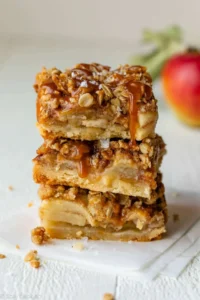

Apples are a cornerstone of global confectionery and culinary arts, serving as a primary ingredient in everything from traditional artisanal pastries to high-volume commercial baked goods. While the fruit is available year-round, its structural integrity, sugar content, and acidity levels vary significantly across hundreds of cultivated varieties. For professional bakers and home enthusiasts alike, understanding the biochemical properties of these varieties is essential to achieving consistent results in texture, flavor profile, and moisture retention.

The Science of Structural Integrity in Baking
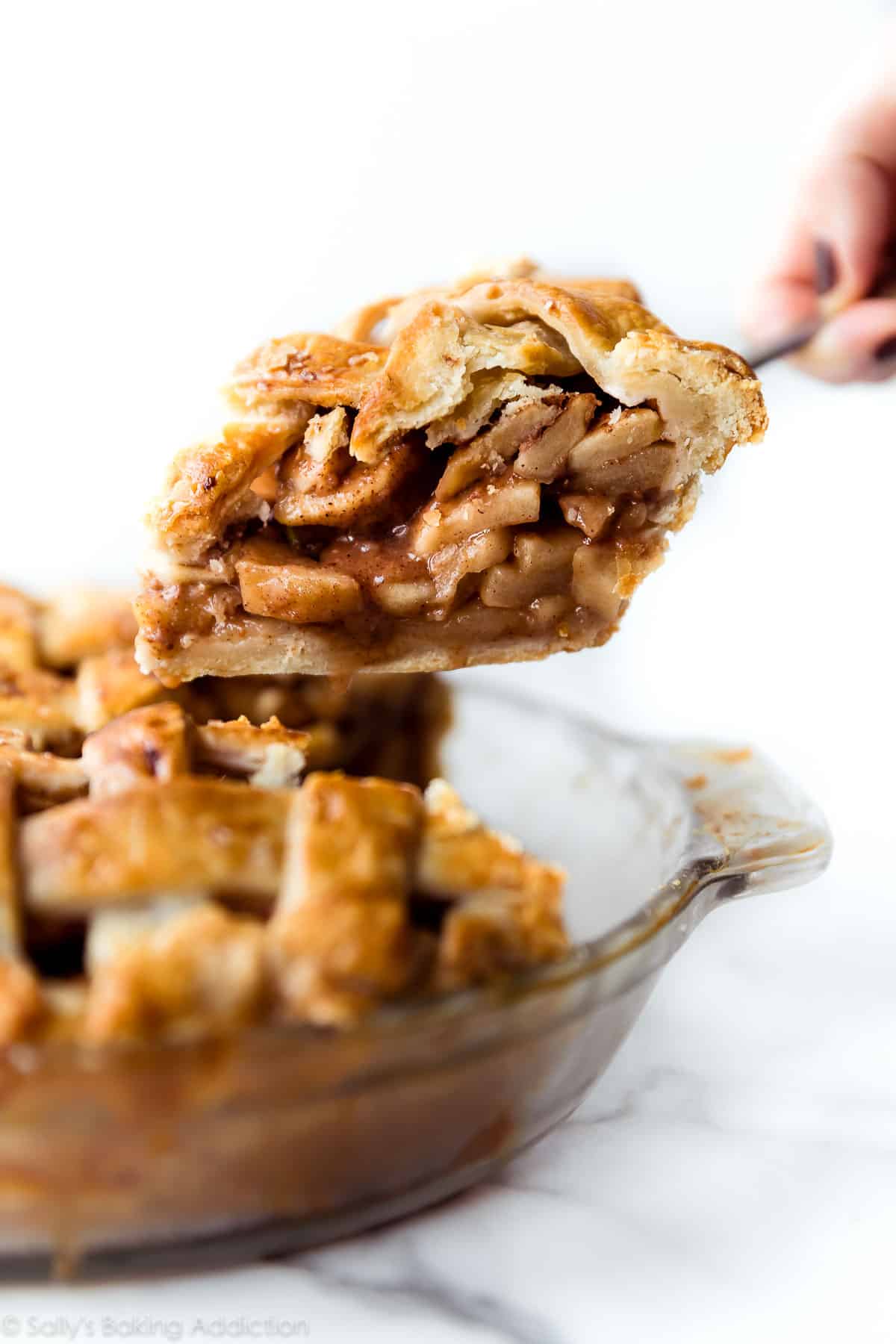
The primary challenge in apple-based baking is the fruit’s reaction to high-heat environments. Apples are composed largely of water and cellular structures held together by pectin. During the baking process, the application of heat breaks down the cell walls, causing the fruit to soften. If the variety chosen has a naturally soft or mealy texture—such as the Red Delicious, Gala, or McIntosh—the cell structure collapses rapidly, leading to an undesirable mushy consistency.
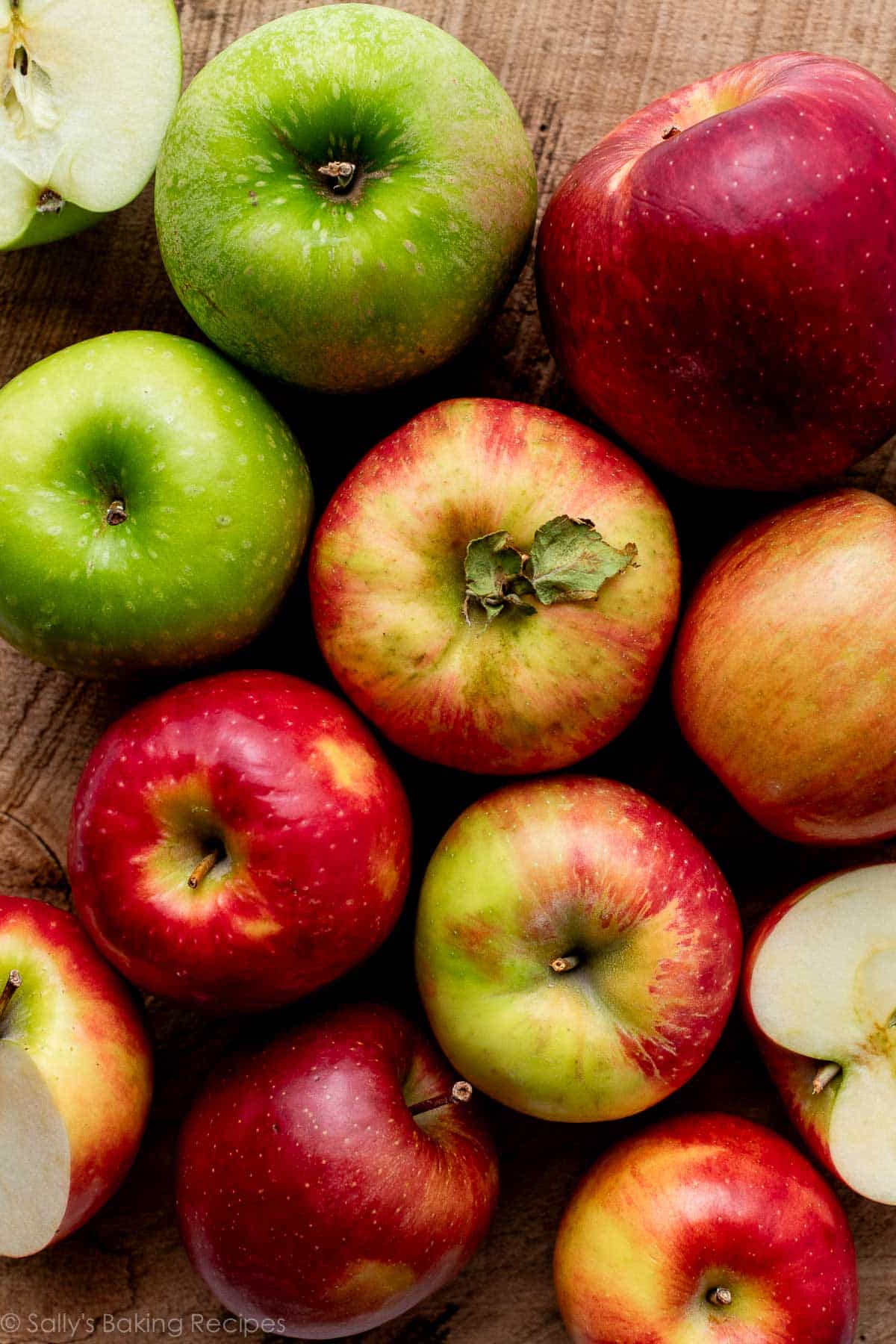
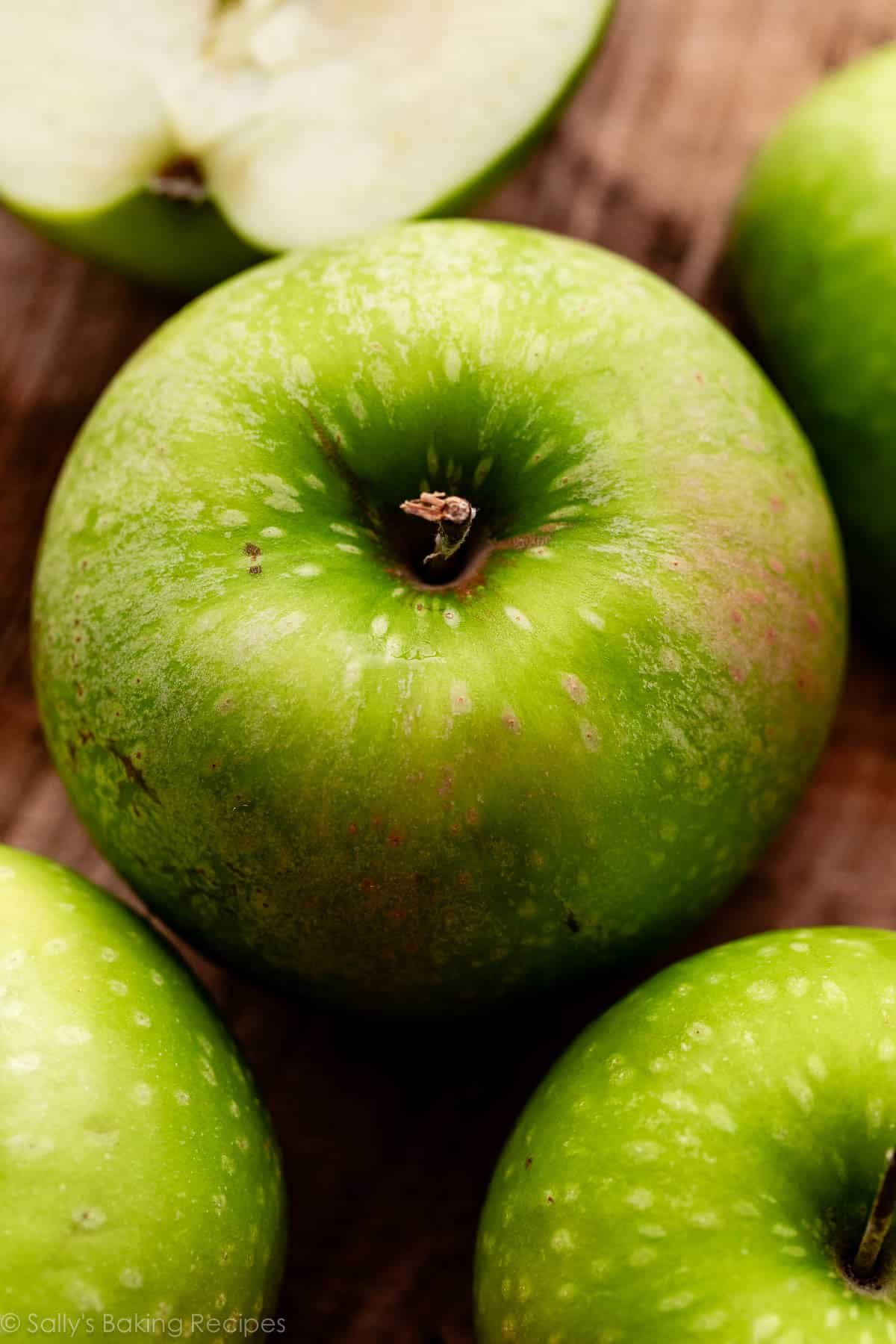
Agricultural researchers and food scientists classify baking-ready apples by their "firmness index" and "acid-sugar ratio." Varieties deemed superior for baking, such as the Granny Smith, are characterized by high acidity and dense cellular structures that resist rapid breakdown. These apples maintain their shape through the Maillard reaction and the subsequent caramelization of sugars, ensuring that the final product offers a textural contrast between the pastry and the fruit filling.
Chronology of Culinary Adoption
The history of using specific apple varieties for baking tracks alongside the development of pomology in the 19th and 20th centuries. The Granny Smith, discovered in Australia in 1868, eventually became the global standard for baking due to its high starch-to-sugar conversion rate, which remains stable even after extended time in the oven. In contrast, the Honeycrisp—a variety developed by the University of Minnesota and released in 1991—represented a shift toward breeding for specific consumer preferences: intense crunch and high sugar content.
As commercial baking expanded in the mid-20th century, the industry shifted toward standardized varieties that could withstand mechanical processing. Today, market availability is often driven by regional harvests, with September through November marking the peak window for sourcing fresh, high-quality baking apples in the Northern Hemisphere.
Comparative Analysis of Popular Varieties
To achieve a balanced flavor profile, professional pastry chefs often employ a "blending strategy." By mixing a high-acid apple with a high-sugar apple, bakers can neutralize the cloying sweetness of some recipes while ensuring the filling retains a complex, multifaceted taste.
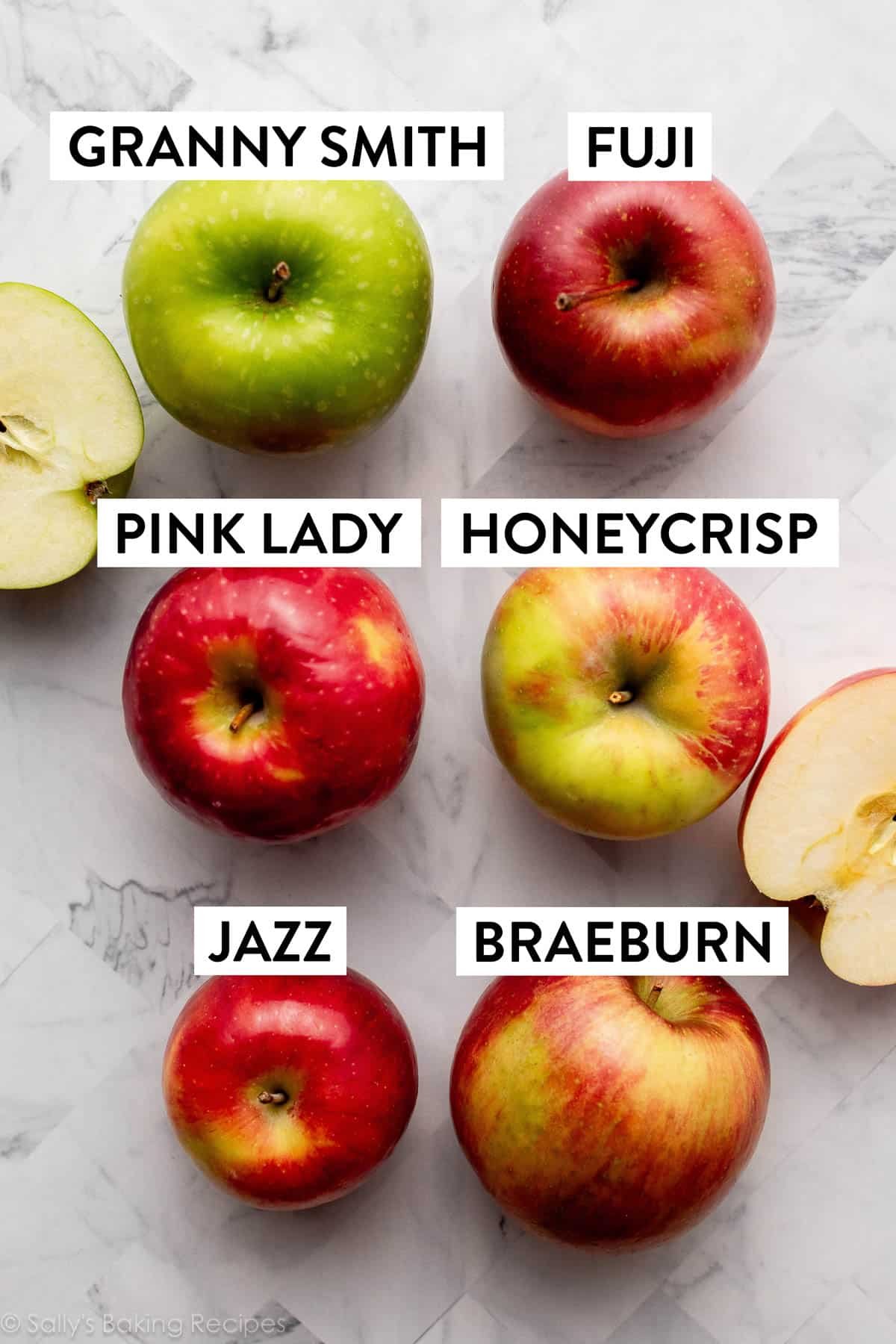
- Granny Smith: Known for its high malic acid content, it provides the "tart" backbone for most classic pies. It is widely considered the gold standard for structural retention.
- Honeycrisp: Celebrated for its explosive crispness, this variety offers a high sugar content. It is ideal for applications where the baker desires a sweeter, more aromatic profile.
- Braeburn: A balanced variety that features a sharp, distinct apple flavor. It is prized for its ability to hold its shape during the intensive heat of a long-bake pie.
- Pink Lady (Cripps Pink): A hybrid variety that offers a balance of sweetness and tang. It is particularly effective in baked apples or tarts where the fruit remains largely intact.
- Jazz: A modern favorite among bakers, this variety is noted for its density and firm flesh, which prevents it from releasing excessive moisture that could result in a "soggy bottom" crust.
Preparation Techniques and Their Impact
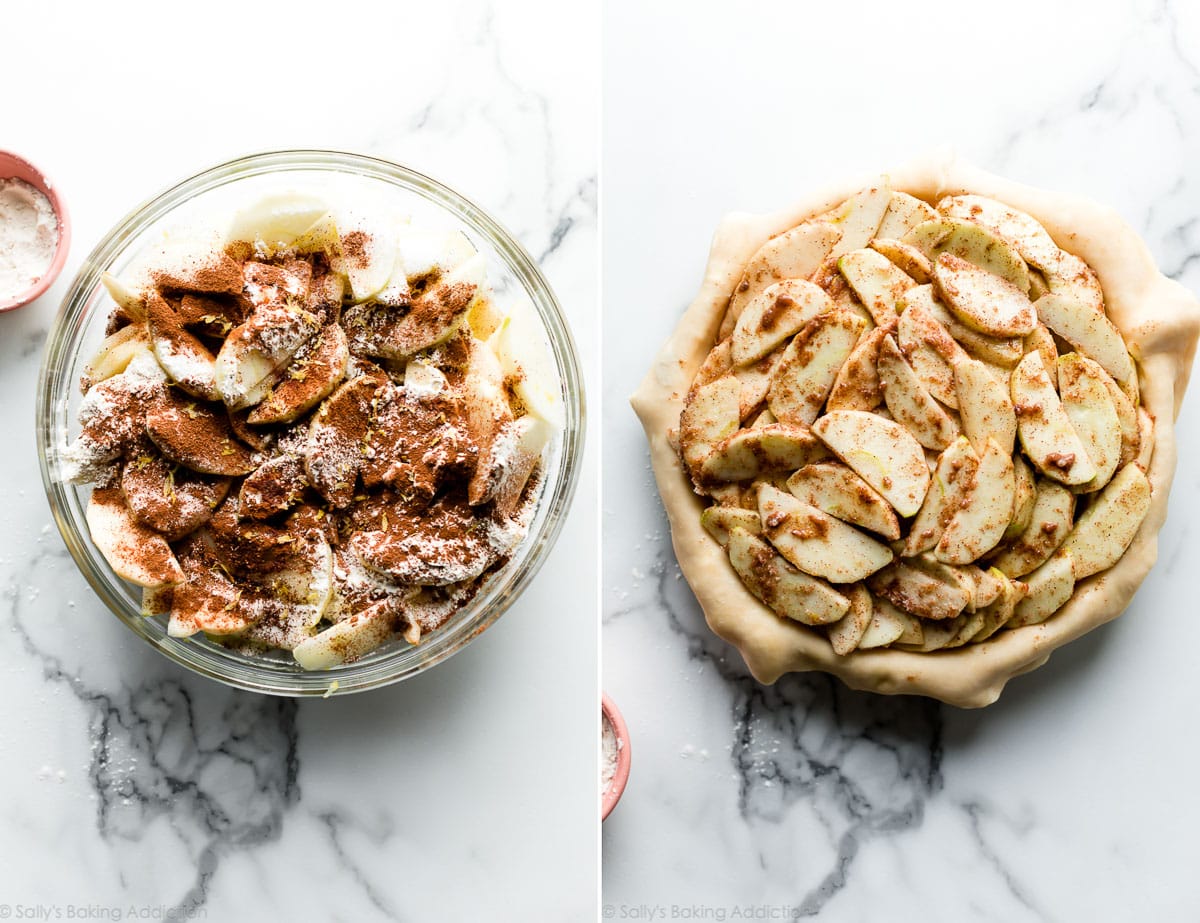
Preparation methods serve as a critical secondary factor in the success of a recipe. The choice between slicing, chopping, or shredding is not merely aesthetic; it determines the surface-area-to-volume ratio of the fruit, which dictates how quickly it releases moisture.
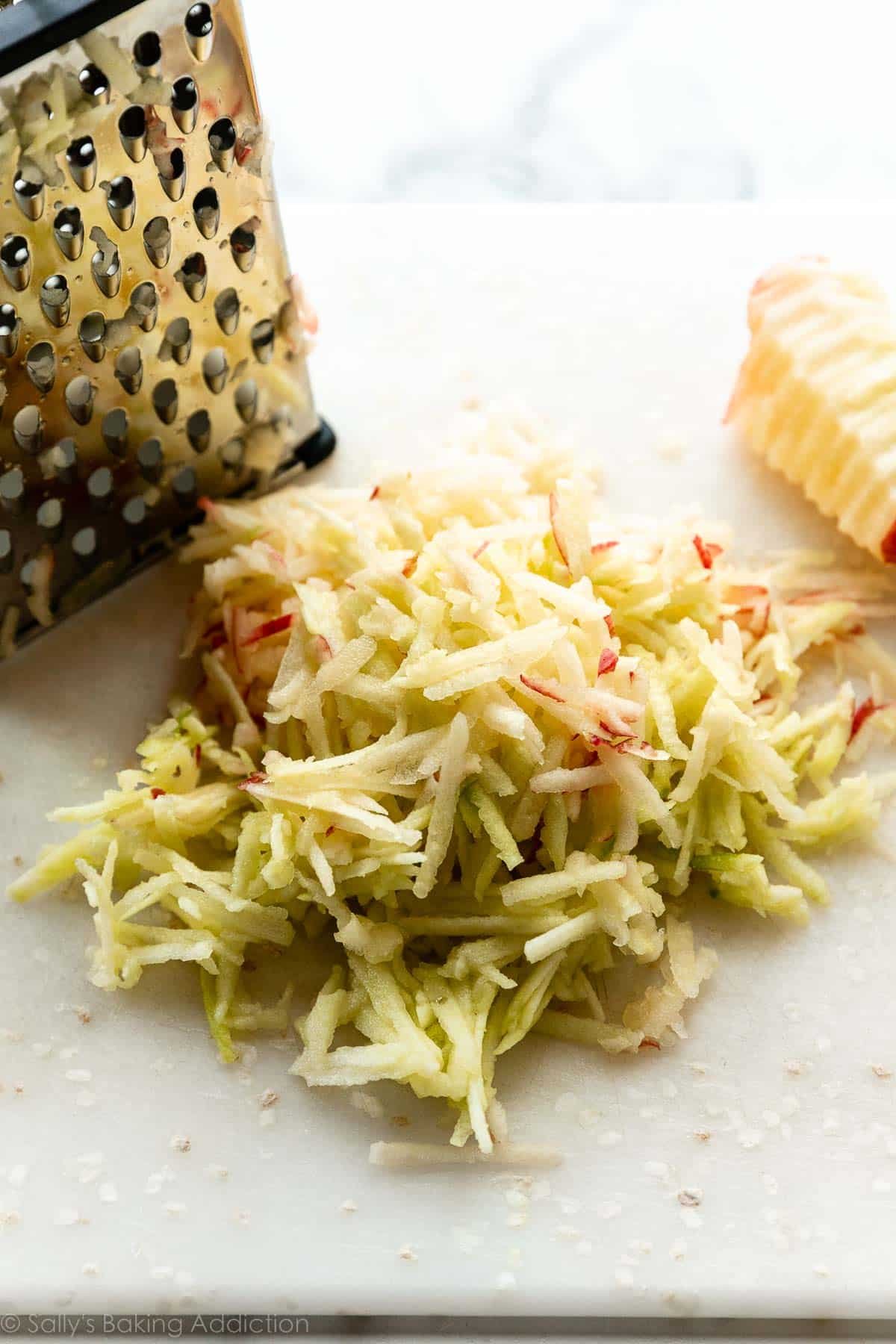
Standardized industry practices suggest that slices approximately 1/4-inch thick are optimal for pies and cobblers. This thickness allows for even heat penetration while preventing the fruit from disintegrating. Conversely, shredding—often performed with a box grater—is utilized in muffin or quick-bread recipes to distribute moisture evenly throughout the batter without the presence of large, distinct fruit chunks.

The decision to peel or retain the skin also carries implications. The skin contains significant amounts of fiber and, in many varieties, anthocyanins (pigments that contribute to color). In rustic recipes, leaving the skin intact can provide a desirable texture and visual appeal, whereas formal pastry applications typically mandate peeling to ensure a refined, uniform mouthfeel.

Economic and Culinary Implications
The global market for baking-grade apples is substantial, with demand peaking during the autumn months. According to agricultural data, the selection of fruit can influence not only the flavor but the profitability of baked goods, as high-moisture apples require more thickeners (such as flour, cornstarch, or tapioca) to prevent product failure.
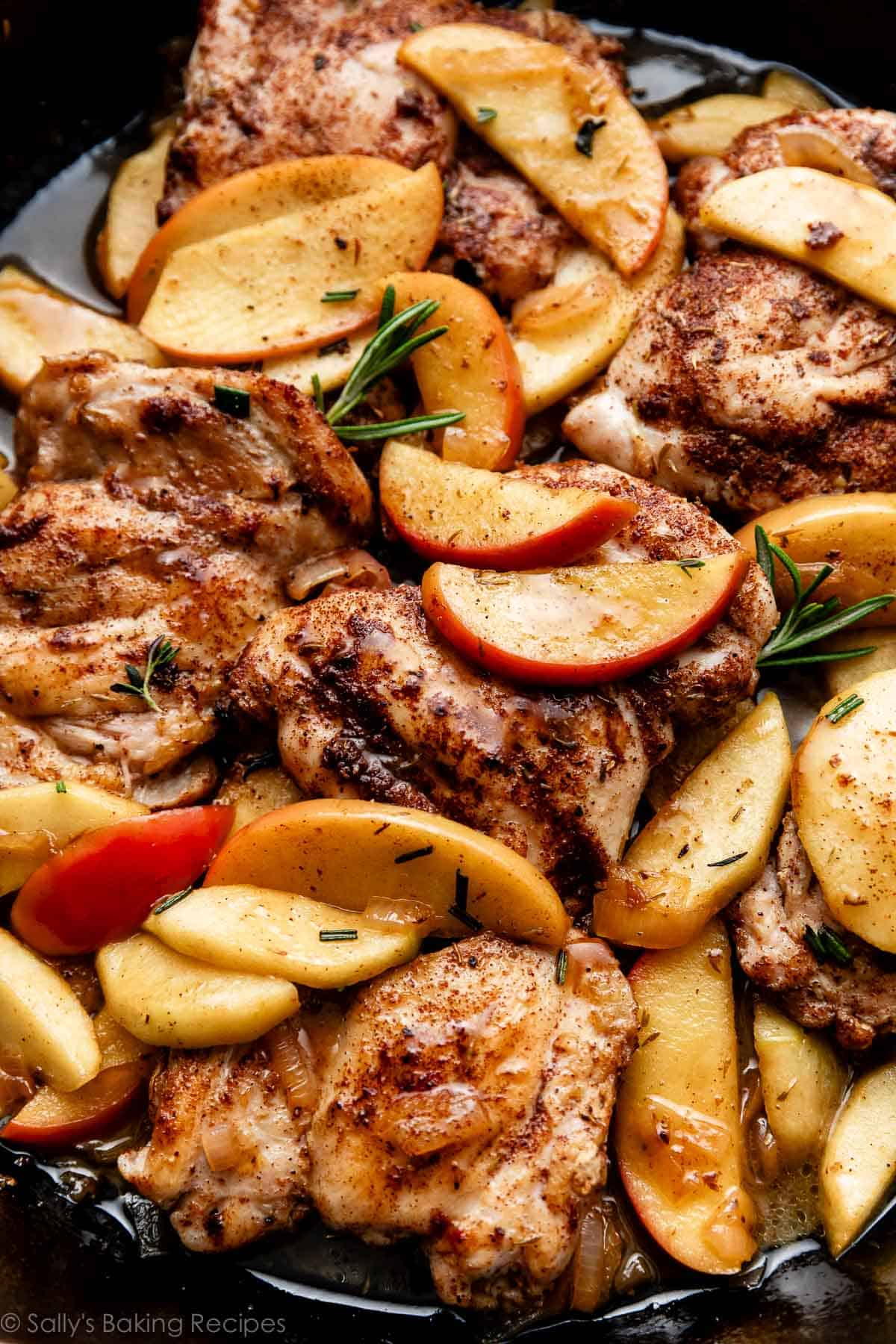
Industry experts emphasize that the "best" apple is ultimately contextual. A variety that excels in a high-temperature, fast-bake environment like a fritter may not be suitable for a low-and-slow baked dish. By moving away from the reliance on singular varieties and embracing the chemistry of flavor blending, bakers can elevate the quality of their output.
Broader Impact on Home Baking Trends
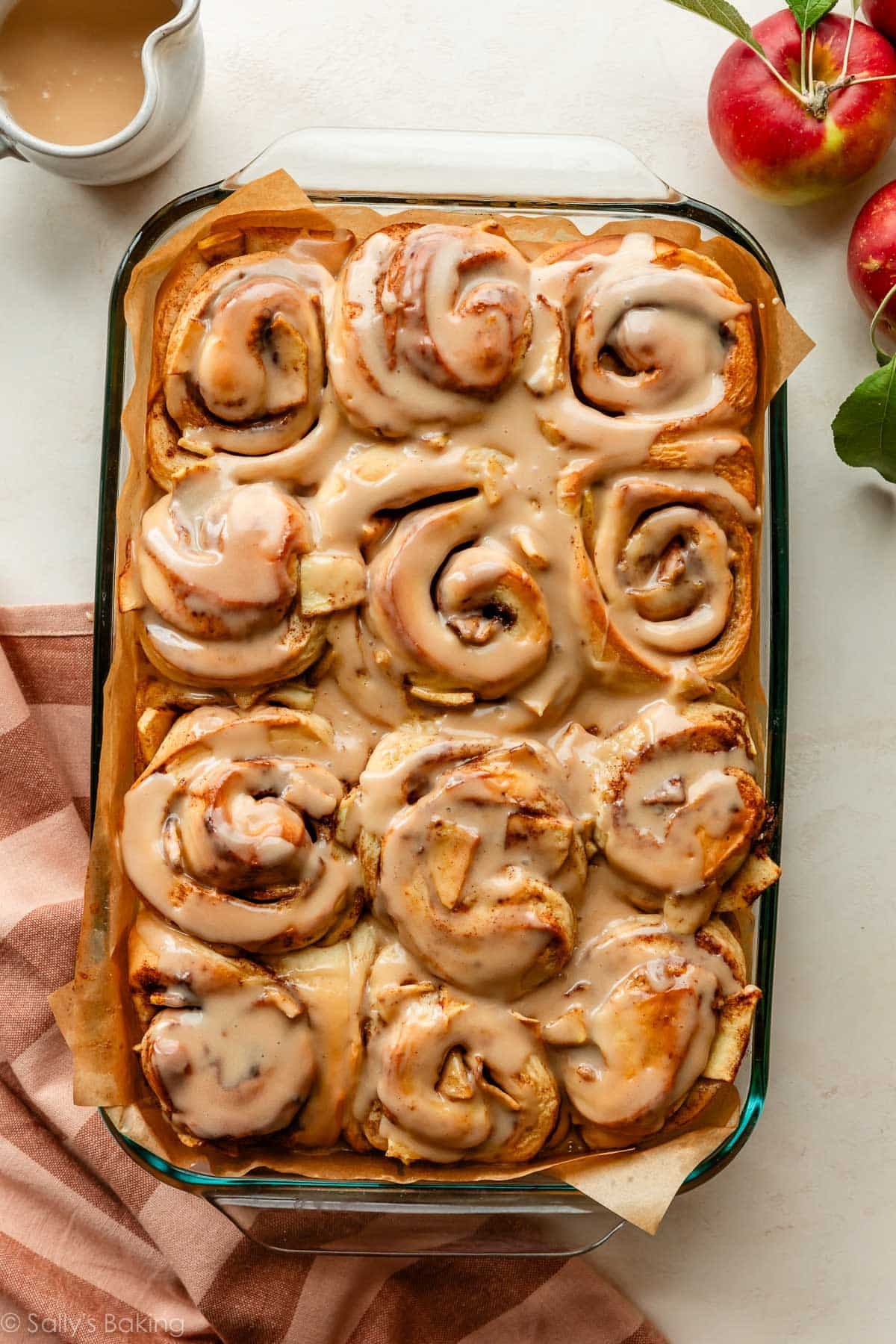
The modern resurgence of "from-scratch" baking has led to a greater consumer focus on ingredient quality. Educational resources from culinary institutes and veteran bakers now emphasize the importance of regional variety selection. This shift has encouraged local orchards to diversify their offerings, moving away from mass-market varieties to heirloom apples that offer superior flavor profiles for specific baking applications.

Furthermore, the rise of digital recipe platforms has enabled a more sophisticated exchange of techniques, such as the use of maceration—a process of tossing apples in sugar and spices before baking to draw out excess moisture and intensify flavors. This technique, once a secret of professional pastry kitchens, is now common practice, illustrating the evolution of the home baker’s skill set.
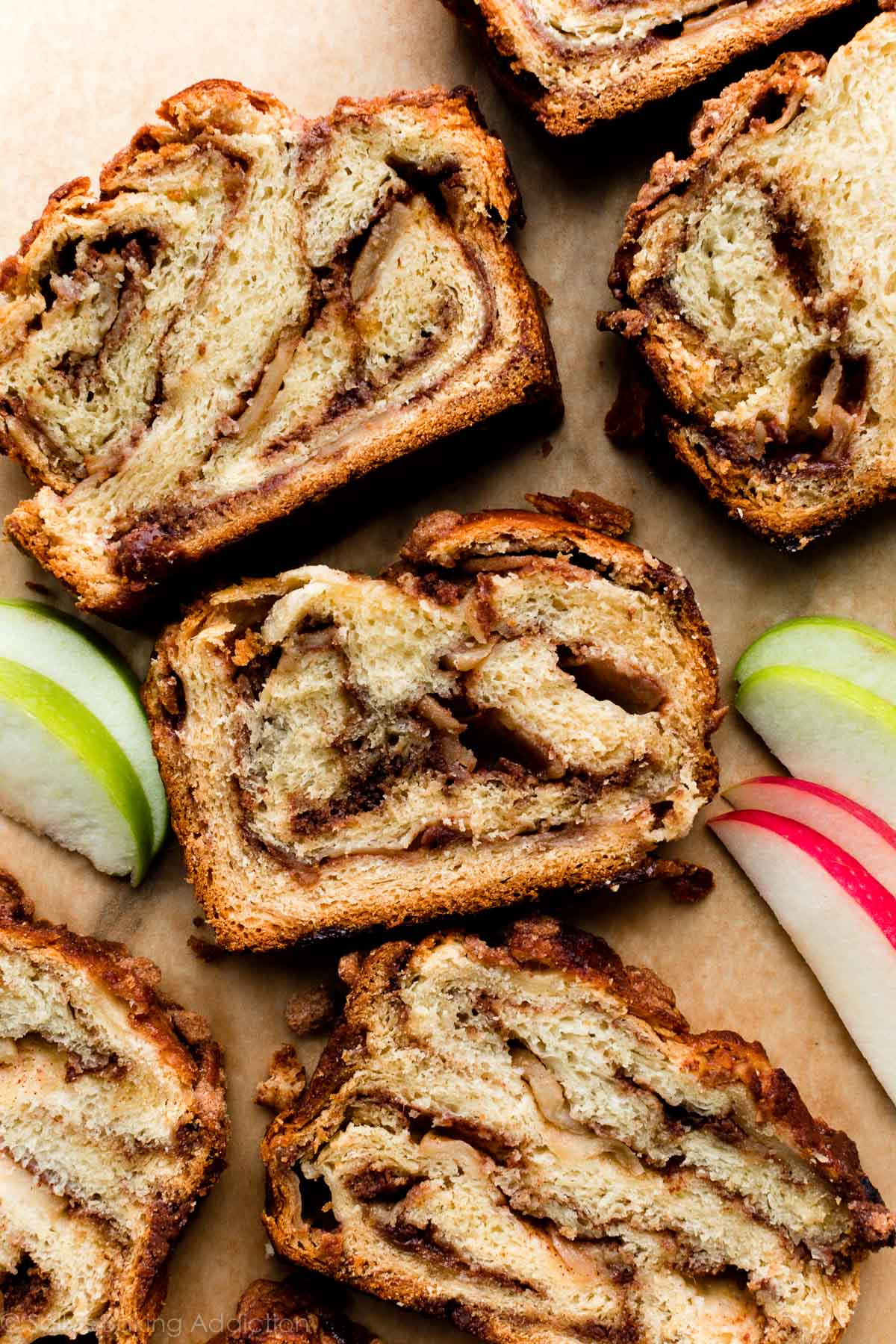
As climate change impacts agricultural yields, the availability of specific apple varieties may fluctuate. Researchers are currently looking into climate-resilient cultivars that retain the necessary chemical properties for baking. For now, however, the combination of Granny Smith, Honeycrisp, and Jazz remains the most reliable strategy for those seeking to produce professional-grade apple-based desserts.
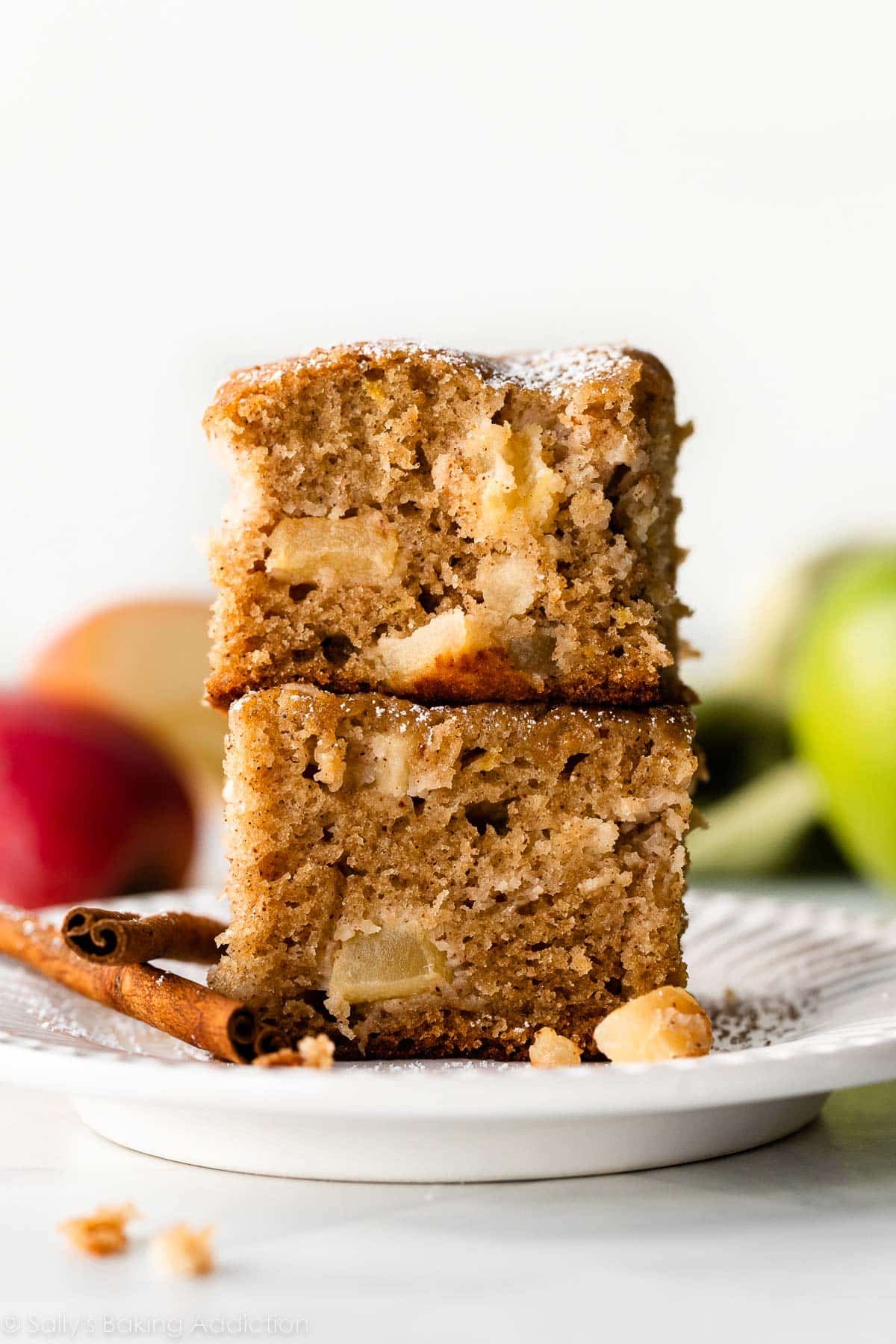
In conclusion, the art of baking with apples is a synthesis of horticulture and chemistry. Success lies in the strategic selection of varieties based on their structural and flavor characteristics, coupled with precise preparation techniques tailored to the specific demands of the recipe. Whether for a simple home-baked cake or a complex, multi-layered pie, the understanding of these fruit properties remains the most vital tool in the baker’s repertoire.