For over 15 years, seasoned culinary professionals have recognized roasted vegetables as a cornerstone of simple yet satisfying meals. This versatile dish, capable of standing proudly on its own, can be further enhanced with complementary sides that transform it into a complete and memorable dining experience. Whether gracing a restaurant menu, serving as the centerpiece of a grand banquet, or simply aiming to boost vegetable intake for family meals, the humble roasted vegetable offers a canvas for culinary creativity. This guide explores expert-recommended pairings that seamlessly integrate into any season, from the crisp freshness of spring to the comforting warmth of winter.
The Enduring Appeal of Roasted Vegetables
The art of roasting vegetables unlocks a depth of flavor and texture that is difficult to achieve through other cooking methods. High heat caramelizes the natural sugars present in vegetables, intensifying their sweetness and developing a rich, savory profile. The dry heat also contributes to a desirable tender interior with delightfully crispy edges, a textural contrast that appeals to a wide range of palates. This inherent appeal makes roasted vegetables a perennial favorite in both professional kitchens and home dining.
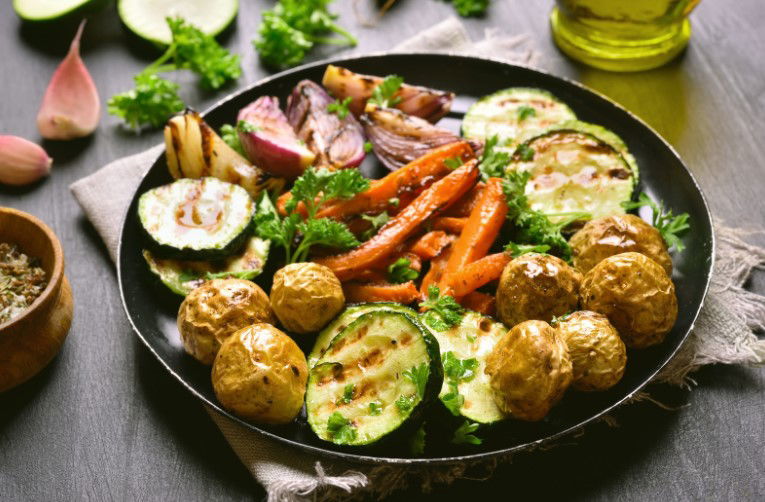
The process itself is remarkably adaptable to seasonal availability. In spring, tender asparagus and young carrots can be roasted to perfection, while summer offers the bounty of zucchini, bell peppers, and tomatoes. Autumn brings heartier root vegetables like parsnips and sweet potatoes, and winter provides a comforting array of Brussels sprouts, butternut squash, and broccoli. Regardless of the season, the fundamental technique of roasting remains a reliable method for coaxing out the best qualities of a diverse range of produce.
Expert-Recommended Pairings for a Complete Meal
While roasted vegetables are a complete dish in their own right, thoughtful accompaniments can elevate them to new culinary heights. The following pairings, drawn from extensive professional experience, offer a spectrum of flavors and textures designed to complement the inherent qualities of roasted vegetables.
1. The Hearty Embrace: Beef Roast
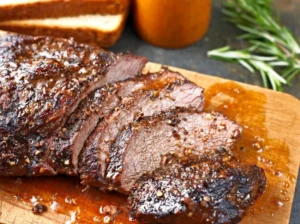
For those seeking ultimate comfort, particularly during the colder months, a perfectly roasted beef roast stands as a prime companion to a medley of roasted vegetables. This pairing embodies a "set-it-and-forget-it" approach to meal preparation, minimizing stovetop demands and maximizing oven utilization.

The extended cooking time of a beef roast allows ample opportunity to prepare and roast accompanying vegetables simultaneously. This efficiency is a significant advantage, especially when catering to larger gatherings or when time is a constraint. The inherent scalability of a beef roast means it can be prepared for intimate family dinners or expansive celebratory events. Furthermore, the versatility of leftovers is a considerable benefit, transforming into delicious sandwiches or being stored in the refrigerator for up to a week. To truly complete the experience, a rich, homemade gravy can tie the savory beef and tender vegetables together in a harmonious symphony of flavors. For those seeking guidance, a classic beef roast recipe with a perfect pan sauce offers a reliable foundation.
- Background Context: The tradition of slow-roasting meats like beef is deeply ingrained in culinary history, often associated with communal gatherings and celebratory feasts. Its ability to yield tender, flavorful results with minimal active intervention has made it a staple for centuries.
- Analytical Insight: The synergy between roasted beef and roasted vegetables lies in their shared cooking method and complementary flavor profiles. The umami richness of the beef accentuates the caramelized sweetness of the vegetables, while the vegetables provide a balancing freshness and textural contrast.
2. The Lean and Versatile: Chicken Breast
A nutrient-rich and lighter alternative, chicken breast offers a healthy and adaptable option to pair with roasted vegetables. Its mild flavor profile allows the vegetables to remain the star, while its lean composition ensures the meal remains balanced and not overly heavy.
The ease with which chicken breast can be prepared in conjunction with roasted vegetables is a significant advantage. A common professional technique involves searing the chicken breast in a skillet to develop a beautiful golden crust, then finishing its cooking in the oven alongside the vegetables. This multitasking approach streamlines the cooking process. The resulting crispy exterior of the chicken provides a delightful textural counterpoint to the tender roasted vegetables.

- Supporting Data: Chicken breast is renowned for its high protein content and low fat, making it a popular choice for health-conscious diners and athletes. Its versatility in absorbing marinades and seasonings further enhances its appeal.
- Implication: The combination of chicken breast and roasted vegetables represents a balanced meal that caters to both dietary needs and flavor preferences, making it a go-to for weeknight dinners and lighter fare.
3. The Sweet and Savory Dance: Pork Chops
Pork chops possess a natural affinity for sweeter flavors, making them an exceptional partner for roasted winter vegetables, particularly those with inherent sweetness like butternut squash. This pairing offers an opportunity for creative culinary exploration.
To elevate this combination, consider incorporating baked apple slices or a rich apple demi-glace. These elements amplify the inherent sweetness of the pork and complement the caramelized notes of the roasted vegetables, creating a sophisticated flavor profile. Pork chops can be prepared using either the stovetop or the oven, offering flexibility in meal planning. Many recipes are available that can be prepared in under 30 minutes, making this a viable option for busy weeknights.
- Timeline/Chronology: The pairing of pork with fruit is a culinary tradition that spans centuries, evident in various historical cuisines. This enduring combination speaks to the harmonious interplay of savory meat and sweet, acidic fruits.
- Broader Impact: This pairing highlights the importance of flavor balancing in cuisine, demonstrating how contrasting yet complementary tastes can create a more complex and satisfying dish.
4. The Comforting Classic: Lasagna
Lasagna, a rich and hearty dish in its own right, proves to be an exceptional complement to Mediterranean-style roasted vegetables such as zucchini, tomatoes, and red onions. The oven-baked nature of lasagna also frees up stovetop space, facilitating the concurrent roasting of vegetables.

While lasagna requires a significant investment of time and effort in preparation and cooking, its ability to serve a larger group makes it ideal for family dinners and gatherings. The deliciousness of lasagna is often amplified the following day, making it an excellent choice for meal prep and enjoying leftovers. A pro-tip for efficient cooking involves roasting vegetables in the oven during the final hour of the lasagna’s baking time, provided there is adequate oven space.
- Background Context: Lasagna’s origins can be traced back to Italy, with regional variations evolving over centuries. Its popularity has since spread globally, becoming a beloved comfort food in many cultures.
- Analytical Insight: The oven-shared cooking method between lasagna and roasted vegetables is a practical consideration for maximizing kitchen efficiency. The layered nature of lasagna also offers a textural contrast to the distinct pieces of roasted vegetables.
5. The Versatile Embrace: Soup
Soup serves as a remarkably versatile side dish, adept at rounding out a meal centered around roasted vegetables. It also offers a straightforward pathway to creating a completely vegetarian dining experience.
The type of soup can be tailored to complement specific roasted vegetables. For instance, minestrone pairs wonderfully with Mediterranean-style vegetables, while chicken noodle soup is a classic accompaniment to roasted potatoes, carrots, and onions. Creamy chowders offer a delightful contrast to roasted squash. The sheer breadth of soup varieties ensures a suitable option for virtually any roasted vegetable combination, making it an adaptable choice for diverse culinary preferences.

- Supporting Data: Soups have been a staple food source for millennia, evolving from simple broths to complex culinary creations. Their adaptability and nutritional value have cemented their place in global cuisine.
- Implication: The pairing of soup with roasted vegetables allows for a flexible and potentially lighter meal, catering to various dietary needs and preferences.
6. The Rich and Creamy Indulgence: Risotto
While risotto demands attention and a degree of culinary technique, the reward is a luxuriously rich and filling side dish that perfectly complements roasted vegetables.
For novice cooks, beginner-friendly risotto recipes with clear instructions and helpful pointers are readily available, demystifying the process. Once mastered, a mushroom risotto is particularly recommended to accompany roasted vegetables, its deep, savory flavor profile harmonizing with a wide array of roasted produce.
- Background Context: Risotto, an Italian rice dish, is characterized by its creamy texture achieved through the gradual addition of broth and constant stirring. Its origins are believed to be in Northern Italy.
- Analytical Insight: The slow, deliberate cooking process of risotto provides a textural and flavor contrast to the often quicker roasting of vegetables. The creamy richness of risotto can balance the slight crispness of roasted items.
7. The Savory Pastry: Quiche
Quiche, an egg-based savory pastry, introduces a substantial protein element to a roasted vegetable dish without the inclusion of meat, making it an excellent vegetarian option. Similar to lasagna, its oven-baked nature simplifies cleanup and conserves stovetop space.

Quiche often features vegetables as a core component, making it a natural and complementary pairing. A simple five-ingredient broccoli quiche recipe exemplifies the ease and deliciousness of this combination.
- Implication: Quiche offers a protein-rich, oven-friendly option that can be easily customized with various vegetables, aligning well with roasted vegetable dishes.
8. The Italian Classic: Eggplant Parmesan
Eggplant Parmesan is an outstanding partner for Mediterranean-style roasted vegetables. It offers a lighter alternative to chicken Parmesan, catering to those looking to reduce meat consumption or maintain a vegetarian meal. The tender, melt-in-your-mouth texture of the eggplant, combined with its crisp coating, adds a pleasing textural dimension to the meal.
While this dish can be involved, the effort is amply rewarded. Pan-frying the eggplant before baking, as found in many classic recipes, contributes to a richer, more satisfying flavor profile.

- Background Context: Eggplant Parmesan, a beloved Italian dish, involves breaded and fried eggplant slices layered with tomato sauce and cheese, then baked. Its origins are debated but widely associated with Southern Italy.
- Analytical Insight: The layered and baked nature of Eggplant Parmesan creates a comforting and substantial dish that can stand up to the robust flavors of roasted Mediterranean vegetables.
9. The Plant-Based Powerhouse: Sliced Tofu Steaks
For a vegan and protein-packed option, sliced tofu steaks are an excellent choice. Tofu, whether baked or seared, readily absorbs marinades, offering significant versatility. This makes it an ideal component for a light and meatless meal.
The preparation is straightforward: slice, season, and then sear or roast the tofu. This simplicity makes it an effortless yet satisfying accompaniment to roasted vegetables.
- Pro-Tip: Utilizing firm or extra-firm tofu is recommended due to its superior handling and cooking properties. Its inherent firmness allows it to maintain its structure and provide a satisfying, "meaty" texture that complements any roasted vegetable.
- Implication: Tofu steaks provide a crucial protein source for vegan and vegetarian diets, offering a customizable and easily prepared element to a roasted vegetable meal.
Frequently Asked Questions About Roasting Vegetables
Should roasted root vegetables be covered?
Covering root vegetables during roasting traps moisture, leading to steaming rather than browning. While hard squash can benefit from covering to ensure thorough cooking, most other vegetables should be left uncovered to achieve desirable crispness.

How do you keep roasted root vegetables from getting soggy?
To prevent sogginess, ensure your oven is preheated to a high temperature, typically around 400°F (200°C). Crucially, arrange the vegetables in a single layer on the baking sheet, avoiding overcrowding. This allows hot air to circulate evenly around each piece, promoting caramelization and crispness.
By understanding these pairings and techniques, home cooks and culinary enthusiasts can transform simple roasted vegetables into sophisticated and satisfying meals that are perfect for any occasion and any season.