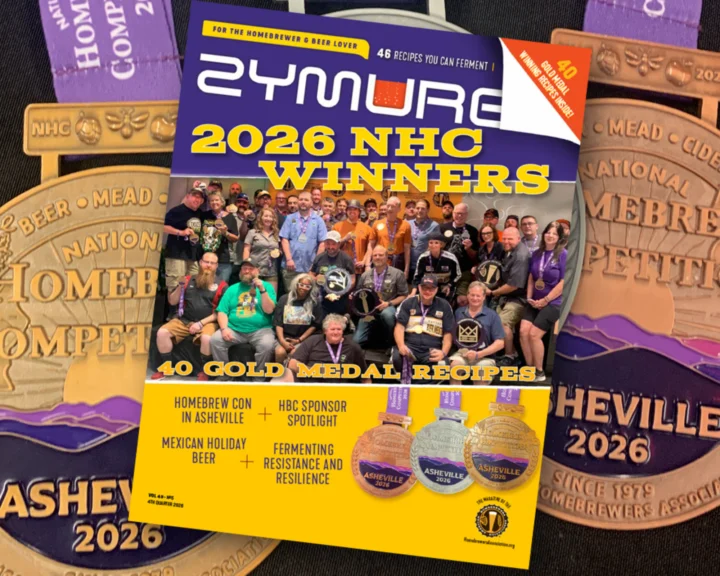

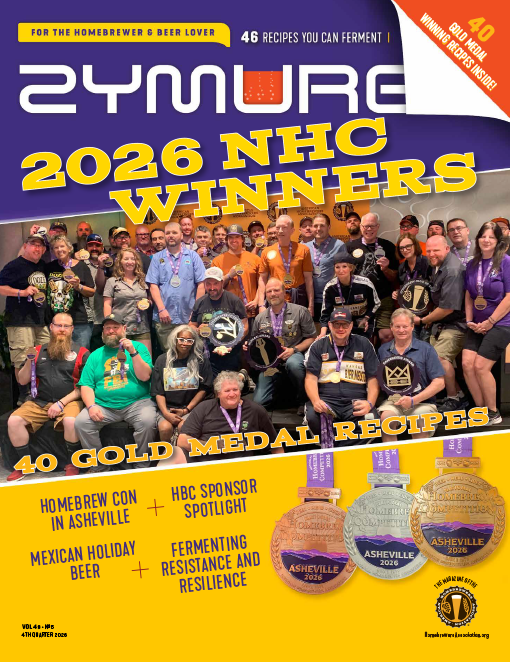
The American Homebrewers Association (AHA) has officially released the fourth-quarter 2026 edition of its flagship publication, Zymurgy magazine. This latest issue serves as a comprehensive chronicle of the contemporary homebrewing landscape, highlighted by an in-depth look at the 2026 National Homebrew Competition (NHC) winners. Alongside the presentation of 40 gold-medal recipes spanning beer, mead, and cider categories, the new edition addresses the return of Homebrew Con, traditional Mexican holiday brewing styles, the historical preservation of fermentation by women, and technical equipment advancements such as unitank fermenters and culinary garum production.
As the definitive voice for amateur fermentation enthusiasts, the Q4 2026 release arrives at a pivotal juncture for the hobby. With shifting economic pressures, technological adaptations, and evolving community spaces, the magazine bridges the gap between grassroots brewing traditions and modern methodology. Under the leadership of Editor-in-Chief Dave Carpenter, the publication continues to deliver peer-reviewed technical insights, historical context, and practical applications designed to elevate the craft of home-scale production.
Main Facts and Publication Highlights
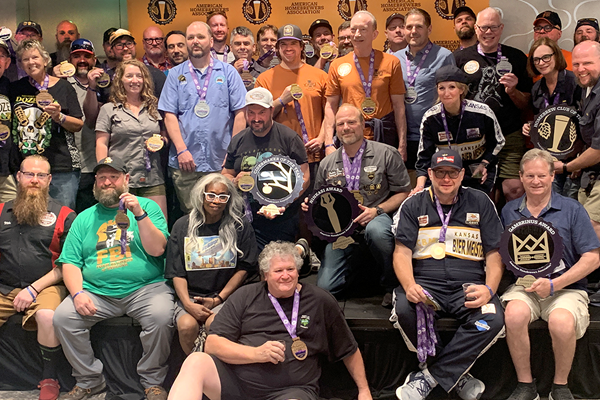
The core of the fourth-quarter issue is dedicated to the accolades and technical data emerging from the 2026 National Homebrew Competition. Regarded as the world’s largest international amateur beer, mead, and cider competition, the NHC serves as a rigorous testing ground for homebrewing precision. Editor Amahl Turczyn leads the cover story detailing the triumphs of major award winners, prominently featuring Benjamin Frymark, who captured the prestigious title of Homebrewer of the Year, alongside the recipient of the Samuel Adams Ninkasi Award.
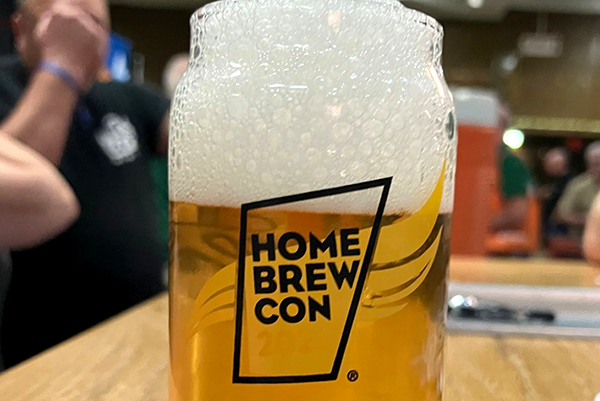
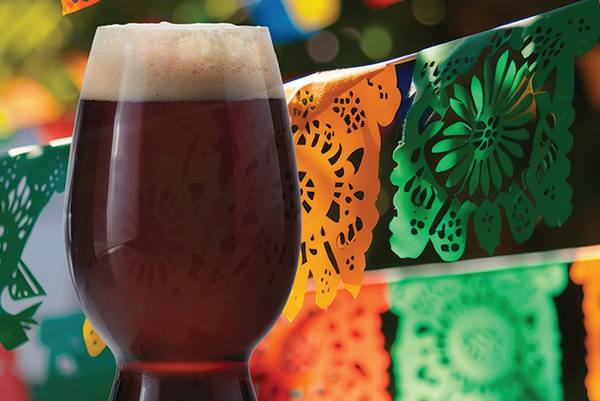
Beyond the competition results, the issue expands its editorial scope into historical preservation, global brewing traditions, and practical workshop tutorials. Notable features include Adriana Terron’s retrospective on Homebrew Con 2026, which details four days of collaborative evaluation, professional seminars, and communal bottle shares. Additionally, Nick McLawhorn provides an exhaustive breakdown of Mexico’s storied holiday bock tradition, focusing on a four-batch replication of the iconic Noche Buena style. Meanwhile, Frances Tietje-Wang contributes a historical analysis examining the socio-political contexts in which women utilized fermentation as an instrument of survival, economic independence, and cultural preservation.
Chronology and Evolution of the National Homebrew Competition
The trajectory of the National Homebrew Competition reflects the broader evolution of amateur brewing in North America. Established in the late 1970s alongside the legalization movement for homebrewing in the United States, the competition has grown from a localized gathering of enthusiasts into a massive, highly structured event managed by the American Homebrewers Association.
Throughout its history, the NHC has operated on a multi-tier judging system. Entrants first submit their fermented beverages to designated first-round regional sites across the country. Entries that successfully navigate regional evaluation advance to the final round, which traditionally culminates during the annual Homebrew Con conference. The 2026 competition cycle maintained this rigorous standard, evaluating thousands of entries across strict stylistic guidelines maintained by the Beer Judge Certification Program (BJCP).
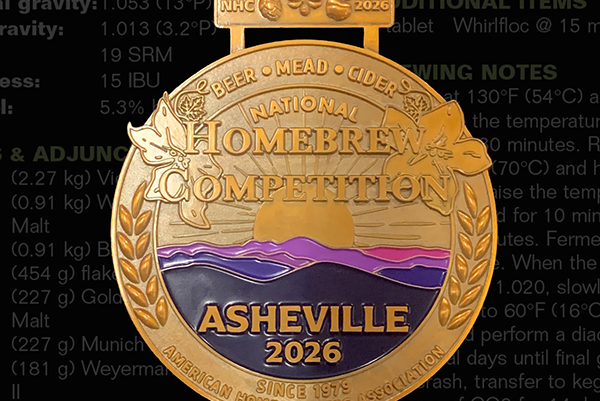
The announcement of the 2026 gold-medal recipes in the Q4 issue marks the final phase of the annual competition cycle. By publishing these exact formulations—complete with grain bills, hop schedules, yeast strains, and brewer notes—the AHA fulfills its educational mandate to elevate the skill level of its membership base. This transparency allows brewers of all experience levels to replicate world-class beverages and study the technical parameters required to secure top-tier scores.
Supporting Data and Technical Focus
The Q4 2026 edition of Zymurgy is heavily supported by empirical data derived from competition score sheets and contemporary brewing technology. The publication includes exact specifications for all 40 gold-medal categories, offering a dataset that highlights current trends in ingredient selection and process control. Analysis of winning formulations consistently points toward high standards of fermentation management, precise mash temperatures, and rigorous sanitation protocols as the primary differentiators among top-tier entries.
In addition to competition statistics, the issue addresses hardware and culinary trends gaining traction within the homebrewing community. Articles dedicated to unitank fermenters provide technical evaluations of pressurized fermentation vessels, which allow homebrewers to carbonate and ferment in a single vessel, mirroring commercial brewery practices. Furthermore, explorations into the production of garum—a traditional fermented fish or legume sauce experiencing a renaissance in modern culinary circles—demonstrate the expanding boundaries of home-scale fermentation beyond traditional beverages.
Official Responses and Community Perspectives
Leadership within the American Homebrewers Association emphasizes that the Q4 2026 issue addresses both the technical and social dimensions of the hobby. Editorial contributions reflect a concerted effort to foster inclusivity and historical awareness within a traditionally male-dominated demographic.
Frances Tietje-Wang’s historical examination of women in fermentation has drawn particular praise from community organizers for shedding light on marginalized narratives. By documenting how women preserved culinary and fermentation knowledge through periods of war, economic depression, and legislative prohibition, the article repositions fermentation as an essential pillar of human anthropology rather than a mere hobby.
Similarly, reflections on Homebrew Con 2026 underscore the irreplaceable value of physical gatherings for the amateur brewing community. Following years of fluctuating event formats across the industry, the successful execution of the 2026 convention reinforced the psychological and educational importance of communal tastings, live feedback, and peer-to-peer mentorship.
Broader Impact and Industry Implications

The release of the Q4 2026 issue carries significant implications for the broader craft beverage ecosystem. Historically, the homebrewing community has served as an incubator and R&D department for the commercial craft beer industry. Many professional brewers, founders, and head cellar workers trace their origins to the National Homebrew Competition platform.
By highlighting meticulous recipe design, regional international styles such as Mexican holiday bocks, and cross-discipline fermentation projects like garum, Zymurgy continues to influence commercial trends. As consumer palates shift and the commercial craft beer market matures, the micro-innovations developed by homebrewers—often documented first within the pages of the magazine—frequently find their way into taprooms and commercial distribution lines.
Furthermore, the ongoing educational outreach of the AHA via digital previews, membership tiers, and archived recipe databases ensures that the institutional knowledge of the hobby remains accessible. As the organization looks toward the future, publications like Zymurgy remain vital instruments for maintaining quality standards, legal advocacy, and educational rigor within the global community of fermentation practitioners.