
The American Homebrewers Association (AHA) has officially released the January/February 2026 edition of Zymurgy, its flagship publication dedicated to the art and science of home fermentation. This latest installment serves as a comprehensive bridge between the amateur brewing community and the professional industry, featuring a deep dive into the results of the most recent Great American Beer Festival (GABF) Pro-Am Competition. As the craft beer landscape continues to navigate a period of maturation and stylistic shifts, the issue provides critical insights into modern brewing techniques, legacy brewery operations, and the burgeoning international craft scenes, specifically focusing on the unique brewing environment of Mongolia.
The centerpiece of the issue is the detailed coverage of the Pro-Am Competition medal winners. This unique category at the GABF allows AHA members to team up with professional breweries to scale up their award-winning homebrew recipes for commercial production and judging. The 2026 report highlights how these collaborations foster innovation, often serving as a testing ground for experimental ingredients and historical styles that larger commercial entities might otherwise deem too risky for standard production.
The Great American Beer Festival Pro-Am Legacy
The Pro-Am Competition remains one of the most prestigious honors for an amateur brewer. To qualify, a homebrewer must have their recipe win a preliminary competition, after which they are paired with a professional brewery that is a member of the Brewers Association. The transition from a five-gallon carboy to a multi-barrel brewhouse requires meticulous calculation and a deep understanding of yeast kinetics and hop utilization at scale.
In the January/February 2026 issue, Zymurgy provides an exhaustive list of the medalists, detailing the stylistic trends that dominated the podium. Observers note that while traditional European lagers and classic ales continue to perform well, there is an increasing presence of specialized "niche" styles, including historical adambiers and complex mixed-culture fermentations. The coverage includes interviews with winning teams, exploring the logistical hurdles of scaling home recipes, such as adjusting water chemistry for larger volumes and managing the increased thermal mass of professional mash tuns.
The Pro-Am results serve as a barometer for the broader industry. Many past winners have utilized their GABF medals as a springboard to launch professional careers or open their own taprooms. For the 2026 cycle, the data suggests a return to "brewer-led" innovation, where technical proficiency and stylistic accuracy are prioritized over the high-adjunct trends that characterized the previous decade.
Stylistic Evolution: The Modern West Coast IPA
A significant portion of the new issue is dedicated to the evolution of the West Coast India Pale Ale (IPA). Once defined by aggressive bitterness and a clear, resinous profile, the style has undergone a metamorphosis over the last thirty years. Zymurgy traces this timeline from the early "IBU arms race" of the late 1990s to the contemporary focus on biotransformation and "cold" fermentation techniques.

The article explores how modern West Coast IPAs are incorporating lessons learned from the New England IPA (NEIPA) craze—specifically the use of late-addition hops and dry-hopping during active fermentation to maximize aromatics without adding harsh bitterness. However, unlike their hazy counterparts, the modern West Coast IPA maintains its signature clarity and dry finish. The issue analyzes the specific hop varieties currently in favor, such as Citra, Mosaic, and newer experimental cultivars that offer profiles of diesel, white wine, and tropical fruit, contrasting them with the "C-hop" (Cascade, Centennial, Columbus) dominance of the early 2000s.
Technical contributors to the magazine provide data-driven insights into water profiles, specifically the sulfate-to-chloride ratio, which remains the defining factor in achieving the "crisp" mouthfeel essential to the style. The consensus among the contributors is that the West Coast IPA is not merely a nostalgic relic but a dynamic style that continues to lead the market in terms of volume and consumer preference.
Honoring Legacy Breweries in a Changing Market
As the craft beer industry approaches a half-century of modern existence in the United States, Zymurgy takes a retrospective look at "legacy breweries." These are the institutions that survived the initial craft boom of the 1990s and the subsequent "shakeout" periods. The feature examines the operational philosophies of breweries that have maintained relevance for 30 years or more.
The analysis focuses on consistency and brand identity. In an era where consumers often chase the "newest" release, legacy breweries have found success by perfecting their flagship offerings while slowly integrating modern technology to improve shelf stability and environmental sustainability. The article provides a timeline of the American craft movement, identifying key milestones where these legacy institutions pivoted to meet changing consumer demands without alienating their core demographic.
Industry experts cited in the issue suggest that the survival of these breweries provides a blueprint for new startups. The emphasis on "quality over novelty" is a recurring theme, supported by data showing that while experimental releases drive social media engagement, flagship brands continue to provide the financial stability required for long-term viability.
Global Frontiers: Brewing in Mongolia
Expanding its scope beyond North America, the January/February 2026 issue features a unique report on the brewing culture of Mongolia. This geographic deep dive explores the intersection of ancient nomadic fermentation traditions and the modern craft beer movement in Ulaanbaatar.
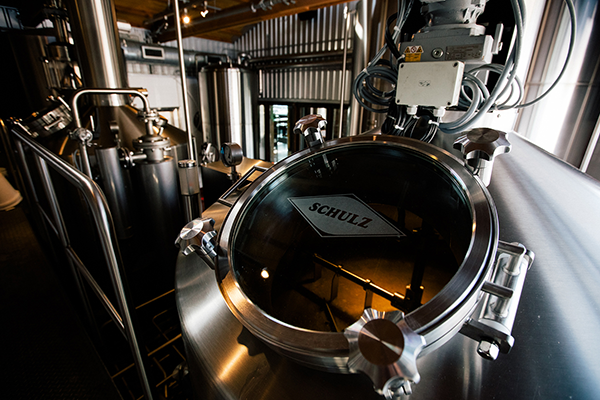
Historically, Mongolian fermentation has centered on airag (fermented mare’s milk), a beverage deeply rooted in the country’s cultural identity. However, the last decade has seen a surge in malt-based brewing. The Zymurgy report details the challenges Mongolian brewers face, including the extreme continental climate, which necessitates robust temperature control systems, and the logistical difficulty of importing high-quality malt and hops across vast land borders.
The article highlights how Mongolian craft brewers are beginning to incorporate local ingredients—such as wild sea buckthorn and indigenous grains—into traditional beer styles. This creates a unique fusion that appeals to both the domestic market and the growing number of international "beer tourists." The inclusion of this feature underscores the AHA’s commitment to documenting the global expansion of the hobby and the professional industry alike.
Technical Innovations and the 2026 Gadget Guide
For the homebrewing practitioner, the issue includes a comprehensive review of the latest brewing gadgets and hardware. The 2026 guide reflects the industry-wide shift toward automation and digital integration. Key highlights include:
- Smart Fermentation Monitors: New iterations of submersible sensors that provide real-time data on gravity, temperature, and pressure, syncing directly to cloud-based brewing software.
- Electric All-In-One Systems: An analysis of the latest generation of e-BIAB (Brew in a Bag) systems, which offer increased efficiency and smaller footprints for urban brewers.
- Advanced Carbonation Tools: Tools designed for the precise "quick-carbing" of beer in kegs, utilizing micron-stones and automated pressure regulators.
These technological advancements are lowering the barrier to entry for new brewers while allowing veterans to achieve a level of precision previously reserved for commercial laboratories. The issue also includes 11 curated recipes, ranging from the GABF Pro-Am winners to experimental Mongolian-inspired ales, providing readers with practical applications for the technical theories discussed in the features.
Editorial Leadership and Organizational Impact
The issue is overseen by Editor-in-Chief Dave Carpenter, a veteran of the brewing world since 2009. Under Carpenter’s leadership, Zymurgy has maintained its status as the "journal of record" for the homebrewing community. His editorial direction emphasizes the technical "geekery" of beer while making it accessible through hiking-themed travelogues and relatable narratives.
The American Homebrewers Association continues to use Zymurgy as a primary vehicle for homebrew activism. This includes advocating for favorable legislation regarding the transport and sampling of homebrewed beer at competitions and festivals. As the craft industry faces headwinds—including changing alcohol consumption patterns among younger demographics—the AHA remains a vital institution for preserving the grassroots passion that fuels the entire beer ecosystem.
The January/February 2026 issue of Zymurgy is more than a collection of recipes; it is a document of an industry in transition. By balancing the celebration of past achievements with a forward-looking analysis of global trends and technological shifts, the magazine provides its members with the tools necessary to excel in the craft, whether they are brewing in a garage or on a commercial floor. The inclusion of a "Free Zymurgy Online Preview" aims to expand this knowledge base to the broader public, inviting a new generation of fermenters into the community.