
For millennia, human beings relied exclusively on the sophisticated sensory apparatus of the body to gauge health, exertion, and recovery. From the rhythmic pulse of the heart during a hunt to the subtle internal cues of fatigue and satiety, our ancestors navigated their physical reality through direct, subjective experience. Today, that internal barometer is increasingly being supplemented—or in some cases, supplanted—by a rapidly evolving ecosystem of wearable technology. From smart rings and chest straps to sophisticated smartphone algorithms, we are now capable of quantifying our physiological state with unprecedented granularity.
This transition from intuitive self-assessment to data-driven monitoring represents a profound shift in how we approach personal health. While these devices offer a bridge between subjective sensation and objective measurement, the proliferation of data has created a complex psychological and physiological landscape. As the market for fitness trackers continues to grow, projected to reach a valuation of over $160 billion by 2030, individuals are left to navigate the tension between the cold precision of silicon sensors and the nuanced, often messy, reality of the human experience.
The Evolution of Personal Data Tracking
The history of personal tracking can be traced back to the mid-20th century, though it remained largely the domain of elite athletes and clinical researchers until the early 2000s. The introduction of consumer-grade pedometers served as the catalyst, but the true revolution occurred with the integration of photoplethysmography (PPG) sensors—the green LED lights found on the back of most modern smartwatches—which allowed for continuous heart rate monitoring.
In the 1980s, high-performance athletes like Canadian sprinter Ben Johnson were noted for their uncanny ability to accurately predict their own performance times to within a tenth of a second. This level of self-awareness was considered an outlier performance, the result of years of extreme focus and physical mastery. Today, however, that same "precision" is available to the average consumer. A casual jogger can now see their heart rate, cadence, and pace in real-time. But while the data is objectively recorded, the question remains: does this influx of information improve our decision-making, or does it merely introduce a new form of digital noise?
The Paradox of Information Overload
Research in cognitive science and decision-making suggests that the utility of information follows an inverted U-shaped curve. In the early stages, as relevant information increases, our ability to make sound decisions improves. However, once we cross a certain threshold, the abundance of data leads to "analysis paralysis."
Computer scientist Samantha Kleinberg, who has extensively studied health-related decision-making, notes that even small amounts of surplus information can have a detrimental effect on the quality of our choices. When a user is presented with too many metrics—sleep efficiency scores, HRV (heart rate variability) trends, recovery readiness percentages, and calorie burn estimates—the cognitive load required to synthesize this data often exceeds the benefits of the data itself.

This phenomenon is evident in the modern fitness enthusiast. A person may feel physically rested and ready for a workout, but upon seeing a "low recovery" score on their wearable device, they may choose to skip the session, overriding their own internal signals. Conversely, a user might ignore signs of overtraining because their device indicates they have not yet met their "step goal" or "active calorie" target for the day.
Accuracy and the Limits of Wearable Sensors
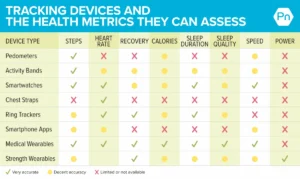
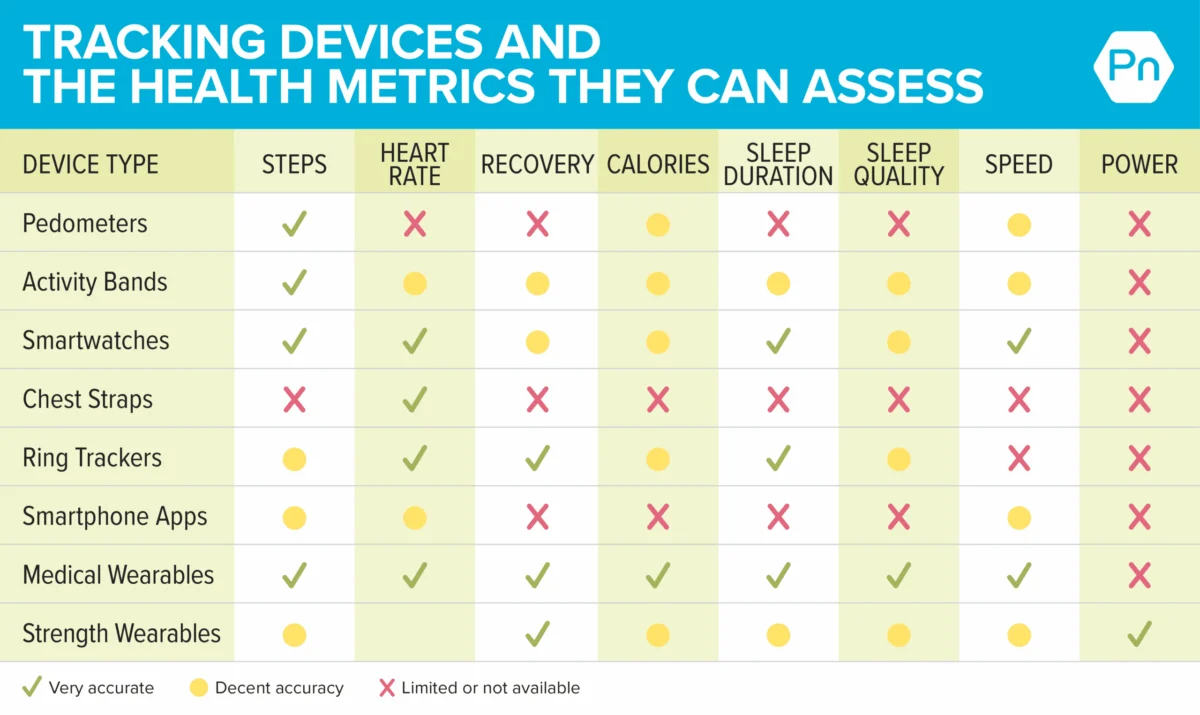
It is vital to recognize that not all data is created equal. While heart rate monitoring via chest straps remains the gold standard—often approaching the accuracy of medical-grade electrocardiograms (ECGs)—wrist-based sensors are subject to significant margins of error, particularly during high-intensity movement or activities involving significant arm motion, such as weightlifting or rock climbing.
Metrics like "calories burned" are perhaps the most misunderstood. These figures are estimates based on proprietary algorithms that factor in age, weight, and movement patterns. They do not account for individual metabolic differences, hormonal fluctuations, or the efficiency of an individual’s movement. When users treat these estimates as immutable facts, they often make suboptimal nutritional or recovery decisions based on flawed data points.
The Three Pillars of Helpful Tracking
Despite these limitations, tracking remains a powerful tool when utilized correctly. There are three primary signs that suggest a user is successfully integrating technology into their health regimen:
-
Stress Reduction and Validation: For many, data serves as a safety net. An athlete who is hesitant to trust their body’s signals—perhaps fearing that an easy run is "ineffective"—can use heart rate data to confirm that they are, in fact, working in an optimal aerobic zone. When the data aligns with their goals, it provides psychological reassurance, reducing anxiety and allowing the user to commit to their training program with confidence.
-
Motivation and Behavioral Prompts: Tracking can act as a crucial prompt for habit formation. In cases where an individual struggles with consistency, the visual feedback provided by a device can serve as a nudge. For instance, visualizing the correlation between late-night alcohol consumption and poor sleep quality scores can be the "aha!" moment required to change a long-term behavioral pattern. Once the data highlights the causal link, the motivation to improve becomes self-sustaining.
-
Enhanced Self-Awareness: The ultimate goal of tracking should be to eventually rely less on the tracker. By using objective metrics to calibrate internal sensations, users can learn to recognize their own physiological limits. An athlete who consistently matches their RPE (Rate of Perceived Exertion) with their heart rate data will eventually become better at gauging their intensity without the need for a screen.

The Danger of Disconnection
The primary risk of modern tracking is the erosion of interoception—the ability to perceive the internal state of the body. When we outsource our internal monitoring to an app, we risk becoming disconnected from essential cues like hunger, fullness, fatigue, and pain.
The 2019 outage of the popular tracking platform MyFitnessPal served as a stark case study in this reliance. Thousands of users reported feelings of anxiety and uncertainty regarding their food intake when they could no longer access the application. This incident highlighted a growing dependency on digital interfaces to regulate basic human behaviors. When the technology fails, the user is left feeling adrift because they have spent years ignoring their body’s natural signals in favor of an algorithm.
Strategies for Mindful Integration
To prevent this loss of agency, users should adopt a more deliberate approach to wearable technology:
- The "Internal-First" Protocol: Before checking a device, perform a self-assessment. Ask yourself how you feel, what your energy levels are, and how you would rate your recovery on a scale of one to ten. Only after recording your internal assessment should you look at the data. Over time, this practice narrows the gap between subjective feeling and objective reality, sharpening your internal intuition.
- Contextualize, Don’t Obsess: Use trackers to look for broad trends rather than daily fluctuations. A single poor night of sleep as reported by a device is rarely a cause for concern, but a three-week downward trend in recovery metrics is actionable data.
- Prioritize Human Senses: Humans possess an array of sensory inputs—proprioception (the sense of body position), vestibular sense (balance), and nociception (pain perception)—that are far more nuanced than the inputs of an accelerometer or GPS. Recognize that technology is a complement to these senses, not a replacement for them.
The Future of Health Coaching
For professionals in the health and fitness industry, the challenge lies in guiding clients toward this balanced perspective. A skilled coach acts as a filter, helping the client distinguish between "junk data" and actionable metrics. The role of the coach is to steer the client away from the "junk volume" of unproductive, data-obsessed training and toward a practice that prioritizes long-term sustainability, enjoyment, and mastery.
Ultimately, the most successful individuals are those who view their trackers as temporary training wheels. By using these devices to calibrate their own internal sensors, they move toward a future where they are no longer dependent on the battery life of a device to understand their own health. In an era of constant quantification, the most valuable skill may be the ability to look away from the screen and listen, once again, to the body.