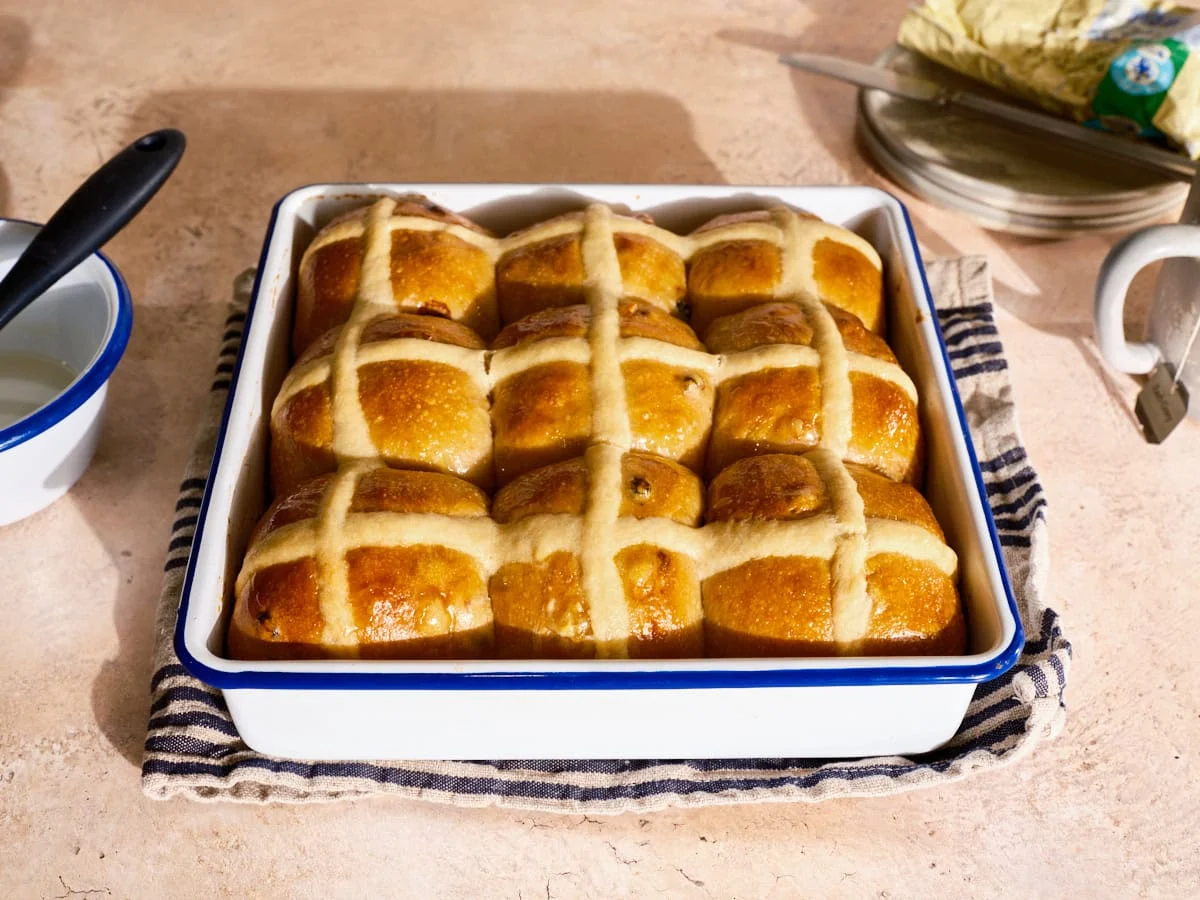

As the chill of winter recedes and the promise of spring heralds the arrival of Easter, a particular baking tradition begins to capture the attention of many: the sourdough hot cross bun. While historically associated with Good Friday, these spiced, fruit-filled delights have evolved into a beloved symbol of the season, bridging the comforting warmth of winter baking with the fresh optimism of spring. This year, an updated recipe, drawing inspiration from the acclaimed cookbook "The Perfect Loaf," offers a rendition that promises unparalleled softness and a depth of flavor achieved through the innovative use of tangzhong.
The science behind the perfect hot cross bun lies in its texture and taste. Traditional enriched doughs, while delicious, can sometimes lack the longevity of softness. This updated recipe introduces tangzhong, a cooked flour-and-liquid paste, which acts as a moisture-binding agent. This culinary technique ensures that the resulting buns are not only exceptionally tender and pillowy upon baking but also retain their delightful texture for longer, making them ideal for sharing over the Easter period.
The foundation of this recipe is a rich, sourdough-based dough, infused with milk, egg, and butter. These enrichments, while contributing to a luxurious mouthfeel, also necessitate a slower fermentation process, demanding patience from the baker. The reward for this patience is a complex flavor profile: a subtle sourdough tang that artfully complements the warmth of cinnamon, allspice, and nutmeg, balanced by the sweetness of sugar and the bright notes of citrus zest. Plump raisins and candied orange peel are folded into this yielding dough, promising a burst of flavor in every bite.
A Departure from Tradition: The Sourdough Advantage
Many contemporary hot cross bun recipes rely on commercial yeast for rapid leavening. While efficient, this method often sacrifices the nuanced flavor development that sourdough fermentation provides. By employing a sourdough starter, this recipe unlocks a more rounded, complex taste. The natural acidity of the sourdough starter, derived from a sweet levain, harmonizes beautifully with the sweetness of the dried fruits, sugar, and glaze, creating a more sophisticated flavor profile than commercially yeasted counterparts. This meticulous approach to leavening and flavor development sets these sourdough hot cross buns apart, offering a truly artisanal experience.
Key Innovations in the Recipe:
- Tangzhong Method: The inclusion of tangzhong is a significant departure from traditional hot cross bun recipes. This cooked flour paste traps moisture, resulting in a demonstrably softer and more tender crumb that remains fresh for an extended period.
- Sourdough Levain: Utilizing a sweet sourdough levain instead of commercial yeast imparts a gentle tang and a more complex flavor, balancing the inherent sweetness of the buns.
- Enriched Dough: The combination of milk, egg, and butter creates a rich, tender dough that is both flavorful and texturally superior.
- Aromatic Spices and Citrus: A carefully curated blend of cinnamon, allspice, and nutmeg, along with fresh lemon and orange zest, provides a fragrant and warming spice profile that is quintessential to hot cross buns.
- Premium Inclusions: The recipe calls for high-quality raisins and candied orange peel, along with optional dried currants or chocolate chips, ensuring a satisfying textural and flavor contrast within the soft dough.
The Baking Schedule: A Symphony of Time and Patience
Crafting these exceptional sourdough hot cross buns involves a thoughtfully orchestrated schedule designed to maximize flavor and texture. While the process requires overnight preparation for the levain and an optional fruit soaker, the majority of the work is completed on the subsequent day, culminating in a same-day direct bake.
Overnight Preparation (e.g., Friday Evening for Sunday Baking):
- 9:00 PM: Prepare the sweet levain. This mixture, comprising high-protein flour, superfine sugar, water, and active sourdough starter, is left to ferment overnight in a warm environment for approximately 12 hours. The sugar in this levain aids in efficient yeast activity within the enriched dough and helps to moderate the overall sourness of the final product.
- Optional Fruit Soaker: If the dried fruits and candied peel appear particularly dry, they can be soaked in water overnight. This step ensures they are optimally softened for incorporation into the dough.
Baking Day (e.g., Saturday Morning for Sunday Baking):
- 8:00 AM: Prepare the tangzhong. A mixture of high-protein flour and whole milk is cooked over medium-low heat until it forms a thick paste. This paste is then cooled to expedite the process. Simultaneously, unsalted butter is softened to room temperature for later incorporation.
- 8:30 AM: Begin the dough mixing process. This involves combining the prepared tangzhong, high-protein flour, beaten egg, sugar, spices, citrus zest, water, salt, and the ripe sourdough levain. The dough is mixed until it achieves a smooth, elastic, and strong consistency, undergoing an intensive development phase. The softened butter is then gradually incorporated, followed by the dried fruits and candied peel.
- 9:00 AM – 1:00 PM: Bulk Fermentation. The dough undergoes a period of bulk fermentation, typically around 4 hours at a warm room temperature (74-76°F / 23-24°C). This phase includes two sets of gentle stretches and folds at 30-minute intervals to build dough strength and evenly distribute the inclusions.
- 1:00 PM: Divide and Shape. The fermented dough is gently turned out onto a work surface, divided into individual portions (approximately 115g each), and shaped into tight balls. These are then placed into a generously buttered baking pan.
- 1:30 PM – 5:30 PM: Proofing. The shaped buns are allowed to proof for an extended period, typically 4 to 5 hours at a warm room temperature. This slow proof is crucial for developing the characteristic soft texture.
- 5:30 PM: Final Preparation and Baking. The oven is preheated, and the buns are prepared for baking. This includes applying an egg wash and piping a traditional cross design using a simple flour-and-water mixture. The buns are then baked until golden brown and cooked through.
- Post-Bake: A simple syrup glaze is brushed over the hot buns immediately after baking, imparting a subtle sheen and sweetness.
Easter Morning Option: For those wishing to serve these delights on Easter morning, the schedule can be adapted. The levain and fruit soaker are prepared on Friday night. The dough is mixed and taken through the bulk fermentation and the initial stages of proofing. At this point, the pan of shaped buns can be refrigerated overnight. On Easter morning, the buns are removed from the refrigerator to finish proofing for approximately one to two hours before baking.
Essential Baking Equipment:
Successful execution of this recipe relies on a few key pieces of equipment:
- Stand Mixer or Spiral Mixer: Highly recommended for efficiently developing the enriched dough to the required smooth and strong consistency.
- 9-inch Square Baking Pan: Ideal for achieving exceptionally soft, pull-apart buns.
- Bench Scraper and Knife: Essential for dividing and shaping the dough.
- Pastry Bag or Piping Bag: For creating the decorative crosses.
- Oven Thermometer: To ensure accurate baking temperatures.
Understanding Baker’s Percentages and Formula Analysis
The provided recipe adheres to the principles of baker’s percentages, a standardized method for calculating ingredient proportions in baking. This system allows for scalability and precise replication of recipes.
- Total Dough Weight: 1,150 grams
- Pre-fermented Flour: 15.5% (This refers to the flour present in the levain relative to the total flour in the dough.)
- Levain in Final Dough: 48.6% (This indicates the proportion of the levain used in the final dough mixture.)
- Hydration: 31.0% (This percentage, excluding milk, represents the ratio of water to flour in the main dough, contributing to its texture.)
- Yield: 9 to 11 substantial hot cross buns, each weighing approximately 115 grams.
Total Formula Breakdown:
The detailed ingredient list, presented in both grams and baker’s percentages, offers a clear guide for bakers:
- High-protein white flour: 454g (92.0%) – Provides structure and elasticity.
- Tangzhong Flour: 39g (8.0%) – Integral to the tangzhong paste for moisture retention.
- Tangzhong Milk: 178g (36.0%) – Forms the liquid component of the tangzhong.
- Egg, beaten: 49g (10.0%) – Adds richness, color, and tenderness.
- Unsalted butter: 69g (14.0%) – Contributes to the soft, tender crumb and flavor.
- Superfine sugar: 39g (8.0%) – Sweetens the dough and aids in browning.
- Thompson raisins or candied orange peel: 74g (15.0%) – The classic fruit inclusions.
- Dried currants or chocolate chips: 49g (10.0%) – Additional textural and flavor elements.
- Ground cinnamon: 3g (0.6%) – The primary warming spice.
- Ground allspice: 1g (0.2%) – Adds depth to the spice blend.
- Freshly ground nutmeg: 1g (0.2%) – Provides a warm, slightly sweet aroma.
- Lemon zest: From 1 lemon – Brightens the flavor profile.
- Orange zest: From 1 orange – Enhances the citrus notes.
- Water: 153g (31.0%) – Hydrates the dough.
- Fine sea salt: 9g (1.9%) – Balances sweetness and enhances flavor.
- Ripe sourdough starter (100% hydration): 31g (6.2%) – The leavening agent and flavor contributor.
Additional Components:
- Egg Wash: 1 egg mixed with 1 tablespoon of milk for a golden crust.
- Cross Mixture: A simple paste of white flour, water, orange juice (or water), vegetable oil, and a pinch of salt, designed to create the iconic cross.
- Simple Syrup Glaze: A mixture of water and sugar, boiled to create a light syrup for glazing the finished buns.
Methodical Execution: A Step-by-Step Guide
1. Prepare the Sweet Levain and Fruit Soaker (Evening Before):
Combine levain ingredients in a large bowl, mix thoroughly, and allow to ferment for 12 hours in a warm location. If using, soak dried fruits in water until bulk fermentation begins.
2. Make the Tangzhong and Prepare Butter (Morning Of):
Cook tangzhong flour and milk until a paste forms, then cool. Soften butter to room temperature.
3. Mix the Dough (Morning Of):
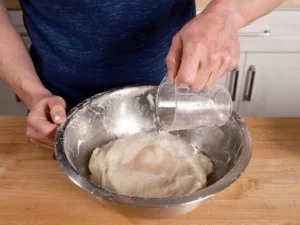
In a stand mixer, combine tangzhong, flour, egg, sugar, spices, zest, water, salt, and levain. Mix on low speed, then medium for 5 minutes. Rest for 5 minutes. Continue mixing on medium for 3-6 minutes until the dough is smooth and passes the windowpane test. Gradually add butter, one pat at a time, until fully incorporated and the dough is silky. Finally, add inclusions and mix on the slowest speed until evenly distributed.
4. Bulk Fermentation (Approximately 4 Hours):
Place dough in a warm container. Perform two sets of stretches and folds at 30-minute intervals, incorporating the drained fruit soaker during the first set. Allow the dough to rest for the remainder of the bulk fermentation.
5. Divide and Shape (Mid-afternoon):
Prepare a 9-inch square baking pan by buttering it generously. Gently turn the dough onto a clean surface, divide into 9 equal portions (115g each), and shape each into a tight ball. Arrange the balls in the prepared pan. Cover and let proof.
6. Proof (Approximately 4-5 Hours):
Allow the shaped buns to proof in a warm place until they are very soft to the touch and have significantly risen. For the 9-inch pan, the dough should reach just below the rim.
7. Prepare Glaze, Cross Mixture, and Bake (Late Afternoon/Evening):
Preheat oven to 400°F (200°C). Prepare the simple syrup glaze by boiling water and sugar until clear, then cool. Mix the cross ingredients to form a thick paste. Brush the risen buns with egg wash. Pipe the cross mixture onto each bun.
Bake for 15 minutes, then reduce oven temperature to 350°F (175°C) and bake for an additional 10-15 minutes, or until the internal temperature reaches 195°F (90°C).
8. Finish and Cool:
Immediately after removing from the oven, brush the buns with the simple syrup glaze. Let cool for 5 minutes in the pan before transferring to a wire rack or serving warm.
Broader Implications and Culinary Tradition
The evolution of recipes like these sourdough hot cross buns reflects a broader trend in home baking: a renewed appreciation for traditional techniques, natural leavening, and the pursuit of superior texture and flavor. The tangzhong method, while originating in Asia, is increasingly being adopted by Western bakers for its remarkable ability to enhance the softness of baked goods. The integration of sourdough into enriched doughs like hot cross buns signifies a sophisticated approach to flavor, moving beyond simple sweetness to a more nuanced and complex profile.
These buns are best enjoyed fresh, perhaps split and generously buttered with a high-quality salted butter. While they can be stored in an airtight container for a day, their peak texture is undoubtedly on the day of baking. The recipe’s adaptability, with options for overnight proofing, makes them an accessible yet extraordinary addition to any Easter celebration, embodying the spirit of comfort, tradition, and culinary innovation. As bakers continue to explore and refine these methods, the sourdough hot cross bun is poised to remain a cherished symbol of spring and a testament to the enduring art of bread making.