
After an extended hiatus from its regular book recommendation series, the prominent food science blog Khymos has returned to spotlight notable publications bridging the culinary and scientific worlds. The recent update, marking the first such recommendations since 2013, highlights a curated selection of books published in 2020 that exemplify the ongoing trend of applying scientific principles to the art of cooking and eating. This resumption underscores the persistent and growing interest in understanding the fundamental chemistry and physics behind food, flavour, and culinary techniques.
The Resurgence of Scientific Culinary Exploration
The Khymos blog, known for its deep dive into molecular gastronomy and the science of food, has long served as a crucial resource for enthusiasts and professionals alike. Its seven-year break from compiling comprehensive book lists created a significant gap for followers seeking authoritative guidance on new literature in the field. The 2020 recommendations signal a renewed commitment to tracking and reviewing publications that possess "a certain scientific touch," aligning with the blog’s core mission. This timely return reflects a broader societal trend where home cooks and professional chefs are increasingly seeking a deeper, evidence-based understanding of their craft, moving beyond mere recipe following to grasp the underlying mechanisms that dictate taste, texture, and culinary outcomes.
The field of gastronomic science has matured considerably since its nascent stages, largely popularized by figures like Harold McGee, whose seminal work On Food and Cooking: The Science and Lore of the Kitchen (1984) is often credited with igniting widespread interest in the scientific underpinnings of cuisine. What was once a niche interest, sometimes labeled "molecular gastronomy," has now diffused into mainstream culinary education and everyday cooking, fostering a generation of curious cooks eager to experiment and innovate with scientific precision.
Highlighting 2020’s Premier Food Science Publications
The 2020 selection from Khymos showcases a diverse range of approaches to food science, from integrated recipe guides to encyclopedic explorations of sensory perception and specialized regional applications.
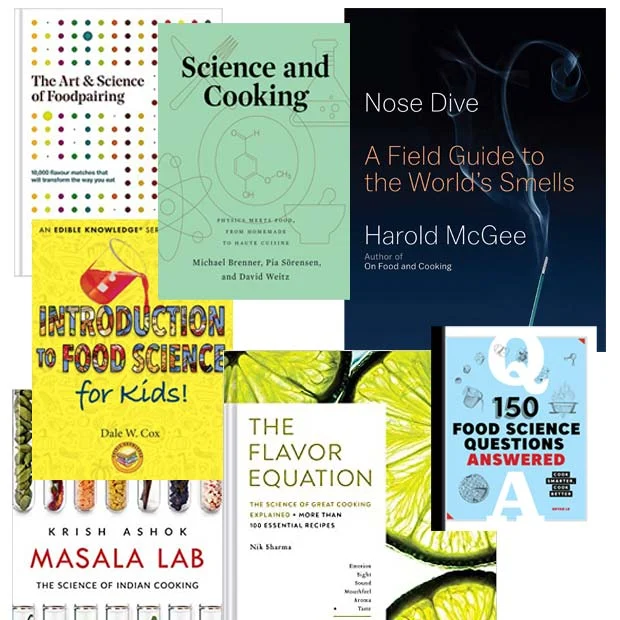
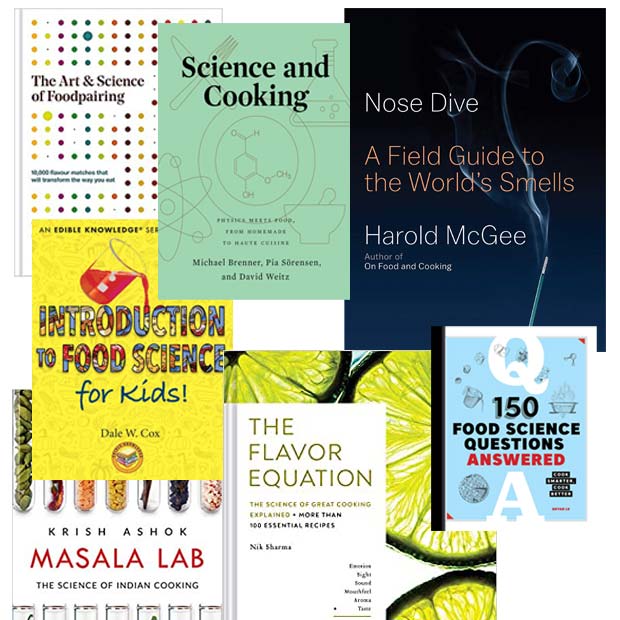
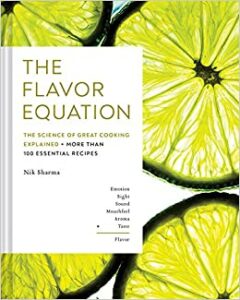
Leading the list is "The Flavor Equation" by Nik Sharma. Spanning 352 pages, this 2020 publication features approximately 100 recipes, ingeniously integrating scientific explanations directly into each dish’s instructions. Under a dedicated heading, "The Flavor Approach," Sharma provides concise, accessible scientific insights that illuminate the principles behind specific flavour combinations and cooking techniques. This format empowers readers to understand why certain ingredients work together or how particular methods enhance flavour, rather than simply instructing what to do. The remaining third of the book delves into flavour from various perspectives, making complex scientific concepts easily digestible for a broad audience. The inclusion of metric units is an added convenience for an international readership, further cementing its appeal. Sharma, a celebrated food writer and photographer, is known for his ability to demystify complex culinary science, making his work highly regarded by both novice and experienced cooks.
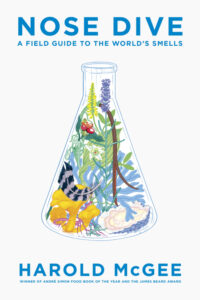
Another monumental addition is "Nose Dive: A Field Guide to the World’s Smells" by Harold McGee. Clocking in at 688 pages, this exhaustive volume from the author widely recognized as a pioneer in culinary science, offers an unprecedented exploration of the sense of smell. While McGee’s On Food and Cooking provided a foundational text for food science, "Nose Dive" dedicates itself entirely to the olfactory world, extending beyond food to encompass smells from all facets of existence. Despite the detailed discussion of volatile molecules and chemical compounds, McGee’s masterful storytelling ensures the scientific depth remains engaging and accessible, not intimidating. The book’s extensive research and comprehensive scope make it an invaluable resource for anyone interested in the profound impact of aroma on perception and experience. Critics have lauded "Nose Dive" as a magnum opus, further solidifying McGee’s legacy as a preeminent authority in the sensory sciences.
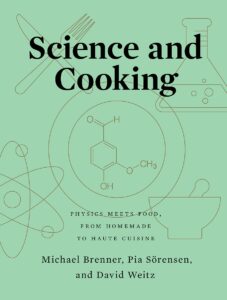
"Science and Cooking: Physics Meets Food, From Homemade to Haute Cuisine" by Michael Brenner, Pia Sørensen, and David Weitz (320 pages, 2020) emerges from a renowned academic setting. The authors, all affiliated with Harvard University, developed and teach the highly acclaimed "Science and Cooking" course, which has been offered for over a decade. Many of the lectures from this course, featuring a remarkable roster of celebrity chefs, leading scientists, and authors, are publicly available on YouTube, reaching a global audience. The book mirrors the course’s interdisciplinary approach, drawing from the authors’ diverse scientific backgrounds in applied mathematics, chemistry, and physics to elucidate culinary phenomena. It skillfully interweaves scientific explanations with practical recipes, demonstrating how principles like heat transfer, emulsion stability, and phase changes manifest in the kitchen. The book’s clear explanations and inclusion of metric units make it a valuable resource for those seeking a rigorous yet practical understanding of culinary physics and chemistry.
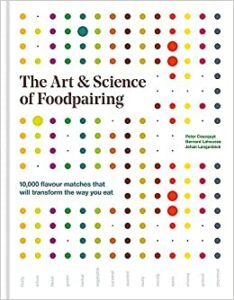
The concept of flavour pairing receives a comprehensive treatment in "The Art and Science of Foodpairing" by Peter Coucquyt, Bernard Lahousse, and Johan Langenbick (388 pages, 2020). This book stems from the work of the Belgian company Foodpairing, which has pioneered a data-driven approach to identifying compatible ingredient combinations based on their shared volatile aroma compounds. While the concept of "food pairing" has sometimes faced criticism and been viewed as controversial by some traditionalists, the authors present a robust framework, grounded in analytical chemistry, to explain its principles. The book illustrates how scientific analysis can inspire novel and harmonious flavour combinations, demonstrating where scientific understanding can guide culinary creativity and where artistic intuition takes over. For those familiar with Khymos’s previous coverage, including interviews with Bernard Lahousse and reports from "The Flemish Primitives" conferences, this book represents a culmination of years of research and application in this intriguing area.
A particularly exciting addition to the 2020 list is "Masala Lab" by Krish Ashok (280 pages, 2020). This publication stands out for its application of scientific inquiry to regional cuisines, specifically Indian cooking. Ashok, an electronic and software engineer, brings an analytical and curious mind to traditional Indian culinary practices, dissecting them through a scientific lens. The book promises to demystify the science behind iconic Indian dishes and techniques, a significant development given the historical underrepresentation of non-Western cuisines in much of the existing food science literature. Its focus on a rich and complex culinary tradition through a scientific framework makes it a highly anticipated read, offering fresh perspectives and potentially inspiring similar scientific explorations of other global cuisines. Its limited availability primarily through Amazon India underscores its specific cultural relevance, while also highlighting a growing demand for such specialized scientific culinary texts globally.
For those new to the intersection of science and cooking, "150 Food Science Questions Answered: Cook Smarter, Cook Better" by Bryan Le (198 pages, 2020) provides an excellent entry point. Structured as a series of clear Q&As, the book covers fundamental topics such as cooking basics, flavour principles, main ingredient groups, and crucial aspects of food safety and storage. Its user-friendly format makes it an ideal reference guide for quick look-ups, while also serving as an engaging browse for anyone seeking to deepen their understanding of everyday kitchen phenomena. The book’s practical orientation encourages readers to adopt a scientific mindset, fostering a more informed and confident approach to cooking.
Finally, addressing a vital educational segment, "Introduction to Food Science for Kids!: A Kitchen-Based Workbook" by Dale W Cox (112 pages, 2020) highlights the growing recognition of the kitchen as an ideal informal laboratory. This workbook is specifically designed to introduce children to fundamental chemical and physical concepts through engaging, hands-on culinary experiments. By leveraging the inherent curiosity of children and the universal appeal of food, the book makes complex scientific ideas accessible and fun, nurturing an early interest in STEM fields. This initiative underscores the importance of fostering scientific literacy from a young age, demonstrating how everyday activities can be powerful learning opportunities.
The Evolving Landscape: Key Trends and Publications (2014-2019)
While the Khymos blog focused its detailed reviews on 2020 titles, the intervening years since its last recommendations in 2013 saw significant growth and diversification within food science literature. The period from 2014 to 2019 witnessed a broadening of scope, moving beyond the initial "molecular gastronomy" focus to embrace a more holistic understanding of food.
A landmark publication during this period was J. Kenji López-Alt’s "The Food Lab: Better Home Cooking Through Science" (2015). This comprehensive volume, originating from López-Alt’s popular Serious Eats column, meticulously applies scientific methodology to common home cooking techniques. Its rigorous experimentation and detailed explanations of concepts like heat transfer, protein denaturation, and emulsion formation, combined with practical, accessible recipes, made it an instant classic and a bestseller. "The Food Lab" effectively democratized advanced culinary science, demonstrating how scientific principles could dramatically improve everyday cooking for the home enthusiast. Its impact was profound, inspiring countless cooks to approach their kitchens with a more inquisitive and analytical mindset.
Other notable trends included an explosion of literature on fermentation, driven by renewed interest in traditional methods, gut health, and flavour development. Books like Sandor Ellix Katz’s "The Art of Fermentation" (2012, with continued influence through this period) and "Noma Guide to Fermentation" (2018) by René Redzepi and David Zilber provided deep dives into the microbiology and practical application of fermentation, showcasing its transformative power on ingredients and flavours. These works highlighted the intersection of microbiology, chemistry, and culinary art, expanding the definition of "food science" beyond the physical and chemical transformations to include biological processes.
The period also saw an increase in plant-based culinary science. As vegetarian and vegan diets gained prominence, authors began to explore the scientific principles behind maximizing flavour and texture in plant-based cooking, including protein structure in plant-based alternatives and the chemical reactions that create umami in vegetables. This shift reflected changing dietary preferences and a greater emphasis on sustainability within the culinary world.
Furthermore, academic institutions and culinary schools continued to integrate food science into their curricula, leading to a steady stream of textbooks and reference works that codified the growing body of knowledge. Online platforms and digital resources also played a crucial role in disseminating this information, making food science more accessible than ever before. This period set the stage for the specialized and diverse offerings seen in 2020, demonstrating a sustained and evolving public and professional appetite for scientific culinary understanding.
Broader Impact and Implications
The consistent output of high-quality food science literature, as evidenced by Khymos’s 2020 recommendations and the trends of the preceding years, signifies a profound and lasting shift in how food is approached. These books are not merely recipe collections; they are educational tools that empower individuals to become more proficient, innovative, and thoughtful cooks.
For professional chefs, such resources provide a deeper understanding of ingredients and processes, enabling them to push the boundaries of flavour and texture with greater precision and predictability. Culinary schools increasingly incorporate these scientific principles into their foundational courses, ensuring that future generations of chefs are equipped with both traditional skills and a scientific understanding.
For home cooks, these books demystify complex techniques, transform everyday cooking into an engaging intellectual pursuit, and foster a greater appreciation for the science inherent in even the simplest meals. The emphasis on understanding why things happen in the kitchen leads to greater confidence and creativity, allowing cooks to adapt recipes, troubleshoot issues, and develop their own unique culinary expressions.
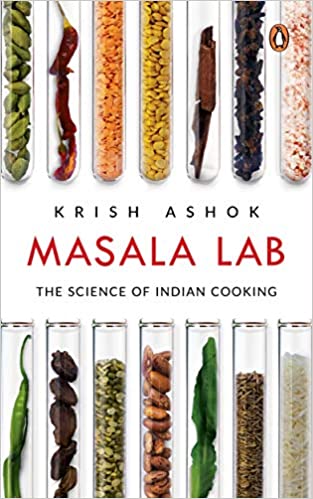
The inclusion of books like "Masala Lab" also highlights the critical importance of applying scientific inquiry across diverse culinary traditions, moving beyond a historically Eurocentric focus. This fosters cross-cultural exchange of knowledge and enriches the global understanding of food science. Similarly, the dedication of resources like "Introduction to Food Science for Kids!" underscores the long-term vision of cultivating scientific literacy and curiosity from an early age, using the accessible and engaging medium of food.
The return of Khymos’s book recommendations serves as a timely reminder of the vibrant and continually expanding field of gastronomic science. It reinforces the idea that cooking is not just an art but a complex interplay of chemistry, physics, and biology, offering endless opportunities for discovery and innovation. As the world becomes increasingly connected and informed, the demand for rigorous, accessible, and diverse food science literature is set to continue its upward trajectory, shaping the future of how we understand, prepare, and enjoy our food.