
Dough hydration, a fundamental yet often misunderstood element in sourdough baking, is far more than a simple number in a recipe. It represents a dynamic interaction between the baker, the ingredients, and the environment, dictating the very character of the final loaf. For novice and experienced bakers alike, a deep comprehension of hydration is the key to unlocking consistently excellent sourdough, transforming sticky, unmanageable dough into artisan masterpieces. This comprehensive guide delves into the science and practice of dough hydration, offering insights gleaned from years of hands-on experience to demystify this crucial aspect of bread making.
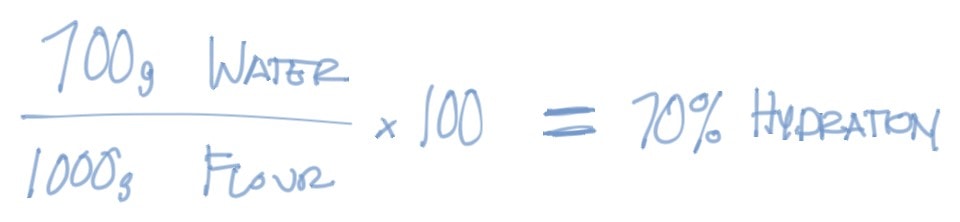
At its core, dough hydration is the measure of water content within a dough, expressed as a percentage of the total flour weight. The calculation is straightforward: divide the weight of the water by the total weight of the flour, and then multiply by 100. For instance, a recipe calling for 1,000 grams of flour and 700 grams of water results in a 70% hydration dough (700g water / 1000g flour * 100 = 70%). This percentage serves as an initial benchmark, offering bakers a preview of the dough’s expected behavior.
However, the reality of baking is that hydration percentages are guidelines, not rigid rules. Flour, the primary component, is not a static ingredient. Its absorption properties vary significantly based on its type, the mill it comes from, and even the specific batch. This inherent variability means that a recipe’s stated hydration might require adjustments based on the flour being used.
Beyond the flour itself, environmental factors play a role, albeit often a subtler one. While dramatic shifts in weather—from extreme dryness to heavy humidity—can influence dough consistency, the subtle day-to-day variations in ambient humidity can also necessitate minor adjustments. A dough that feels perfectly manageable on a dry morning might feel considerably wetter and slack on a humid, rainy afternoon, requiring a baker’s keen observation to adapt.
The Critical Role of Hydration in Bread Characteristics
The significance of hydration lies in its profound impact on the final bread’s texture, crumb structure, and crust. Water is the transformative agent that converts dry flour into a pliable dough capable of capturing the gases produced during fermentation. Insufficient water leads to a tight, resistant dough, hindering proper development and resulting in a dense loaf. Conversely, excessive water can create a soupy, unmanageable mass that struggles to maintain its shape, often leading to a gummy interior and a collapsed structure.
The spectrum of hydration levels allows for the creation of diverse bread styles. Lower hydration doughs, typically in the 60-68% range, yield breads with a more substantial, chewier crust and a denser, more tightly knit crumb. These are often favored for their robust structure and satisfying chew.
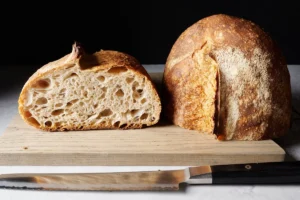
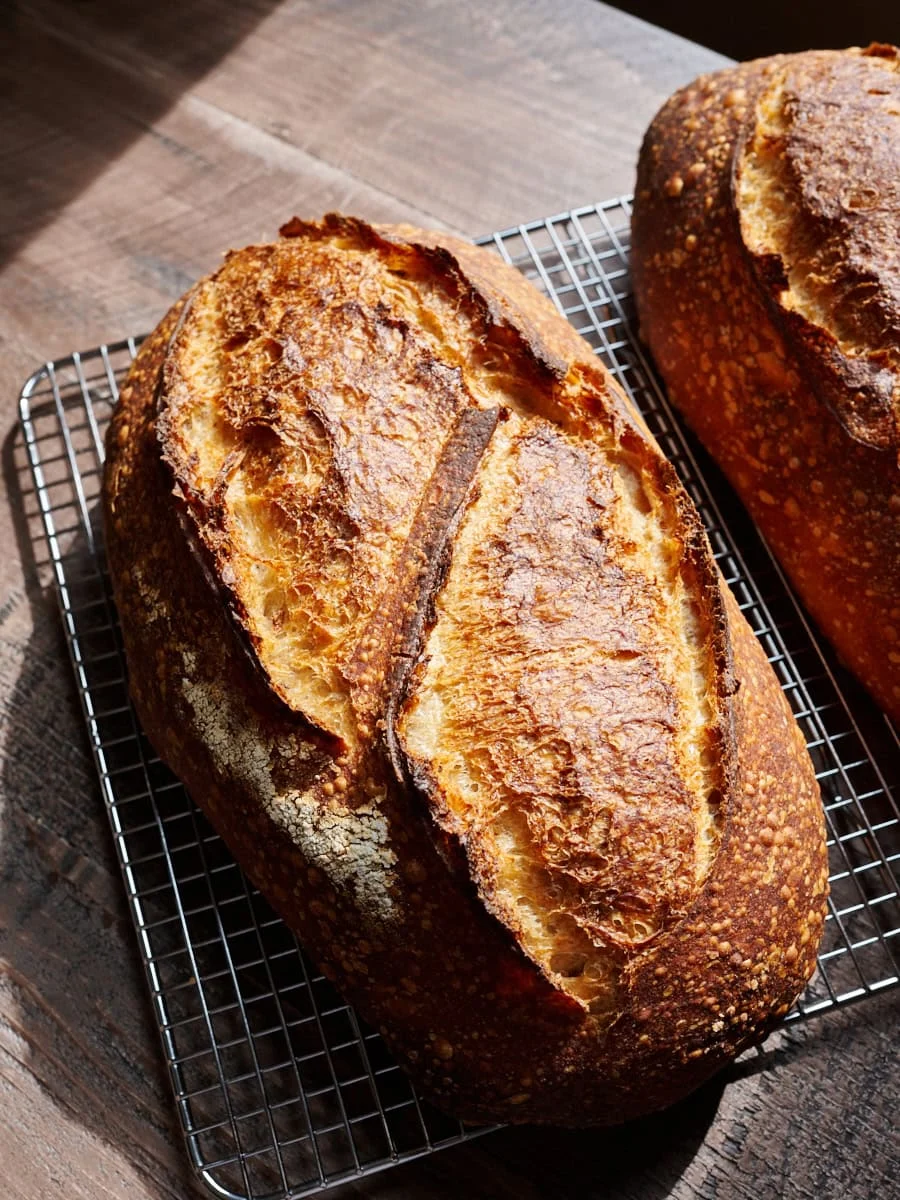
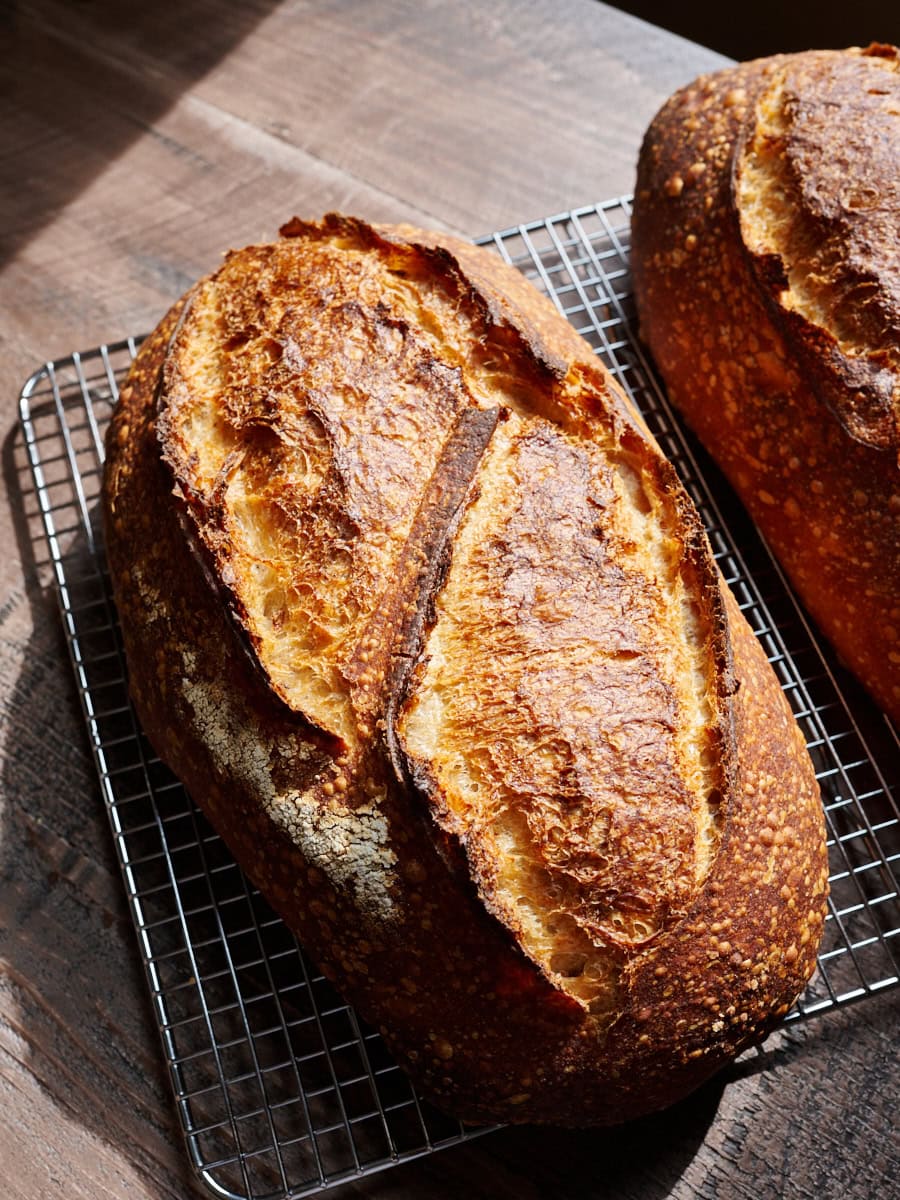
In contrast, higher hydration doughs, ranging from 75% to 85% and beyond, produce loaves with a significantly different profile. These can exhibit a thinner, more brittle crust and a custardy, open crumb, often described as melt-in-your-mouth. The increased water content allows for greater gas expansion during fermentation and baking, leading to a lighter, more airy interior. However, pushing hydration too high carries its own risks, potentially resulting in a loaf that is excessively soft, struggles to hold its shape post-baking, and may stale more rapidly if not stored correctly.
The ideal hydration is a delicate balance, tailored to the specific flour used and the desired outcome. For those who favor a loaf with a very thin crust, a tender crumb, and a delicate mouthfeel, higher hydration levels are often the target. This preference, however, is subjective, and many bakers find satisfaction in the characteristics produced by lower or moderate hydration levels.
Understanding the Hydration Spectrum: A Visual and Practical Approach
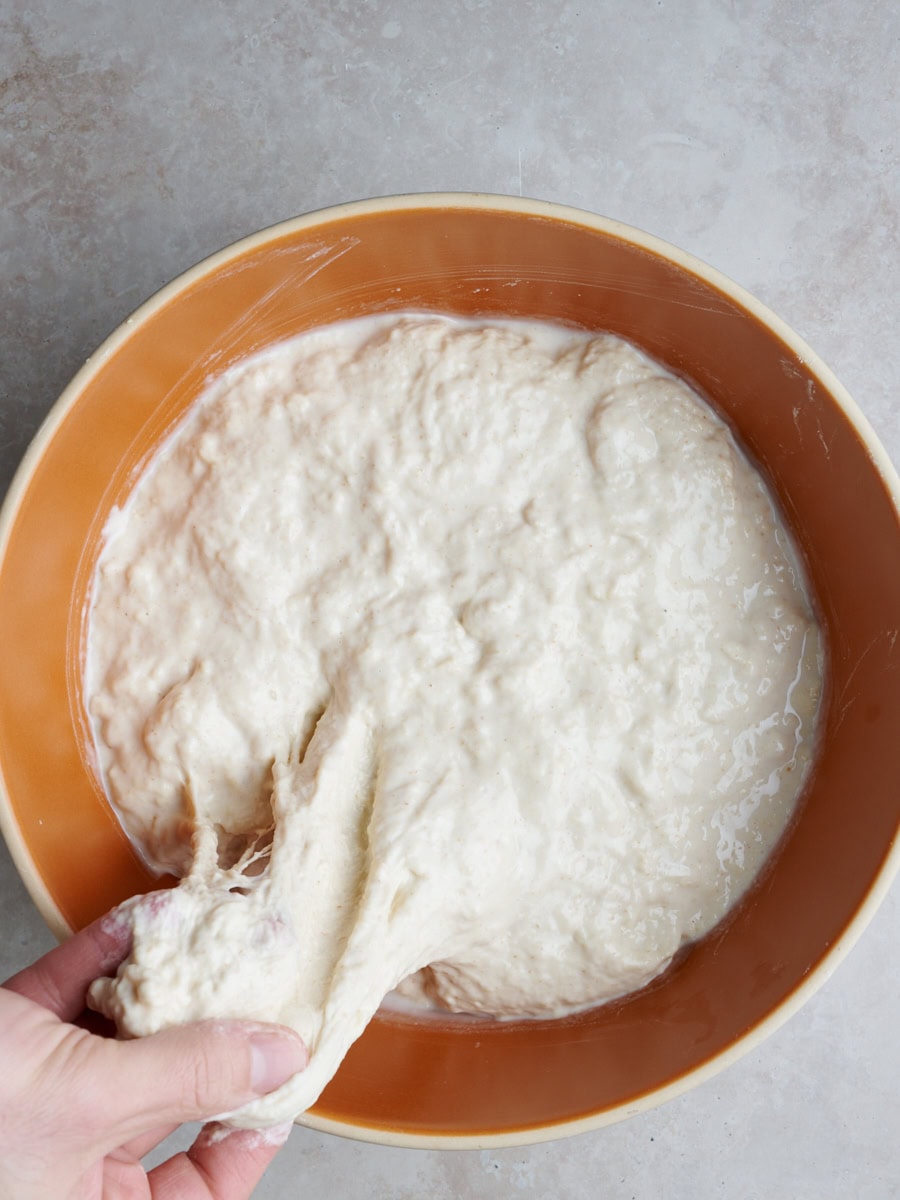
To truly master hydration, bakers must learn to "read" their dough—to observe its texture and behavior rather than blindly adhering to numerical targets. A dough that feels wet and soupy at 70% hydration with one type of flour might feel firm and manageable when using a different flour.
Under-Hydrated Dough (Approximately 62% or less):
An under-hydrated dough will exhibit several tell-tale signs. It often appears dry and crumbly, resisting incorporation of ingredients. During mixing, it will feel stiff and require significant effort to knead. When shaped, it will feel taut and may tear easily. The resulting bread often has a dense, tight crumb and a thick, potentially hard crust.
"Just Right" Hydration (Approximately 68-75%):
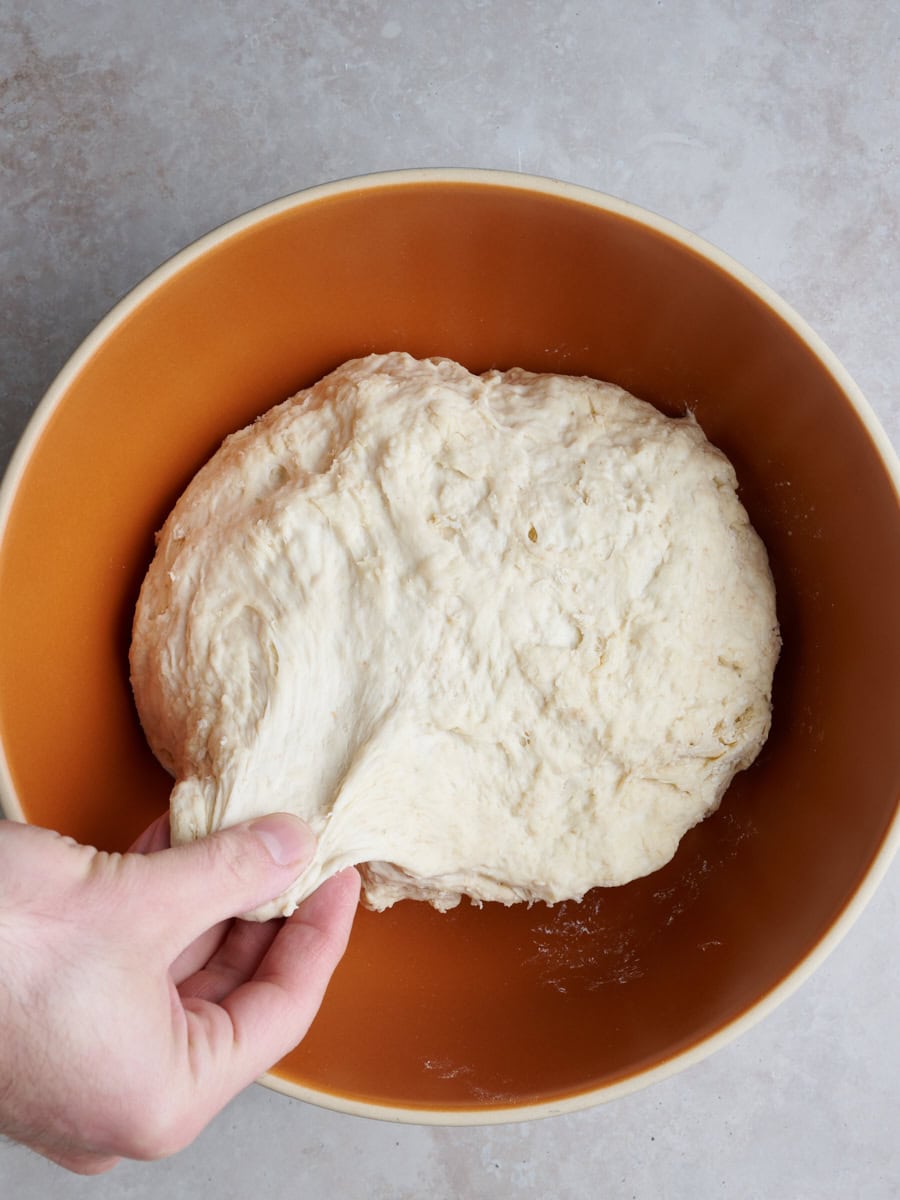
This range typically represents a sweet spot for many bakers, offering a balance of manageability and excellent results. Doughs in this range are generally smooth and elastic, exhibiting a slight tackiness but not excessive stickiness. They are responsive to shaping and develop a beautiful open crumb with a moderately thin crust. This level is often recommended for beginners as it provides a forgiving learning curve.
Over-Hydrated Dough (Approximately 75%+):
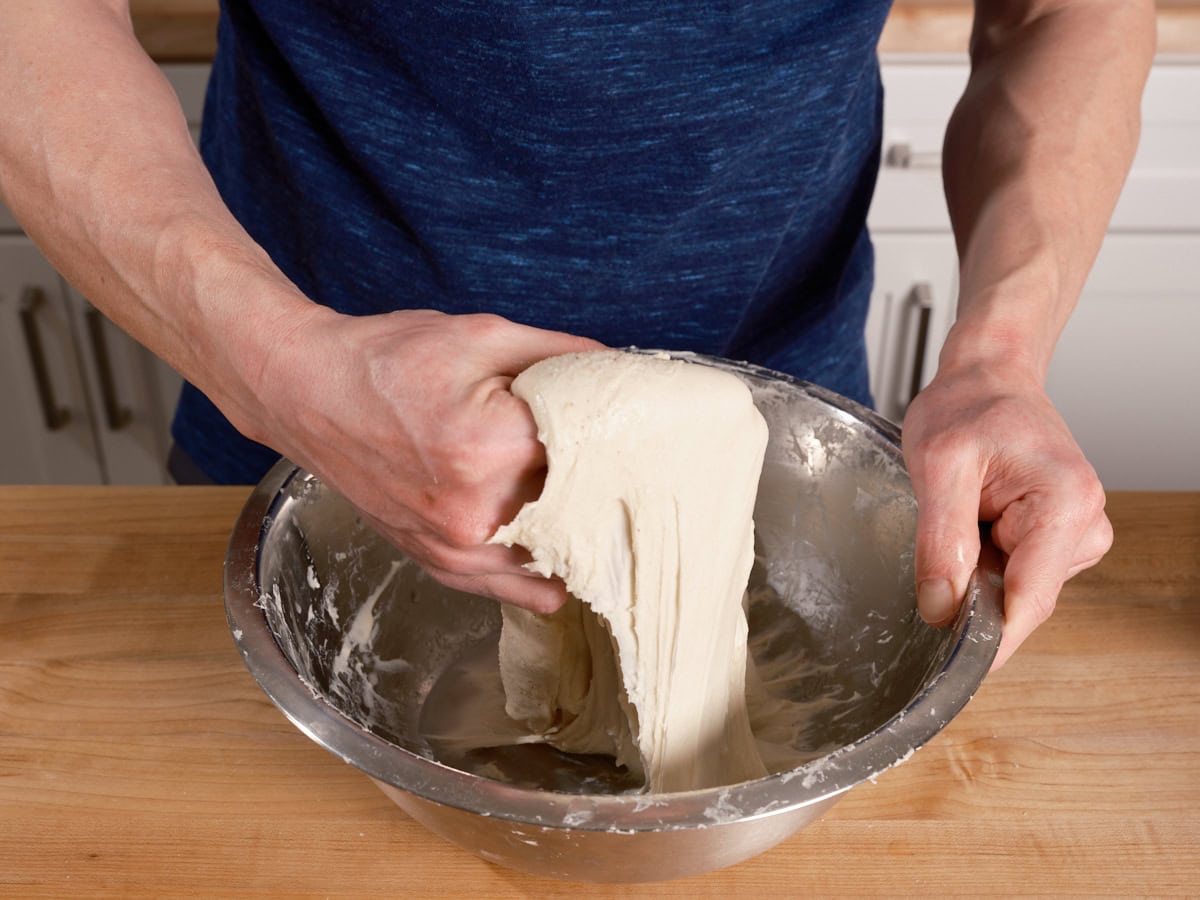
When a dough is over-hydrated, it will appear very wet and slack. It will be sticky, clinging to hands and surfaces, and may spread considerably. Developing a strong gluten network can be challenging, and shaping requires advanced technique to prevent the dough from deflating. The resulting bread often has a very open, custardy crumb and a delicate, sometimes brittle crust. However, excessive hydration can lead to a gummy texture if not managed expertly.
Bassinage: The Technique of Gradual Hydration
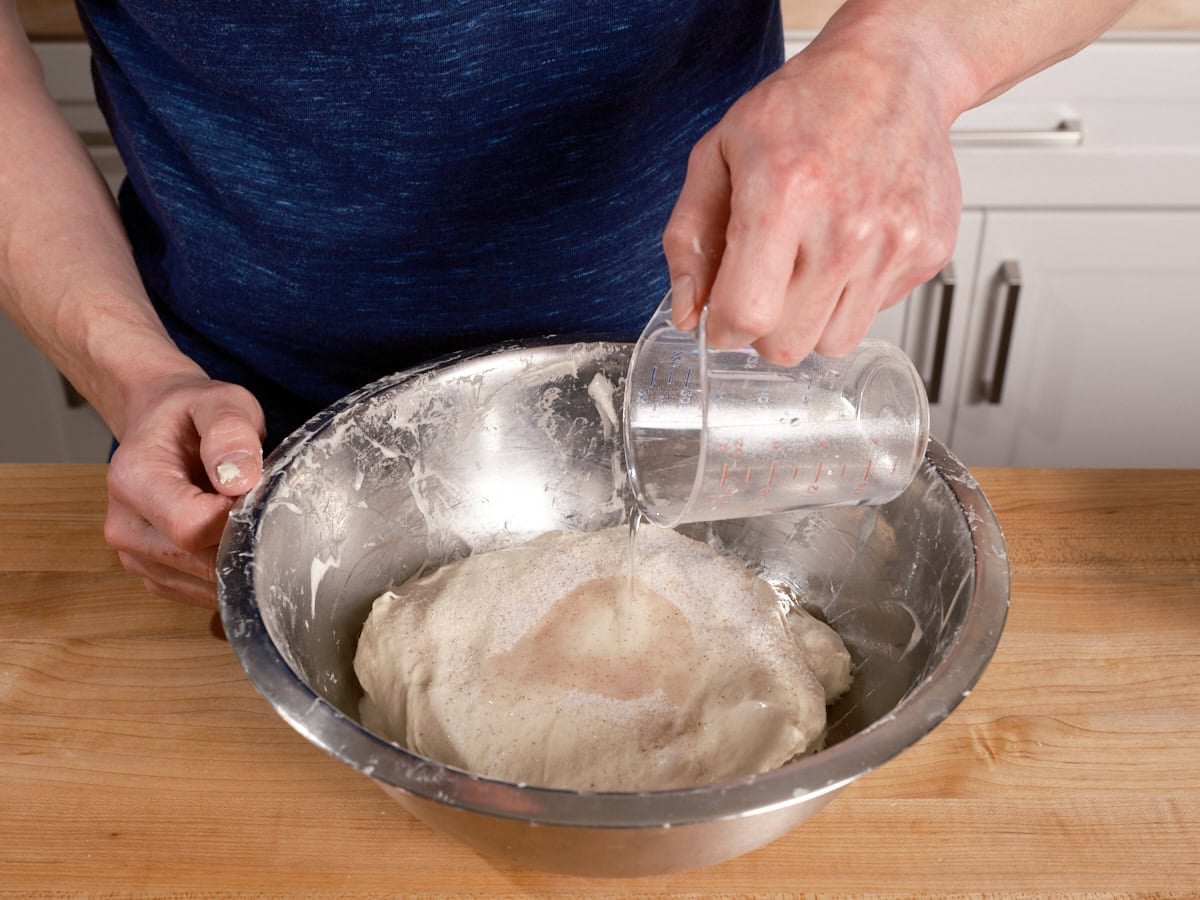
A pivotal technique that has revolutionized the approach to high-hydration baking is bassinage, often referred to as "double hydration." This method involves holding back a portion of the total water and adding it incrementally during the later stages of mixing, after the flour’s starches have begun to absorb moisture and the gluten network has initiated development.
The benefits of bassinage are twofold. Firstly, it simplifies gluten development. Introducing all the water at the outset, especially in high-hydration recipes, can make it difficult to achieve sufficient friction to effectively strengthen the gluten matrix. By adding most of the water initially (around 80-90%) and mixing until some development is evident, followed by the slow incorporation of the remaining water, bakers can achieve higher hydration levels without excessively long mixing times or risking under-development.
Secondly, bassinage provides a crucial opportunity to assess dough strength. By reserving some water, bakers can gauge the dough’s consistency and determine if the additional liquid is necessary or if it should be omitted. Many advanced recipes incorporate this by specifying "Water 1" and "Water 2," where Water 2 is the reserved amount for adjustment. A practical application of this is to observe the dough after the initial mixing; if it feels overly slack, the reserved water can be withheld. If the dough feels strong and capable of incorporating more moisture, Water 2 can be added gradually.
Factors Influencing Water Absorption
Several key factors influence how much water a particular flour will absorb and how the dough will behave:
-
Flour Type and Protein Content: Flours with higher protein content, typically found in "bread flour" (12-14% protein), can absorb and retain more water. This increased capacity is due to the protein’s role in forming a stronger, more extensive gluten network, which is essential for trapping the extra moisture. Conversely, flours with lower protein percentages, common in many European and South American countries, are "softer" and may require reduced hydration to prevent an overly sticky and unmanageable dough. This difference in protein content is a primary reason why American bread flour often necessitates higher hydration levels for optimal texture compared to its international counterparts.
-
Whole Grain Flours: The presence of whole wheat, rye, or other whole grains significantly increases a dough’s water absorption needs. The bran and germ particles within whole grains are highly absorbent, requiring more water to achieve proper hydration and prevent a dry, crumbly texture. For example, a sourdough recipe incorporating 50% whole wheat might require a hydration level of 82% or higher, a level that would be challenging to manage with 100% white flour. When working with substantial amounts of whole grains, the bassinage technique is particularly valuable for integrating this extra water.
-
Freshly Milled Flour: Flour milled at home, even after sifting to remove some bran and germ, often requires more hydration than aged flour. This is attributed to the inherent properties of freshly processed grains, which tend to absorb moisture more readily.
-
Climate and Environment: Geographical location and prevailing weather conditions can play a significant role. Bakers in arid, high-altitude regions, such as New Mexico, often find they need higher hydration percentages to achieve desired dough consistency due to the dry air. Conversely, bakers in humid environments may need to slightly reduce hydration, as the flour may already have absorbed some moisture from the atmosphere. While the impact of daily humidity shifts is often minimal, it is a factor to consider for consistent results.
Troubleshooting Sticky Dough
Sticky dough is a frequent source of frustration for bakers, and it’s almost always linked to hydration, dough strength, or a combination of both. Common culprits include:
- Excessive Water: The most direct cause of sticky dough is simply adding too much water relative to the flour’s absorption capacity.
- Insufficient Gluten Development: If the gluten network hasn’t developed sufficiently, it won’t be able to effectively hold the water, leading to a slack, sticky dough. This can be due to under-mixing, insufficient kneading, or using a flour with low protein content.
- Flour Type: As discussed, different flours have varying absorption rates. Using a flour that is less absorbent than expected for a given hydration level will result in stickiness.
- Temperature: Dough temperature can affect its viscosity. Warmer doughs tend to be stickier than cooler ones.
- Resting Time: In some cases, a dough might initially feel sticky but will firm up with adequate autolyse or resting time, allowing the flour to fully hydrate and gluten to develop.
Tips for Working with High-Hydration Doughs
As hydration levels increase, dough stability naturally decreases. Pushing the water content is akin to stretching the gluten matrix to its limits. Managing high-hydration doughs requires specific strategies:
- Utilize the Right Tools: A dough scraper is indispensable for handling sticky dough, helping to lift, fold, and shape without excessive hand contact. A bench scraper can also be invaluable for maneuvering and manipulating the dough.
- Develop Strength: Robust gluten development is paramount. Techniques like stretch-and-folds, coil folds, or slap-and-folds are crucial for building structure in wet doughs.
- Control Temperature: Keeping the dough at an optimal temperature, often slightly cooler than for lower-hydration doughs, can help manage stickiness and slow down fermentation, allowing for better control.
- Embrace the Stickiness (to a Degree): Sometimes, a slightly sticky dough is unavoidable with higher hydration. The key is to work with it, using floured surfaces and hands judiciously, and employing gentle handling techniques.
- Master Shaping: Shaping high-hydration doughs requires a delicate touch and precise movements to create surface tension without degassing the dough excessively. Practice and patience are essential.
Hydration Quick Reference Chart
| Hydration Level | Characteristics | Best For |
|---|---|---|
| 60-65% | Stiff, easy to handle, potentially thicker crust | Bagels, pretzels, pizza, some pan loaves |
| 65-70% | Balanced, manageable, good structure | Classic breads, beginner-friendly sourdough |
| 70-75% | Moderately open crumb, thin crust | Classic country loaves, baguettes |
| 75-80% | Requires longer mixing, tender crumb, skill needed | Ciabatta, focaccia, open-crumb loaves, sandwich loaves |
| 80%+ | Requires longer mixing, often more open crumb, custard-like, challenging to shape | High-hydration loaves |
Common Questions About Dough Hydration
Why can’t I just add more flour if my dough is too wet?
While tempting, adding flour after the initial mix disrupts the carefully calculated baker’s percentages. All ingredients—salt, levain, etc.—are calculated as a percentage of the total flour weight. Altering the flour amount necessitates recalculating all other ingredients to maintain the recipe’s intended balance. Adjusting water, conversely, only affects hydration in isolation. However, in extreme cases where a dough is completely unmanageable, adding a small amount of flour and noting it for future reference can be a last resort.

Does higher hydration necessarily mean a more open crumb?
Not exclusively. Hydration is a significant factor, but crumb structure is a complex interplay of fermentation, shaping, and baking technique. A well-fermented and expertly shaped 68% hydration dough can yield a more open crumb than a poorly managed 80% hydration dough. Focus on mastering all baking fundamentals rather than solely pursuing high hydration.
What hydration level should a beginner start with?
A hydration level of 68-70% using a quality bread flour is highly recommended for beginners. This range offers a dough that is forgiving and manageable, yet capable of producing excellent results. As confidence and understanding grow, bakers can gradually experiment with higher hydration levels.
What is the ideal hydration for bread dough?
There is no single "ideal" hydration. It is entirely dependent on the type of flour used and the specific characteristics desired in the final bread. Generally, bread doughs fall within the 60%-80% hydration range, though variations outside this spectrum are also possible.
Developing Baker’s Intuition
Ultimately, mastering dough hydration is about cultivating sensitivity—what is often termed "baker’s intuition." This involves learning to interpret the dough’s visual and tactile cues rather than rigidly adhering to numerical values. Each bag of flour possesses unique properties, and daily environmental conditions vary. The most accomplished bakers treat recipes as starting points for a dialogue with their ingredients.
Consistent record-keeping is an invaluable tool in this process. Documenting hydration levels, dough feel, environmental conditions, and the final loaf’s outcome over time will foster an intuitive understanding that transcends any written guide. This journey of understanding hydration is a continuous exploration, leading to more consistent, delicious, and satisfying sourdough bread.