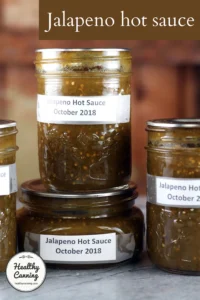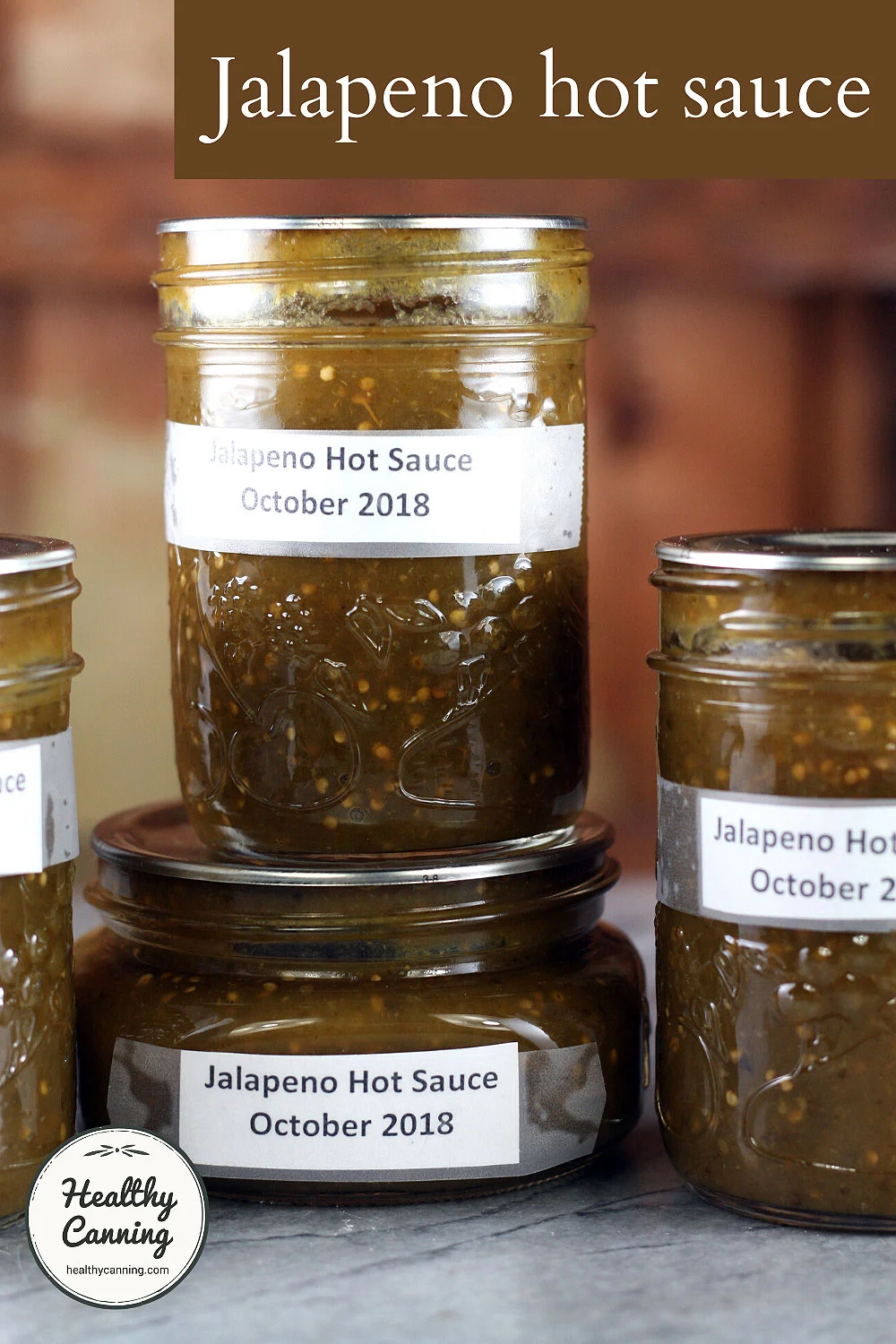

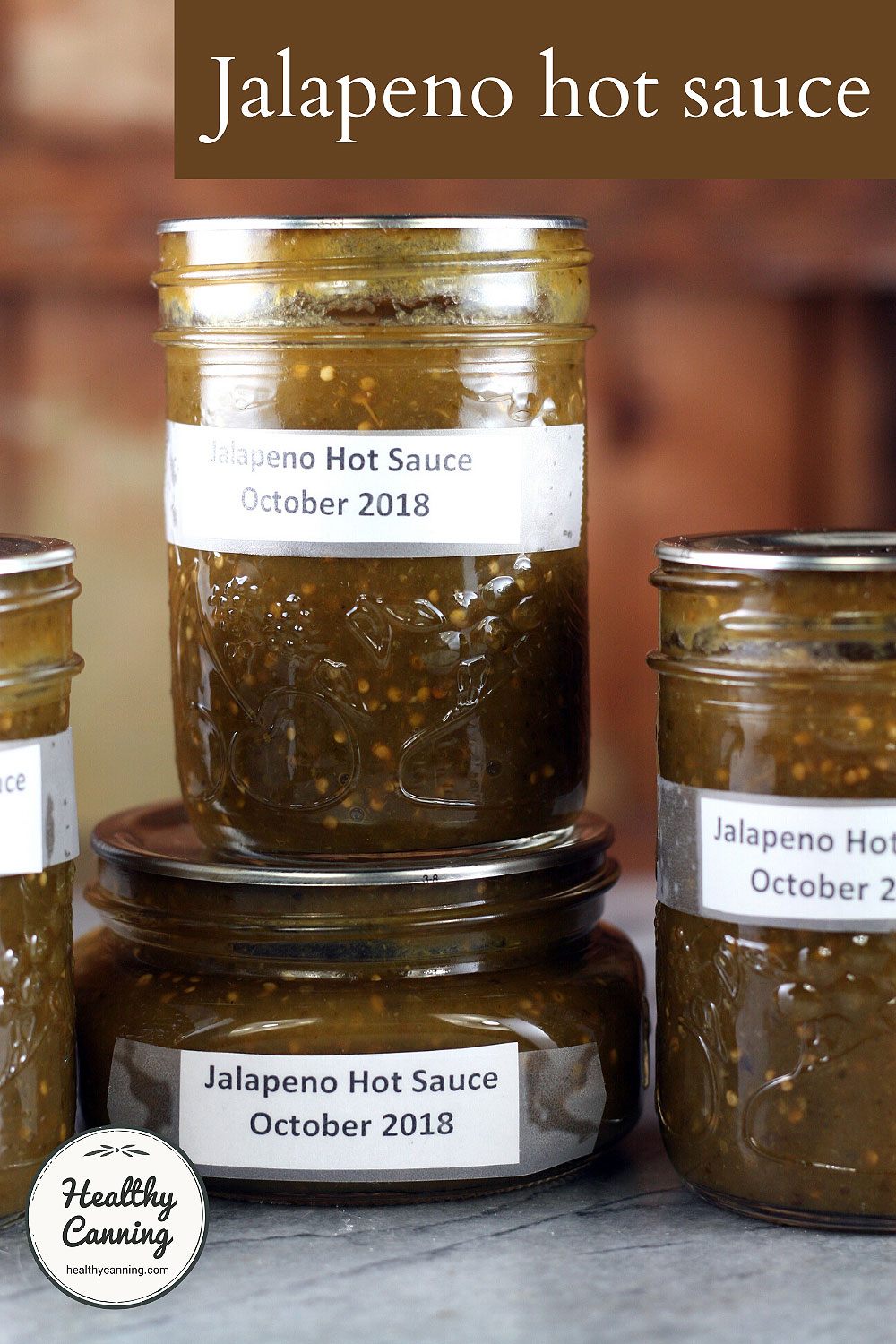
The production of home-canned Jalapeño hot sauce represents a sophisticated intersection of culinary art and rigorous food safety science, utilizing a foundational recipe established by the United States Department of Agriculture (USDA). This specific iteration of green hot sauce is characterized by its thick, spoonable consistency and a flavor profile driven by the synergy between canned tomatillos and fresh jalapeño peppers. While traditional hot sauces often lean toward a thin, vinegar-heavy liquid state, this recipe yields a robust condiment designed for versatile application. By adapting the USDA’s standardized Cayenne Pepper Sauce recipe—which typically results in a red sauce—preservationists have identified a safe and effective method for substituting ingredients to create a vibrant green alternative. This adaptation relies on the botanical and chemical similarities between tomatoes and tomatillos, as well as the interchangeable nature of various pepper heat profiles, provided the total volume and acidity levels remain constant to ensure shelf stability.
Fundamental Specifications and Production Parameters
To achieve a shelf-stable product that meets modern safety standards, specific technical parameters must be strictly observed. The recipe is designed for a yield of approximately five half-liter (US pint) jars, though it can be scaled down for smaller batches provided the ratios remain precise. The flexibility of jar sizes is a key feature of this method, allowing for 125 ml (4 oz), 250 ml (8 oz), or 500 ml (16 oz) containers. Regardless of the chosen jar size, the processing time remains a consistent 10 minutes, provided that altitude adjustments are applied.
A critical component of the canning process is the maintenance of a 2 cm (1/2 inch) headspace. Headspace is the vacuum-ready gap between the surface of the food and the underside of the lid. In the context of a thick, spoonable hot sauce, this gap is essential for allowing the expansion of the product during the heating phase and ensuring that a proper vacuum seal is formed as the jars cool. Failure to maintain this space can lead to seal failure or the siphoning of the liquid from the jar, which compromises the longevity of the condiment.
The processing method allows for two primary techniques: water-bath canning or steam canning. Water-bath canning involves submerging the jars in boiling water, while steam canning utilizes a specialized vessel that processes the jars in a cloud of atmospheric steam. Both methods are effective for high-acid foods like this hot sauce, where the combination of vinegar and the natural acidity of tomatillos creates an environment inhospitable to harmful pathogens.

Historical Context and the Evolution of Preservation Standards
The transition from the USDA’s Cayenne Pepper Sauce to this Jalapeño variant is rooted in the history of the National Center for Home Food Preservation (NCFHP). For decades, the USDA has conducted extensive heat-penetration studies to determine the safest ways to preserve low-acid and high-acid foods. The original Cayenne Pepper Sauce recipe was developed as a standardized template for home cooks to safely manage the volatile pH levels of various peppers.
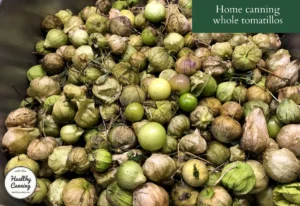
The modification to include tomatillos (Physalis philadelphica) and jalapeños (Capsicum annuum) is supported by canning experts because tomatillos share a similar acidity and density profile with the tomatoes used in the original recipe. In the realm of home food preservation, "safe swaps" are rare and must be backed by scientific understanding of ingredient density and pH. Because jalapeños and cayenne peppers occupy the same botanical category for canning purposes, substituting one for the other does not alter the heat-penetration requirements of the jar. This evolution reflects a broader trend in the 21st century where home preservers seek to diversify their pantries while remaining within the safety margins established by federal agencies.
Chronology of the Canning Process
The production of Jalapeño Hot Sauce is a multi-hour endeavor that requires careful timing and preparation. The total time investment is approximately four hours, divided into distinct phases:
- Preparation Phase (1 Hour): This involves the cleaning and dicing of the jalapeño peppers and the preparation of the tomatillos. During this stage, jars are inspected for nicks or cracks, and the canning equipment is sterilized.
- Cooking Phase (3 Hours): The ingredients are simmered to achieve the desired "spoonable" thickness. This extended cooking time is necessary to break down the cellular structure of the peppers and tomatillos, allowing the flavors to meld and the natural pectins to thicken the sauce without the need for artificial binders.
- Processing Phase (10 Minutes + Cooling): Once the sauce reaches the correct consistency, it is ladled into jars, sealed, and processed in either a water-bath or steam canner. The 10-minute timer begins only when the water reaches a full rolling boil or the steam canner reaches its designated temperature zone.
- Stabilization Phase (12–24 Hours): After processing, jars must sit undisturbed to allow the vacuum seal to fully set. The "ping" of the lid indicates a successful seal, a sound synonymous with safety in the canning community.
Technical Data and Nutritional Analysis
From a nutritional standpoint, this Jalapeño Hot Sauce is a low-calorie, high-flavor condiment, making it an attractive option for health-conscious consumers. Based on data from nutritional databases and analysis by preservation experts, a single tablespoon of the sauce contains approximately 8 calories.
The macronutrient breakdown is as follows:
- Carbohydrates: 1.6g (primarily from the natural sugars in tomatillos)
- Protein: 0.3g
- Fat: 0.1g
- Sodium: 2mg (extremely low compared to commercial alternatives)
- Fiber: 0.3g
- Sugar: 0.8g
The low sodium content is particularly noteworthy. Commercial hot sauces are often laden with salt to act as a secondary preservative. In this home-canned version, the safety is derived from the thermal processing and the acidity of the vinegar, allowing the natural heat of the jalapeños to take center stage without the interference of excessive salt. Furthermore, the inclusion of jalapeños provides a source of capsaicin, a compound studied for its potential metabolic-boosting and anti-inflammatory properties.
Safety Protocols and Environmental Adjustments
A paramount concern in home canning is the adjustment for altitude. As altitude increases, the boiling point of water decreases. To compensate for this, the processing time must be extended to ensure that the internal temperature of the jar reaches the threshold necessary to destroy spoilage organisms. For those living above 300 meters (1,000 feet), the 10-minute processing time must be increased according to standardized charts (typically adding 5 minutes for every 1,000 to 3,000 feet of elevation).
Additionally, the strength of the vinegar used is a non-negotiable safety factor. This recipe assumes the use of vinegar with at least 5% acidity (acetic acid). In some regions, such as Australia and New Zealand, commercial vinegar may be sold at 4% acidity. In such cases, preservers must seek out specialized pickling vinegar or adjust their recipes to ensure the pH remains below the critical 4.6 threshold required for shelf stability.
The NCFHP has issued specific warnings regarding this recipe, emphasizing its potency. Unlike many "mild" green sauces found in grocery stores, this formulation is described as "very hot." This intensity is a result of using a high volume of jalapeños without removing the pith and seeds, where the majority of the capsaicin is concentrated.
Broader Implications for Food Security and Culinary Trends
The rise in popularity of recipes like the Jalapeño Hot Sauce reflects a significant shift in consumer behavior toward food sovereignty and the "cottage food" movement. By mastering the ability to preserve seasonal gluts of peppers and tomatillos, individuals reduce their reliance on global supply chains and minimize domestic food waste.
This specific recipe also highlights the importance of standardized "extension" services. Organizations like the NCFHP and university-based Master Food Preserver programs provide the public with the data necessary to innovate safely. The ability to swap ingredients—such as moving from the red cayenne base to the green jalapeño base—demonstrates a flexible but disciplined approach to traditional food preservation.
As artisanal condiments continue to dominate the specialty food market, the home-canned Jalapeño Hot Sauce serves as a prime example of how professional-grade products can be produced in a domestic kitchen. The result is a condiment that is not only safer and healthier than many mass-produced options but also carries the distinct, vibrant terroir of the gardener’s own harvest. Through the careful application of heat, acidity, and time, the humble jalapeño is transformed into a shelf-stable staple capable of enhancing a wide array of culinary dishes, from traditional Mexican cuisine to contemporary American fusion.