
Enjoying crab legs is an indulgence, a culinary experience that evokes a sense of opulence and regal dining. The succulent, sweet meat encased in its protective shell demands accompaniments that not only complement its delicate flavor but also match its inherent grandeur. Without the right supporting cast, even the finest crab legs can fall short of their full potential. Fortunately, a curated selection of side dishes can transform a simple seafood meal into a truly unforgettable banquet, fit for royalty. This guide explores seven exquisite options, ranging from classic pairings to inspired choices, designed to harmonize with the distinct taste of crab.
The Indispensable Foundation: Clarified Butter with Enhancements
At the pinnacle of crab leg accompaniments lies clarified butter, a simple yet transformative element. Clarifying butter involves gently heating it and skimming off the milk solids and water, leaving behind pure, stable fat with a higher smoke point and a richer, nuttier flavor. This process intensifies the butter’s natural sweetness, allowing it to coat the crab meat in a luscious, velvety layer that amplifies its inherent oceanic sweetness.
For those seeking to elevate this fundamental pairing, the addition of aromatic elements can create a symphony of flavors. A splash of dry white wine, such as a Sauvignon Blanc or Pinot Grigio, introduces a subtle acidity that cuts through the richness of the butter, while also echoing the briny notes of the crab. Finely minced shallots or garlic, sautéed until fragrant, infuse the butter with layers of savory depth. Fresh herbs, like chives, parsley, or tarragon, add a bright, herbaceous counterpoint that awakens the palate.
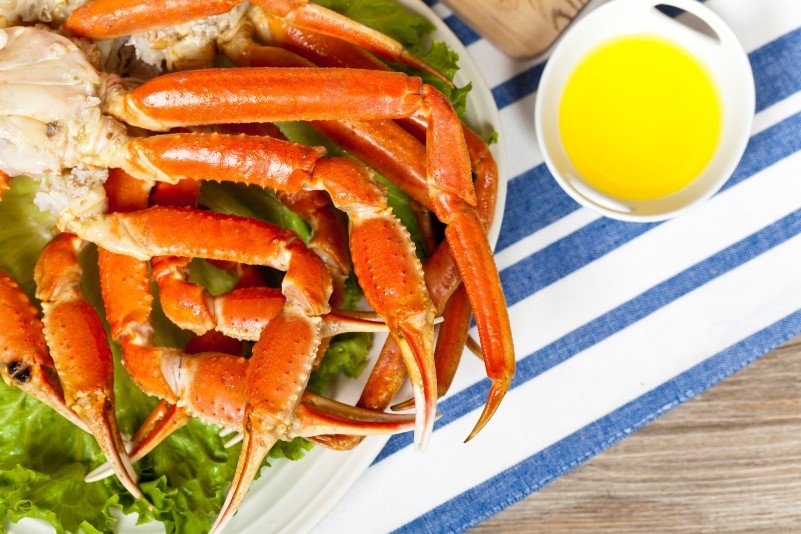
The beauty of this elaborated clarified butter lies in its versatility. It can be served as a warm dipping sauce, allowing diners to drench each piece of crab leg for an explosion of flavor. Alternatively, it can be drizzled over the crab legs just before serving, creating an elegant glaze. Recipes for homemade clarified butter often suggest infusing it with these complementary ingredients, turning a basic condiment into a star attraction. For instance, a recipe by Angela at Bake It With Love offers a comprehensive guide to creating a drawn butter sauce, encouraging customization with preferred additions. This approach ensures that the butter not only enhances the crab but also becomes a talking point of the meal itself, a testament to the thoughtful preparation that underpins a truly royal dining experience.
The French Elegance: Beurre Blanc
Stepping into the realm of classic French cuisine, Beurre Blanc emerges as a sophisticated and utterly divine partner for crab legs. The name itself, translating to "white butter," hints at its creamy texture and luxurious character. This emulsified butter sauce, typically made with a reduction of white wine, vinegar, and shallots, is then whisked with cold butter to create a velvety, rich, and slightly tart concoction.
Unlike hollandaise, which relies on egg yolks for its emulsification, Beurre Blanc achieves its silken texture through the careful incorporation of butter into a wine-based reduction. This results in a sauce that is lighter in body yet equally decadent, offering a bright, buttery flavor profile that beautifully complements the sweet, delicate flesh of crab. The inherent acidity from the wine and vinegar in Beurre Blanc acts as a brilliant counterpoint to the richness of the crab, preventing the palate from becoming overwhelmed and creating a harmonious balance of flavors.
Beurre Blanc is not merely a dipping sauce; it’s a versatile embellishment that can elevate other components of the meal. Should your crab leg feast include roasted vegetables, such as asparagus or broccoli, a drizzle of Beurre Blanc will transform them into a gourmet delight. Its complex flavor profile adds an unexpected depth that can impress even the most discerning palates. The perceived complexity of Beurre Blanc is often a deterrent for home cooks, yet its preparation is surprisingly straightforward. Mastering this sauce can unlock a new level of culinary confidence, as its appeal extends beyond seafood to a wide array of dishes. Julia Child’s iconic recipe for Beurre Blanc, a benchmark for many aspiring chefs, provides a clear and accessible pathway to creating this exquisite sauce, promising to elevate any crab leg dinner to a truly memorable occasion.

The Bold Indulgence: Pan-Seared Garlic Butter Steak
For those who believe that a truly royal feast demands the indulgence of both land and sea, the classic surf-and-turf combination presents an irresistible option. Pairing succulent crab legs with a perfectly pan-seared steak offers a decadent contrast in textures and flavors, creating a meal that is both satisfying and supremely luxurious. The term "surf-and-turf" itself signifies a dish of elevated status, a well-established culinary benchmark for celebratory dining.
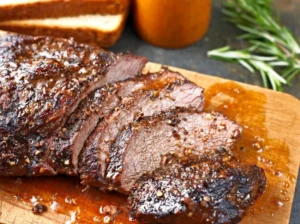
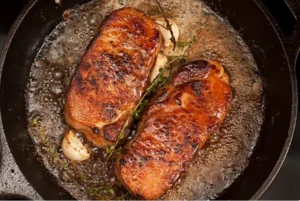
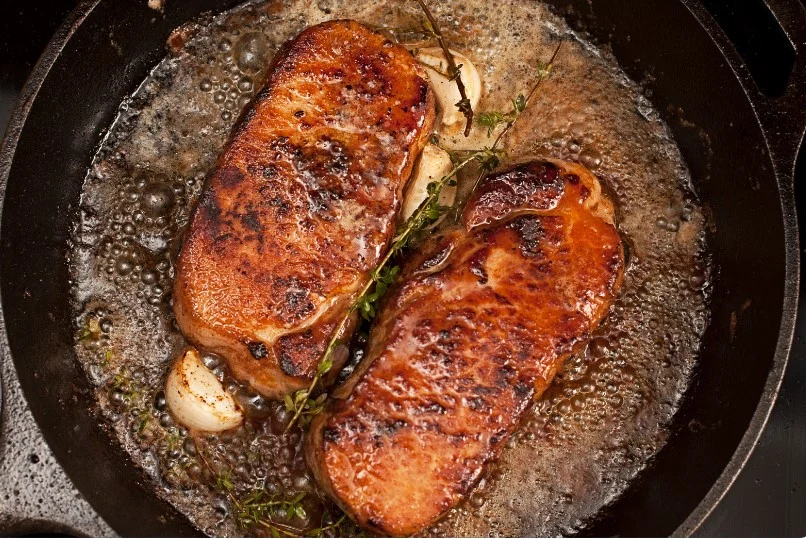
A thick-cut New York Strip, known for its robust marbling and tender texture, is an ideal choice to stand up to the sweetness of the crab. The searing process, typically finished with a generous swirl of garlic-infused butter, creates a deeply savory crust on the steak, while the garlic and butter meld into a rich, aromatic coating. This method not only enhances the steak’s natural flavors but also adds a complementary richness that harmonizes with the buttery notes of the crab.
The strategic advantage of incorporating steak into a crab leg meal lies in its ability to transform the dining experience into a substantial and hearty affair. When grilling crab legs, the steak can be cooked concurrently, allowing for efficient preparation and simultaneous plating. This streamlined approach ensures that both proteins are served at their optimal temperatures, maximizing the sensory impact of the meal. The resulting combination is a super-satiating experience, a testament to the power of complementary flavors and textures. The allure of this pairing is so profound that it may inspire a desire to keep the entire plate to oneself, a testament to its irresistible appeal. A well-executed Pan-Seared Garlic Butter Steak recipe, such as the one found on Natasha’s Kitchen, provides a blueprint for achieving steak perfection, ensuring that this land-based counterpart to the crab is as memorable as the seafood itself.
The Zesty Counterpoint: Salt & Vinegar Fries
While the allure of rich sauces and hearty meats is undeniable, sometimes the perfect accompaniment to crab legs lies in a more unexpected, yet equally satisfying, direction. Enter the humble yet sophisticated salt and vinegar fries. This classic comfort food, elevated with a tangy twist, offers a surprising juxtaposition of flavors that cuts through the richness of the crab and provides a delightful textural contrast.

The crisp exterior of a well-fried potato, yielding to a fluffy interior, provides a satisfying crunch with every bite. The traditional seasoning of salt is a natural enhancer of the crab’s sweetness, while the addition of vinegar introduces a bright, zesty acidity. This tanginess serves a dual purpose: it awakens the palate, preventing flavor fatigue, and it acts as a brilliant foil to the inherent richness of the crab, creating a balanced and invigorating culinary experience.
Salt and vinegar fries are particularly well-suited for larger gatherings. Their inherent simplicity allows for large batches to be prepared efficiently, making them a practical and cost-effective choice, especially when the primary indulgence – the crab legs – represents a significant investment. Furthermore, the addition of vinegar elevates the standard French fry from a simple side to a sophisticated element that can impress guests. The acidity of the vinegar not only balances the richness of the crab but also adds an intriguing layer of complexity to the meal. For an even more substantial and potato-forward bite, consider cutting the potatoes into wedges. This technique not only saves time but also delivers a heartier, more satisfying portion. Resources like guides on cutting potatoes for French fries can offer valuable insights into preparation techniques, while specific recipes for Salt & Vinegar Homefries, such as those found on MyRecipes, provide the perfect roadmap for achieving this delightful and balancing side dish.
The Subtle Sophistication: Lemon Rice
For those occasions when the desire is for a side dish that complements rather than competes, lemon rice emerges as an elegant and understated champion. This simple yet flavorful preparation, typically featuring fluffy white rice infused with the bright zest of lemon and fragrant herbs, offers a versatile foundation for the star of the meal: the crab legs.
The subtle tang of lemon, when expertly balanced with the neutral canvas of rice, provides a refreshing counterpoint to the inherent sweetness of the crab. It’s a pairing that speaks to refined palates, where the focus remains on the quality of the main ingredient. Lemon rice creates a filling meal without overwhelming the senses, allowing the nuanced flavors of the crab to shine.

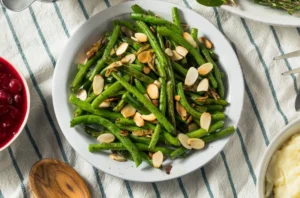
The true brilliance of lemon rice lies in its ability to anchor a more elaborate seafood feast. Imagine a plate of perfectly cooked crab legs, served alongside a mound of zesty lemon rice, with a side of roasted asparagus or green beans. If these vegetables are then delicately drizzled with a rich Beurre Blanc, the result is a meal that is both impressive and surprisingly achievable within a reasonable timeframe, often coming together in about an hour, including preparation. This combination demonstrates how simple elements, when thoughtfully prepared, can create a dining experience that is both sophisticated and memorable. Recipes for Herb Lemon Rice, such as those found on Sweet Peas and Saffron, offer a clear and accessible method for achieving this perfect balance of flavor and simplicity, making it an indispensable addition to any crab leg connoisseur’s repertoire.
The Comforting Classic: Garlic Mashed Potatoes
Potatoes and seafood have long enjoyed a harmonious culinary relationship, and crab legs are no exception. While salt and vinegar fries offer a tangy contrast, creamy garlic mashed potatoes provide a comforting and universally appealing alternative. This classic side dish, known for its velvety texture and savory depth, offers a familiar yet indulgent pairing for the delicate sweetness of crab.
Mashed potatoes are a perennial crowd-pleaser, celebrated for their affordability, scalability, and inherent ability to satisfy. They can be prepared in large batches, making them ideal for entertaining, and their creamy consistency provides a comforting counterpoint to the firmer texture of the crab legs. The subtle addition of garlic, whether roasted or minced and sautéed, infuses the potatoes with a warm, aromatic depth that beautifully complements the oceanic notes of the crab.
The true magic of mashed potatoes lies in their ability to absorb and enhance accompanying flavors. A drizzle of clarified butter or a spoonful of Beurre Blanc atop a generous serving of garlic mashed potatoes can elevate the entire dish to new heights of decadence. This simple act of layering flavors creates a symphony of taste and texture that is both comforting and surprisingly complex. For those seeking to perfect this beloved side, a Creamy Garlic Mashed Potato recipe, like the one from The Creme de la Crumb, offers a straightforward approach to achieving a consistently delicious result. The recipe’s promise of a bowl-licking good outcome underscores its appeal, making it a reliable choice for any crab leg feast aiming for ultimate comfort and satisfaction.

The Refreshing Simplicity: Fresh & Bright Tossed Salad
In certain culinary contexts, restraint and simplicity are the keys to achieving a balanced and enjoyable meal. For those moments when the richness of crab legs calls for a light and refreshing counterpoint, a fresh and bright tossed salad emerges as an ideal solution. This versatile side dish offers a healthy, palate-cleansing option that won’t detract from the main event.
The beauty of a tossed salad lies in its adaptability. It provides an excellent canvas for utilizing whatever fresh vegetables are on hand, transforming them into a vibrant and healthful accompaniment. The inclusion of nuts or dried fruits can introduce delightful textural elements and subtle sweetness, while a well-crafted vinaigrette can tie all the flavors together. The addition of toasted bread for croutons offers an optional yet satisfying crunch. The possibilities are virtually limitless, allowing for a personalized creation that perfectly complements the diner’s preferences.
A basic yet effective option is a simple green salad with a red wine vinaigrette. This approach ensures that the salad remains light and invigorating, providing a clean contrast to the richness of the crab. Such a salad can be served as is, or it can be enhanced with additional ingredients to match the diner’s taste. Regardless of its specific composition, a fresh and bright tossed salad serves as a welcome reminder that even the most indulgent meals can benefit from a touch of healthful simplicity, making it a valuable and versatile addition to any crab leg dining experience.
Frequently Asked Questions
What is the best wine to pair with crab legs?

White wines are generally considered the ideal pairing for crab legs due to their crispness and ability to complement the delicate sweetness of the seafood. A buttery Chardonnay offers a rich counterpoint that matches the luxurious nature of crab. For a brighter, more refreshing option, a crisp Riesling or a sparkling Prosecco provides effervescence and acidity that cuts through any richness. These choices not only enhance the flavor of the crab but also contribute to the overall celebratory feel of the meal.
How do you eat crab legs?
Eating crab legs is an interactive experience that involves a few key steps to access the tender meat within. Hold the crab leg firmly in your non-dominant hand. Using a cracking tool, such as a lobster cracker, apply pressure to the shell until it cracks. Once the shell is fractured, twist the leg and pull the segments apart to reveal the meat. For stubborn pieces of meat that may be lodged within the shell, a long-pronged fork can be a helpful tool to extract them. This hands-on approach is part of the enjoyment of a crab leg feast, making the reward of the succulent meat all the more satisfying.