
For many women entering their late 40s and early 50s, a troubling shift in cognitive and emotional well-being often emerges, frequently misidentified as depression rather than a natural, albeit challenging, phase of life: menopause. This critical period, characterized by fluctuating and declining hormone levels, can manifest in symptoms far beyond the commonly recognized hot flashes and mood swings, deeply impacting mental clarity, memory, and overall daily function. A personal account underscores this pervasive diagnostic challenge: A woman in her late 40s began experiencing profound brain fog, struggling to recall simple names or maintain focus during her workday. Her thoughts felt "under a pile of garbage," making even routine conversations frustratingly difficult. Despite seeking medical advice from multiple healthcare professionals over nearly two years, she was repeatedly prescribed antidepressants and sleeping pills, which exacerbated her symptoms, leaving her feeling like a "zombie." It was only during a routine gynecological exam, after mentioning vaginal dryness, that her doctor connected her constellation of symptoms—poor sleep, mood disturbances, fatigue, and intense brain fog—to menopause, a diagnosis that ultimately transformed her health with appropriate hormonal therapy.
The Unseen Struggle: A Case Study in Misdiagnosis
The personal narrative highlights a widespread issue in women’s healthcare: the under-recognition and misdiagnosis of menopausal symptoms, particularly those affecting cognitive and emotional health. The woman’s initial struggles were characterized by an inability to recall proper nouns, a symptom often dismissed as a normal part of aging. However, her experience escalated to a debilitating brain fog that severely hampered her professional and personal life. Describing her mental state as "hazy," she found herself unable to engage constructively with work, read, or perform basic tasks. Her productive hours dwindled, and on "worst days," a pervasive mental haze made any meaningful activity impossible. This prolonged period of suffering, compounded by ineffective treatments, exemplifies the distress many women endure when their symptoms are not accurately attributed to hormonal changes. The eventual diagnosis of menopause, and subsequent prescription of estradiol and progesterone, acted as a "switch," restoring her cognitive function, sleep quality, and overall vitality within days. This dramatic improvement underscores the physiological basis of her symptoms and the critical role of hormone balance.
Understanding Menopause: Beyond Hot Flashes
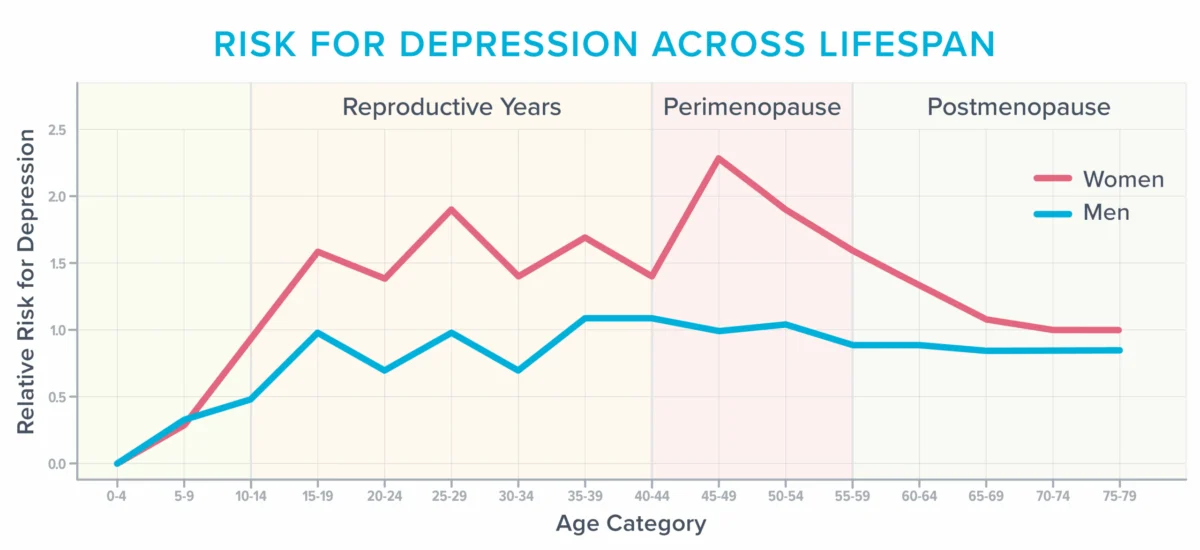
Menopause is not a disease but a natural biological transition in a woman’s life, marking the end of her reproductive years. It is officially diagnosed after 12 consecutive months without a menstrual period, typically occurring between the ages of 45 and 55, with the average age being 51. The period leading up to menopause, known as perimenopause, can last for several years and is characterized by significant hormonal fluctuations, primarily of estrogen and progesterone. These fluctuations, rather than just the eventual decline, are often responsible for the most disruptive symptoms. While weight gain and decreased libido receive considerable attention, the American College of Obstetricians and Gynecologists (ACOG) reports that approximately 40% of women experience increased irritability, mood swings, anxiety, fatigue, and profound trouble concentrating during and after menopause. This period also represents a heightened vulnerability for developing depression, particularly for women with a history of mood disorders. The profound emotional and cognitive shifts can include crying spells, heightened sensory sensitivity where normal sounds become painful, jumpiness, and anxiety in previously non-stressful situations, further complicating daily life and often mimicking psychiatric conditions.
The Neurological Impact: Hot Flashes and Sleep Disruptions
While hormonal fluctuations directly influence brain function, a significant and often overlooked trigger for cognitive and emotional distress during menopause is the vasomotor symptom (VMS), commonly known as hot flashes and night sweats. These episodes, characterized by sudden sensations of intense heat, sweating, and often heart palpitations, are more than mere inconveniences; emerging research indicates they can have tangible impacts on brain health. During a hot flash, there’s a surge in norepinephrine and cortisol, leading to blood vessel dilation, increased heart rate, and elevated blood pressure. This physiological cascade is thought to be initiated by the hypothalamus, the brain’s temperature regulation center, which becomes dysregulated due to falling estrogen levels.
Crucially, VMS are now increasingly recognized as a treatable medical condition due to their potential long-term effects on the brain and cardiovascular system. Studies utilizing magnetic resonance imaging (MRI) have revealed a correlation between frequent hot flashes and the presence of whole-brain white matter intensities—patchy lesions in the brain. Once considered a normal part of aging, these lesions are now understood by neuroscientists to be predictive of future cognitive decline, doubling the risk of dementia and tripling the risk of stroke in affected individuals. This suggests a direct link between the physiological stress of hot flashes and structural changes in the brain. The mechanism is thought to involve changes in the cerebrovascular system; research indicates that women experiencing frequent hot flashes tend to exhibit unhealthy alterations in their blood vessels, such as reduced ability to dilate in response to increased blood flow. This impaired vascular function can compromise the brain’s blood supply, potentially contributing to white matter lesions and overall cognitive decline.
Beyond direct vascular effects, hot flashes severely disrupt sleep, even if women are not consciously aware of the cause. Night sweats, for instance, often awaken women without overt sweating, leading them to believe they suffer from general insomnia or sleep apnea. These frequent, fragmented awakenings prevent the brain from undergoing essential processes like memory consolidation, toxin metabolism, and the effective storage of new information. Chronic sleep deprivation, a common hallmark of menopause, can lead to lost connectivity in the hippocampus, a brain region vital for learning and memory. Furthermore, it can increase the reactivity of the amygdala, the brain’s emotional center, making individuals more prone to stress, anxiety, irritability, and even rage. These adverse brain changes can manifest rapidly, even after just a few days of poor sleep, highlighting the cumulative damage wrought by years of disturbed nocturnal rest during menopause.
The Diagnostic Conundrum: Why Menopause is Missed
The journey to an accurate menopause diagnosis is often fraught with obstacles. One significant challenge lies in the overlap of menopausal symptoms with those of depression. Healthcare professionals commonly use tools like the Patient Health Questionnaire (PHQ-9) depression scale. Disturbingly, four of the nine symptoms on this checklist—fatigue or loss of energy, trouble sleeping, trouble concentrating, and changes in appetite or weight—are also prevalent during menopause, especially when sleep is disrupted. A woman experiencing these four symptoms could easily be diagnosed with depression and prescribed antidepressants, even if the root cause is hormonal imbalance and sleep deprivation stemming from menopause.
Adding to this diagnostic complexity is a glaring deficit in medical education. Surveys reveal that a staggering 80% of medical residents feel "barely comfortable" discussing menopause, and few residency programs, including obstetrics and gynecology, offer comprehensive training in this critical life stage. This lack of specialized knowledge means many healthcare providers do not routinely inquire about hot flashes, night sweats, or other specific menopausal symptoms when a patient presents with fatigue, lack of motivation, or cognitive issues. This systemic gap contributes to misdiagnosis and prolonged patient suffering.
Furthermore, even when vasomotor symptoms are clearly present, many healthcare professionals remain hesitant to prescribe Menopausal Hormone Therapy (MHT), also known as Hormone Replacement Therapy (HRT). This reluctance often stems from what Dr. Jerrold H. Weinberg, a Michigan-based menopause-trained gynecologist, calls "defensive medicine," driven by concerns about litigation rather than current evidence.
Re-evaluating Hormone Therapy: Current Consensus
The apprehension surrounding MHT is largely rooted in research from several decades ago, particularly the Women’s Health Initiative (WHI) study, which linked certain types of hormones to a slightly increased risk of breast cancer and stroke. However, subsequent, more nuanced research and re-analysis of the WHI data have refined our understanding. Current medical consensus, endorsed by organizations like the North American Menopause Society (NAMS) and ACOG, indicates that the small increased risk associated with MHT is highly dependent on factors such as the woman’s age, the specific dose and type of hormonal preparation, and the duration of use.

For women under 60 and those who are within 10 years of their last menstrual period, particularly with moderate to severe menopausal symptoms, many experts now agree that the benefits of MHT often outweigh the risks. These benefits extend beyond symptom relief to include reduced risks of developing Alzheimer’s disease and osteoporosis. Dr. Weinberg emphasizes that for most women, the health benefits of MHT significantly surpass the potential risks. While some antidepressants can alleviate mood disturbances, improve sleep, and even reduce hot flashes, they come with their own side effect profiles and do not address the underlying hormonal deficiency or offer the same long-term protective benefits as MHT. For a practitioner practicing defensive medicine, antidepressants may appear as a "safer" option, despite potentially being less effective or appropriate for menopause-related symptoms.
Empowering Patients: Advocating for Better Care
Given the complexities of diagnosis and treatment, women must become proactive advocates for their health during menopause. Experts like Dr. Weinberg and Dr. Helen Kollias, a physiology and molecular biology expert and science advisor at Precision Nutrition, offer crucial advice:
- Seek Menopause-Trained Professionals: Prioritize healthcare providers who explicitly list menopause as an area of focus or have earned certification from reputable organizations like The Menopause Society. Databases provided by such organizations can help locate qualified practitioners.
- Document Symptoms Meticulously: Keep a detailed log of symptoms, including their frequency, intensity, and impact on daily life. This documentation is invaluable for objective assessment, especially when brain fog might affect recall during an appointment. Track sleep patterns, hot flash occurrences, mood fluctuations, energy levels, and cognitive challenges.
- Be Specific in Communication: Vague statements like "I don’t sleep well" are less effective than precise descriptions such as, "Over the past week, I’ve had only one night of uninterrupted sleep for more than four hours, waking an average of five times nightly." Utilize data from smartwatches or health apps to provide objective metrics.
- Engage in Shared Decision-Making: Actively participate in discussions about treatment options, including the benefits and risks of MHT versus other interventions. Asking questions like "What are the specific risks for me given my health history?" and "What are the alternatives, and what are their pros and cons?" empowers patients and can help clinicians move beyond a "defensive medicine" approach.
Holistic Approaches: Lifestyle Strategies for Menopausal Well-being
Beyond medical interventions, several lifestyle strategies can significantly improve mental and emotional health during menopause. These fundamental health practices are vital at any age but become particularly crucial during this transitional period:
-
Prioritize Fundamental Health Strategies: Re-evaluate and reinforce core healthy behaviors:
- Nutrition: Focus on nutrient-dense foods.
- Physical Activity: Maintain regular, appropriate exercise.
- Stress Management: Implement effective coping mechanisms.
- Sleep Hygiene: Optimize sleep environment and habits.
- Social Connectedness: Nurture relationships.
- Sense of Purpose: Engage in meaningful activities.
-
Experiment with Creatine: Beyond its benefits for muscle and bone mass, creatine (5-7g daily of monohydrate) may enhance mood, brain function, and reduce mental fatigue, potentially counteracting some effects of sleep deprivation.
-
Ensure Regular Light Exposure: Morning and late afternoon sunlight exposure helps regulate the body’s circadian rhythm, improving sleep quality, alertness, mood, and concentration.
-
Adjust Exercise Intensity: While exercise is crucial, long, intense sessions can be counterproductive if recovery is compromised. Moderate exercise, short movement breaks during the day, and gentle activities like yoga can be more beneficial for energy and relaxation. Listen to your body and adapt workouts based on sleep and recovery levels.
-
Investigate Cognitive Behavioral Therapy for Insomnia (CBT-I): This evidence-based therapy teaches skills and cognitive reframing techniques to improve sleep, such as maintaining a consistent wake-up time regardless of prior sleep quality.
-
Get Real About Stress: Critically assess daily responsibilities and commitments. Identify areas where demands can be reduced, delegated, or eliminated. Tools like the "Wheel of Stress Assessment" can help pinpoint stress sources. Learning to say "no" more often can free up mental and emotional bandwidth.
-
Experiment with Cooling Technology: A cooler sleep environment (lower thermostat, fans, cooling mattress pads) can reduce night sweats and improve sleep quality.
-
Take Frequent Breaks: When brain fog sets in, short breaks—engaging in light movement, mindfulness, listening to music, or simply resting—can help refresh cognitive function. A 5-minute mind-body scan can also help identify and acknowledge physical and mental states without judgment.
-
Follow a Diet Promoting Healthy Circulation: Diets rich in vegetables, fruits, whole grains, and healthy fats, such as the Mediterranean or MIND diets, are associated with reduced risks of Alzheimer’s and depression. Nitrate-rich foods like beets and leafy greens can temporarily improve memory by dilating blood vessels and enhancing cerebral blood flow.
Beyond the Challenges: Finding Opportunity in Transition
While the menopausal transition can be frustrating due to its profound physical and mental impacts, it also presents a unique opportunity for re-evaluation and recalibration. For the woman in the opening narrative, the diminished capacity forced her to ask fundamental questions about how she allocated her "limited mental resources." This introspection led to a conscious decision to prioritize what truly mattered: family connections, meaningful relationships, and personal well-being, over an exhaustive professional schedule or unnecessary domestic burdens. By embracing this period of re-assessment, she not only regained her energy and clarity through medical intervention but also consciously restructured her life to align with her newfound priorities. Menopause, therefore, can be more than just a challenging phase; it can be a catalyst for profound personal growth, prompting women to create a life that better supports their health, happiness, and sense of purpose.