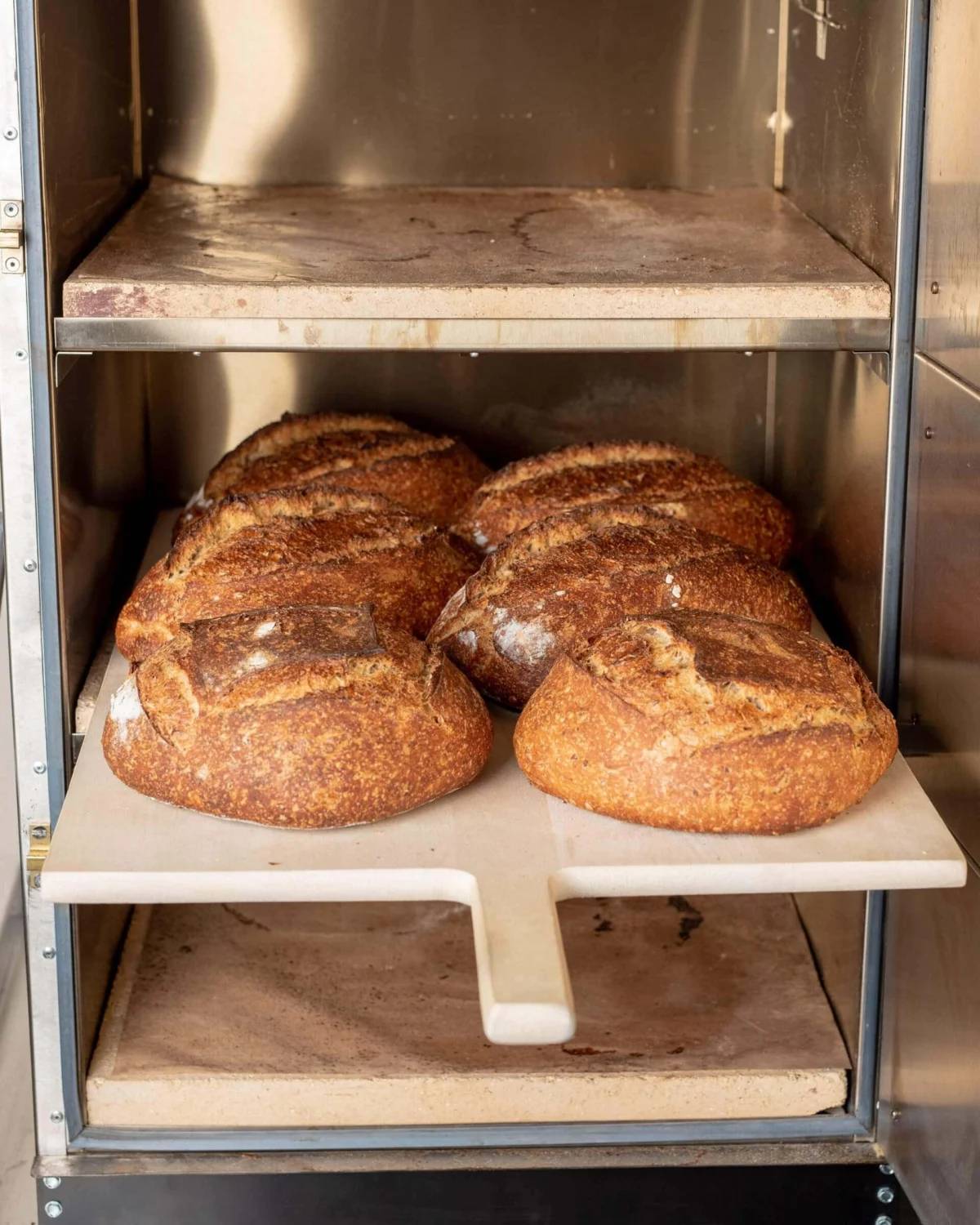

The journey from a home baker’s dream of a larger oven to the active acquisition of professional-grade equipment is a well-trodden path, often marked by a growing passion for the craft and an increasing demand for efficiency. For many dedicated home bakers, the moment arrives when the limitations of a standard kitchen oven become a bottleneck, prompting a search for tools that can facilitate the production of larger quantities of bread. This transition is not merely about accommodating more loaves; it’s about unlocking the ability to dedicate more time and focus to the nuanced aspects of baking, such as developing complex flavors, perfecting fermentation techniques, and refining dough handling and shaping. The Rofco bread oven, particularly the robust B40 model, represents a natural and significant progression for bakers seeking to scale up their operations, whether for personal enjoyment, community events, or the nascent stages of a micro-bakery.
This comprehensive guide delves into the practicalities of integrating a Rofco B40 into a home baking workflow, offering insights into the tools, temperatures, and techniques that have proven effective for producing consistent, high-quality bread in larger batches. It aims to serve as a singular resource for bakers who find themselves at this evolutionary point, providing clarity on whether a Rofco oven is the right investment and how to maximize its potential from initial setup to ongoing use.
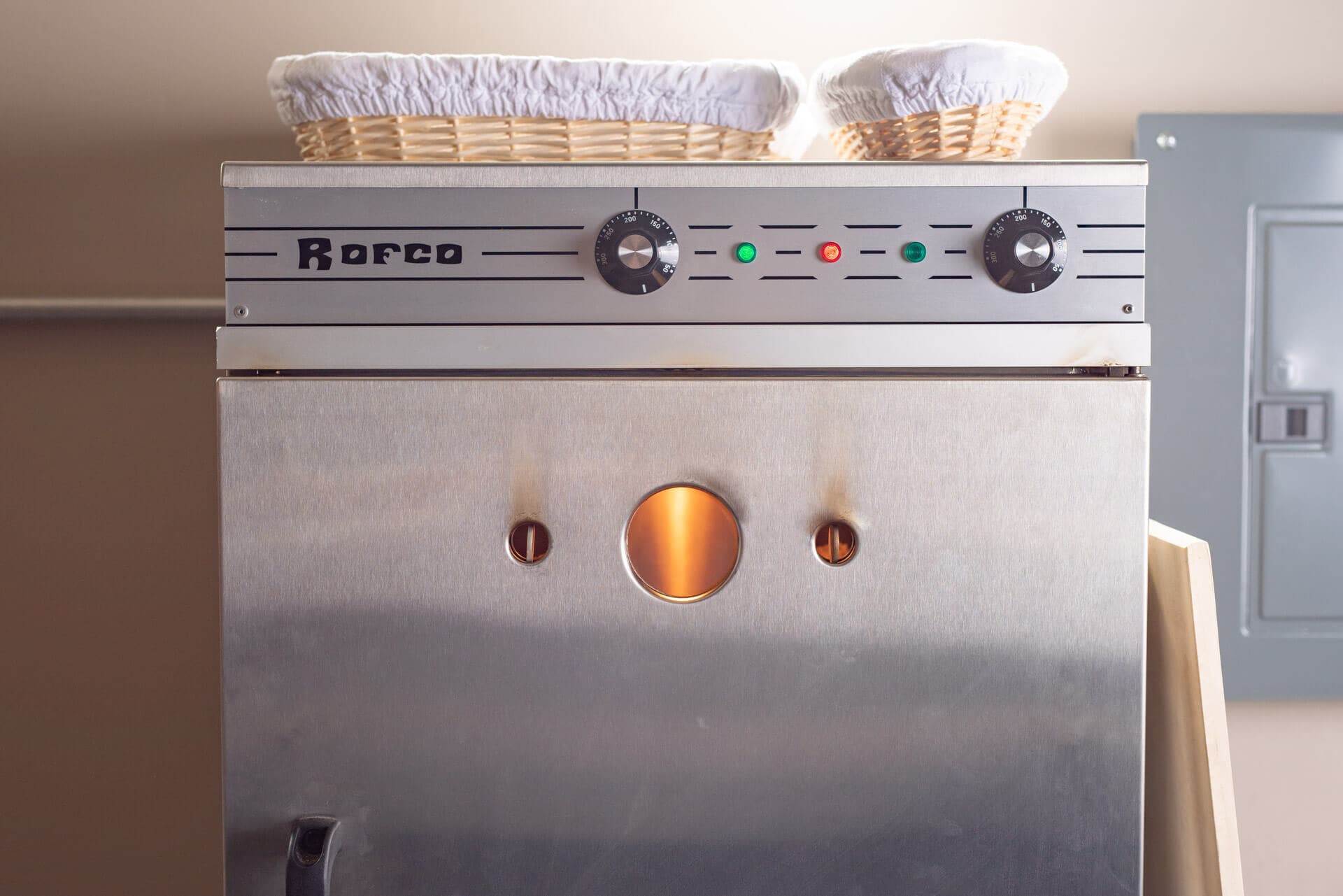
Understanding the Rofco B40: A Belgian Workhorse
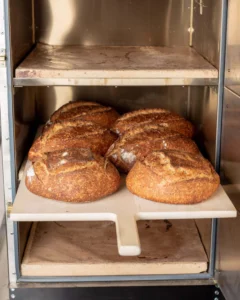
The Rofco B40 is a specialized electric brick oven, meticulously engineered in Belgium for the singular purpose of baking bread. Available in various configurations, the B40 model stands out with its generous capacity, featuring three square baking decks, each measuring approximately 18.9 inches by 18.9 inches. Its design prioritizes functionality and durability, characterized by a robust, no-nonsense construction and a fully sealed oven chamber. This design minimizes external heat radiation, allowing for placement in relatively close proximity to other kitchen appliances or walls, a significant advantage in space-conscious home kitchens.
A key feature contributing to the Rofco’s exceptional performance is its chamotte deck stones. These refractory bricks, measuring 1-3/8 inches in thickness, possess remarkable thermal mass. Once preheated, they retain a substantial amount of heat, which is crucial for maintaining consistent baking temperatures even during the process of loading dough. This thermal stability is particularly beneficial for back-to-back baking sessions, as the oven requires only a brief recovery period to return to its optimal temperature between batches.
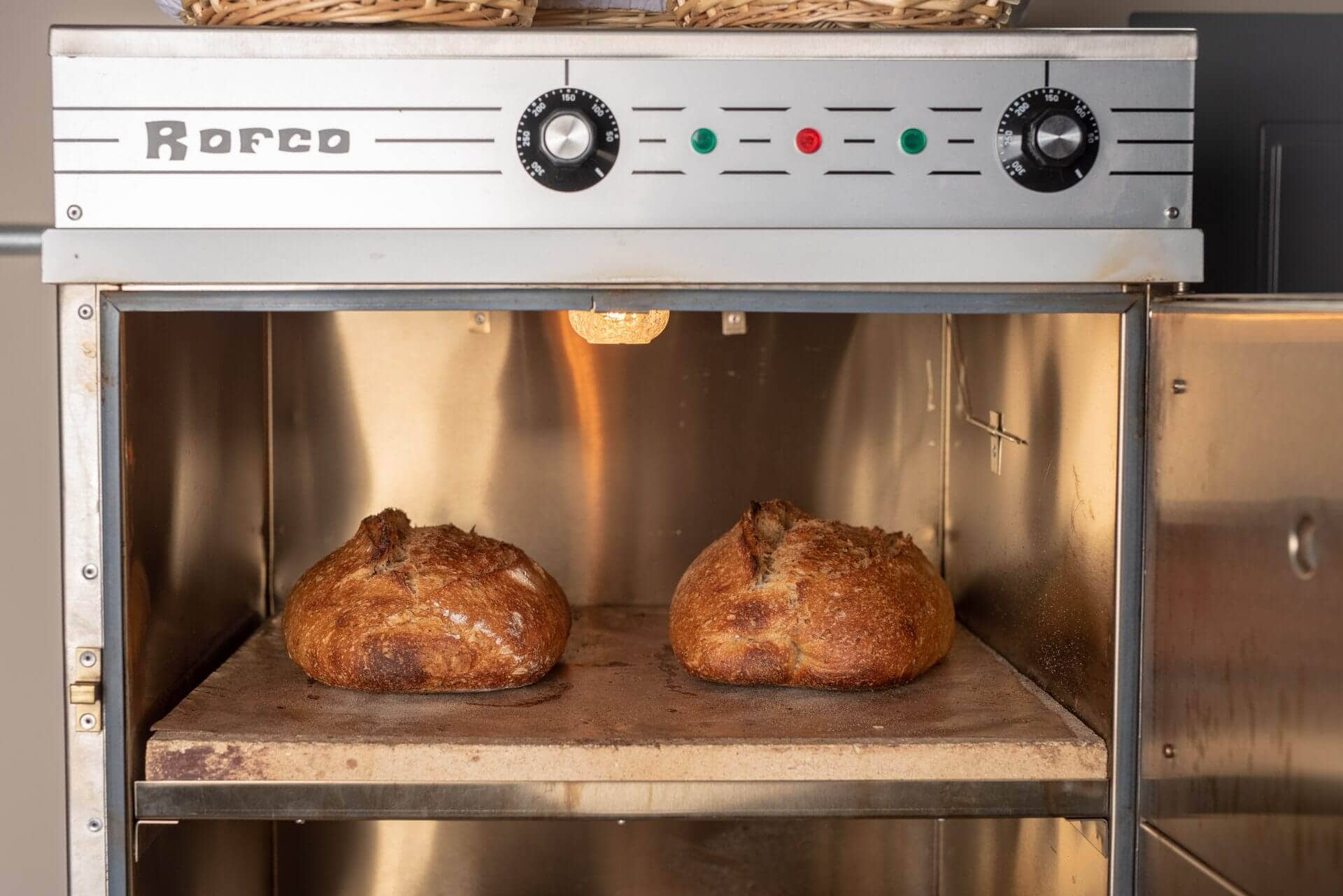
The Rofco B40 operates on standard 220V AC single-phase power, a common electrical supply found in many modern homes, typically utilized by appliances like electric dryers or ovens. Installation may require a dedicated receptacle and breaker, often necessitating the expertise of a qualified electrician to ensure safe and compliant setup.
The Baker’s Transition: From Hobby to Production
The decision to invest in a Rofco oven is often a gradual realization, stemming from an escalating passion for bread making. For some, this leads to the establishment of a nano or micro-bakery, supplying local farmers’ markets or selling directly to a community. For others, it’s about enhancing their ability to cater to larger gatherings or simply enjoying the satisfaction of producing six or more loaves at a time, a feat that stretches the capabilities of conventional home ovens. Regardless of the scale of ambition, the Rofco B40 offers a tangible solution for increasing baking output without compromising quality.

A Resounding Endorsement: The Rofco B40’s Value Proposition
The Rofco B40 bread oven receives a strong recommendation for any baker aspiring to move beyond the limitations of baking just one or two loaves at a time. Its straightforward design, coupled with readily repairable components, makes it a reliable and accessible piece of equipment for both home enthusiasts and burgeoning professional bakers. The oven’s ability to deliver even baking across its multiple decks further solidifies its appeal as a valuable asset in the pursuit of artisanal bread.
Optimizing Oven Space: Strategic Dough Placement
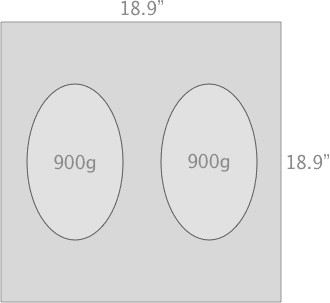
Efficiently utilizing the Rofco B40’s baking decks requires a thoughtful approach to dough arrangement, akin to a game of culinary Tetris. The goal is to maximize the number of loaves baked while ensuring adequate space for expansion and preventing any contact between them, all while aiming for uniform browning and crust development. While extensive experimentation can unlock further potential, the following configurations represent common and effective methods for home baking:
- Two 900g Batards per Deck: This arrangement, typically placed towards the front of each deck, is the author’s most frequent setup. It allows for two substantial loaves to bake comfortably, leaving ample space for air circulation and heat distribution.
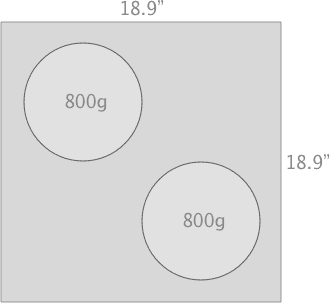
- Two 800g Boules per Deck: Similar to the batard arrangement, this configuration accommodates two round loaves per deck.
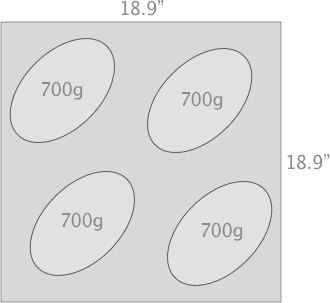
- Four 700g Loaves per Deck: For those seeking to maximize output on each deck, this layout allows for four smaller loaves.
It is important to note that the dimensions of the Rofco B40 decks are 18.9 inches by 18.9 inches. The diagrams illustrating dough placement assume the top edge of each square represents the back of the oven and the bottom edge represents the front, where the door is located.
Beyond traditional loaves, the Rofco B40’s square steel trays, often included with the oven, offer versatility. These trays are ideal for baking smaller items such as buns and rolls, or even large, square pizzas. Their primary advantage lies in their ability to contain any spills and simplify the transfer of multiple small items into and out of the oven.
Mastering Steam: A Critical Element for Oven Spring
Achieving optimal oven spring in bread is heavily dependent on the introduction of steam during the initial stages of baking. The Rofco oven’s sealed chamber is a significant advantage in this regard, preventing steam from escaping prematurely. However, unlike some professional ovens with integrated steam injection systems, the Rofco requires manual steam generation. Fortunately, several effective methods exist:
High-Pressure Sprayer Method
The author’s preferred method for generating steam involves a commercial-grade pressure sprayer. By setting the nozzle to its finest mist and pressurizing the sprayer with water, a fine, even mist can be introduced into the oven.
- Preparation: Ensure the sprayer is filled with water and set to the finest mist. Pump it to build pressure.
- Loading Dough: With the dough ready for baking, place it on silicone sheets on the baking decks.
- Initial Steam Application: Starting with the bottom deck, spray a fine mist generously for approximately 10-12 seconds, covering the area around the dough. Repeat this process for the middle and top decks.
- Cautionary Note: Avoid spraying directly onto the glass of the oven light fixture, as this can cause the glass to crack.
- Second Steam Application: Before fully closing the oven door, quickly spray a second light coat onto each deck.
- Venting Steam: Once the bread has achieved its initial rise and is ready to brown, the steam needs to be vented. This is achieved by carefully opening the oven door (allowing steam to dissipate for a moment before looking in) and then tilting the circular vents on the door to their open position.
Steam Pods: An Optional Approach
Rofco offers optional rectangular steam pods, designed to be placed on the sides of each deck. These steel boxes are preheated within the oven and then filled with water or ice cubes to generate steam. While effective, the pods occupy valuable deck space, making the sprayer method often more practical for maximizing baking capacity.
The Rofco Baking Process: A Step-by-Step Guide
The following outline details a typical baking process for the Rofco B40, which may require minor adjustments based on specific dough formulations and desired outcomes.

- Preheating: Ensure the oven is empty (remove any silicone sheets) and set both the top and bottom heating element controls (left and right knobs, respectively) to 240°C. Allow the oven to preheat for a minimum of 1.5 hours to ensure the deck stones are thoroughly saturated with heat.
- Loading: Prepare your dough on silicone sheets. Place one sheet with dough onto a large wooden peel. Arrange the remaining sheets with dough alongside. Slide the first sheet into the oven. Use the peel to transfer subsequent sheets into the oven.
- Baking with Steam: Close the oven door and vents. Set the temperature to 150°C. Bake for 20 minutes.
- Venting Steam: Carefully open the door to release steam, then close it. Tilt the vents to their open position. Increase the temperature to 220°C and bake for 10 minutes.
- Final Bake: Reduce the temperature back to 150°C. Bake for an additional 20-30 minutes, or until the loaves are deeply golden brown and cooked through. During this phase, loaves may need to be reshuffled for even baking.
- Cooling: Remove the baked loaves and silicone sheets from the oven using the peel. Place the loaves on wire racks to cool completely.
- Post-Baking: Turn off the oven or reheat it if continuing with subsequent batches. Close the oven door.
Essential Tools for Enhanced Rofco Baking
To complement the Rofco B40 and optimize the baking process, several tools are highly recommended:
Electric Spray Bottle for Steam Generation
A significant upgrade from manual pump sprayers, an electric spray bottle offers consistent and powerful misting capabilities. This tool allows for precise control over steam application, ensuring an even distribution of moisture within the oven chamber. Its compact size and battery-powered operation make it convenient and efficient.

Elevated Oven Stand
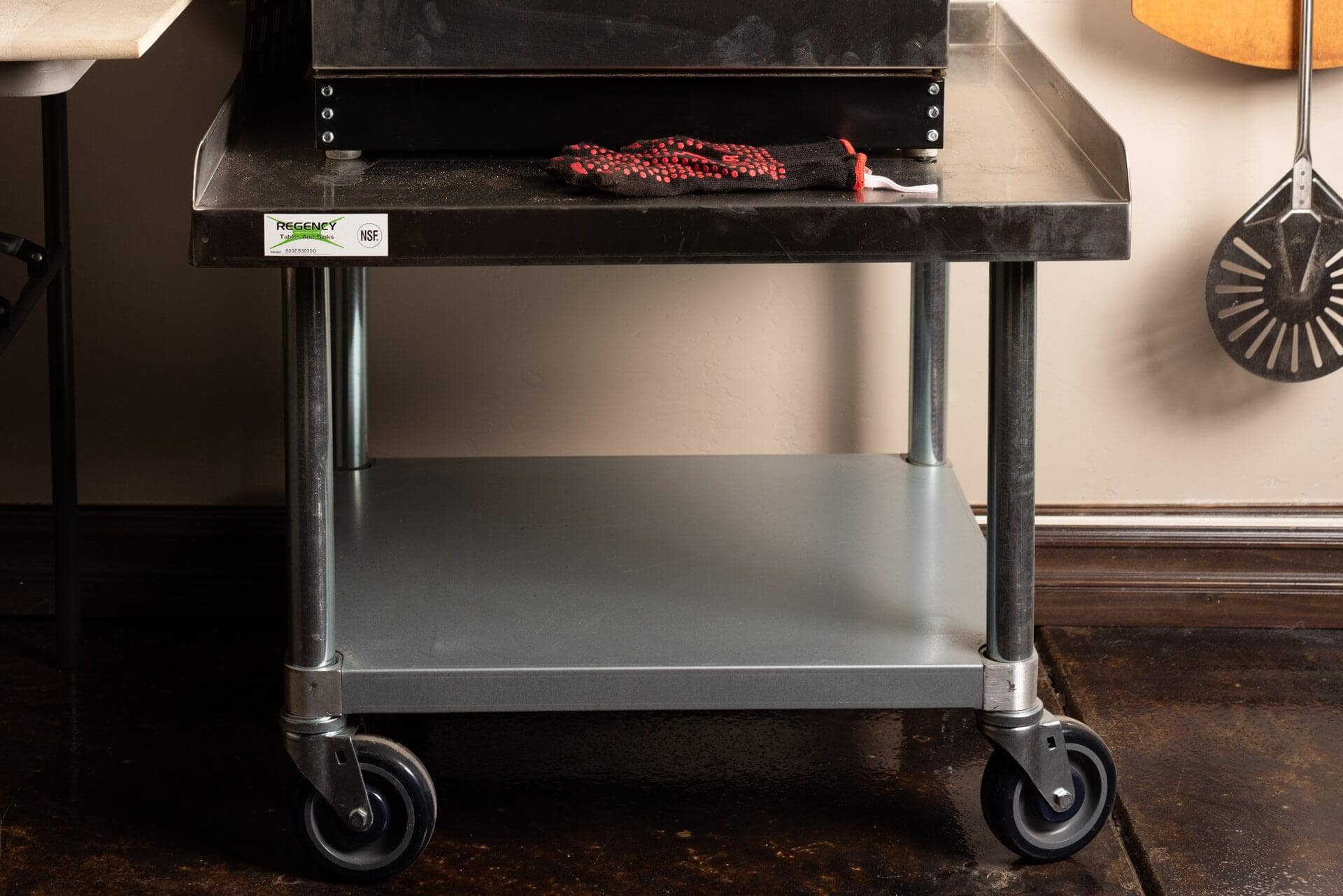
Raising the Rofco B40 off the ground by approximately 20 inches significantly improves ergonomics for loading and unloading dough. A sturdy stainless steel equipment stand, such as those available from commercial kitchen supply stores, is ideal. Customization of leg height or the addition of casters can further enhance the stand’s functionality and mobility.
Large Wooden Peel
A spacious wooden peel, ideally matching the width of the Rofco’s decks (approximately 18 inches), is invaluable for transferring dough. The large surface area allows for easy placement and manipulation of silicone sheets with dough, facilitating a smooth transition into the hot oven. Its lightweight yet durable construction makes it a practical and essential tool.
Post-Baking Efficiency: Drying Proofing Baskets
A clever tip for maximizing efficiency after baking is to utilize the residual heat of the Rofco oven to dry proofing baskets (bannetons). After removing the baked bread, placing the damp bannetons inside the warm oven for a short period quickly dries the liners, preventing mold and ensuring they are ready for storage or the next use.
Looking Ahead: Continued Mastery and Equipment Considerations
As bakers adapt to the Rofco B40, a slight adjustment period in baking quality is natural. It is advisable to select a straightforward sourdough recipe and practice it consistently until a thorough understanding of the oven’s performance is achieved. For those interested in sourcing a Rofco oven or other professional baking equipment, reputable suppliers offer excellent customer service and product support.

For bakers looking to further enhance their production capabilities, investing in complementary equipment such as a high-capacity spiral dough mixer, like the Famag, or a more compact option like the Ooni Halo Pro, can significantly streamline the dough preparation process. For those with even grander ambitions, ovens with larger deck capacities, such as the RackMaster 2020 Bread Oven, offer the potential for even greater output. The pursuit of artisanal bread is a continuous journey of learning and refinement, and the Rofco B40 oven represents a significant step forward for bakers ready to embrace larger-scale production.