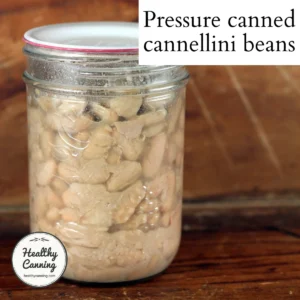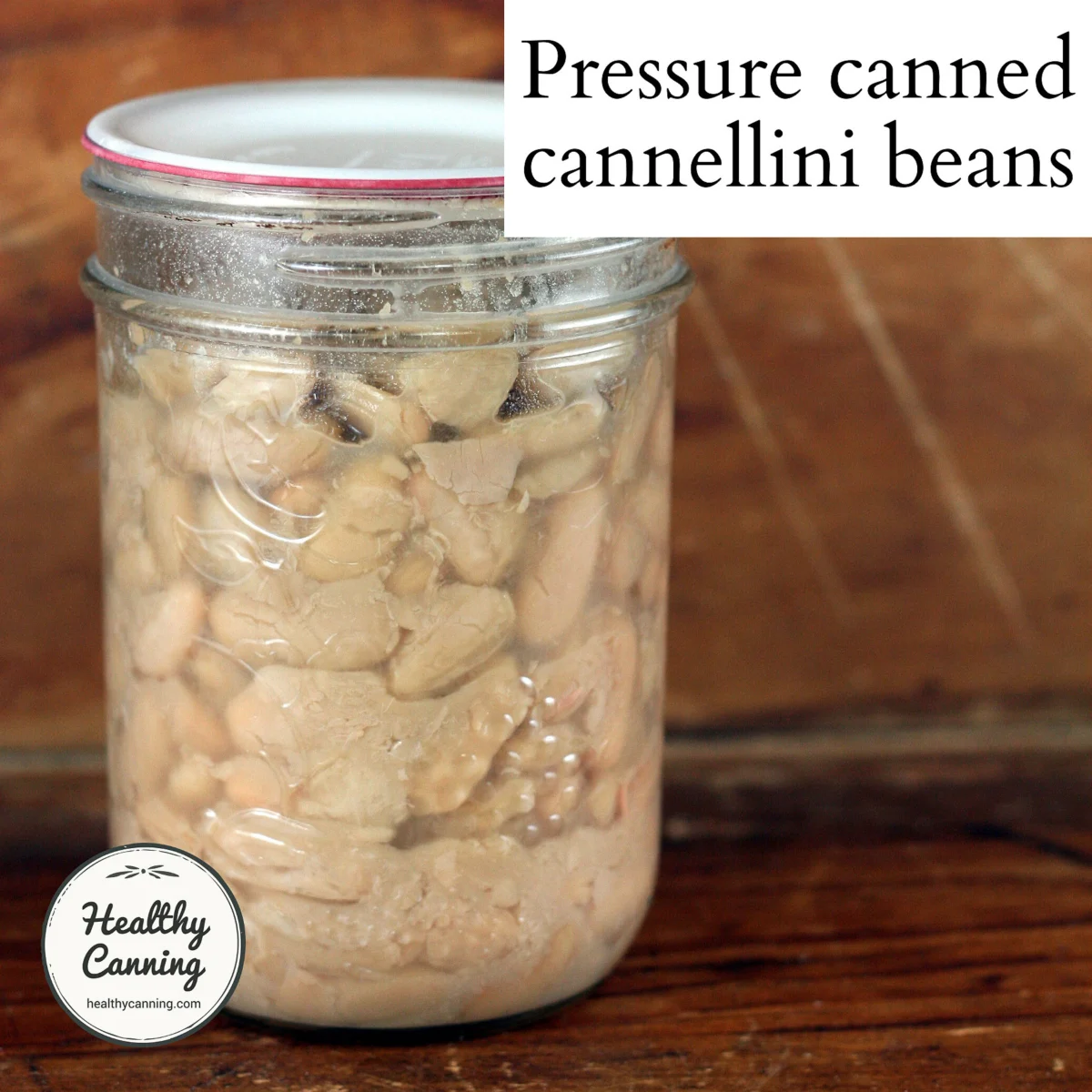

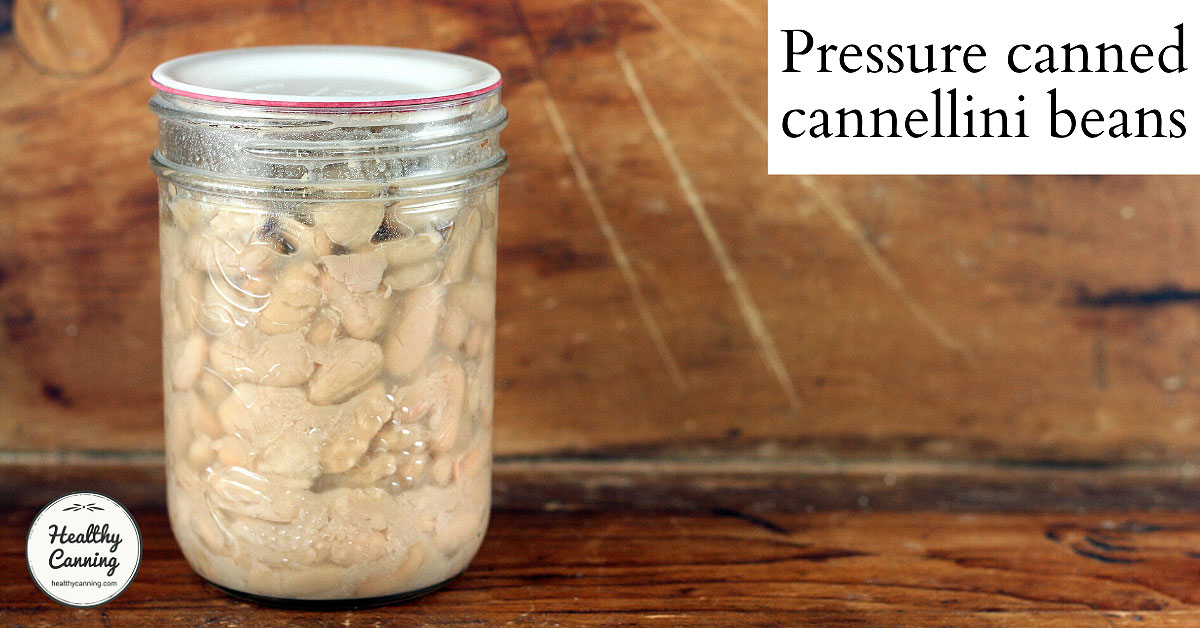
The resurgence of traditional food preservation techniques has brought the practice of home canning into the modern culinary spotlight, particularly regarding the processing of legumes such as cannellini beans. Also widely recognized as white kidney beans, cannellini beans are a nutritional powerhouse and a staple of Mediterranean and American cuisines alike. While the convenience of commercially canned beans is undeniable, the ability to home-can these legumes offers significant advantages in terms of cost-effectiveness, sodium control, and food security. However, the process requires a strict adherence to scientific protocols—specifically the use of pressure canning—to ensure food safety and optimal quality.
The Essential Role of Pressure Canning in Legume Preservation
Cannellini beans, like all legumes, are classified as low-acid foods. In the realm of food science and preservation, acidity levels are the primary determinant of which canning method must be employed. Foods with a pH level higher than 4.6 require temperatures exceeding the boiling point of water (212°F or 100°C) to neutralize Clostridium botulinum spores, which can thrive in the anaerobic environment of a sealed jar.
While high-acid foods like fruits and pickles can be safely processed in a boiling water bath, low-acid foods must be processed in a pressure canner. A pressure canner utilizes trapped steam to increase internal pressure, thereby raising the temperature to approximately 240°F (116°C). This temperature is the threshold required to ensure the destruction of heat-resistant pathogens. According to the United States Department of Agriculture (USDA) Complete Guide to Home Canning, there are no safe alternatives to pressure canning for dried beans. Failure to follow these guidelines can result in severe foodborne illness.
Procedural Chronology: From Dried Legume to Shelf-Stable Staple
The process of canning cannellini beans begins long before the jars enter the pressure canner. A systematic approach to preparation is required to manage the beans’ hydration and texture.
1. Selection and Cleaning: The process commences with the selection of high-quality dried cannellini beans. Modern food safety standards suggest a thorough "winnowing" process, where stones, debris, and shriveled or discolored beans are removed. The beans are then rinsed under cold, running water to remove dust and surface impurities.
2. Rehydration Protocols: Dried beans must be rehydrated before canning to ensure they do not expand excessively within the jar, which could lead to seal failure or under-processing. There are two primary methods for rehydration:
- The Overnight Soak: Beans are placed in a large pot and covered with several inches of water. They are left to soak for 12 to 18 hours in a cool place. This method is often preferred for maintaining the structural integrity of the bean skin.
- The Quick Soak: For those on a tighter schedule, beans are brought to a boil for two minutes, then removed from heat to soak for one hour.
Regardless of the method used, the soaking water is drained and discarded to reduce the presence of complex sugars (oligosaccharides) that are often associated with digestive discomfort.
3. Parboiling: After soaking, the beans are covered with fresh water and brought to a gentle boil. They are simmered for 30 minutes. This step ensures that the beans are heated through to the core before being packed into jars, a critical factor in maintaining the "hot pack" standard required for USDA-approved processing times.
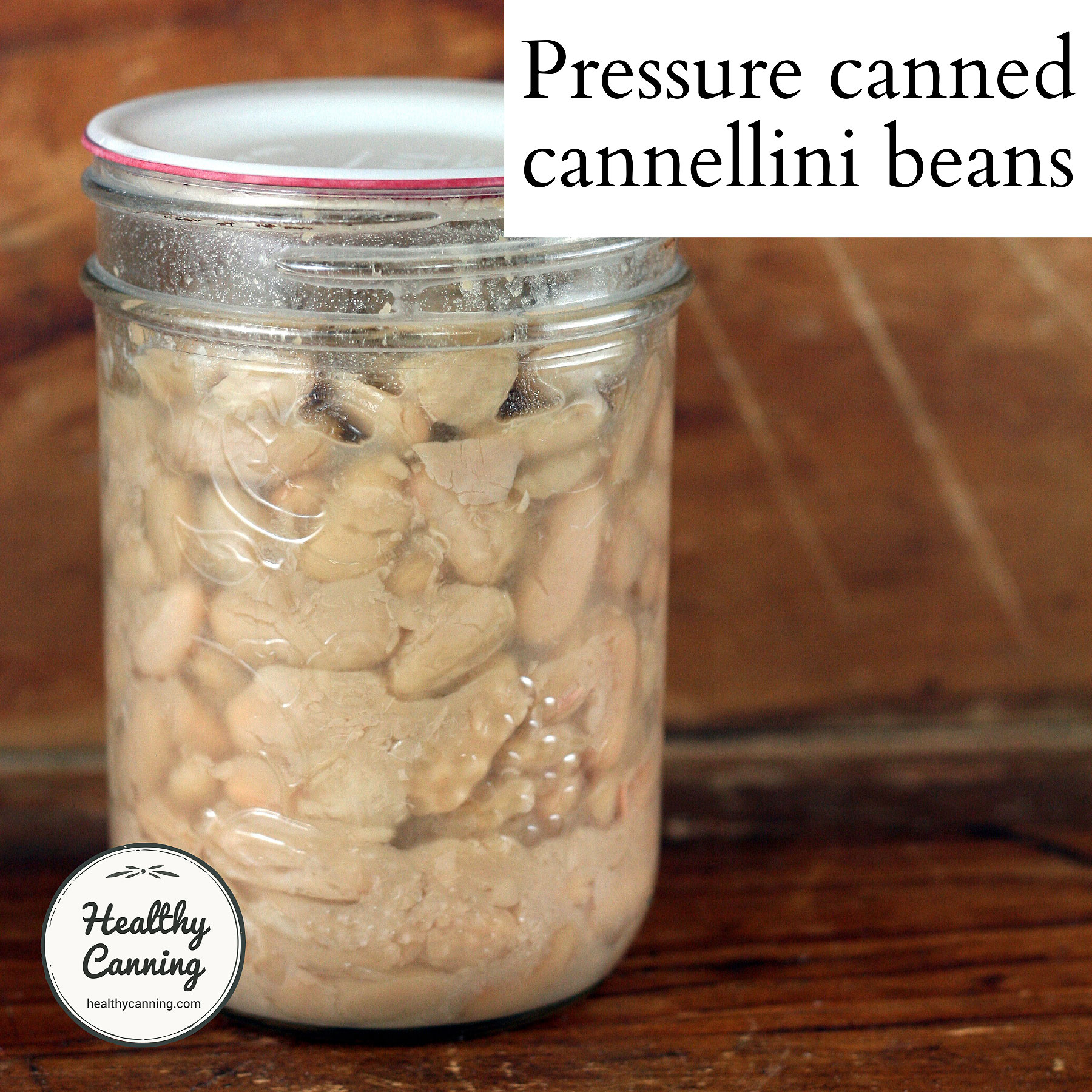
4. Jar Packing and Headspace Management: The hot beans are ladled into sterilized jars, leaving exactly one inch (3 cm) of headspace. Headspace is the vacuum-sealed gap between the food and the lid, which is necessary for the expansion of food during the canning process and the subsequent creation of a vacuum seal during cooling. The jars are then filled with the boiling cooking liquid or fresh boiling water, maintaining the one-inch headspace.
Technical Specifications and Processing Guidelines
Precision is the hallmark of safe home canning. The processing time and pressure depend entirely on the size of the jar and the altitude of the canning location. The following data, derived from the National Center for Home Food Preservation (NCHFP), outlines the standard requirements:
- Jar Sizes: Cannellini beans are typically canned in half-pint (quarter-litre), pint (half-litre), or quart (one-litre) jars.
- Processing Time: Half-pints and pints require a processing time of 75 minutes. Quarts require 90 minutes. This duration is calculated based on the density of the beans and the time required for the heat to penetrate the center of the jar.
- Pressure Requirements: At sea level (0 to 1,000 feet), a weighted-gauge canner must be maintained at 10 pounds of pressure (69 kPa), while a dial-gauge canner should be at 11 pounds (76 kPa).
Altitude Adjustments:
As altitude increases, the atmospheric pressure decreases, causing water to boil at lower temperatures. To compensate, the pressure within the canner must be increased. For those living above 1,000 feet (300 meters), the pressure must be adjusted to 15 pounds for weighted-gauge canners. Failure to adjust for altitude is one of the most common errors in home preservation and can lead to under-processed, unsafe food.
Texture Analysis and Culinary Applications
One of the most notable characteristics of home-canned cannellini beans is their texture. Unlike commercially canned beans, which often contain firming agents like calcium chloride, home-canned beans tend to be significantly softer. This is due to the long processing times required for safety in a home environment.
Culinary experts note that while these beans may be too soft for cold bean salads or dishes requiring distinct, firm whole beans, they are exceptional for other applications. Their creamy consistency makes them an ideal candidate for:
- Soups and Stews: Such as classic Italian Pasta e Fagioli or minestrone, where the beans can slightly break down to thicken the broth.
- Purees and Spreads: Their softness allows them to be easily blended into hummus-style dips or white bean pâtés.
- Casseroles: Where they absorb the flavors of braising liquids and aromatics.
Nutritional Profile and Economic Impact
The move toward home canning is often driven by a desire for improved nutrition and fiscal responsibility. Cannellini beans are a nutrient-dense food, providing a significant source of plant-based protein, dietary fiber, and essential minerals.
Nutritional Breakdown (per 130g serving):
- Calories: 100 kcal
- Protein: 6g
- Fiber: 5g (approximately 20% of the Daily Value)
- Minerals: Rich in potassium (250mg) and iron (1.8mg).
- Sodium Control: Commercial canned beans can contain upwards of 400mg of sodium per serving. By canning at home, individuals can choose to add no salt at all, reducing the sodium content to a negligible 30mg per serving.
Economic Analysis:
From a financial perspective, purchasing dried beans in bulk and canning them at home offers substantial savings. A one-pound bag of dried cannellini beans typically yields the equivalent of three to four 15-ounce commercial cans. When purchased in 25-pound or 50-pound sacks, the cost per serving drops even further, making home canning one of the most effective ways to manage a household food budget.
Broader Implications: Food Security and Sustainability
The practice of home canning cannellini beans extends beyond the kitchen; it is a component of a broader movement toward sustainable living and community resilience. In an era of global supply chain instabilities and rising food costs, a well-stocked pantry of home-preserved goods provides a "cushion" against external economic shocks.
Furthermore, home canning reduces environmental impact. By using reusable glass jars (such as Mason or Weck jars), consumers significantly decrease the amount of single-use metal cans entering the waste stream. The ability to source dried beans from local farmers or bulk cooperatives further reduces the carbon footprint associated with food transportation and packaging.
Official Guidelines and Safety Warnings
The USDA and the NCHFP emphasize that home canning is a science, not a creative art. Deviating from tested recipes—such as adding thickeners, fats, or large amounts of onions and peppers to the jars—can alter the pH and heat penetration rates, rendering the processing times invalid.
For those new to the practice, Master Food Preserver groups and university extension offices provide essential resources and "hands-on" training. These organizations serve as the front line of food safety education, ensuring that the revival of home canning remains a healthy and rewarding endeavor for the modern household.
In conclusion, home-canned cannellini beans represent a perfect intersection of traditional wisdom and modern nutritional science. By following rigorous safety protocols and understanding the technical requirements of pressure canning, individuals can produce a high-quality, versatile, and shelf-stable product that enhances both the pantry and the palate. While the beans may emerge from the jar softer than their commercial counterparts, their superior flavor profile and health benefits make them an invaluable asset to the contemporary kitchen.