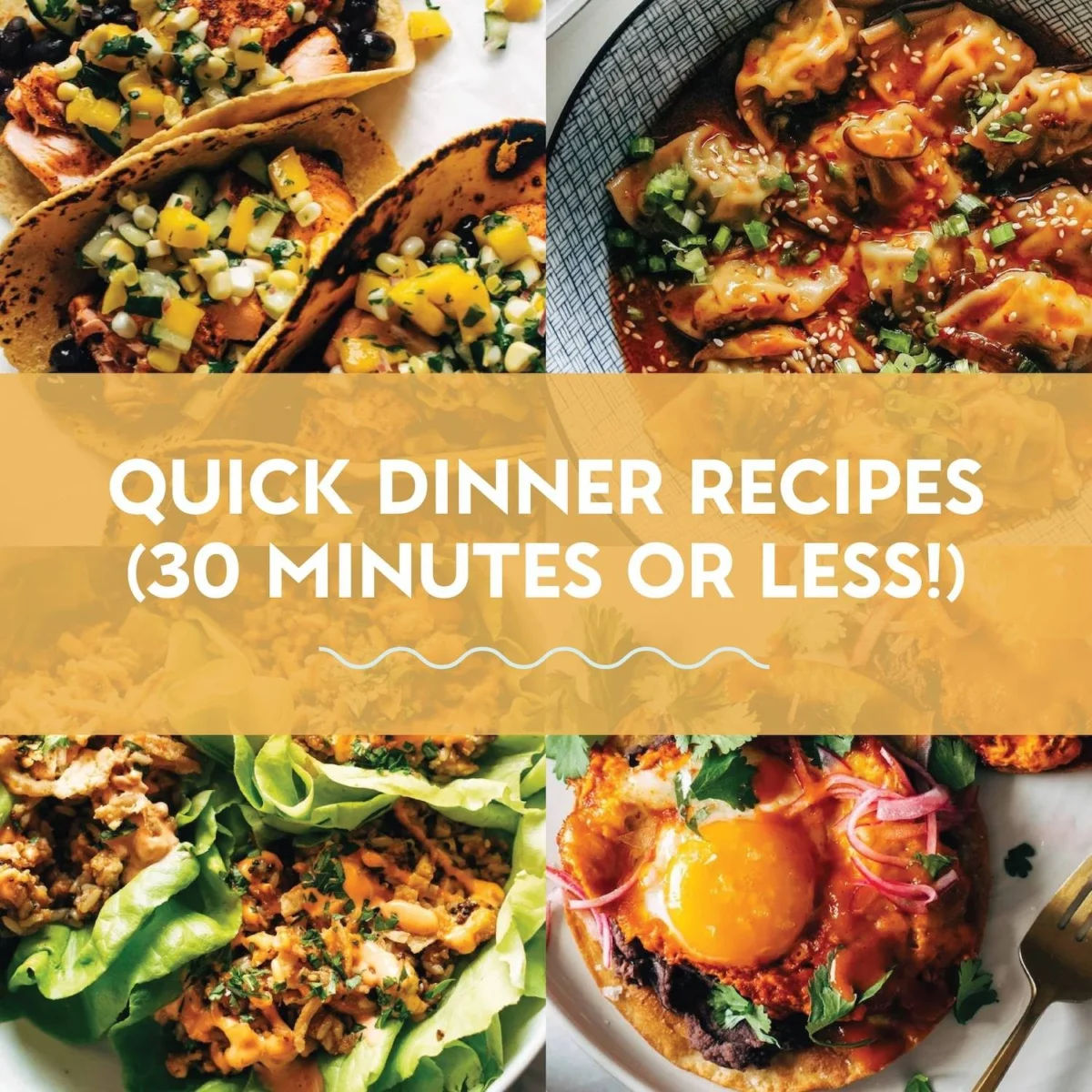

In an increasingly fast-paced world, the quest for convenient yet wholesome dinner solutions has become a defining characteristic of modern household management. The concept of preparing a complete, satisfying meal in 30 minutes or less is no longer a niche preference but a widespread necessity, reflecting significant shifts in societal structures and daily routines. This phenomenon is particularly evident on weeknights, where the convergence of professional obligations, educational commitments for children, and the general demands of contemporary life often leave minimal time for elaborate culinary endeavors. A compilation of 40 diverse recipes underscores this trend, demonstrating that speed does not necessitate a compromise on flavor, nutritional value, or culinary appeal. These dishes are specifically designed to deliver impressive results with minimal kitchen time, catering to families and individuals alike who seek efficiency without sacrificing the enjoyment of home-cooked meals.
The Evolving Landscape of Weeknight Dining
The evolution of weeknight dining habits is a direct reflection of broader socio-economic changes. Decades ago, the traditional family structure often allowed for more dedicated time in the kitchen. However, with the rise of dual-income households, single-parent families, and a general increase in extracurricular activities for children, the average household’s available time for meal preparation has dramatically shrunk. According to a 2022 study by the Bureau of Labor Statistics, Americans spend an average of just 37 minutes per day on food preparation and cleanup, a figure that highlights the premium placed on efficiency. This time crunch has fueled a robust demand for recipes that are not only quick to execute but also easy to source ingredients for and simple to clean up after.
The shift is also observable in consumer purchasing patterns. The market for pre-prepped ingredients, meal kits, and ready-to-eat options has exploded, signifying a collective desire for shortcuts. However, amidst this drive for convenience, there remains a strong undercurrent of appreciation for homemade food, driven by concerns over health, cost, and the desire for customized flavors. The sweet spot, as many home cooks discover, lies in recipes that bridge the gap between complete convenience and traditional scratch cooking – meals that feel substantial and thoughtfully prepared, despite their rapid assembly.
A Brief Chronology of Culinary Convenience
The pursuit of quick meals is not entirely new but has evolved significantly. Post-World War II, the advent of processed foods and frozen dinners marked an initial wave of culinary convenience, promising liberation from kitchen drudgery. While these innovations addressed speed, they often came at the expense of nutritional quality and fresh flavors. The late 20th and early 21st centuries saw a growing backlash against highly processed foods, leading to a renewed emphasis on fresh ingredients and healthier eating. This era gave rise to the "30-minute meal" concept, popularized by celebrity chefs and food media, which focused on efficient techniques and smart ingredient choices rather than reliance on pre-made components.
More recently, the digital age has democratized access to quick recipes. Food blogs, social media platforms, and online recipe databases have become primary resources for home cooks seeking inspiration. The COVID-19 pandemic further accelerated this trend, as more people cooked at home but simultaneously juggled remote work and homeschooling, reinforcing the need for fast, reliable, and delicious dinner options. This period highlighted the psychological benefits of a satisfying home-cooked meal, even a quick one, offering a sense of normalcy and comfort amidst uncertainty.
Economic and Nutritional Implications of Rapid Meal Prep
Beyond saving time, quick dinner recipes carry significant economic and nutritional benefits. From an economic standpoint, preparing meals at home, even with convenience-oriented ingredients, is generally more cost-effective than frequent dining out or relying heavily on takeout services. For a family, the cumulative savings over a week or month can be substantial, contributing to household budgets. Moreover, planning quick meals often encourages smarter grocery shopping, reducing impulse buys and food waste, which is a growing concern globally.
Nutritionally, the emphasis on 30-minute meals often involves fresh vegetables, lean proteins, and whole grains, making them inherently healthier than many fast-food alternatives. Home cooks have greater control over ingredients, allowing them to manage sodium, sugar, and unhealthy fat content. Nutrition experts consistently advocate for home cooking as a cornerstone of a healthy diet, and the availability of quick, healthy recipes removes a major barrier for many busy individuals and families. Dr. Anya Sharma, a public health nutritionist, notes, "The perception that healthy eating requires extensive time is a significant hurdle. Recipes that deliver nutrition and flavor quickly are critical tools for improving public health and dietary habits."
Strategic Approaches to Swift Suppers
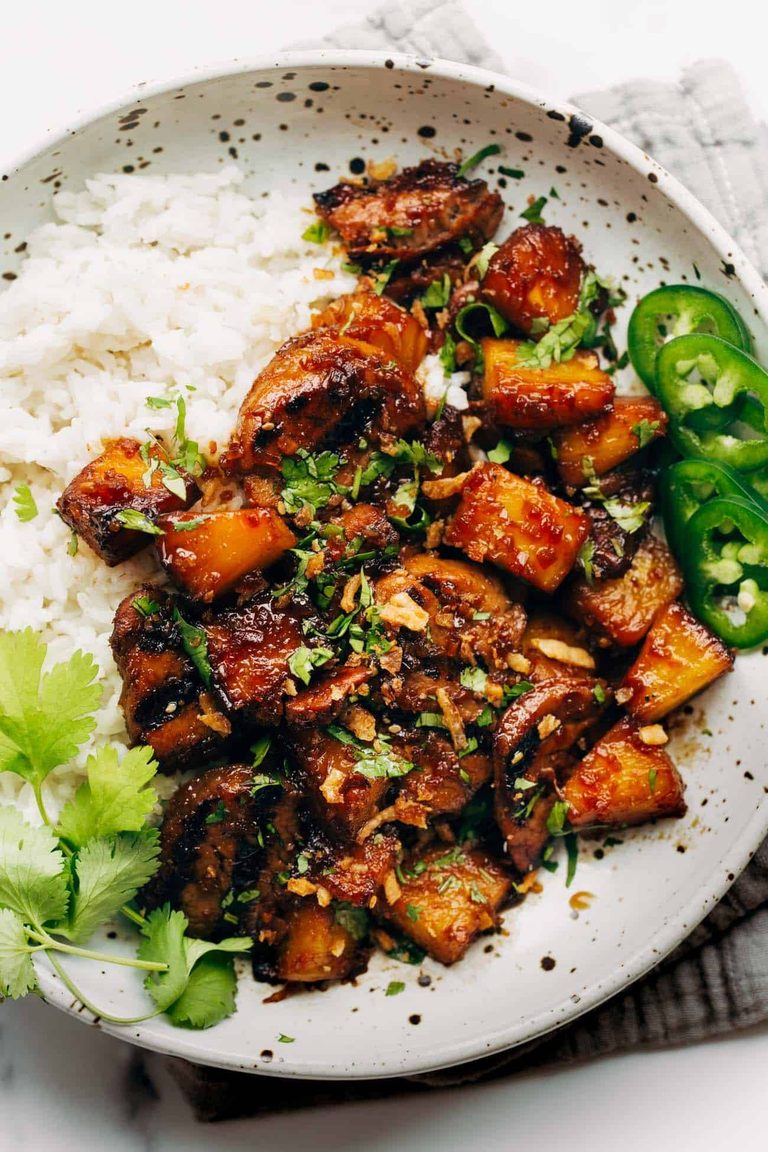
Achieving a delicious dinner in 30 minutes or less often relies on specific culinary strategies and ingredient choices. These include:
- Sheet Pan Dinners: These capitalize on minimal cleanup by cooking all components (protein, vegetables) on a single sheet pan.
- One-Pot Pastas and Skillets: Eliminating multiple pots and pans, these dishes cook pasta directly in the sauce or combine all ingredients in one skillet.
- Stir-Fries and Sautéed Dishes: High-heat, quick-cooking methods for thinly sliced proteins and vegetables are ideal for speed.
- Tacos and Wraps: Assembly-based meals that utilize pre-cooked elements or fast-cooking proteins, paired with fresh salsas and crunchy vegetables.
- Grain Bowls and Salads: Often leveraging pre-cooked grains (like quinoa or rice) and fresh produce, these come together quickly with a flavorful dressing.
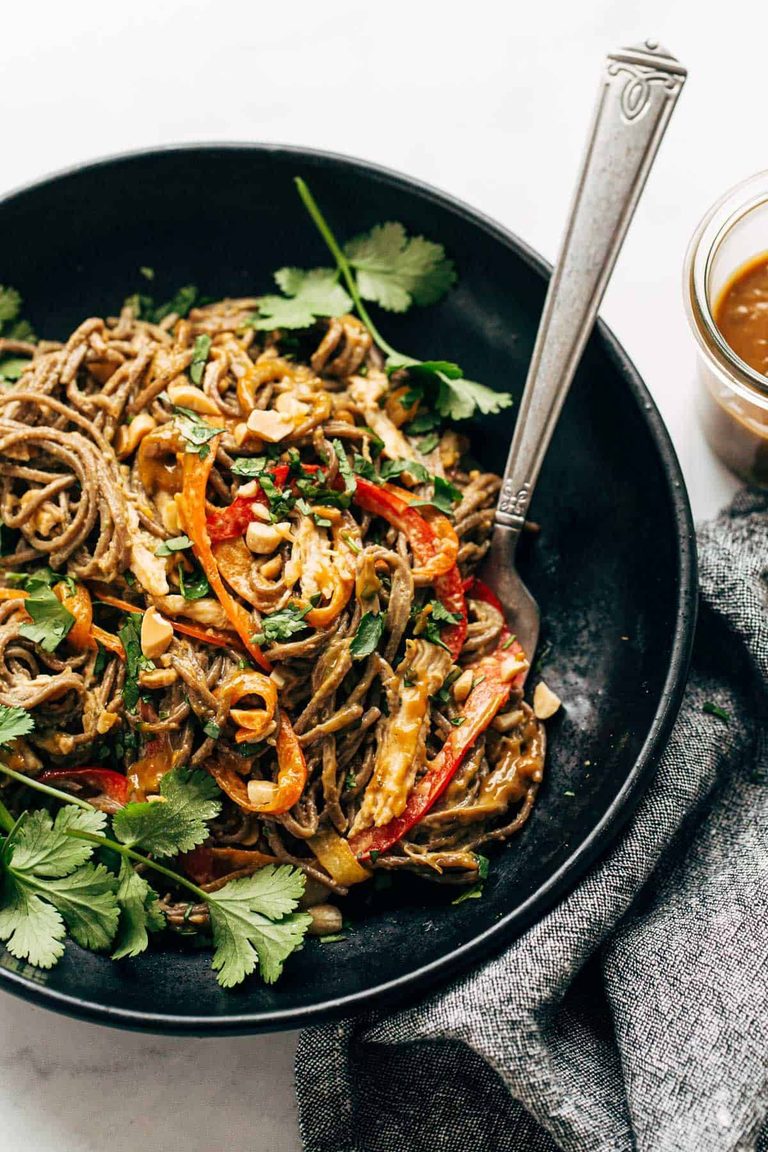
- Utilizing Pantry Staples: Canned beans, quick-cooking noodles (like udon or soba), and pre-made sauces significantly cut down prep time.
- Smart Appliance Use: Tools like air fryers for crispy elements or instant pots for rapid cooking of certain components can shave minutes off total time.
Spotlight on Diverse Flavors in Under 30 Minutes
The collection of 40 recipes highlighted by the original article exemplifies the vast array of culinary possibilities within the 30-minute constraint. These recipes span various cuisines and dietary preferences, proving that quick meals need not be repetitive or bland.
-
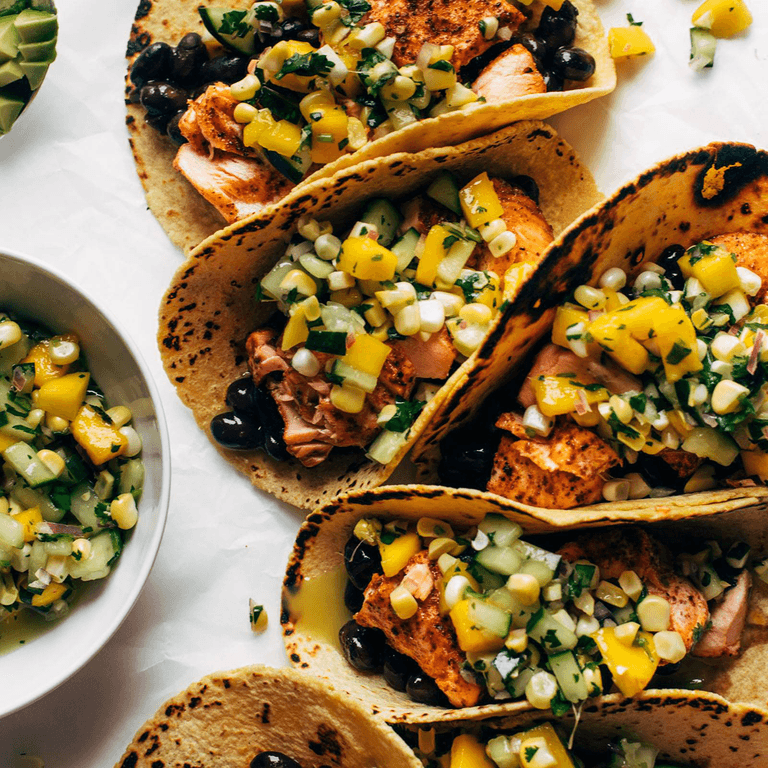
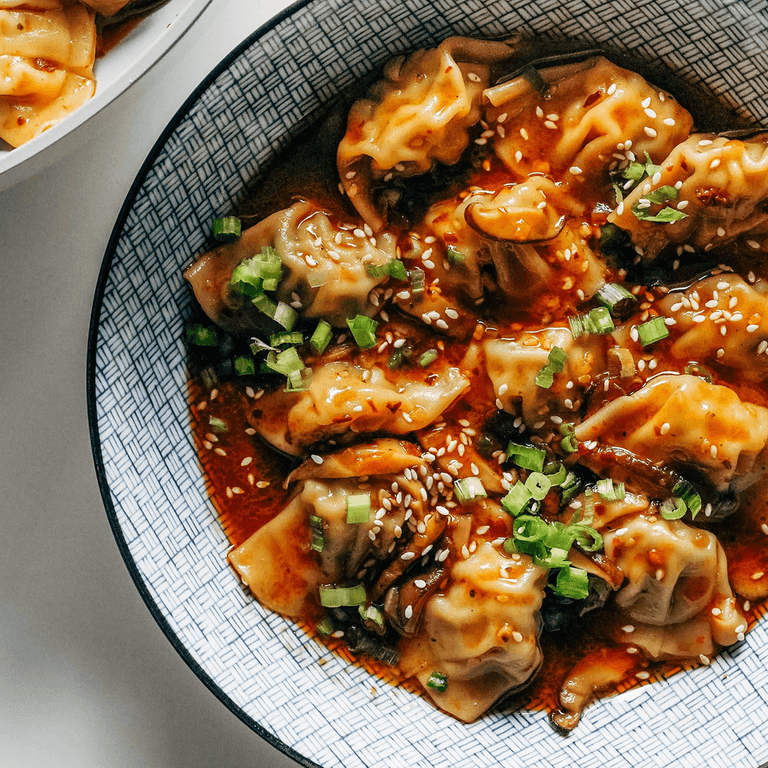
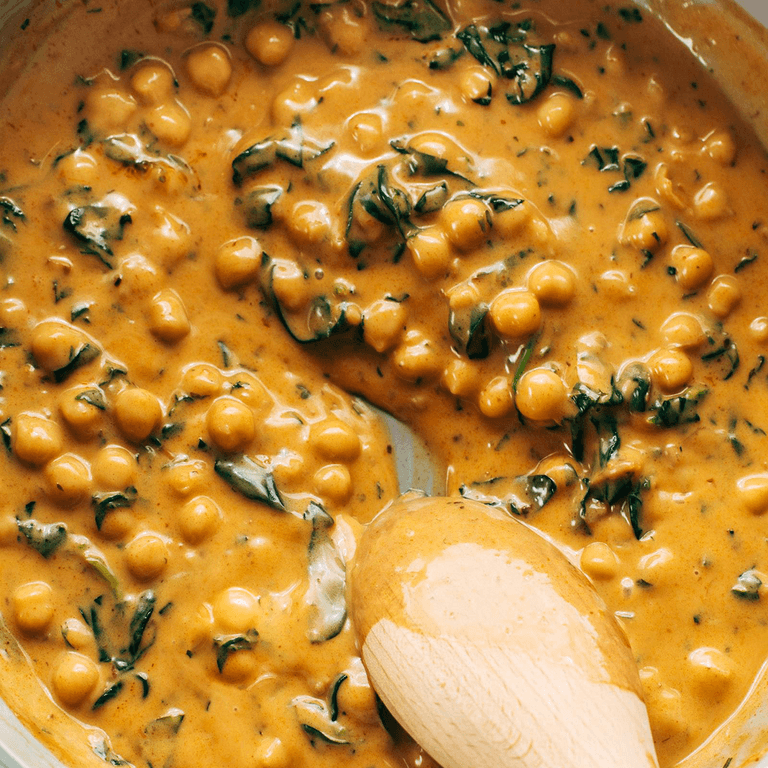
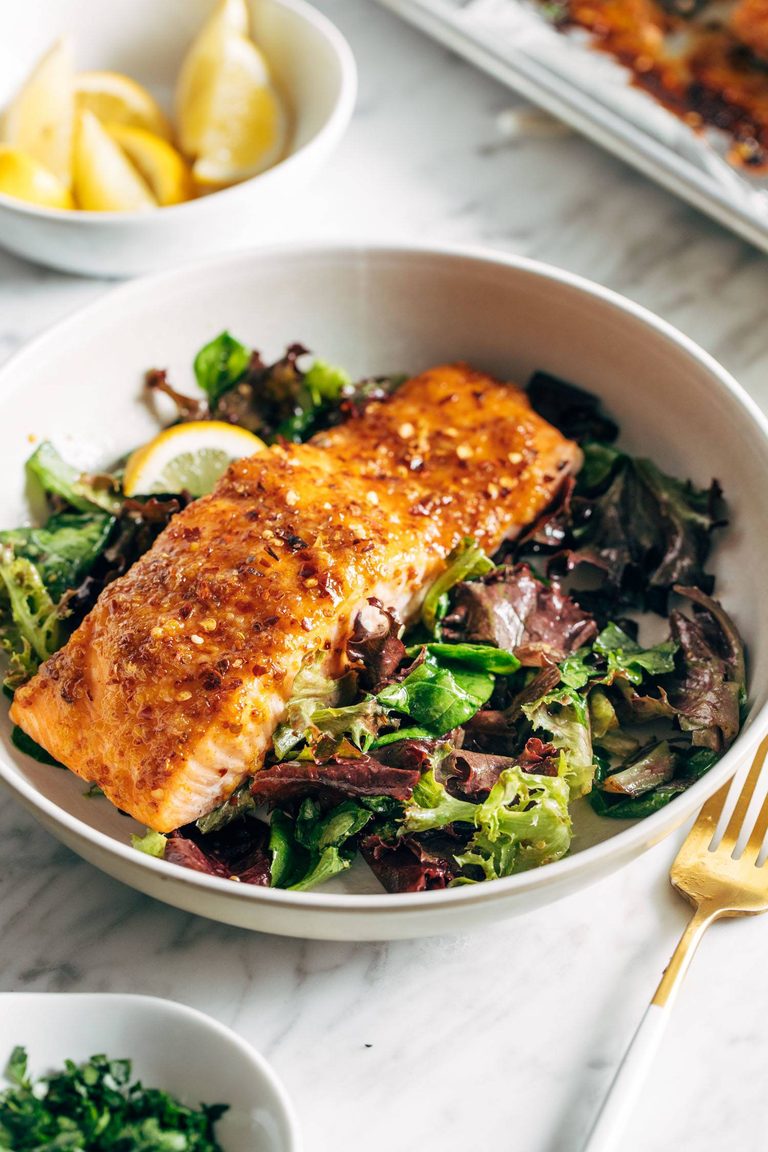
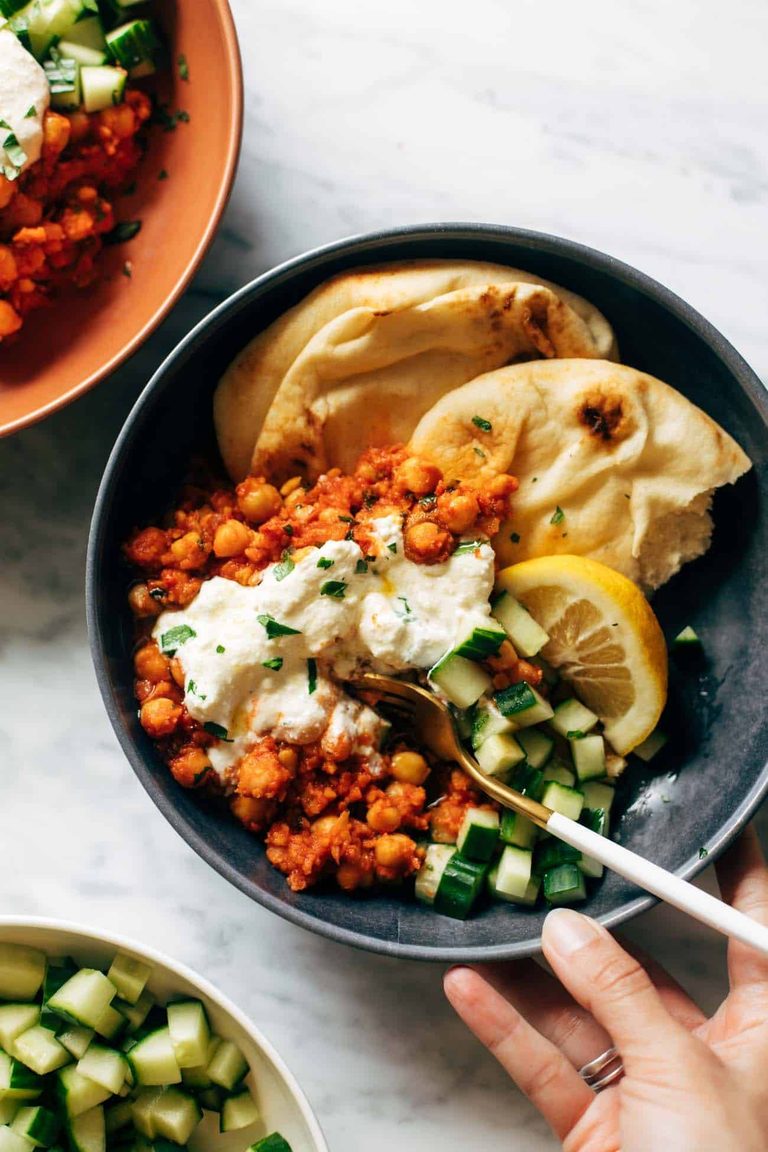
Global Inspirations: Dishes like Salmon Tacos with Mango Corn Salsa offer a vibrant, fresh take on Mexican cuisine, utilizing quick-cooking fish and a simple, zesty salsa. The Chicken Wontons in Spicy Chili Sauce introduce complex Asian flavors with minimal fuss, transforming pre-made wontons into a gourmet experience. Similarly, Steph’s Chickpea Curry with Spinach and Rice brings the warmth and spice of Indian cuisine to the table in just 20 minutes, leveraging pantry staples for a rich, creamy sauce. The inclusion of dishes like Harissa Chickpeas with Whipped Feta and Smoky Beans & Greens Tacos with Aji Verde further demonstrates the ability to explore Mediterranean and South American flavors rapidly.
-
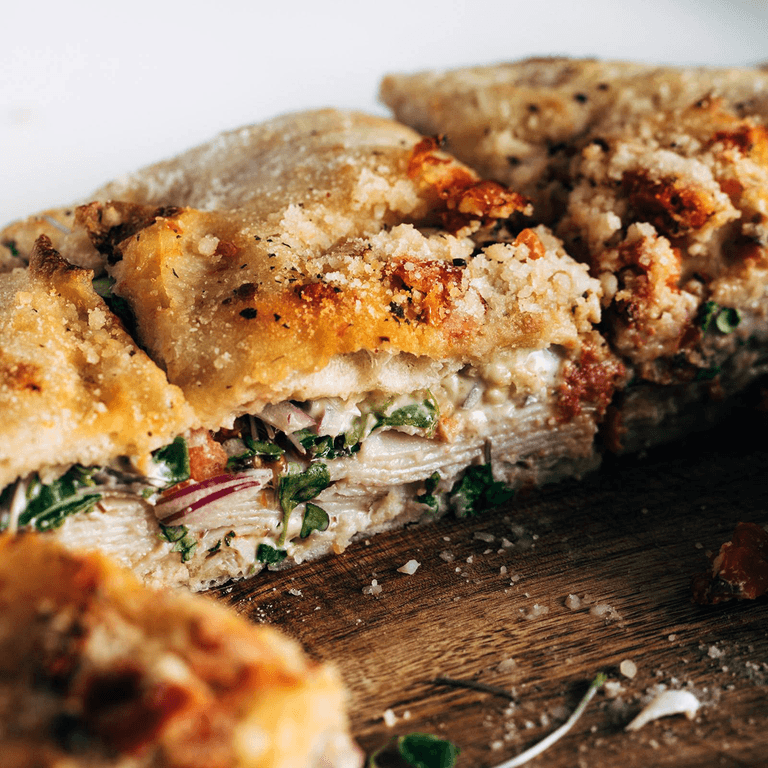
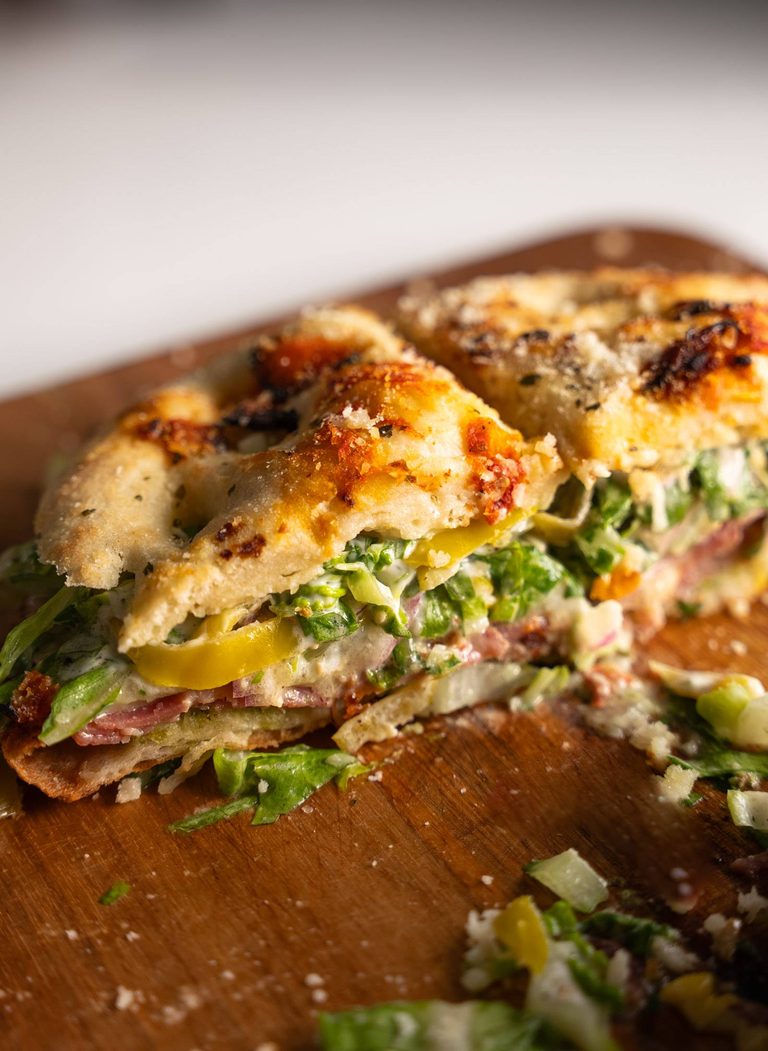
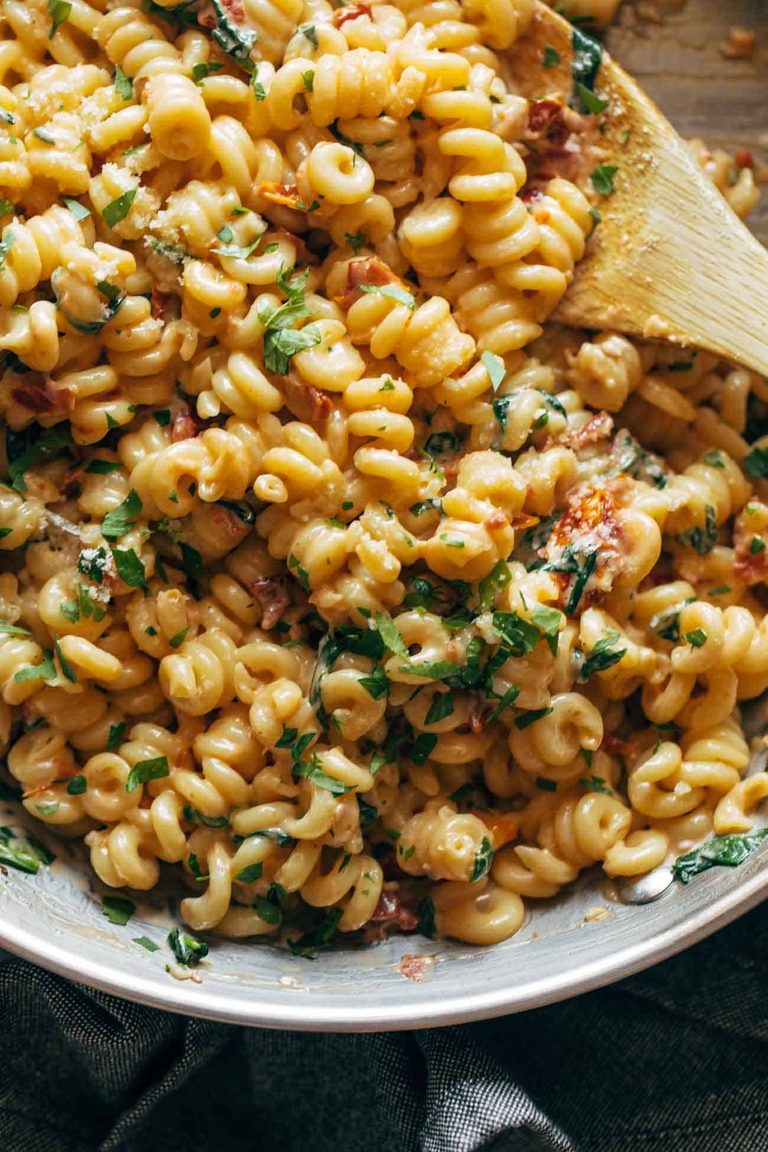
Creative Comfort Foods: Comfort food doesn’t have to be a multi-hour affair. The Trader Joe’s Sun-Dried Tomato Focaccia Turkey Sandwich and the Focaccia Grinder Sandwich elevate simple sandwiches into substantial meals through gourmet bread and thoughtful fillings. For pasta lovers, Creamy Garlic Sun-Dried Tomato Pasta offers a luscious, satisfying dish that comes together quickly, while the Date Night Mushroom Fettuccine promises elegance with just five ingredients.
-
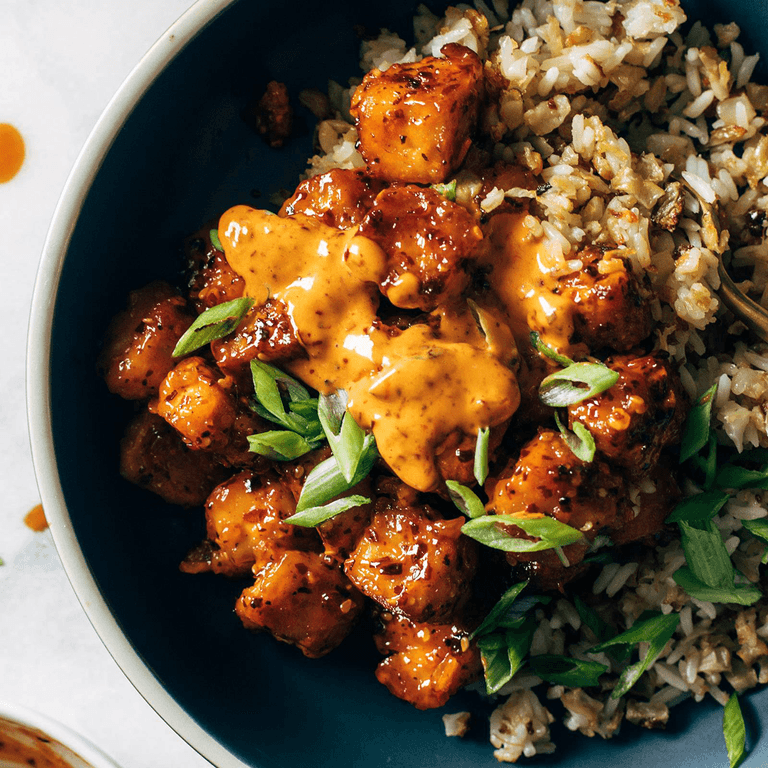
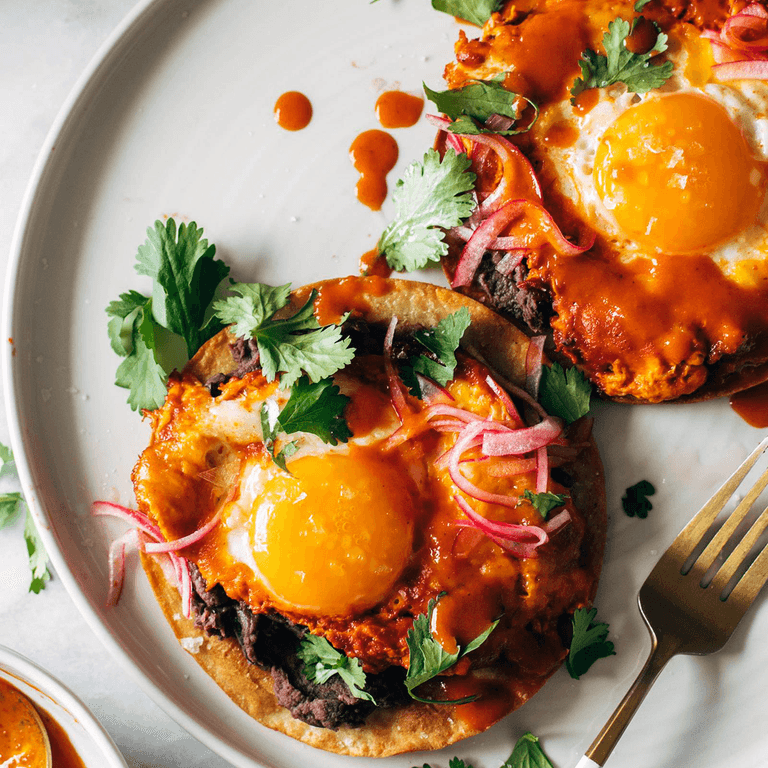
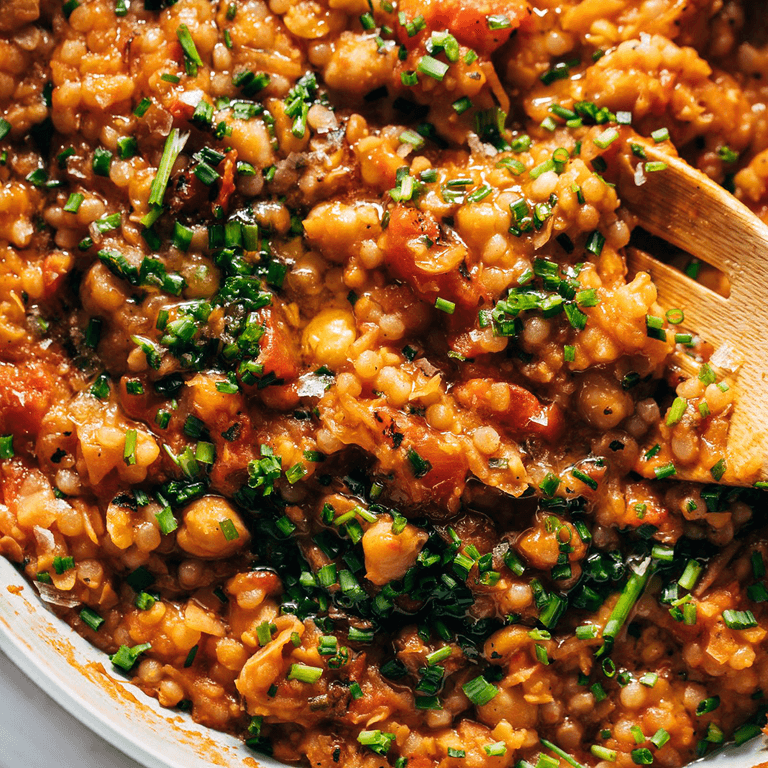
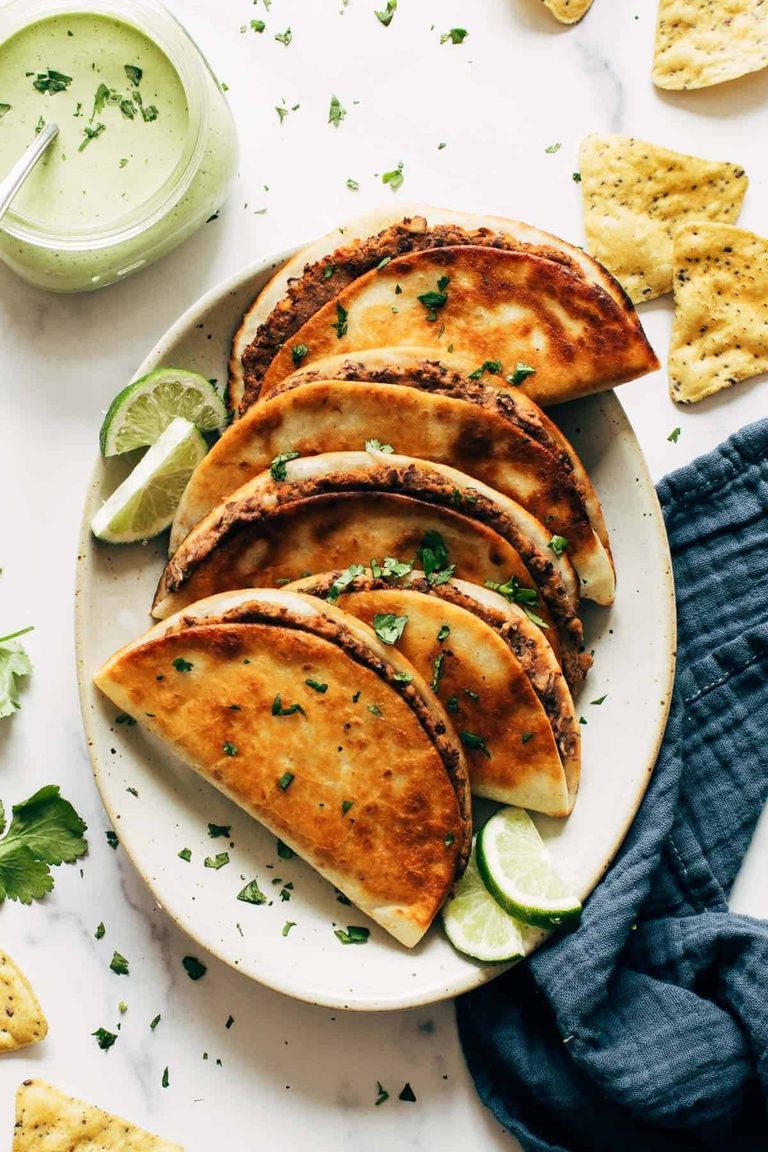
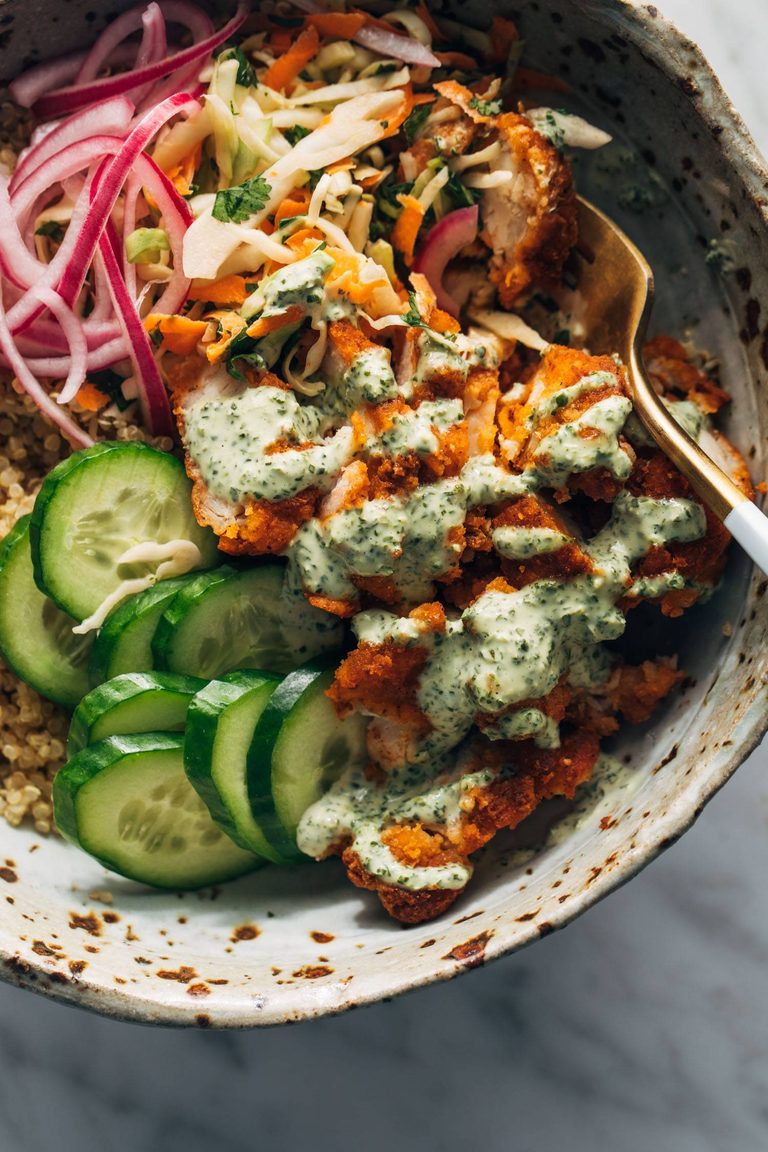
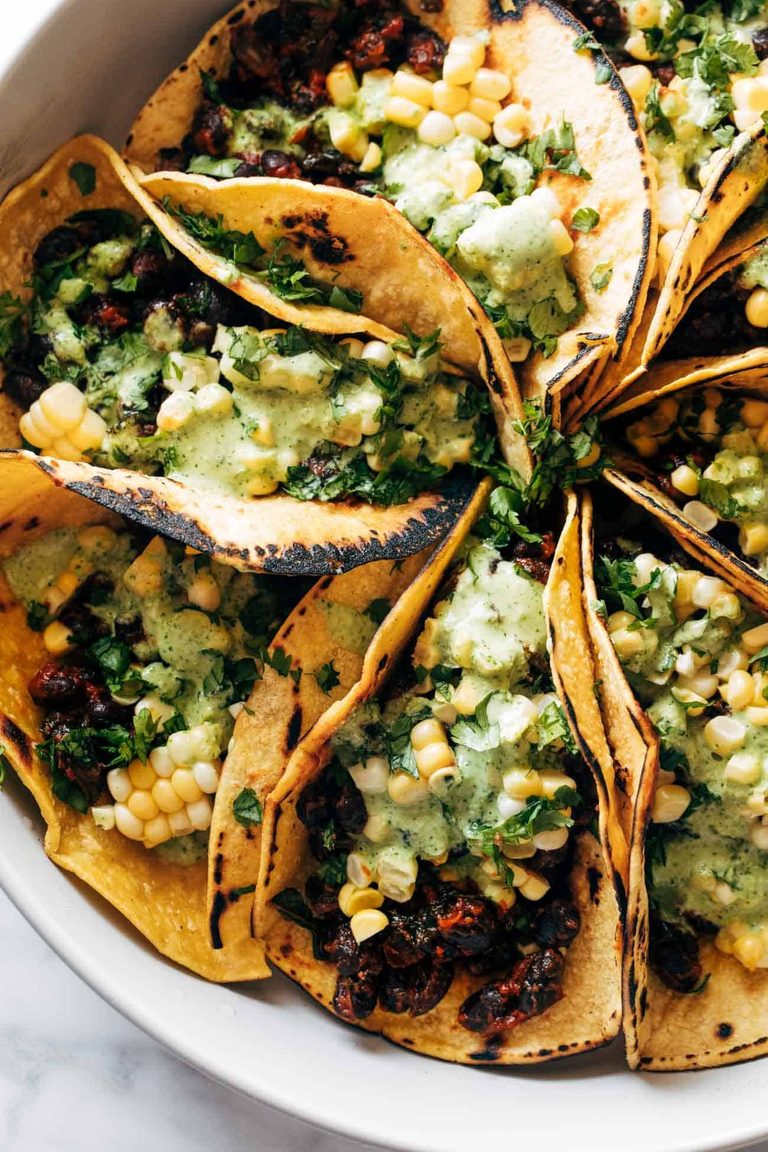
Plant-Forward Powerhouses: Vegetarian and vegan options are plentiful and equally efficient. Chili Crunch Tofu showcases how tofu can be transformed into a crispy, flavorful main in minutes, especially when baked. Crispy Black Bean Tacos with Cilantro Lime Sauce provide a hearty, satisfying vegetarian taco option. The Pearl Couscous Skillet with Tomatoes, Chickpeas, and Feta offers a wholesome, Mediterranean-inspired dish, and Spiced Chickpea and Couscous Bowls are ideal for healthy, quick weeknight dinners and excellent for leftovers.
-
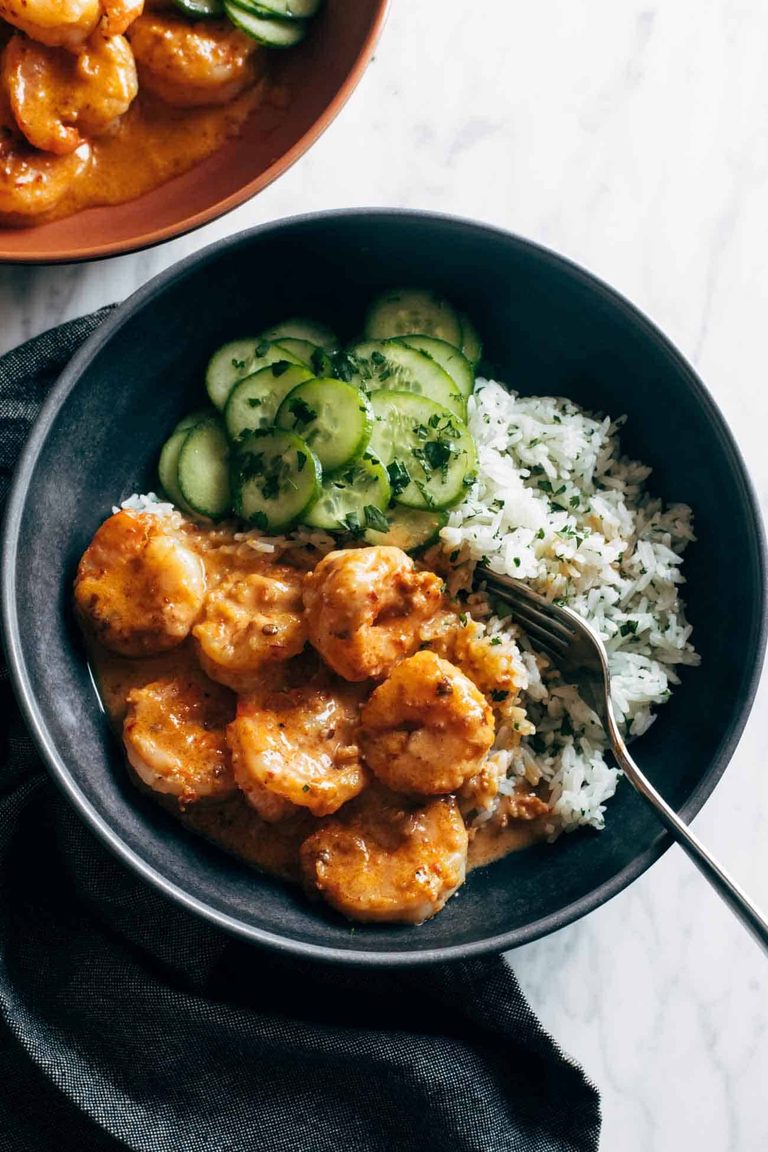
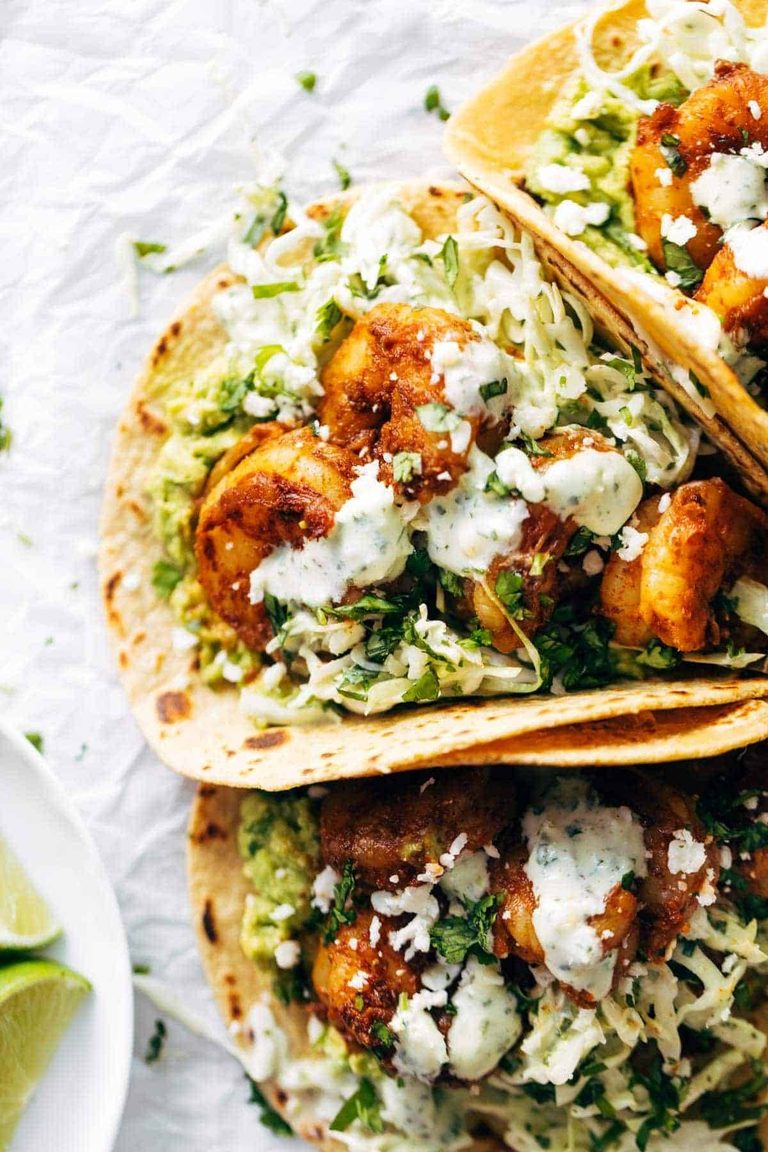
Seafood Sensations: Seafood, known for its quick cooking time, features prominently. Chipotle Orange Shrimp with Cilantro Rice combines tender shrimp with a sweet and smoky sauce. Spicy Shrimp Tacos with Garlic Cilantro Lime Slaw provide another vibrant, zesty option, while Hot Honey Salmon offers a spicy-sweet profile that feels remarkably gourmet for its speed. For a lighter, fresher choice, BBQ Salmon Bowls with Mango Avocado Salsa are both nutritious and visually appealing.
-
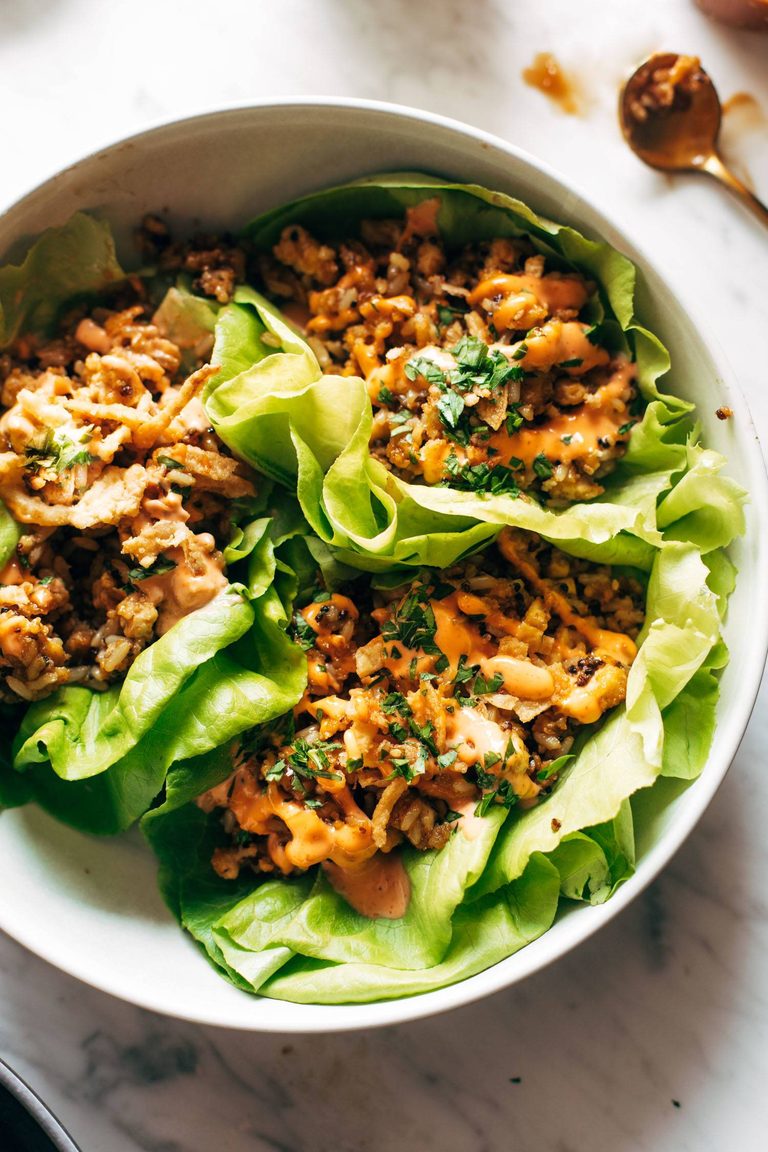
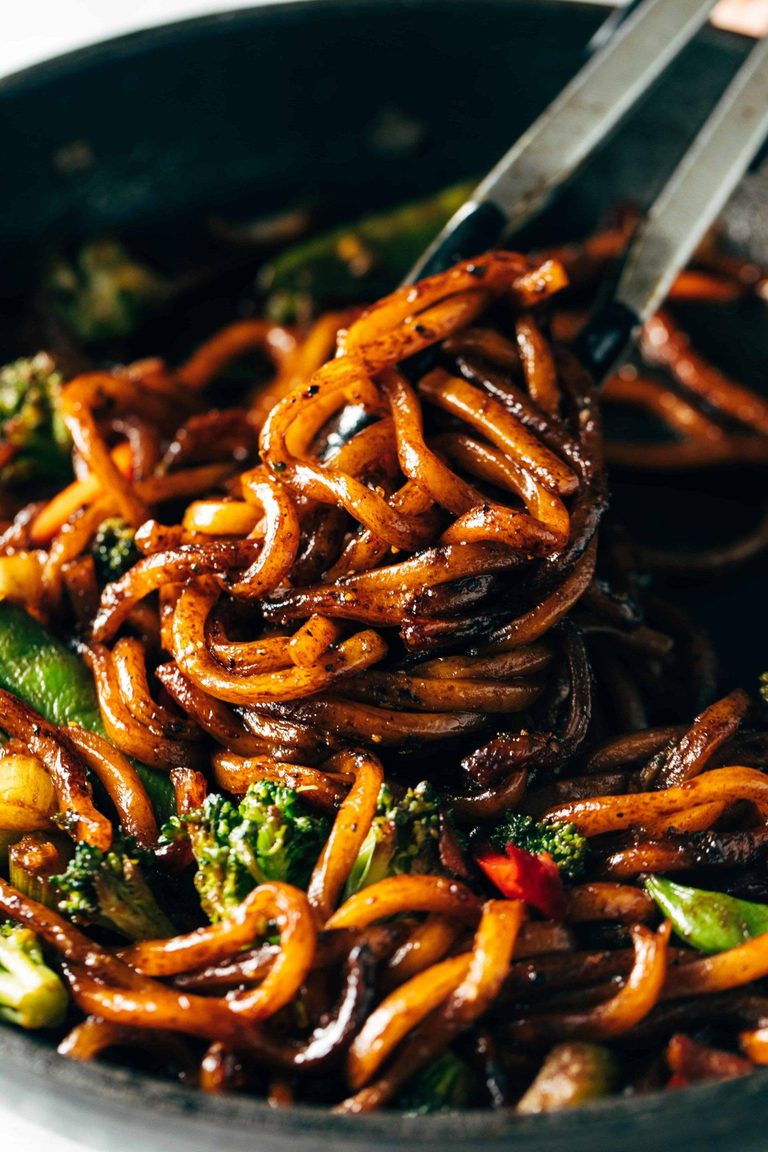
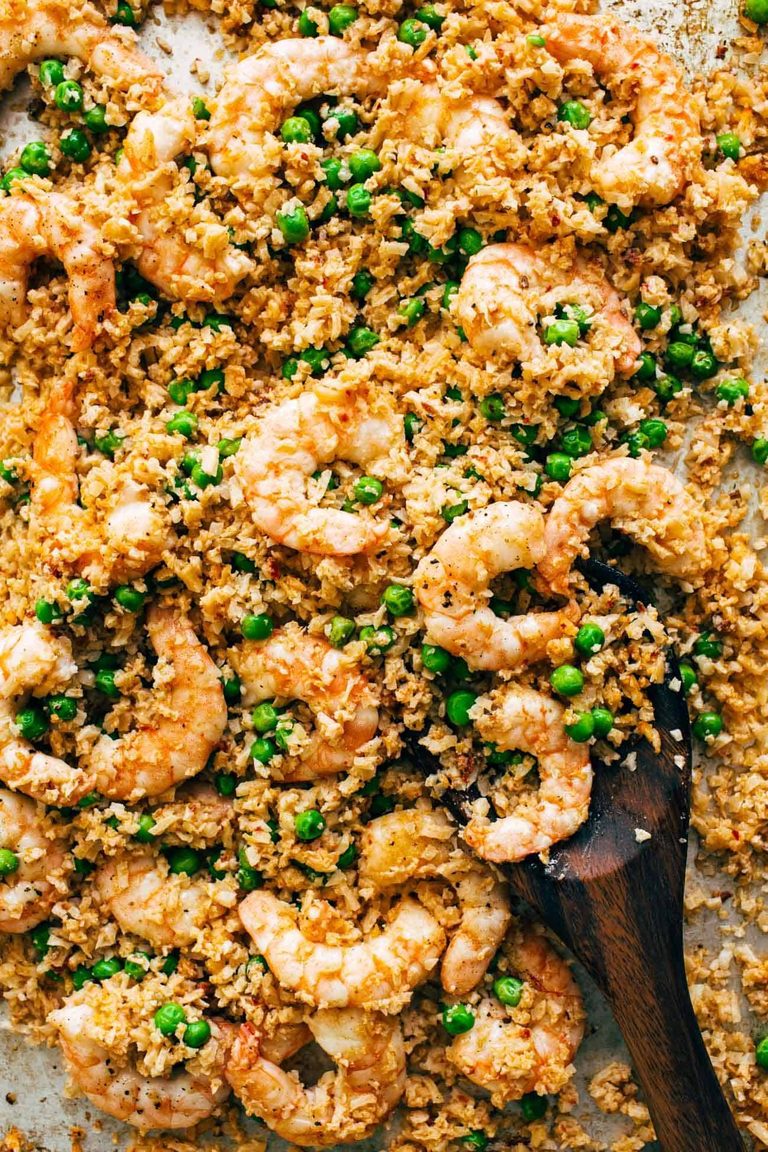
Meal Prep and Smart Shortcuts: Several recipes are tailored for efficiency and forward planning. 15-Minute Egg Roll in a Bowl provides a deconstructed, quick version of a classic takeout dish, perfect for meal prepping. Cauliflower Fried Rice with Crispy Tofu offers a healthy, low-carb alternative to traditional fried rice that is quick to prepare and can be made in batches. Quick Homemade Ramen reimagines instant ramen with fresh ingredients, turning a basic meal into a nourishing bowl. Even dishes like Instant Pot Creole Chicken and Sausage and Instant Pot Coconut Tandoori-Inspired Chicken offer meal-prep friendly options that minimize hands-on time, making future quick dinners even easier.
Essential Kitchen Aids for Enhanced Efficiency
While clever recipes are paramount, the right kitchen tools can significantly streamline the cooking process, turning the aspiration of a 30-minute meal into a consistent reality. Basic equipment like sharp knives, efficient cutting boards, and multi-purpose skillets or sheet pans are foundational. Beyond the basics, certain appliances and tools enhance speed:
- High-Powered Blenders/Food Processors: For quickly chopping vegetables, making sauces, or preparing salsas.
- Non-Stick Cookware: Ensures easy cleanup and prevents food from sticking, speeding up cooking and reducing post-meal chores.
- Instant Pot/Pressure Cooker: Excellent for rapidly cooking grains, beans, or tougher cuts of meat that might otherwise take hours.
- Air Fryer: Provides crispy textures for vegetables and proteins in a fraction of the time of a conventional oven, with less oil.
- Pre-cut Vegetable Choppers: While manual, these can significantly reduce prep time for bulkier vegetables.
- Spice Grinders: Freshly ground spices elevate flavor profiles quickly.
- Measuring Tools: Accurate and easily accessible measuring cups and spoons prevent delays from guesswork.
Investing in these tools not only saves time but also often makes the cooking experience more enjoyable and less stressful, contributing to the overall success of maintaining a routine of quick, homemade meals.

The Broader Impact: Reclaiming Weeknights
The ability to consistently produce delicious dinners in 30 minutes or less has implications that extend beyond the plate. It helps reclaim precious weeknight hours, allowing individuals and families more time for relaxation, hobbies, quality family interactions, or personal development. This reduction in mealtime stress can positively impact mental well-being and foster a healthier home environment. It empowers busy individuals to take control of their nutrition, avoid the pitfalls of unhealthy takeout, and instill good eating habits in children.
In conclusion, the demand for quick dinner recipes is a potent symbol of modern life’s challenges and adaptations. The extensive range of 30-minute meal options, encompassing diverse flavors and dietary needs, represents a practical and delicious solution to the perpetual weeknight scramble. These recipes, supported by efficient kitchen practices and tools, are not just about feeding hunger; they are about fostering well-being, managing budgets, and enriching the quality of life for contemporary households.