
Homemade whipped cream stands as a testament to the power of culinary simplicity, transforming just three fundamental ingredients into a light, creamy, and irresistibly billowy topping that elevates almost any dessert. Far surpassing its canned or tubbed counterparts in both texture and flavor, this classic confection offers a fresh, vibrant taste that resonates with discerning palates. Its versatility knows few bounds, gracing everything from delicate pies and elaborate cakes to humble cupcakes, rich cheesecakes, layered trifles, elegant crepes, and fresh seasonal berries. This timeless recipe, often cherished by home bakers and culinary professionals alike, continues to be celebrated for its ease of preparation and profound impact on dessert experiences.
A Journey Through Time: The Rich History of Crème Chantilly
The history of whipped cream, known in French as crème chantilly when sweetened and flavored with vanilla, is as rich and layered as the dessert itself. Its origins are often traced back to the Renaissance era in Italy, with some accounts attributing its early forms to the kitchens of Catherine de’ Medici in the 16th century. However, its true popularization and refinement are largely associated with France in the 17th and 18th centuries. The name "Chantilly" is commonly linked to François Vatel, the famed maître d’hôtel for Louis II de Bourbon, Prince of Condé, at the Château de Chantilly. Legend has it that Vatel, during a grand feast in 1671, faced a shortage of milk and ingeniously whipped cream to increase its volume, thereby creating what we now recognize as whipped cream. While the precise details remain debated among historians, the association with Chantilly solidified its place in French haute cuisine.
Early methods of preparing whipped cream were labor-intensive, often involving twigs or bundles of straw to aerate the cream in a cool environment. Recipes from the 17th and 18th centuries, such as those by French chef Vincent La Chapelle and English cook Hannah Glasse, describe similar processes of beating cream until frothy. The addition of sugar and flavorings like vanilla, orange blossom water, or rosewater became standard practice, transforming plain whipped cream into the more refined crème chantilly. This elegant topping quickly became a symbol of culinary sophistication, gracing the tables of European nobility and eventually becoming accessible to broader society with advancements in dairy production and kitchen technology. The evolution from hand-whisked delicacy to mass-produced aerosol cans in the 20th century marked a significant shift, prioritizing convenience, though often at the expense of the fresh, nuanced flavor profile of its homemade predecessor.
The Science of the Swirl: Unpacking Whipped Cream’s Chemistry
At its heart, homemade whipped cream is a marvel of culinary physics, a stable emulsion of fat, water, and air. Understanding the science behind its creation is key to achieving that perfect, airy consistency.
-
The Critical Role of Heavy Cream: The foundation of superior whipped cream lies in using high-quality heavy cream or heavy whipping cream. These varieties typically contain 36% or more milk fat, which is crucial for stability. In contrast, regular whipping cream, with about 30% milk fat, produces a lighter, less stable foam. When cream is whipped, the mechanical action of a whisk or mixer disrupts the fat globule membranes, allowing them to clump together and form a network that traps air bubbles. The higher fat content in heavy cream means more fat globules are available to form this robust structure, leading to a more stable, longer-lasting whipped cream that holds its shape beautifully. The temperature of the cream is also paramount; cold cream (ideally between 35-40°F or 2-4°C) keeps the fat globules firm, making them easier to incorporate air and preventing the cream from turning into butter too quickly. Chilling the mixing bowl and whisk attachments further aids this process by maintaining the cream’s low temperature throughout whipping.
-
Sweetening and Stabilizing: The Sugar Debate: The choice of sugar significantly influences the final texture and taste of whipped cream. While some bakers opt for granulated sugar, especially in smaller quantities, confectioners’ sugar (also known as powdered sugar or icing sugar) is widely preferred for its ability to dissolve seamlessly, ensuring a smooth, non-gritty texture. Confectioners’ sugar often contains a small amount of cornstarch, which acts as a mild stabilizer, helping the whipped cream hold its structure for longer. For larger batches, the subtle grittiness of granulated sugar can become noticeable, making confectioners’ sugar the superior choice for a truly refined crème chantilly. Beyond standard sugars, brown sugar offers a deeper, caramel-like flavor, making it an excellent alternative for autumnal desserts like pecan pie cheesecake or butterscotch pie, where its rich notes complement the overall profile. The sugar not only sweetens but also helps to stabilize the air bubbles within the fat network, contributing to the cream’s overall structural integrity.
-
The Essence of Flavor: Vanilla and Beyond: While heavy cream and sugar form the structure, vanilla extract provides the signature aroma and flavor that defines traditional crème chantilly. Pure vanilla extract, derived from vanilla beans, imparts a complex, warm, and sweet fragrance that enhances the cream’s natural richness. The quality of the vanilla can significantly impact the final product, with premium extracts offering a more pronounced and nuanced flavor. Beyond vanilla, the possibilities for flavoring whipped cream are extensive, transforming it from a simple topping into a key component of a dessert’s flavor profile.
Mastering the Technique: Achieving Culinary Perfection
The process of making homemade whipped cream is remarkably straightforward, requiring minimal equipment and skill, yet precision yields the best results.
-
From Liquid to Luscious: The Whipping Process: The core technique involves aerating cold heavy cream until it reaches a desired consistency, typically soft, medium, or stiff peaks.
- Preparation: Begin with very cold heavy cream. Chilling your mixing bowl (preferably a metal or glass bowl) and whisk attachments in the freezer for 10-15 minutes prior to whipping significantly aids in maintaining the cream’s low temperature, which is crucial for achieving stable peaks.
- Initial Whip: Pour the cold heavy cream into the chilled bowl. Using an electric mixer (stand mixer with whisk attachment or hand mixer) on medium-high speed, begin whipping the cream. The cream will gradually thicken and become foamy.
- Adding Flavor and Sweetener: Once the cream starts to thicken slightly (after about 1-2 minutes), gradually add the confectioners’ sugar and vanilla extract. Adding sugar too early can inhibit the cream from whipping properly, while adding it too late might result in uneven distribution.
- Achieving Peaks: Continue whipping.
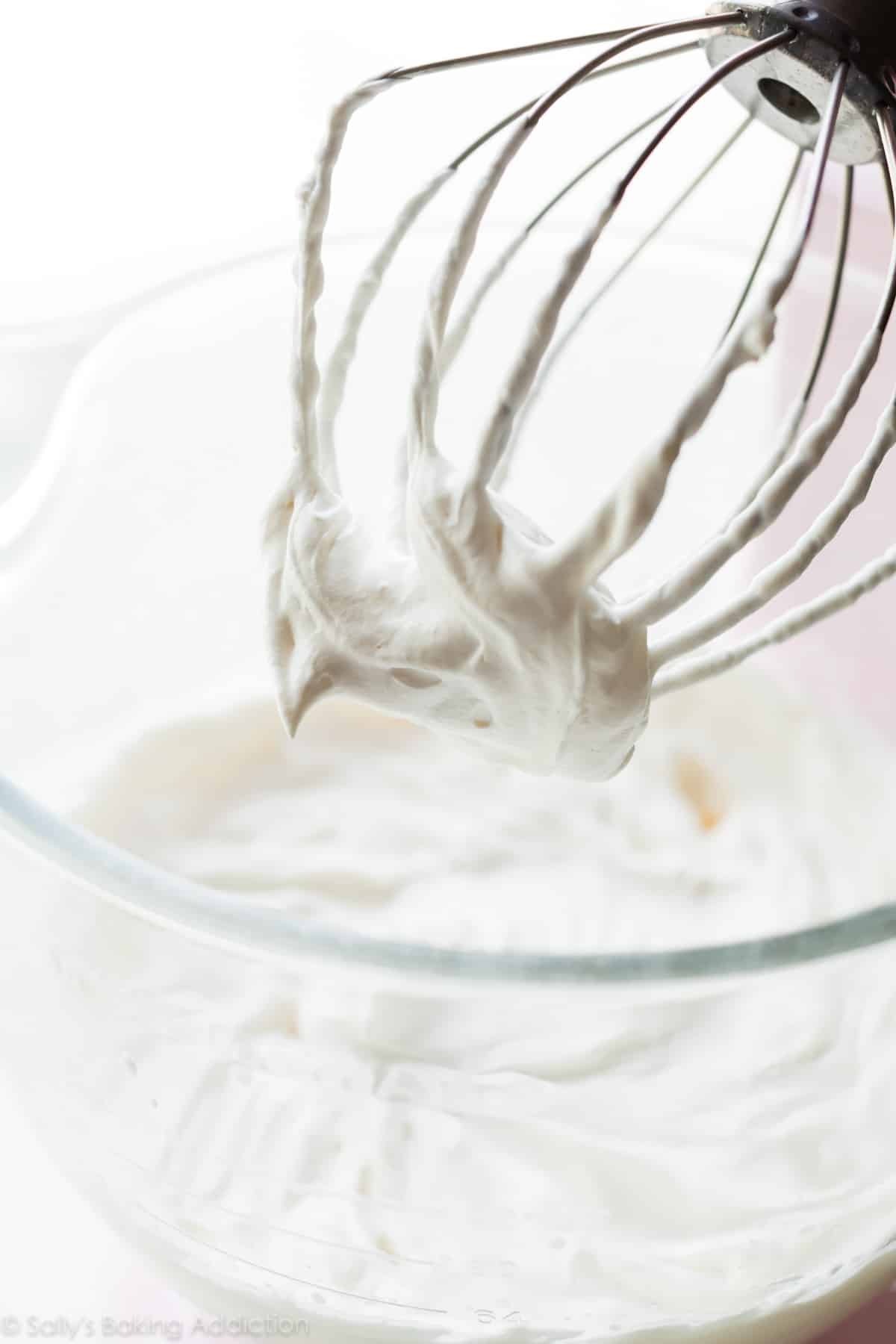
- Soft Peaks: The cream will hold its shape loosely, and a lifted whisk will show a peak that gently folds over. Ideal for light, airy textures on fruit or hot chocolate.
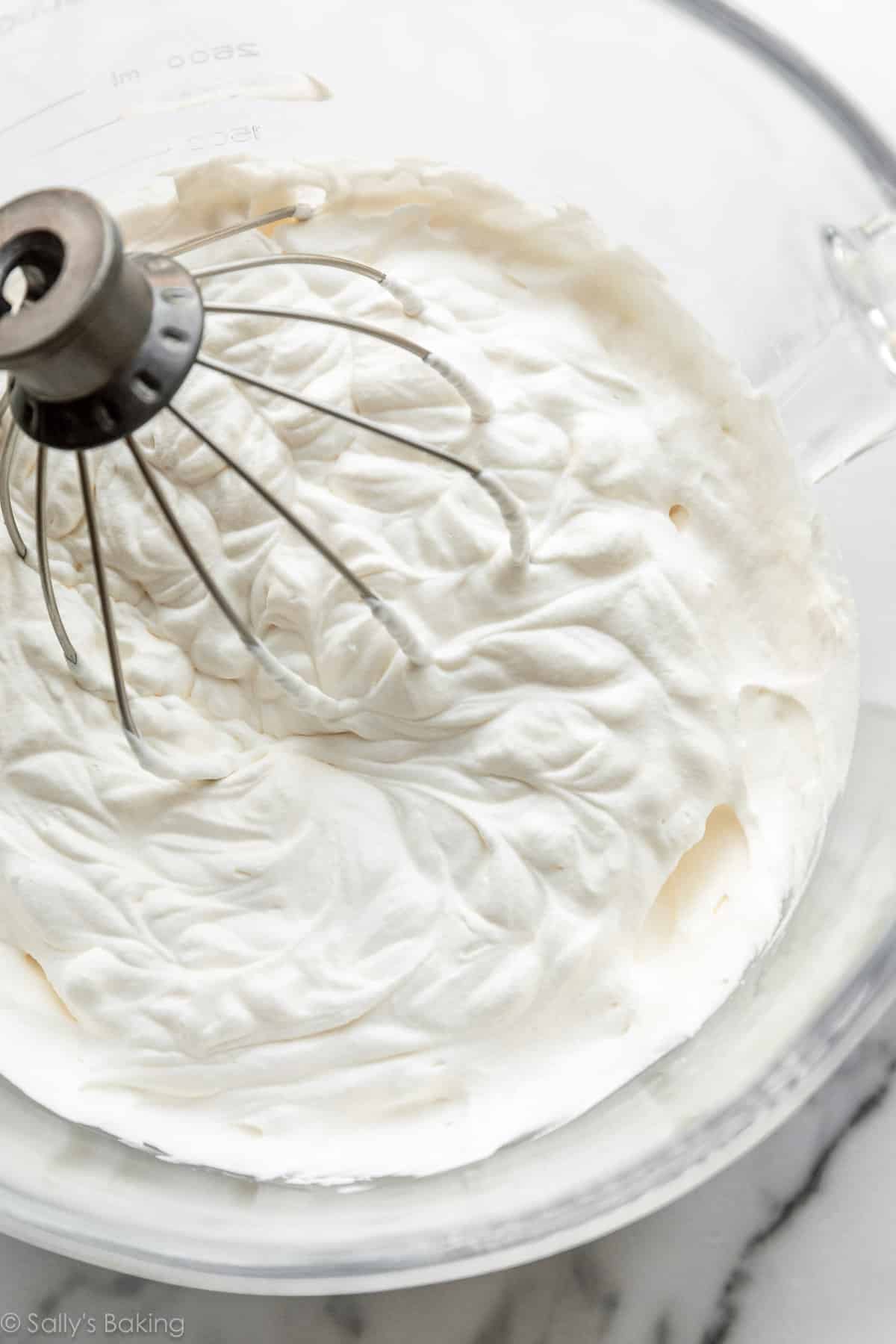
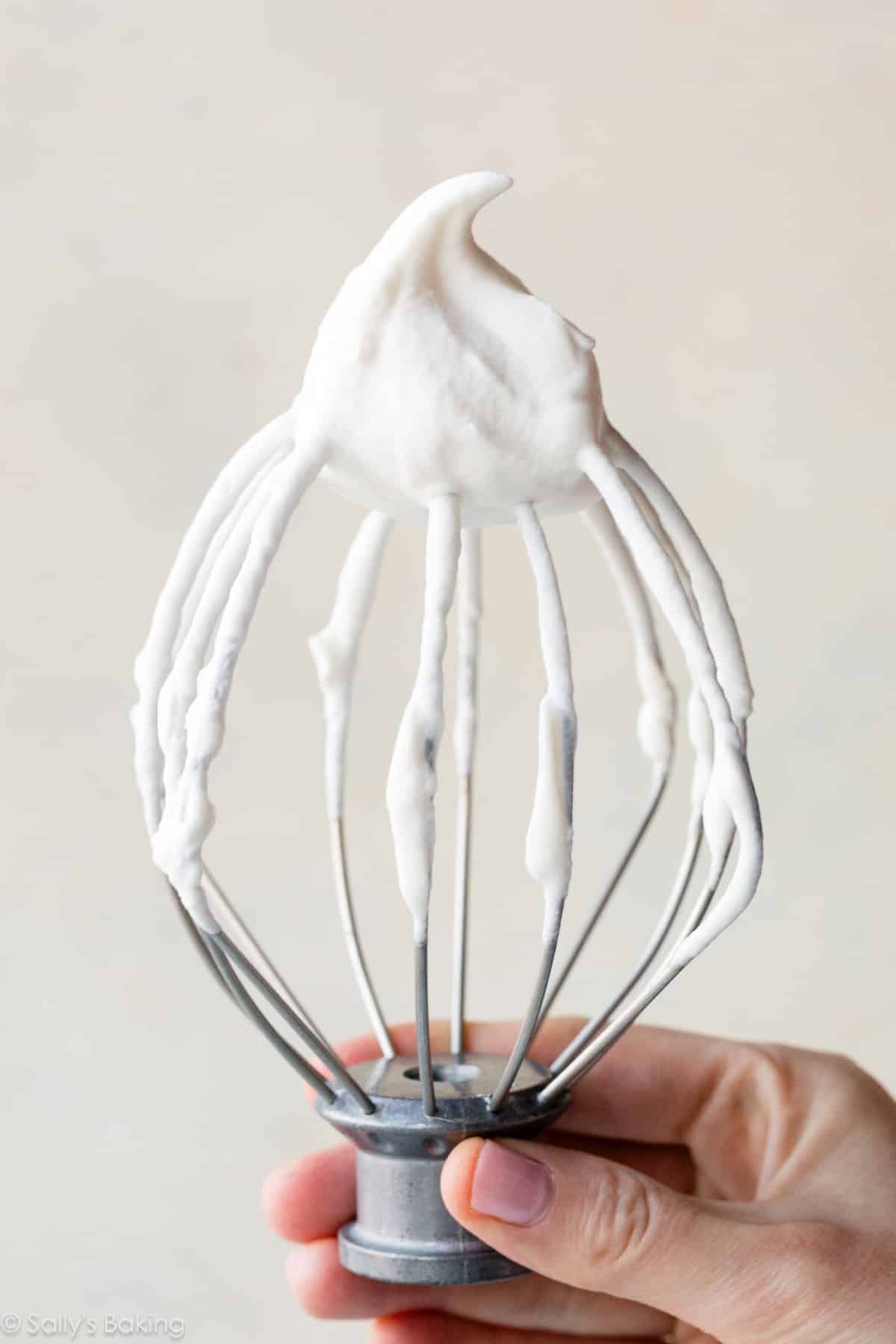
- Medium Peaks: The cream will hold its shape more firmly, and a lifted whisk will show a peak with a slight curl at the tip. This is a versatile stage, suitable for most dessert toppings.
- Stiff Peaks: The cream will be firm and hold its shape perfectly, with a lifted whisk showing a peak that stands straight up. This stage is best for piping intricate decorations or when maximum stability is required.
- Monitoring: The entire process typically takes only a few minutes (3-5 minutes with an electric mixer, longer by hand). Constant monitoring is vital, as the transition from perfectly whipped to over-whipped can happen very quickly.
-
Avoiding Pitfalls: Over-Whipping and Runny Cream: Two common issues can arise during whipped cream preparation:
- Over-Whipped Cream: If the cream is whipped beyond stiff peaks, the fat globules will clump together excessively, expelling water and resulting in a curdled, grainy texture resembling cottage cheese. If this occurs, it can often be salvaged by gently folding in a small amount of additional cold liquid heavy cream by hand with a spatula until the texture smooths out. However, if severely over-whipped, it can progress to butter.
- Runny Whipped Cream: This is typically caused by insufficient chilling, inadequate fat content in the cream, or insufficient whipping time. Ensuring the cream and equipment are very cold and using heavy cream with at least 36% milk fat are critical preventative measures. Whipping until at least medium peaks are formed will provide the necessary structure.
Beyond the Basics: Versatility and Flavor Innovations
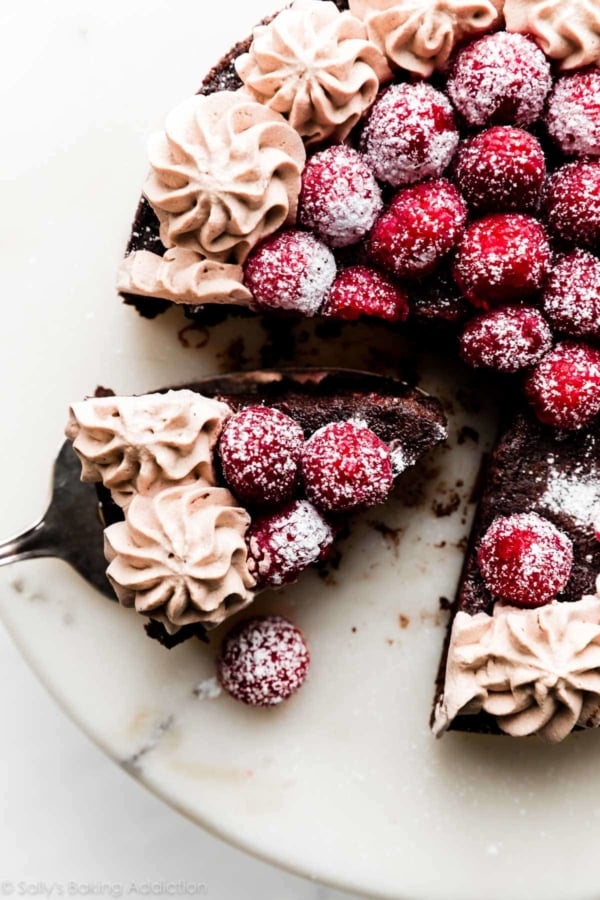
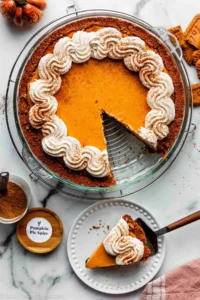
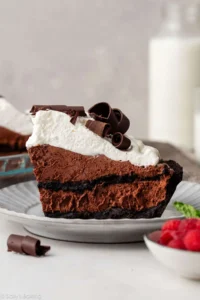
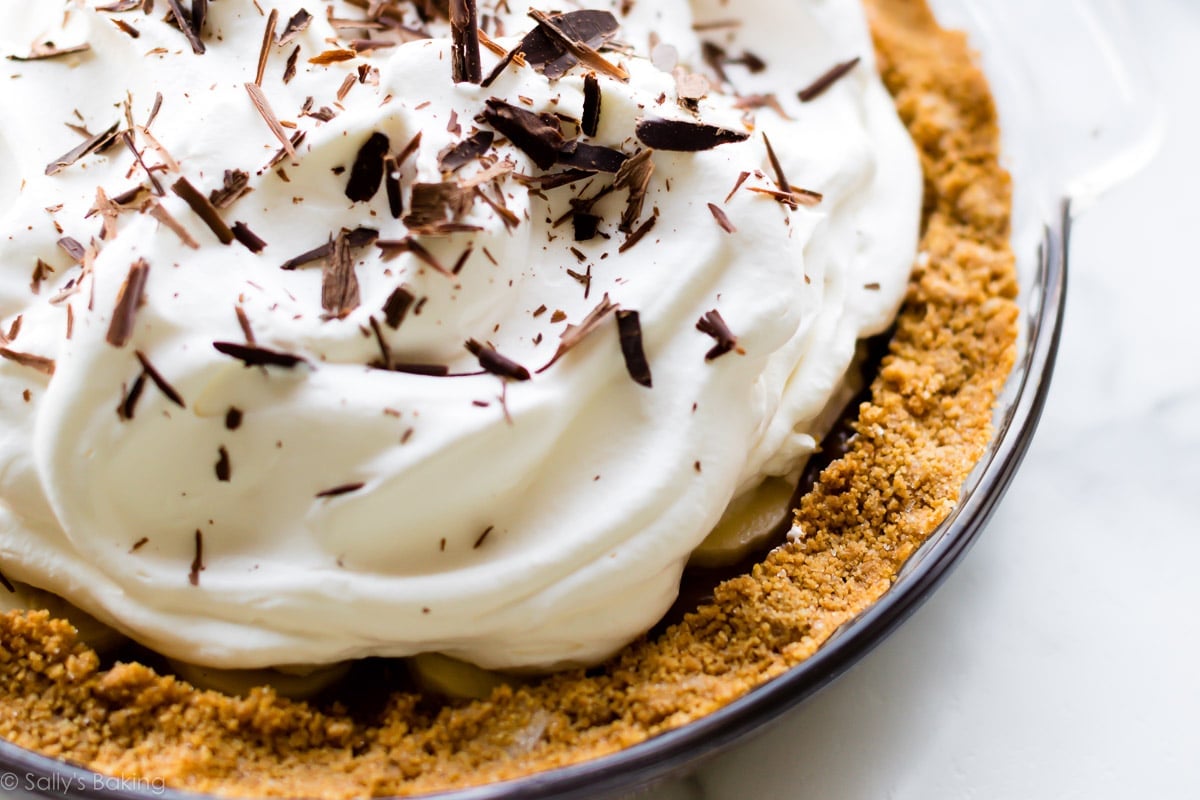
The application of homemade whipped cream extends far beyond a simple dollop. Its light, luxurious texture complements a vast array of desserts, enhancing both flavor and visual appeal. From classic pairings like strawberry shortcake and fruit tarts to more robust desserts such as chocolate lava cake and pumpkin pie, whipped cream provides a crucial textural and flavor counterpoint. It’s an indispensable component for layered desserts like trifles and parfaits, and a delightful addition to morning fare like waffles and pancakes.
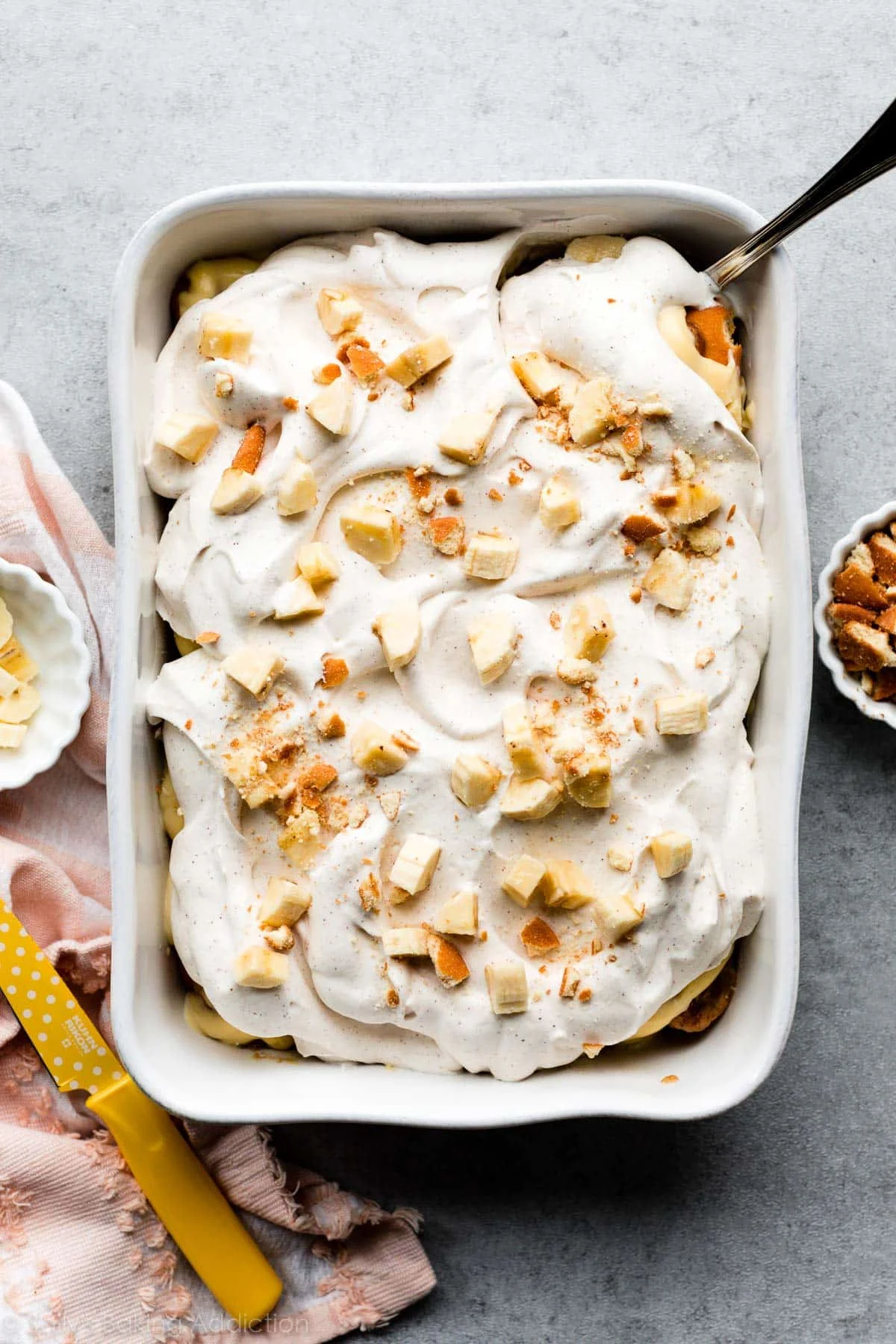
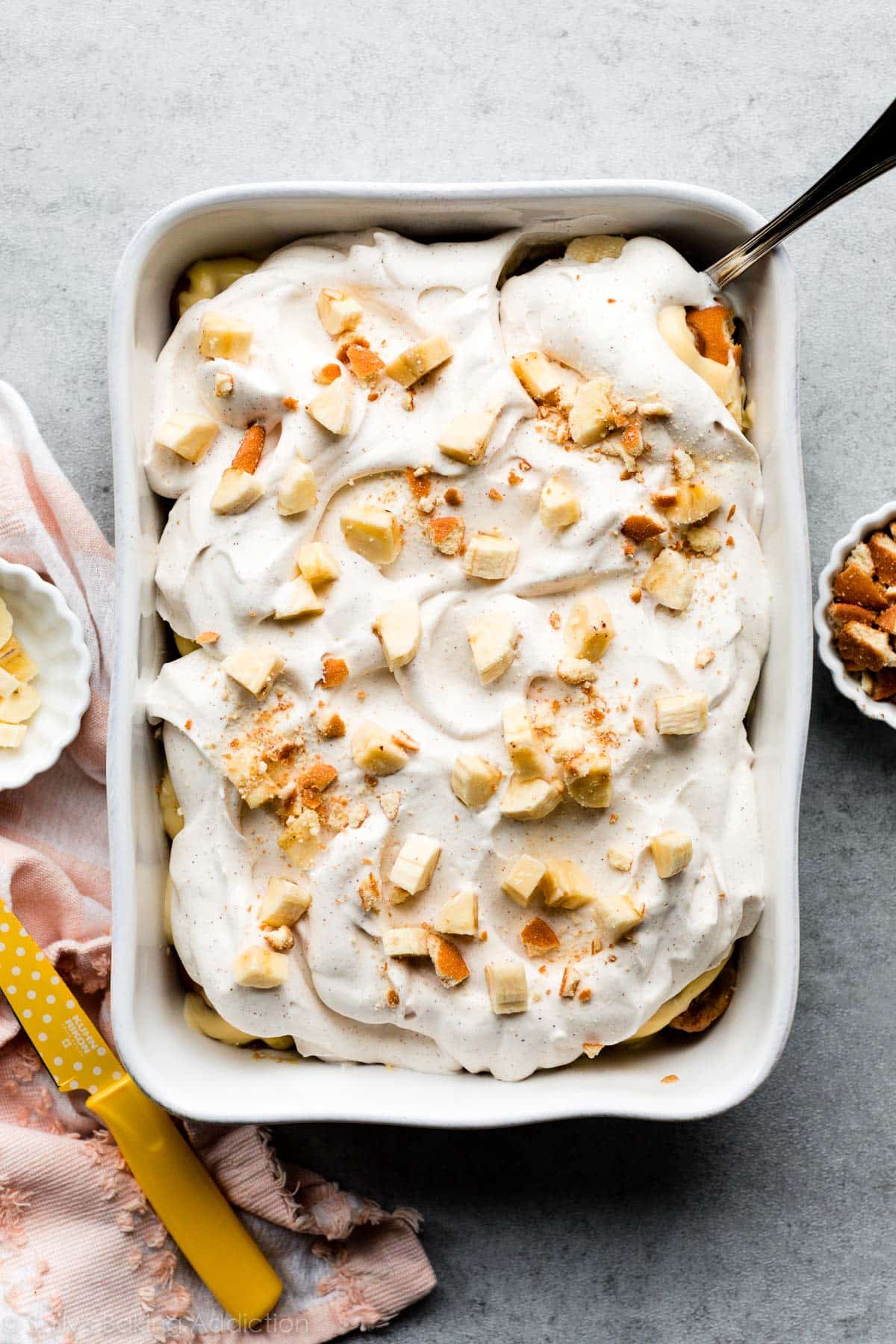
Beyond traditional vanilla, the world of flavored whipped cream offers endless creative possibilities. A splash of tequila and lime zest can transform it into a zesty topping for mini margarita cheesecakes. Incorporating strawberry puree or finely chopped strawberries yields a vibrant, fruity cream perfect for strawberry shortcake cupcakes. Almond extract lends a delicate nutty note, ideal for berry icebox cakes. For a sophisticated touch, espresso powder and cocoa powder can create a mocha-flavored whipped cream, a stunning complement to flourless chocolate cake or mocha chocolate pudding pie. Other imaginative additions include cinnamon (as seen on caramelized banana pudding), citrus zests (lemon, orange), various liqueurs (like Grand Marnier or Kahlúa), spices such as nutmeg or cardamom, or even a hint of rosewater for an exotic flair. Serious Eats, for instance, has explored a wide range of flavored whipped cream variations, demonstrating its potential for culinary innovation. For those seeking a more robust, pipeable frosting suitable for layered cakes, a stabilized whipped frosting recipe, which often incorporates cream cheese or gelatin, provides added structure and stability.
Homemade vs. Commercial: A Clear Distinction in Quality

The qualitative difference between homemade whipped cream and its commercial counterparts is substantial, a fact consistently highlighted by culinary enthusiasts and professionals. Store-bought frozen whipped topping (like Cool Whip) and aerosol cans of whipped cream are designed for convenience and extended shelf life, often at the expense of authentic flavor and texture.
- Taste and Texture: Homemade whipped cream boasts an unparalleled freshness, a clean dairy taste, and a light, airy, yet creamy texture that melts exquisitely in the mouth. This contrasts sharply with the often artificial flavor profiles, waxy mouthfeel, and denser, sometimes gummy texture of many commercial products. A primary reason for this superiority is the direct use of real heavy cream, sugar, and pure vanilla extract, devoid of the numerous additives found in store-bought options.
- Ingredients: Commercial whipped toppings frequently contain an extensive list of ingredients, including hydrogenated oils, corn syrup, artificial flavors, emulsifiers (like polysorbate 60), and stabilizers (such as xanthan gum or cellulose gum). These components are engineered to maintain structure and shelf life but detract from the natural dairy experience. Homemade whipped cream, on the other hand, consists solely of heavy cream, sugar, and vanilla, aligning with a growing consumer preference for clean-label, minimally processed foods.
- Nutritional Aspect: While both homemade and commercial whipped creams are calorie-dense, homemade versions offer a transparency of ingredients. Consumers know exactly what they are consuming, free from the highly processed fats and artificial additives prevalent in many store-bought alternatives.
Economically, the commercial whipped cream market is a significant segment of the dairy and dessert topping industry, driven by demand for convenience. However, the resurgence of home baking and a focus on quality ingredients signal a counter-trend, with more consumers choosing the superior experience of homemade. For those needing a replacement for commercial whipped topping in recipes, homemade whipped cream can be substituted directly, keeping in mind that heavy cream roughly doubles in volume when whipped (e.g., 1 cup of heavy cream yields about 2 cups of whipped cream).
Storage, Stability, and Troubleshooting
While homemade whipped cream is undeniably at its best when fresh, it can be prepared ahead of time with certain considerations.
- Refrigeration: Whipped cream can be stored in an airtight container in the refrigerator for up to 24 hours. Over time, it may lose some of its volume and become slightly less stable. A gentle whisking by hand for a few seconds before serving can often restore its fluffiness.
- Freezing: For longer storage, whipped cream can be frozen for up to three months. It can be frozen directly in a freezer-safe container, or for convenience, piped or dolloped onto a parchment-lined baking sheet and frozen until solid. Once frozen, the individual dollops can be transferred to a freezer bag or container, making them perfect for topping hot beverages like coffee or hot chocolate.
- Troubleshooting Runny Cream: The most common causes for runny whipped cream are insufficient chilling of the cream and equipment, or using a cream with inadequate fat content (e.g., half-and-half or milk, which lack the necessary fat percentage to whip). Always ensure heavy cream or heavy whipping cream is used, and that all components are thoroughly chilled before and during the whipping process.
Broader Implications: Culinary Trends and Economic Footprints
The sustained popularity of homemade whipped cream is more than just a culinary preference; it reflects broader shifts in consumer behavior and the food industry. The emphasis on natural ingredients, transparency, and the pleasure of "from-scratch" cooking aligns with contemporary trends favoring artisanal and homemade products over highly processed alternatives. This movement has subtle economic implications, supporting dairy farmers and local markets by promoting the consumption of fresh cream. Furthermore, the act of preparing homemade whipped cream embodies a return to foundational cooking skills, fostering a sense of accomplishment and connection to food preparation. It transforms even the simplest dessert into a special occasion, underscoring the idea that true luxury often lies in quality, freshness, and mindful preparation rather than elaborate complexity.
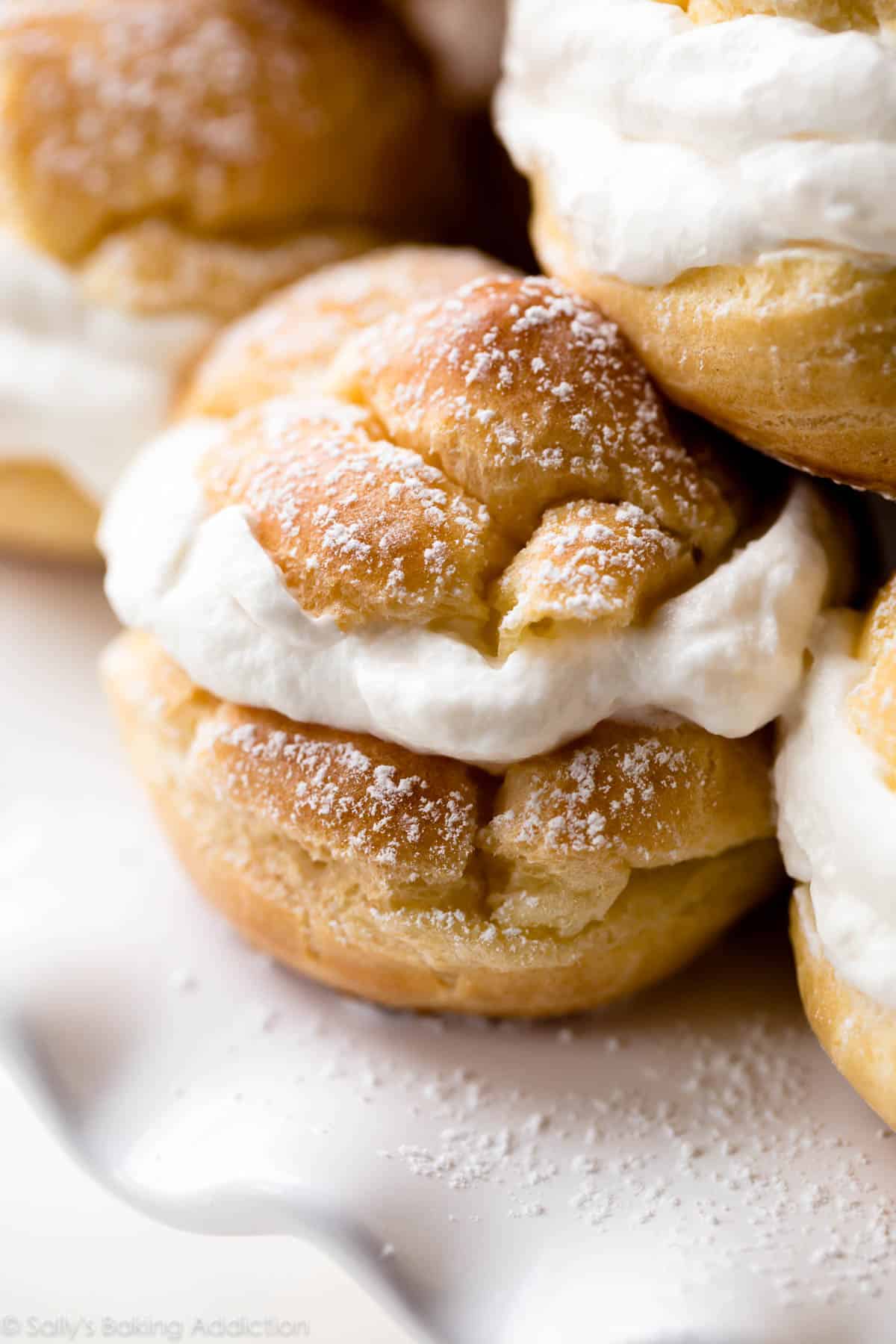
In conclusion, homemade whipped cream, whether it’s the classic crème chantilly or a creatively flavored variation, remains an indispensable element in the world of desserts. Its simplicity of ingredients and preparation belies its profound impact on taste and texture, offering a superior experience that mass-produced alternatives simply cannot replicate. As home bakers continue to prioritize quality and authenticity, the timeless appeal of this light, creamy, and endlessly versatile topping is set to endure, solidifying its place as a cornerstone of culinary delight.