
As temperatures rise and days lengthen, a distinct shift occurs in culinary preferences, gravitating towards meals that are bright, fresh, and require minimal time in a heated kitchen. This seasonal transformation in dining habits is driven primarily by the abundance of peak-season produce and a collective desire for lighter, more vibrant flavors. The allure of summer cooking is not merely about convenience; it is a celebration of nature’s bounty, transforming simple ingredients like juicy tomatoes, sweet corn, crisp cucumbers, and aromatic fresh herbs into dishes that taste as though they were painstakingly crafted, yet often come together with remarkable speed. This phenomenon underpins a widespread embrace of recipes designed for repetition, offering a dependable repertoire for families seeking delicious, healthy, and uncomplicated meals throughout the warmer months.
The fundamental appeal of summer cuisine lies in the inherent quality of its star ingredients. Tomatoes, bursting with sun-ripened sweetness and acidity, form the backbone of countless summer dishes, from simple salads to complex sauces. Corn, harvested at its peak, offers a sugary crunch whether grilled, boiled, or incorporated into salsas and pastas. Cucumbers provide a refreshing crispness, essential for cooling salads and light sides. Complementing these vegetables are a diverse array of fresh herbs—basil, cilantro, mint, and dill—which elevate flavors without the need for heavy spices or prolonged cooking. These elements collectively minimize the culinary effort, allowing the natural brilliance of the produce to shine. For many home cooks, this means less time tending to stoves and ovens, and more time enjoying the season outdoors, a cultural practice deeply embedded in the summer experience.

The Zenith of Seasonal Produce: A Culinary Deep Dive
The arrival of summer marks a pivotal moment for agriculture and gastronomy. Farmers’ markets overflow with produce cultivated locally, offering varieties often unavailable during other times of the year. This direct access to fresh, ripe ingredients not only enhances flavor but also supports local economies and reduces the carbon footprint associated with long-distance transportation. The intense flavor profile of summer vegetables and fruits is attributed to their natural maturation process under optimal sunlight, which maximizes sugar content and nutrient density. For instance, an heirloom tomato picked at its prime offers a complexity of flavor far beyond its hothouse counterparts, boasting a balance of umami, sweetness, and tang that requires little embellishment. Similarly, sweet corn, when eaten soon after harvest, retains a saccharine juiciness that can diminish rapidly with time.

The role of fresh herbs is equally critical. Basil, with its peppery sweetness, is a quintessential partner to tomatoes in Italian-inspired dishes. Cilantro introduces a bright, citrusy note, indispensable in Mexican and Southeast Asian cuisines. Mint provides a refreshing coolness, ideal for salads and drinks. These herbs are not merely garnishes; they are integral flavor components that define the lightness and vibrancy characteristic of summer meals. Their natural aromatics are so potent that they often serve as the primary seasoning, simplifying recipes and highlighting the freshness of other ingredients.
Effortless Gastronomy: The Art of Simple Summer Cooking
The ethos of summer cooking champions simplicity and speed. Recipes that can be prepared in 30 minutes or less become highly valued, allowing individuals and families to prioritize outdoor activities and leisure. This often translates into cooking methods that require minimal oversight, such as grilling, quick sautéing, or assembling fresh components into salads and bowls. The reliance on peak-season produce inherently reduces the need for elaborate sauces or long braising times, as the ingredients themselves provide ample flavor and texture.

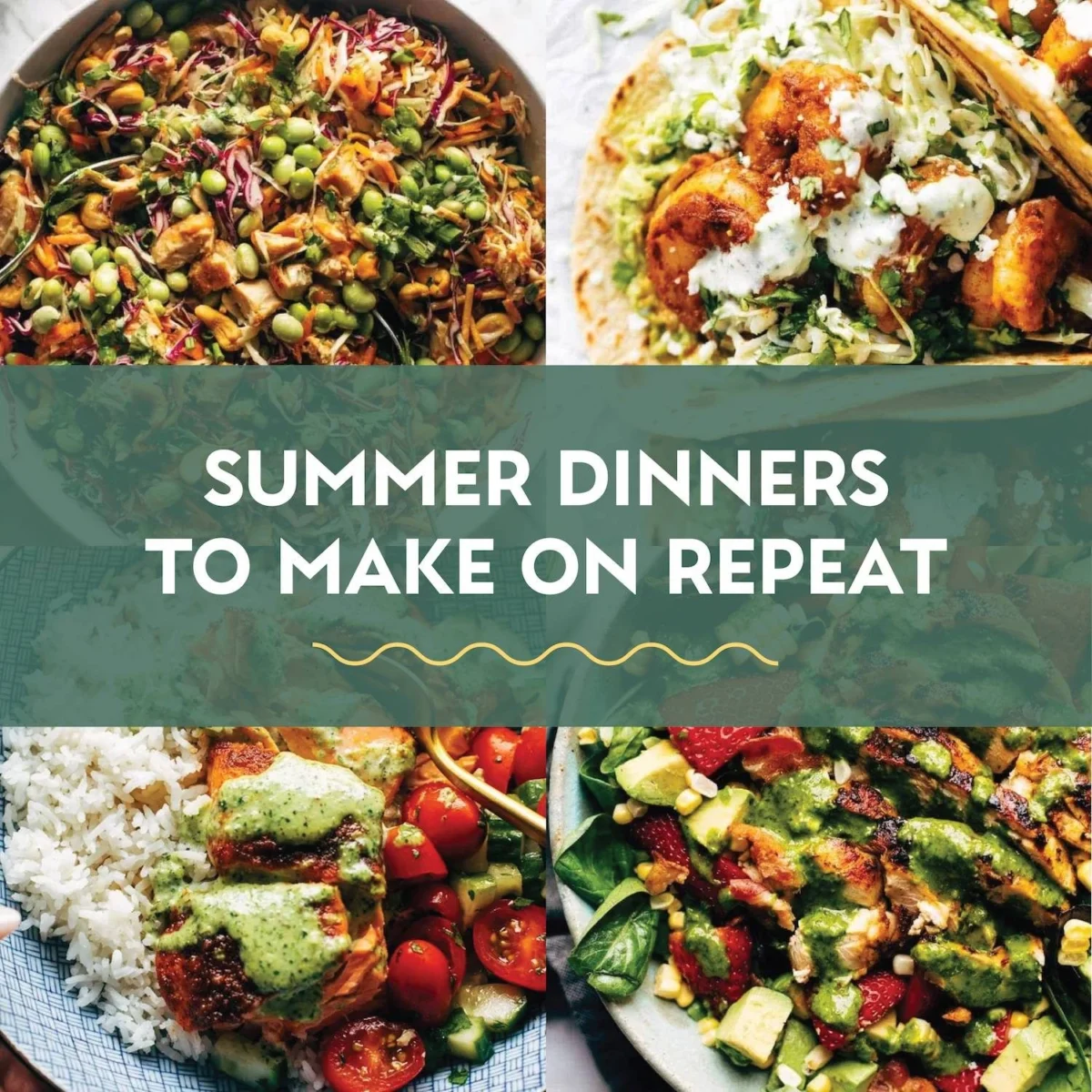
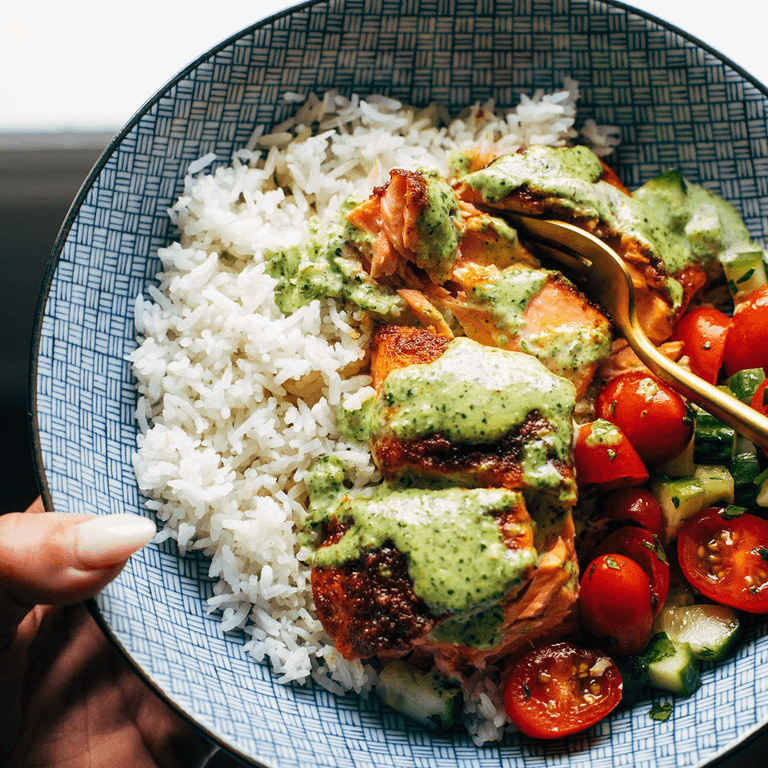
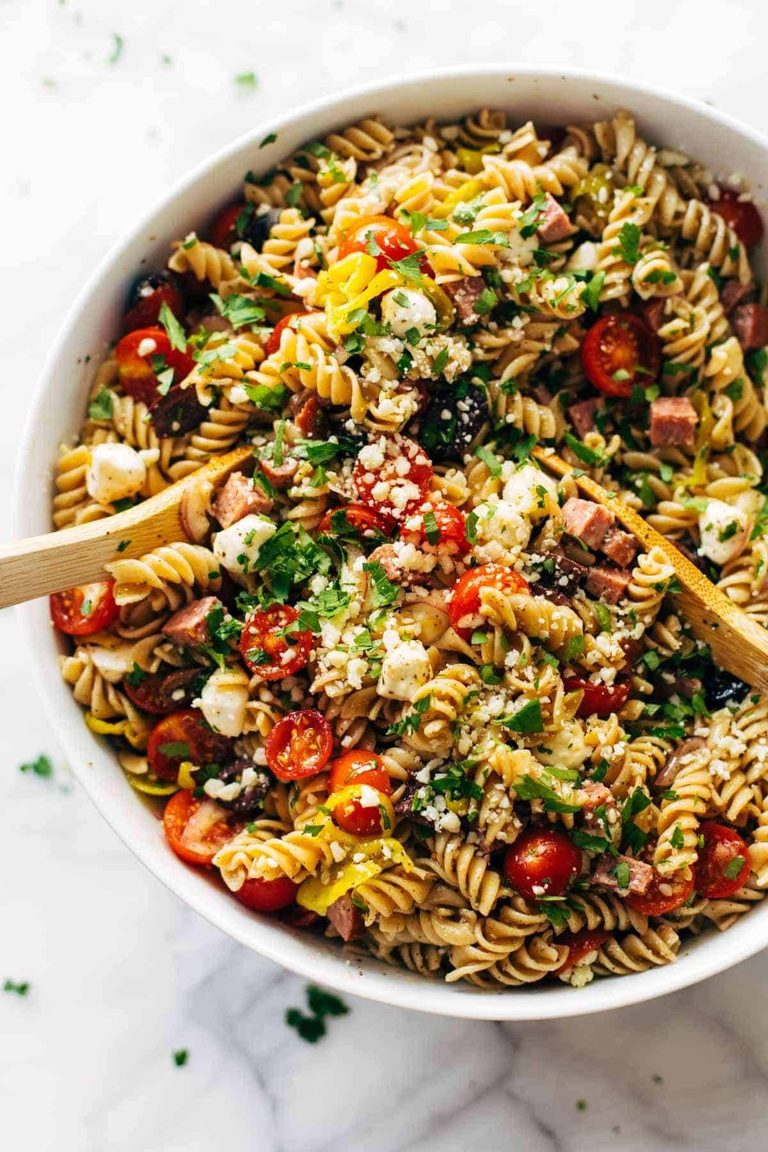
Consider the Salmon with Basil Sauce and Tomato Salad, a dish exemplifying this principle. The salmon, a lean protein, cooks quickly, while a vibrant basil sauce and a simple tomato salad require minimal preparation, resulting in a sophisticated yet effortless meal. Similarly, Spicy Shrimp Tacos with Garlic Cilantro Lime Slaw capitalize on rapid-cooking shrimp and a fresh, zesty slaw, making for a dynamic weeknight dinner. The trend towards "no-cook" or "low-cook" meals, such as The Best Pasta Salad, which combines cooked pasta with fresh mozzarella, tomatoes, salami, and a simple dressing, perfectly aligns with the desire to minimize heat exposure in the kitchen during warm weather.
Health Benefits and Nutritional Advantages
Beyond convenience and flavor, summer dinner recipes often align with significant health and nutritional benefits. Meals rich in fresh produce are typically high in vitamins, minerals, fiber, and antioxidants, while being lower in calories and unhealthy fats. The emphasis on raw or lightly cooked vegetables ensures that heat-sensitive nutrients are preserved. For example, tomatoes are a rich source of lycopene, an antioxidant linked to various health benefits, which is more bioavailable when lightly cooked or consumed with healthy fats. Corn provides dietary fiber and B vitamins, and fresh herbs offer a concentrated dose of antioxidants and anti-inflammatory compounds.

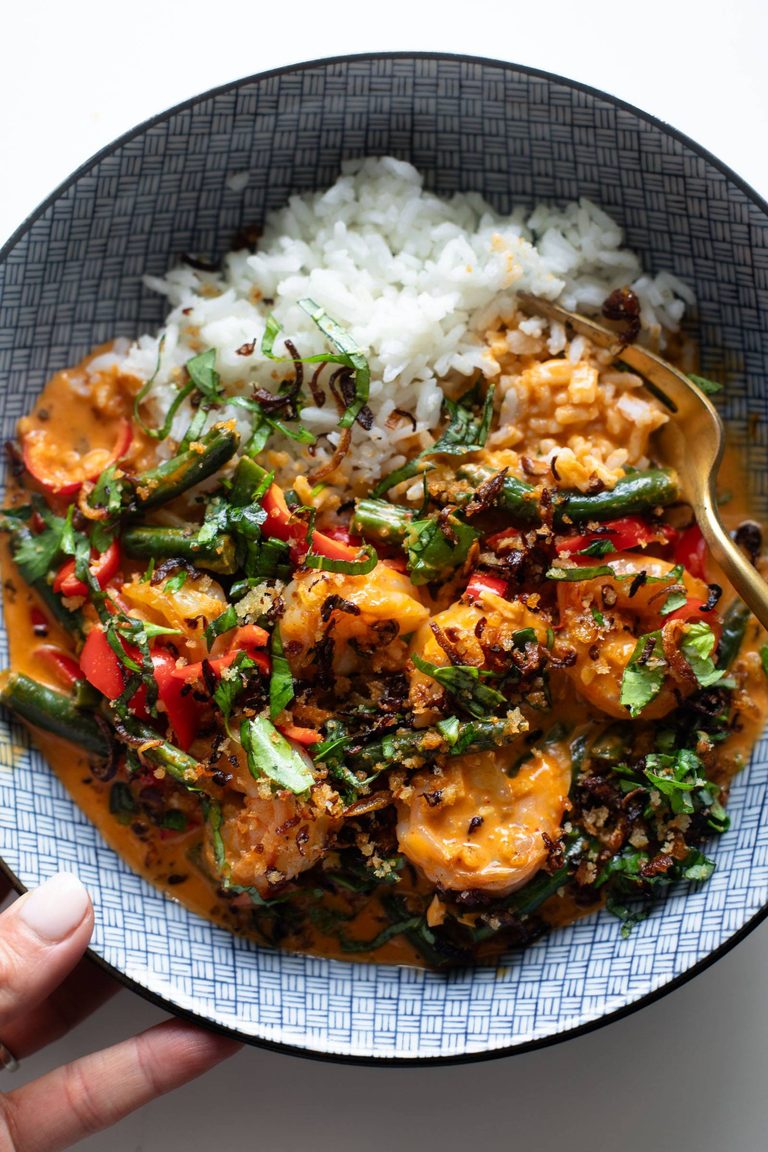
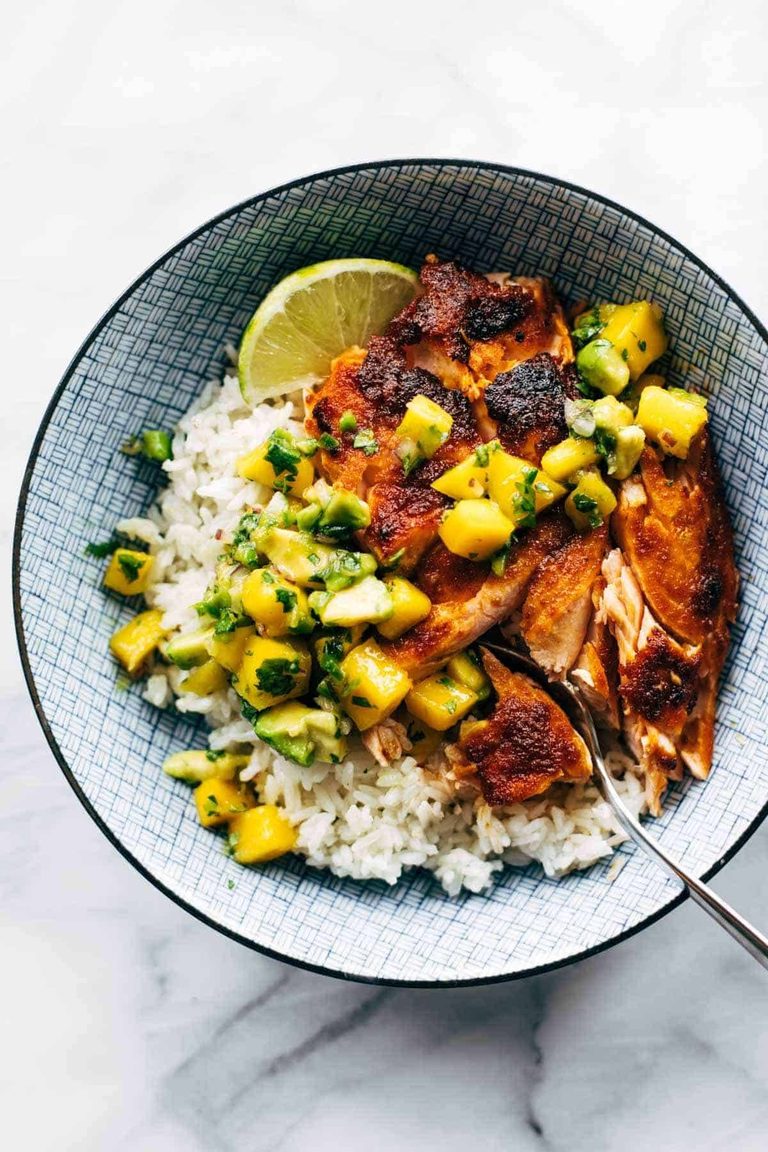
Lighter proteins like fish, shrimp, and chicken are frequently featured, providing essential amino acids without the heaviness of red meats often associated with winter dining. Dishes such as Thai Shrimp Curry with Yummy Shallot Crispies or Chipotle Salmon with Orange Salsa and Aji Verde offer protein-packed options that are both flavorful and nutritionally sound. Furthermore, the abundance of water-rich vegetables like cucumbers and tomatoes contributes to hydration, a crucial aspect of health during hot summer months. Nutritionists consistently advocate for a diet abundant in seasonal fruits and vegetables, highlighting their enhanced nutrient profiles and natural appeal as a means to foster healthier eating habits.
Economic and Environmental Footprint of Seasonal Dining
The preference for summer produce also carries notable economic and environmental implications. Supporting local farmers’ markets and purchasing seasonal ingredients directly contributes to local economies, ensuring fair prices for producers and maintaining agricultural diversity. This "farm-to-table" movement gains significant traction during summer, as consumers become more aware of the provenance of their food.
Environmentally, consuming seasonal and local produce significantly reduces the carbon footprint associated with food transportation and storage. Foods that travel shorter distances require less fuel, and those grown in season often need fewer artificial inputs like heated greenhouses or extensive refrigeration. The Cashew Crunch Salad with Sesame Dressing, for instance, emphasizes fresh vegetables that are typically abundant in summer, embodying the principles of sustainable eating. This approach aligns with broader global efforts towards more sustainable food systems, making summer cooking not just a personal preference but also a conscious environmental choice.
A Culinary Spectrum: Diverse Summer Dishes
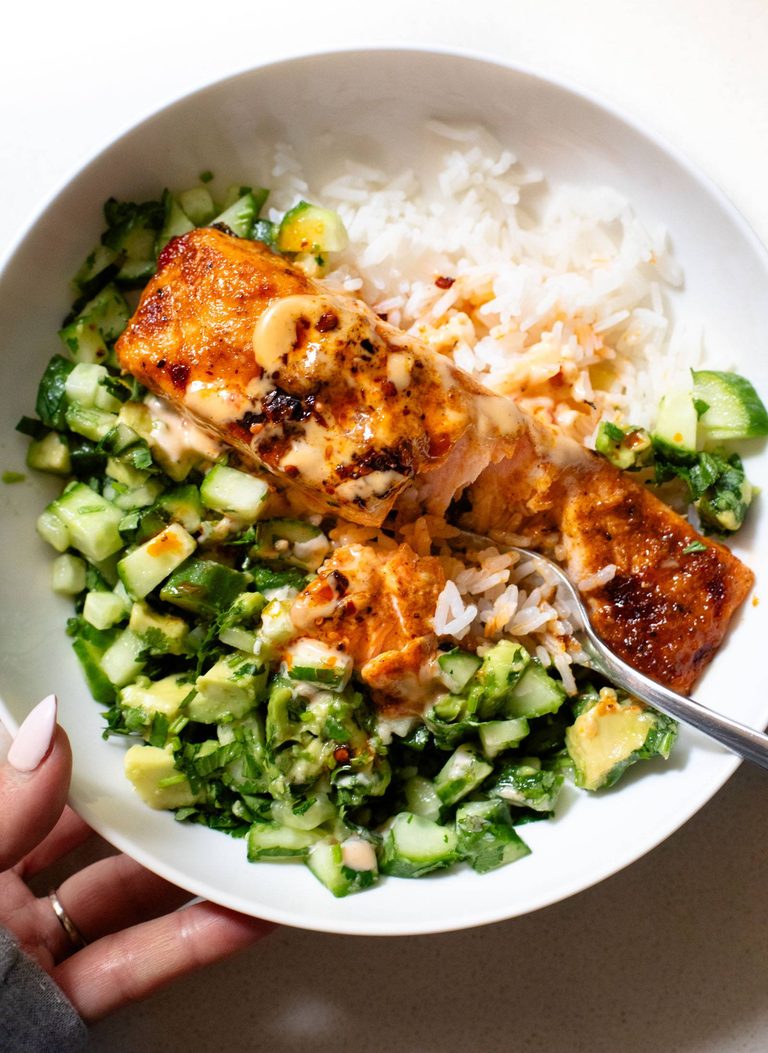
The versatility of summer ingredients allows for an incredibly diverse range of dishes, catering to every palate and occasion.
From the Grill: The Quintessential Summer Method
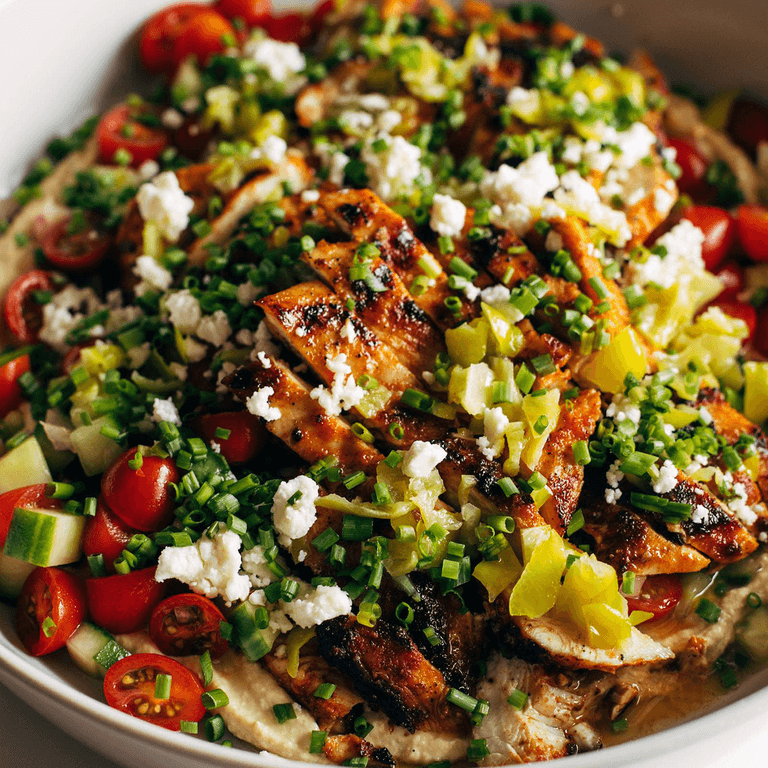
Grilling stands as a hallmark of summer cooking, offering smoky flavors and keeping heat out of the kitchen. Recipes like Grilled Chicken with Pepperoncini Garlic Butter transform simple chicken into a vibrant meal with a tangy, zippy sauce and a fresh tomato cucumber salad. Smash Burgers with House Sauce provide a classic, satisfying option, perfected with a secret sauce and melty cheese. For those seeking a blend of sweet and spicy, Honey Chipotle Chicken Skewers are a crowd-pleaser, easily adaptable for the grill, air fryer, or oven. The act of grilling itself becomes a social event, fostering outdoor gatherings and relaxed dining experiences.
Seafood: Light, Fresh, and Flavorful
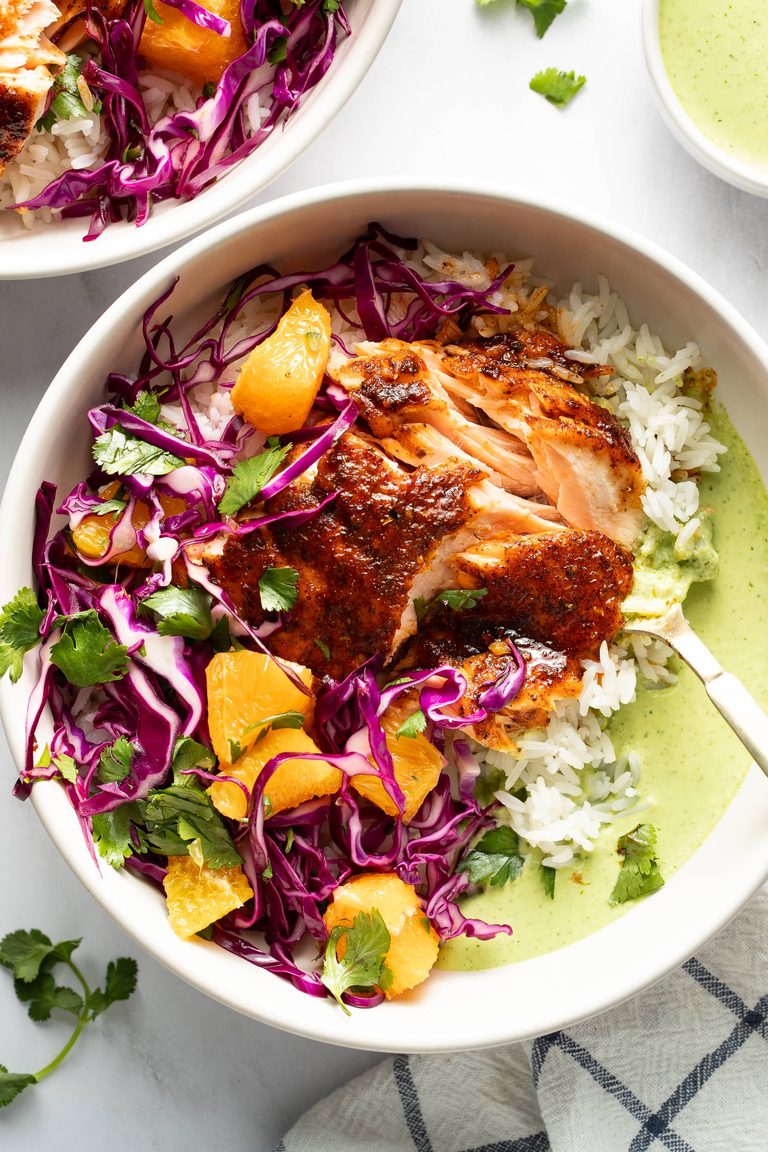
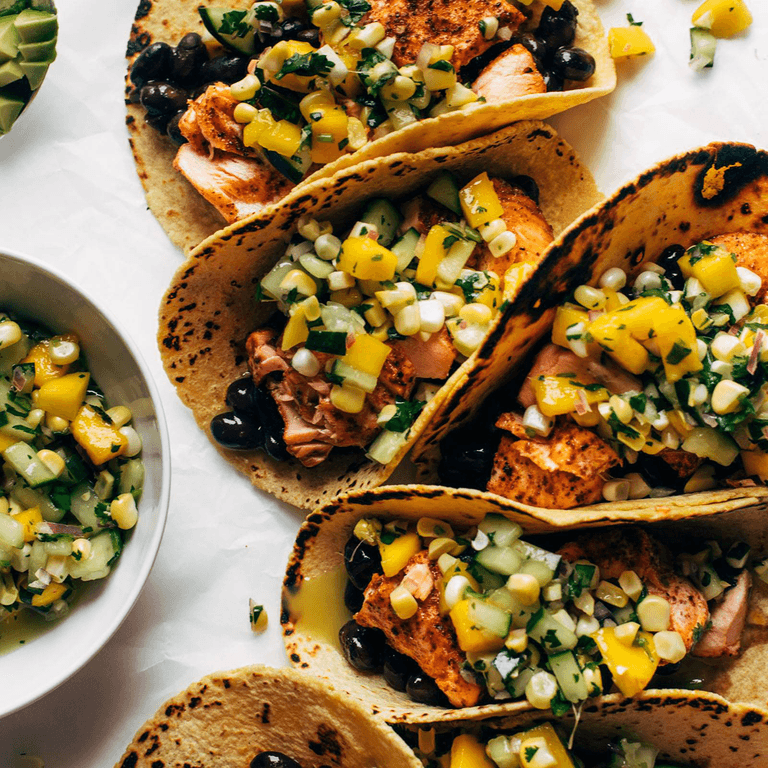
Seafood naturally complements the light character of summer meals. Salmon with Basil Sauce and Tomato Salad highlights the delicate flavor of salmon with a bright, herbaceous dressing. Spicy Shrimp Tacos with Garlic Cilantro Lime Slaw offer a textural and flavor explosion, pairing spicy shrimp with creamy, tangy slaw. For an international twist, Thai Shrimp Curry with Yummy Shallot Crispies delivers incredible depth of flavor in a weeknight-friendly format. Chipotle Salmon with Orange Salsa and Aji Verde introduces a smoky sweetness balanced by a refreshing citrus salsa, proving that restaurant-quality seafood can be achieved at home.
Salads and Bowls: The Epitome of Freshness
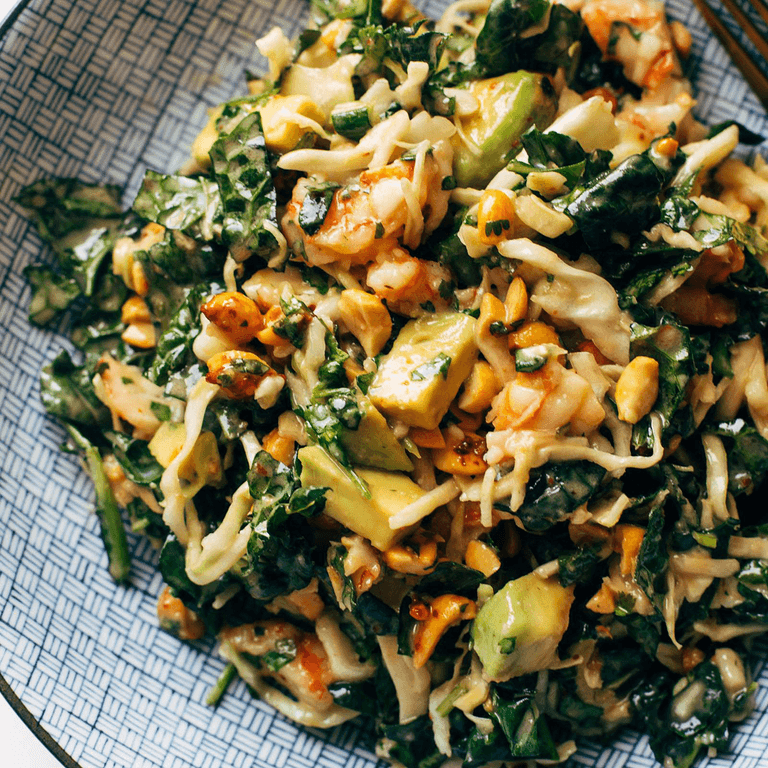
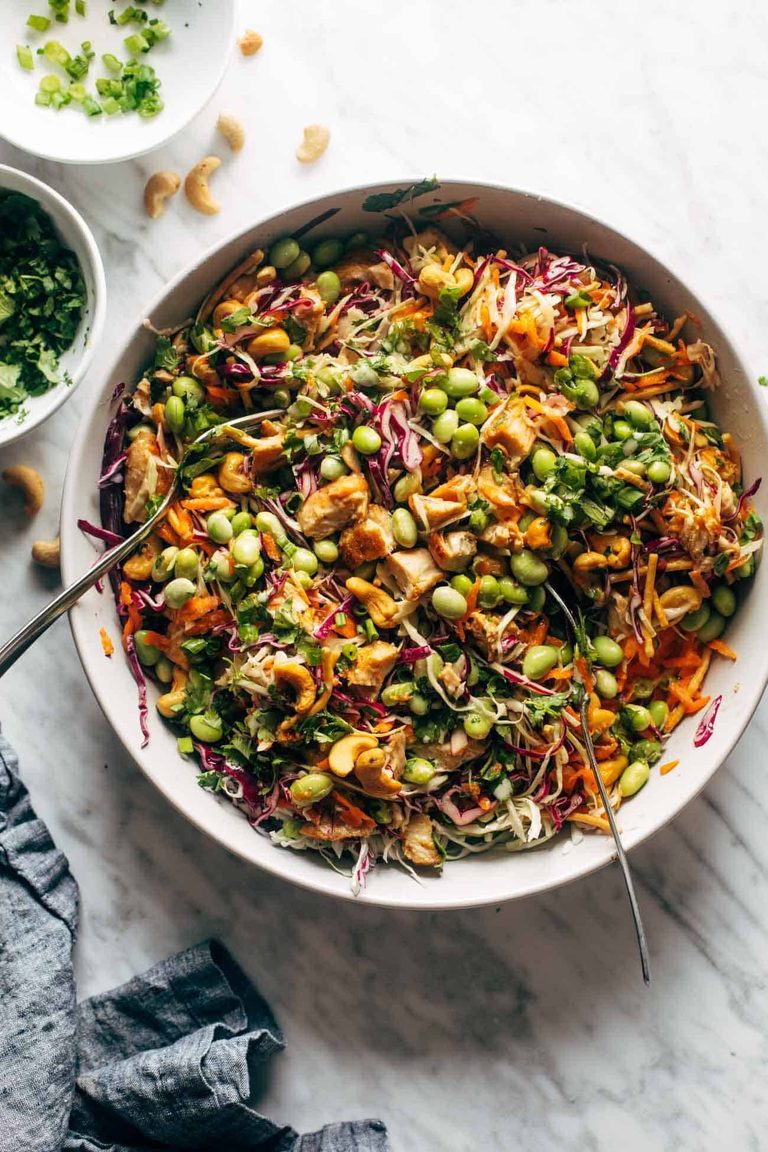
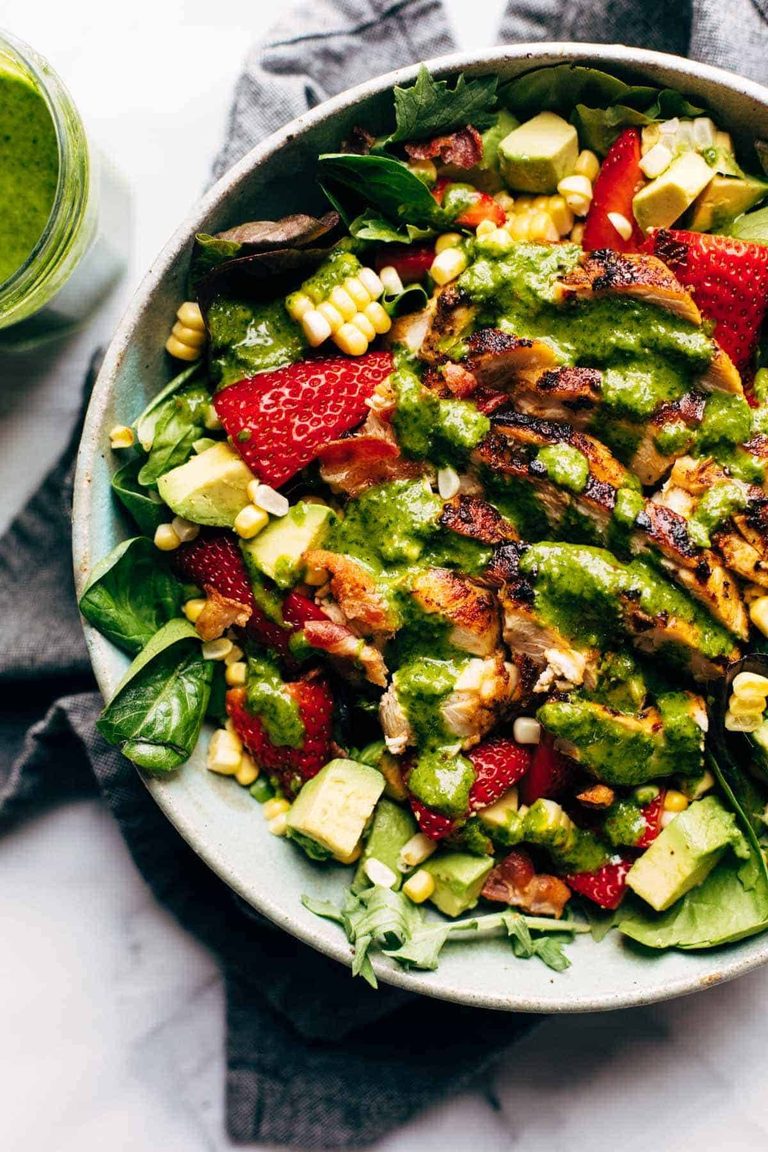
Summer is prime time for salads and bowls, showcasing the freshest ingredients. The Miso Crunch Salad combines shredded cabbage, kale, shrimp, avocado, and chili-flavored peanuts with a sweet miso dressing for a delightful crunch. Cashew Crunch Salad with Sesame Dressing features an array of crunchy vegetables and edamame, made irresistible by its signature dressing. Burger Bowls with House Sauce and Ranch Fries reimagine a classic burger into a deconstructed, healthier bowl format, complete with seasoned fries and all the fixings. Crunchy Roll Bowls offer a deconstructed sushi experience with teriyaki tofu, sticky rice, and fresh vegetables, topped with spicy mayo and crunchy onions. The Summer Chipotle Chicken Cobb Salad with Cilantro Vinaigrette combines spicy chicken with sweet corn, avocado, and fresh strawberries for a unique summer twist on a classic.

Pasta Reimagined for Summer
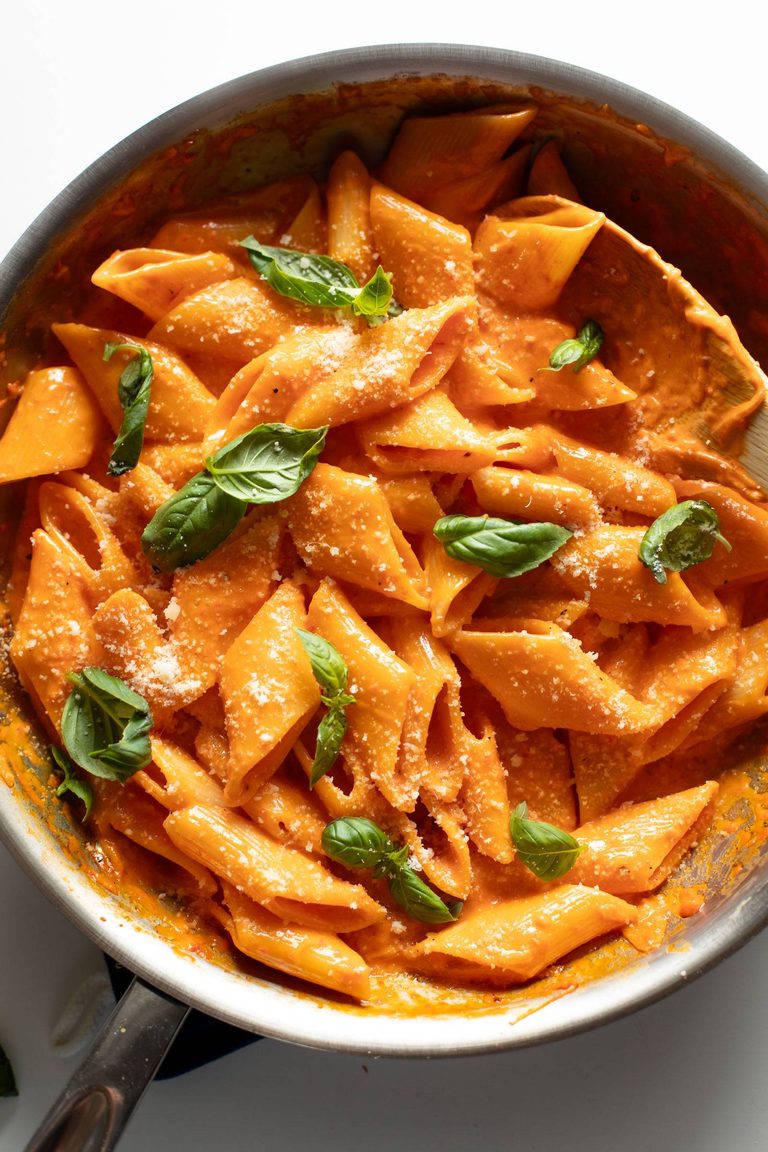
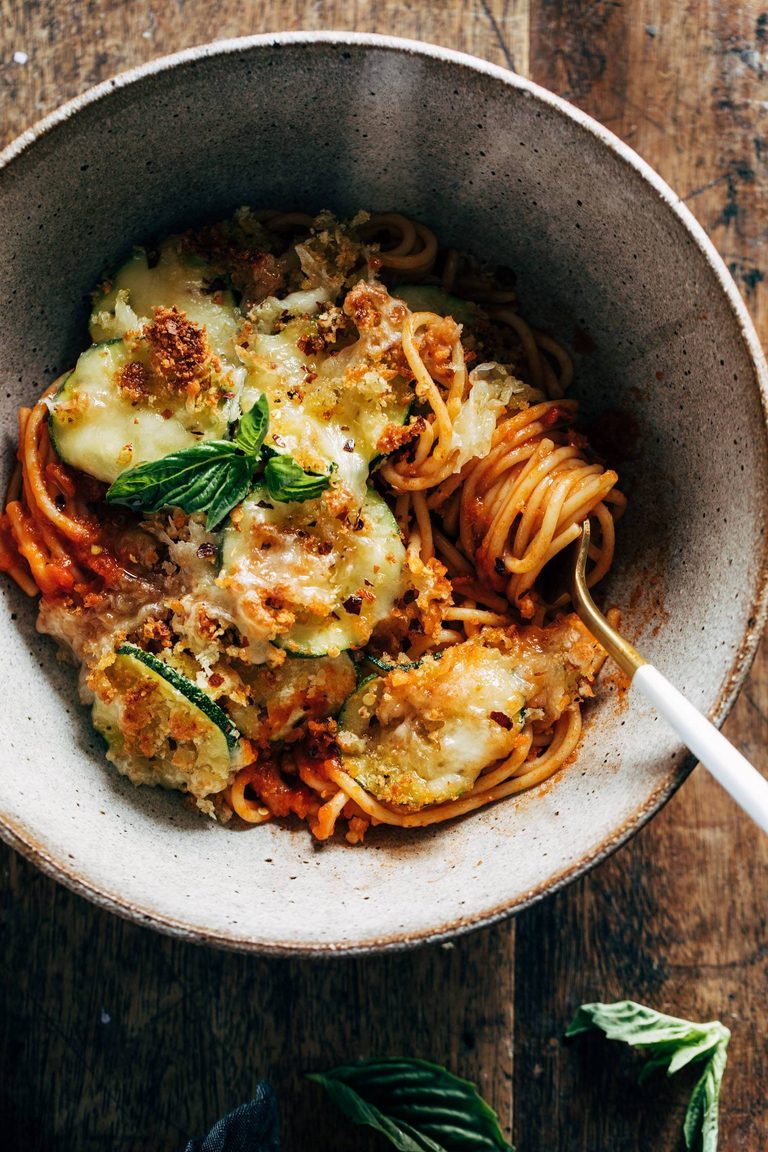
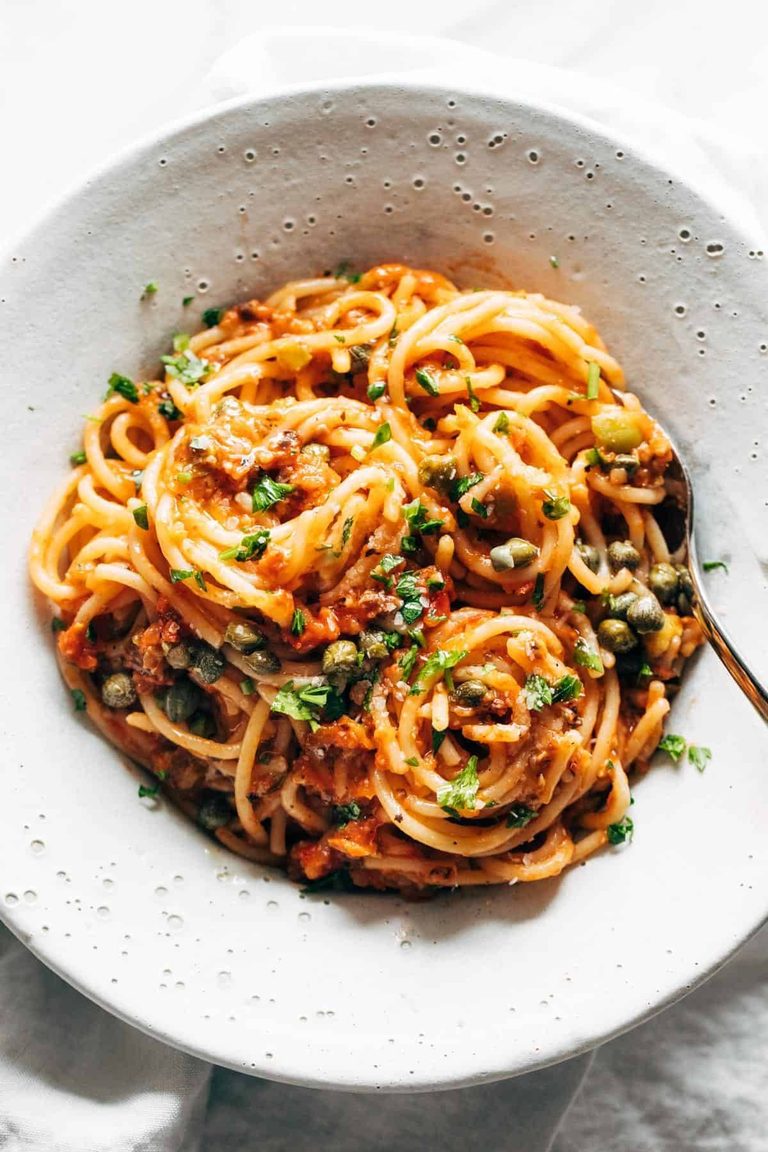
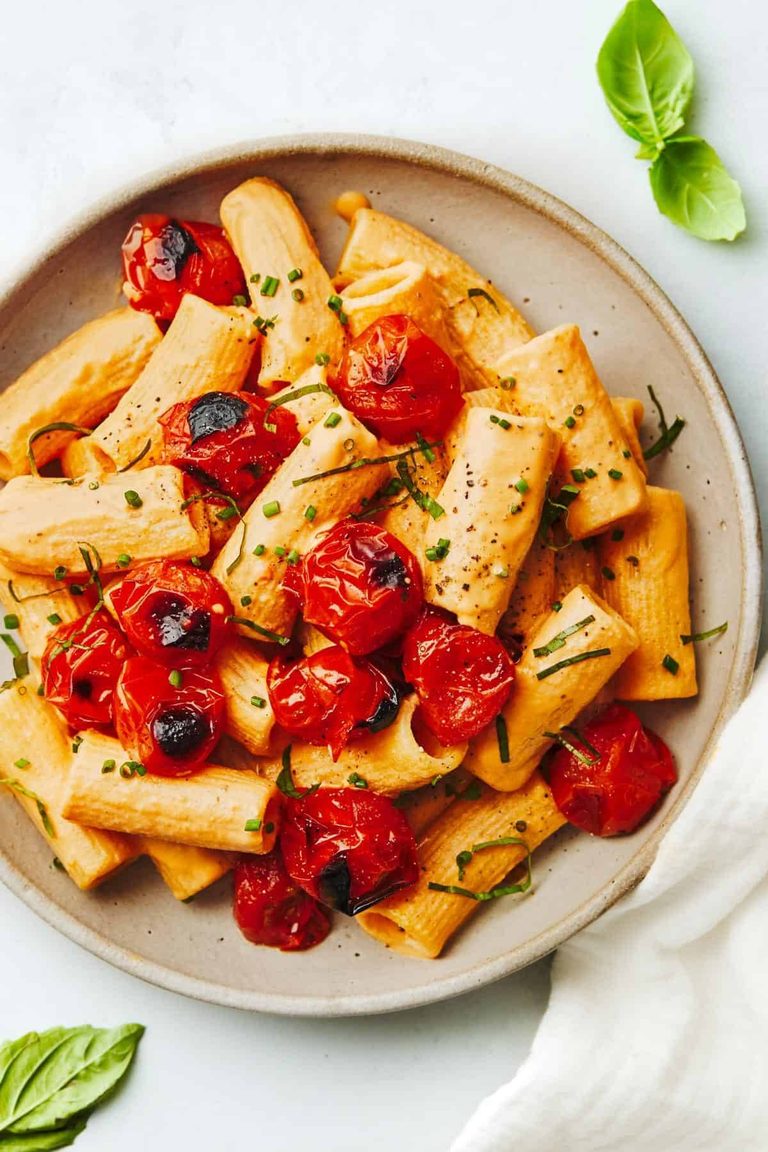
While often associated with heavier sauces, pasta can be brilliantly adapted for summer. Spaghetti with Crispy Zucchini celebrates the prolific summer squash, coating it in a cheesy breading to pair with fresh herbs and pasta. Roasted Red Pepper Pasta delivers a silky, flavorful sauce made from caramelized shallots and roasted red peppers, perfect for a light yet satisfying meal. Roasted Tomato Puttanesca uses the abundance of summer tomatoes to create a vibrant, briny, and fresh sauce. Creamy Vegan Red Pepper Pasta with Blistered Tomatoes offers a plant-based option, achieving creaminess without dairy, and enhanced by juicy blistered tomatoes. Burst Tomato Pappardelle with Zucchini, Sweet Corn, and Pan-Fried Chicken is a testament to how summer vegetables can transform pasta into a truly seasonal delight.
Global Flavors with a Summer Twist
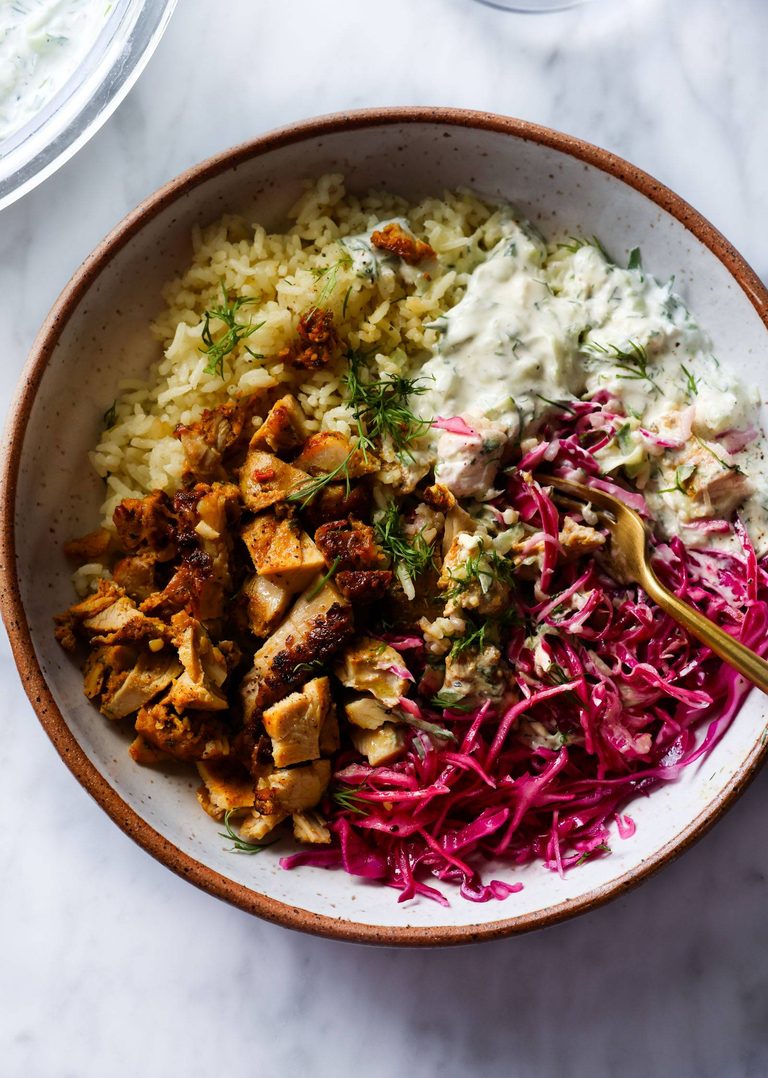
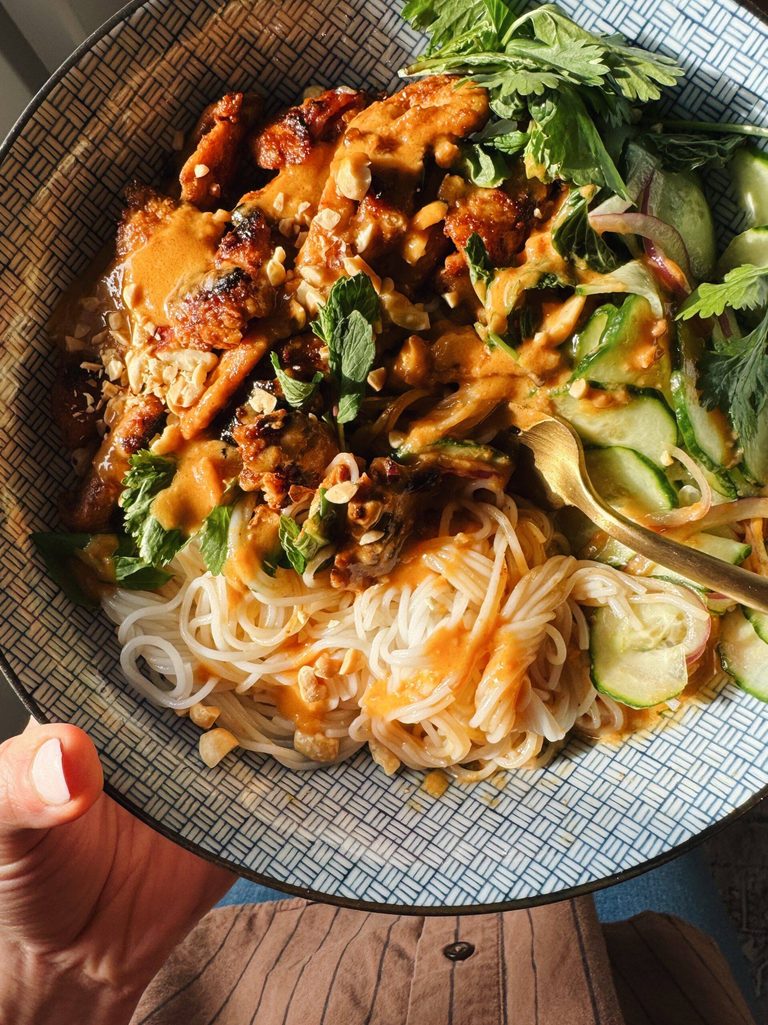
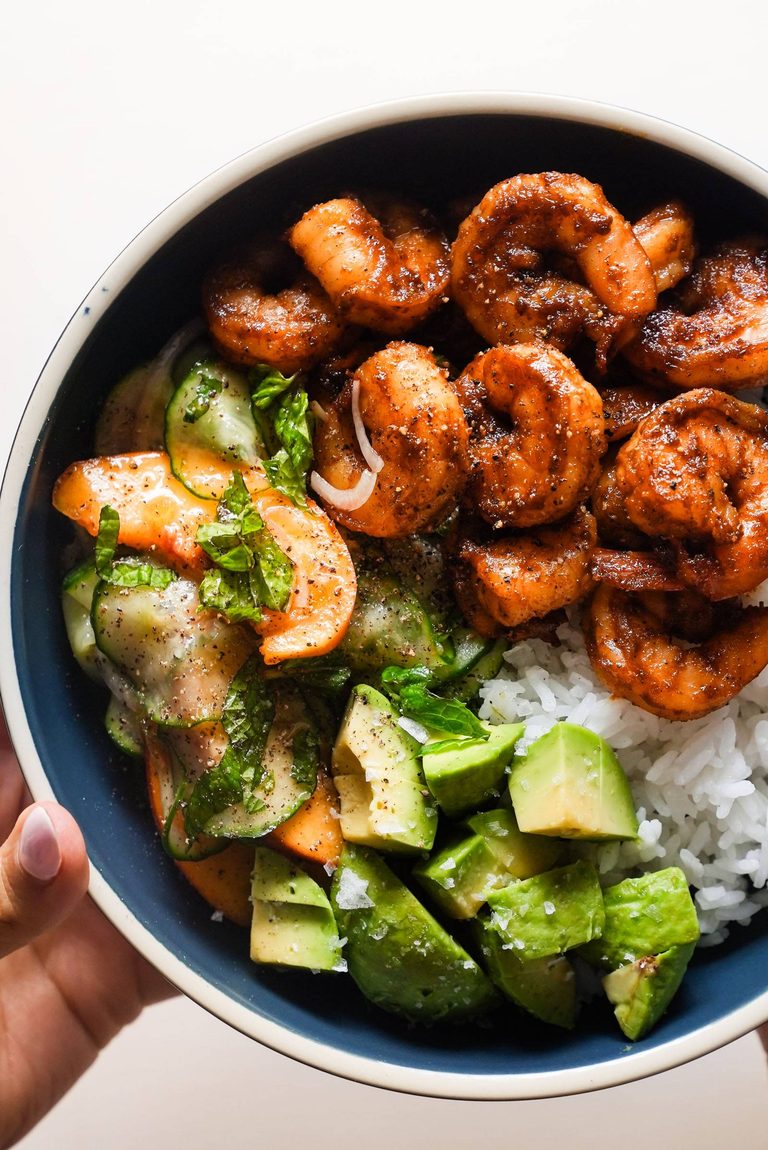
Summer ingredients seamlessly integrate into international cuisines, offering exciting new flavor profiles. Thai Peanut Chicken Bowls feature caramelized peanut chicken with vermicelli noodles and a fresh cucumber salad. Trader Joe’s Chicken Shawarma with Lemon Rice provides a quick and flavorful weeknight meal, enhanced by a creamy feta sauce. Spicy Shrimp Veracruz marries juicy shrimp with a zesty, briny pepper and tomato sauce, perfect over rice. Gochujang Chicken Burgers with Kimchi Bacon Jam offer a bold, umami-rich burger experience, marrying sweet, spicy, and savory notes. These dishes highlight the adaptability of summer produce to global culinary traditions, making for diverse and exciting dining.

Expert Perspectives and Consumer Trends
Culinary experts consistently emphasize that the true genius of summer cooking lies in restraint and respect for ingredients. Chefs like Alice Waters, a pioneer of the farm-to-table movement, have long championed the philosophy of letting high-quality, seasonal produce speak for itself, requiring minimal intervention. Food critics often laud dishes that showcase the unadulterated flavors and textures of peak-season ingredients, recognizing the skill in simplicity.
From a consumer perspective, the trend towards "clean eating" and mindful consumption further propels the popularity of summer-centric recipes. The perceived freshness and natural goodness of seasonal ingredients resonate with a populace increasingly concerned with health and sustainability. Social media platforms, in particular, play a significant role in disseminating vibrant, photogenic summer dishes, inspiring home cooks to experiment with new recipes and embrace seasonal eating. This collective enthusiasm creates a positive feedback loop, solidifying the enduring appeal of bright, fresh, and effortlessly delicious summer dinners.
In conclusion, summer dinner recipes are more than just a collection of culinary instructions; they represent a harmonious alignment of seasonal bounty, health consciousness, environmental responsibility, and the innate human desire for joyful, uncomplicated dining. The emphasis on fresh, vibrant produce, combined with cooking methods that prioritize ease and speed, makes summer a truly distinctive and beloved season in the culinary calendar. As the sun continues to warm our days, the tradition of gathering around a table laden with bright, fresh, and flavorful dishes will undoubtedly endure, reinforcing its status as a cornerstone of seasonal living.