The contemporary wellness landscape has undergone a radical transformation, shifting from traditional preventive medicine to the aggressive pursuit of "health optimization." In an era dominated by high-profile longevity influencers, data-driven biohacking, and a deluge of wearable technology, the average consumer is increasingly presented with complex, ultra-specific protocols designed to extend human lifespan well beyond the current global average. While the fundamental goal—a longer, healthier life—remains universal, the methods prescribed by modern longevity proponents often demand significant investments of time, financial resources, and cognitive energy. This shift prompts a critical question: at what point do the marginal gains of hyper-optimized living begin to compromise the quality of the life one is trying to preserve?
The Evolution of Longevity Culture
The current obsession with longevity is not a sudden phenomenon but rather the culmination of decades of research and the democratization of health data. In the late 20th century, health advice was primarily focused on avoiding illness through basic tenets: a balanced diet, regular cardiovascular exercise, and the cessation of tobacco use. However, the early 2000s marked a transition toward "biomedical optimization."
The rise of the "quantified self" movement, fueled by the introduction of affordable wearable health monitors, allowed individuals to track metrics such as heart rate variability (HRV), blood glucose levels, and sleep architecture in real time. By the 2010s, this data-gathering habit merged with the influence of viral digital media, where podcasters and fitness experts began advocating for advanced interventions—such as intermittent fasting, cold-water immersion, heavy supplementation, and rigorous hormonal monitoring—as necessary tools for longevity. This transition moved the goalpost from merely "staying healthy" to "engineering biological longevity."
Supporting Data and the Efficacy Gap
Current clinical research presents a nuanced view of these optimization strategies. According to data from the World Health Organization (WHO), the primary drivers of increased life expectancy globally remain structural and systemic: access to clean water, basic nutrition, immunization programs, and the reduction of environmental hazards.
In contrast, many of the advanced protocols marketed by wellness influencers rely on "extrapolated data." For example, while studies on caloric restriction have shown significant lifespan increases in yeast, worms, and laboratory mice, evidence in human subjects remains significantly more complex. A 2023 meta-analysis published in the Journal of Gerontology highlighted that while certain lifestyle interventions, such as strength training and moderate aerobic activity, have a high correlation with reduced all-cause mortality, the efficacy of niche protocols—such as extreme heat exposure or proprietary "longevity stacks"—lacks large-scale, long-term human clinical trials.
The economic implications of these practices are also non-trivial. A recent analysis of the "longevity economy" suggests that a dedicated biohacker can spend upwards of $15,000 to $50,000 annually on specialized blood panels, supplements, and wellness technology. This creates a significant socioeconomic divide, where the "optimized" lifestyle is increasingly accessible only to the affluent, potentially skewing public perception of what is truly required for a long, healthy life.

Chronology of Health Optimization Trends
- 2005–2010: The emergence of the quantified self-movement; early adoption of heart-rate monitors and rudimentary sleep tracking.
- 2011–2015: Increased popularity of Paleo and ketogenic dietary frameworks; the birth of the modern "fitness influencer" archetype on social media platforms.
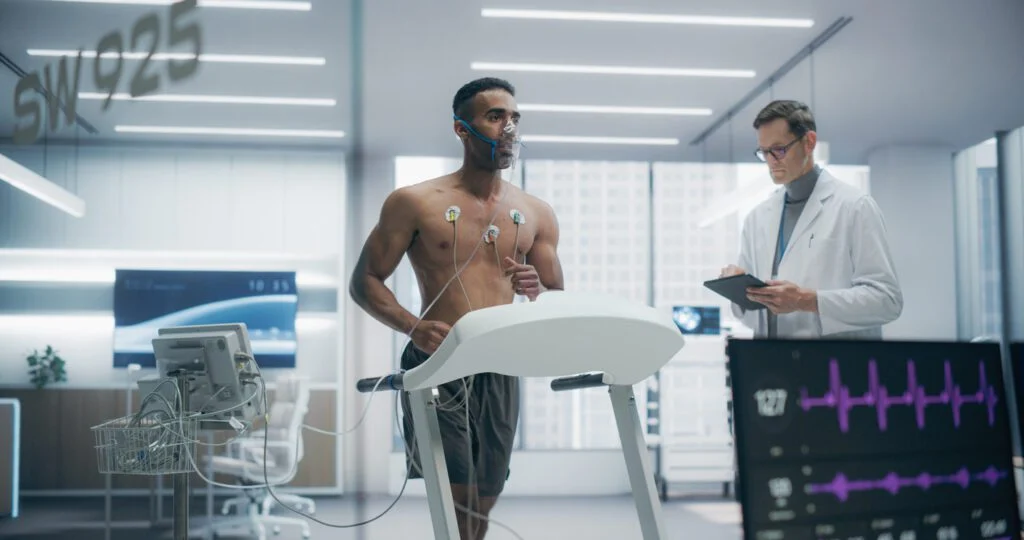
- 2016–2020: The rise of wearable tech (Oura, WHOOP, Apple Watch) providing continuous biometric data; mainstreaming of intermittent fasting and biohacking as a lifestyle brand.
- 2021–Present: Integration of AI-driven health analytics and blood-based biomarker tracking; a growing professional discourse regarding the psychological "burnout" associated with constant health monitoring.
Official Perspectives and Expert Consensus
Public health officials and medical professionals maintain a cautious distance from the "biohacking" trend. Dr. Elena Rossi, a public health researcher, notes, "There is a distinction between evidence-based health maintenance and performative optimization. When an individual spends three hours a day managing their data and dietary protocols, they may be missing the forest for the trees. Social connection, stress management, and consistent movement are the foundational pillars of longevity, yet they are often less marketable than a new, proprietary supplement."
Similarly, the clinical community emphasizes that "more" is not always "better." Many of the protocols popularized online carry inherent risks, including orthorexia (an unhealthy obsession with healthy eating), financial strain, and increased cortisol levels caused by the constant pressure to hit "optimal" biometric targets.
The Trade-Off: Clarity and Sustainability
The fundamental challenge for the modern individual is navigating the noise. To achieve true longevity, one must differentiate between high-impact habits and low-yield interventions. High-impact habits are characterized by their sustainability and low barriers to entry: consistent sleep hygiene, a diet rich in whole foods, regular physical activity, and social engagement. Low-yield interventions, while potentially beneficial in specific clinical settings, often introduce high levels of complexity that can lead to frustration and eventual abandonment of healthy habits.
The current trend toward extreme optimization may ironically be detrimental if it creates a "perfectionist trap." If a person feels that their health routine is a failure because they missed a daily cold plunge or failed to hit a specific HRV target, they may be creating psychological stress that counteracts the physical benefits they are seeking.
Broader Implications and Future Outlook
The longevity industry is projected to continue its expansion, with the global anti-aging market expected to reach significant valuations by 2030. However, the future of health optimization will likely depend on the professionalization of coaching and the development of more personalized, accessible strategies.
Organizations like Precision Nutrition have begun to emphasize the importance of sustainable habit formation over the "protocol-heavy" approach. This shift acknowledges that a health strategy is only effective if it can be maintained for decades, not just for a seasonal training block. For the general population, the objective should be to integrate health-promoting behaviors into the fabric of daily life rather than treating health as an external project to be managed.
In conclusion, while the pursuit of a longer, healthier life is an admirable endeavor, it must be balanced with the reality of human existence. The most effective longevity strategy is one that yields significant health dividends without requiring a full-time commitment to tracking, purchasing, and obsessing over minor physiological markers. By focusing on the foundational elements of wellness—nutrition, movement, sleep, and community—individuals can achieve the longevity they seek while maintaining the mental bandwidth and joy necessary to enjoy the time they have earned. The true "optimal" state is not a set of perfect numbers on a screen, but a robust, resilient body capable of engaging with the world for as long as possible.