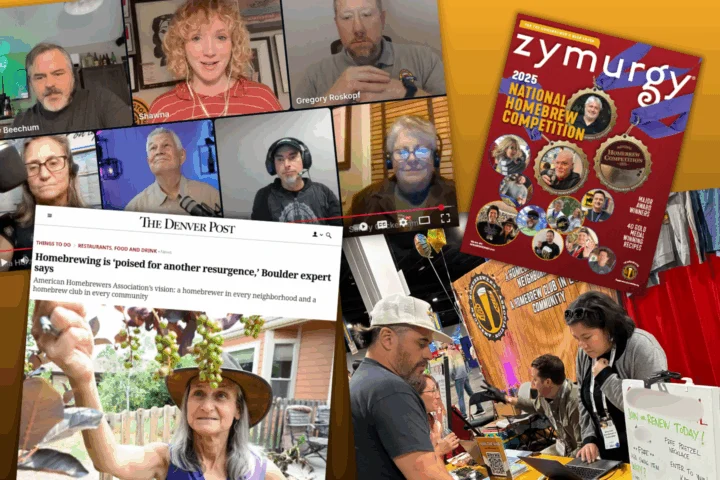

The American Homebrewers Association (AHA) has officially entered a transformative era, transitioning into a fully independent, stand-alone nonprofit organization. This move, finalized in 2024, marks a significant departure from its previous structure as a division of the Brewers Association (BA). The independence of the AHA is being hailed as a watershed moment for the amateur brewing community, providing the organization with the autonomy necessary to advocate more aggressively for homebrewers’ rights, modernize its digital infrastructure, and pursue a grassroots-focused mission. As of November 2024, the association has reported substantial progress in its foundational restructuring, guided by a new strategic plan aimed at placing a homebrewer in every neighborhood and a homebrew club in every community across the United States.
The shift to independence was prompted by a desire for more specialized representation of the hobbyist sector. While the Brewers Association remains the primary trade group for commercial craft breweries, the AHA’s new status allows it to dedicate 100% of its resources toward the individual enthusiast and the local clubs that form the backbone of the brewing culture. This transition involves a complete overhaul of the organization’s governance, including the establishment of an independent founding board, the drafting of new bylaws, and the creation of a distinct legal entity capable of navigating the complex regulatory landscape surrounding the production and transport of fermented beverages.
A Chronology of the Path to Autonomy
The journey toward AHA independence has been a multi-stage process that began in earnest with a strategic review in early 2024. Following a pivotal board update in April, the association moved rapidly to secure its legal and operational standing. By the third quarter of 2024, the AHA had successfully filed for independent nonprofit status and began the arduous task of decoupling its administrative functions from the Brewers Association.
During the summer and autumn months, the AHA focused on internal governance. This included the formalization of the Founding Board, a group of dedicated homebrewers and industry veterans tasked with steering the organization through its first years of self-governance. In September and October, the focus shifted toward member engagement and the development of the "2025-2026 Strategic Plan." This document serves as the blueprint for the association’s future, prioritizing community growth, legislative advocacy, and technological upgrades.
The upcoming "Zymurgy Live" event, scheduled for November 5, represents a key milestone in this timeline. By opening this typically member-exclusive event to the general public, the AHA is signaling a new era of transparency and outreach. The event is designed to provide a direct forum for the community to hear from the Founding Board regarding the association’s future direction and the specific steps being taken to enhance member value.
Strategic Objectives and the Vision for Growth
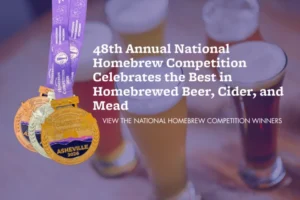
The cornerstone of the AHA’s new identity is its ambitious vision: "A homebrewer in every neighborhood and a homebrew club in every community." To achieve this, the association has outlined several key pillars of growth. Central to these is the revitalization of the National Homebrew Competition (NHC), the world’s largest amateur brewing competition. The AHA intends to use the NHC not only as a platform for elite brewers but as an educational tool to raise the standard of homebrewing globally.
In addition to competitions, the AHA is doubling down on its role as a resource hub. The association’s flagship publication, Zymurgy magazine, continues to be a primary vehicle for disseminating technical knowledge and recipes validated by the NHC. However, the 2025 plan includes a significant digital expansion. This involves a comprehensive upgrade to the association’s web infrastructure, aimed at improving user experience for members accessing recipe databases, educational videos, and the "AHA Member Deals" program, which provides discounts at hundreds of homebrew supply shops and breweries nationwide.
The strategic plan also emphasizes the importance of local clubs. The AHA recognizes that the health of the hobby is tied to the vitality of community organizations. Plans for 2026 include enhanced support systems for club leaders, including administrative tools, insurance resources, and standardized guidelines for organizing local competitions. By strengthening the local club network, the AHA aims to create a more resilient and inclusive environment for brewers of all skill levels.
Legislative Advocacy and Economic Impact
While often viewed as a hobbyist group, the AHA plays a critical role in the legislative arena. The independence of the organization allows for a more focused approach to advocacy. Historically, the AHA was instrumental in the state-by-state legalization of homebrewing, a process that concluded in 2013 when Mississippi and Alabama became the final states to permit the practice. However, modern legislative challenges remain, including the transport of homebrew to competitions, the legality of serving homebrew at organized events, and the clarification of tax codes.
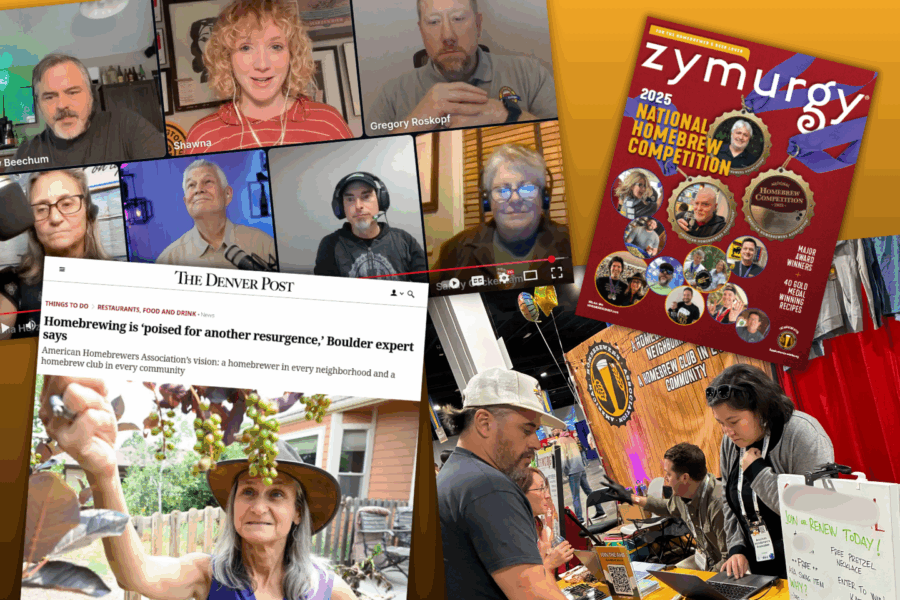
The economic impact of the homebrewing sector is substantial. According to industry data, there are an estimated 1.1 million homebrewers in the United States, who collectively produce more than 1.4 million barrels of beer annually. This activity supports a robust network of small businesses, including brick-and-mortar homebrew supply stores and specialized ingredient producers. By advocating for favorable regulations, the AHA directly supports this micro-economy. The association’s independence is expected to facilitate more direct lobbying efforts at both the state and federal levels, ensuring that the voice of the amateur brewer is not overshadowed by commercial interests.
Technological Modernization and Member Benefits
A primary complaint addressed in the new strategic plan is the need for improved digital services. As part of its independence, the AHA is investing heavily in a new member service platform. This upgrade is intended to streamline the renewal process, improve the functionality of the "Find a Club" and "Find a Homebrew Shop" tools, and provide a more interactive platform for Zymurgy digital content.
Member benefits are also being reimagined. Beyond the traditional discounts and magazine subscription, the AHA is exploring "Annual Recognition Awards" to celebrate contributions to the brewing community. The association is also working to expand its "NHC Validated" recipe library, providing members with access to award-winning formulas that have been vetted by certified judges. These initiatives are designed to increase the "return on investment" for AHA members, ensuring that the $43 annual membership fee translates into tangible value for the brewer.
Analysis of Implications for the Brewing Industry
The independence of the AHA has broader implications for the American craft beer landscape. Many of the country’s most successful professional brewers began as AHA members, and the association has long served as an "incubator" for the commercial industry. By fostering a healthy homebrewing culture, the AHA ensures a steady pipeline of talent and innovation for the craft sector.
Furthermore, a more autonomous AHA can serve as a check and balance within the industry. While commercial interests may occasionally align with regulatory restrictions that inadvertently hamper hobbyists, a stand-alone AHA can provide a clear, unconflicted voice in defense of the amateur. This separation of powers within the brewing world is likely to lead to a more balanced regulatory environment that respects both the commercial producer and the home enthusiast.
The focus on "every neighborhood" also suggests a move toward greater diversity and inclusion within the hobby. By lowering the barriers to entry through education and community support, the AHA is positioned to reach demographics that have historically been underrepresented in the brewing community. This cultural expansion is viewed as essential for the long-term sustainability of the association and the hobby at large.
Future Outlook: What’s Brewing for 2026
Looking toward 2026, the AHA has signaled a "simmering" pipeline of new initiatives. These include the potential for regional "mini-conferences" designed to bring the educational value of the National Homebrewers Conference to a more local level. There are also indications that the association will seek to partner more closely with international homebrewing bodies, sharing best practices and potentially facilitating international competitions.
The success of these plans will depend largely on member retention and growth. The AHA has been transparent about the fact that "more members will bring more advocacy, resources, innovation, and community." The transition to an independent nonprofit is a gamble on the passion and commitment of the homebrewing public. If the association can successfully execute its technological upgrades and maintain the high quality of its educational content, it is well-positioned to lead the hobby into a new era of growth.
As the weather cools and brewing season hits its peak, the AHA stands at a crossroads. The transition from a subsidiary to a stand-alone entity is nearly complete, and the focus has shifted from administrative logistics to community-facing results. The upcoming year will be a test of the new board’s vision and the association’s ability to remain relevant in a rapidly changing hobbyist landscape. For the million-plus homebrewers in America, the independence of the AHA represents not just a change in corporate structure, but a renewed commitment to the craft of brewing at its most fundamental and personal level.