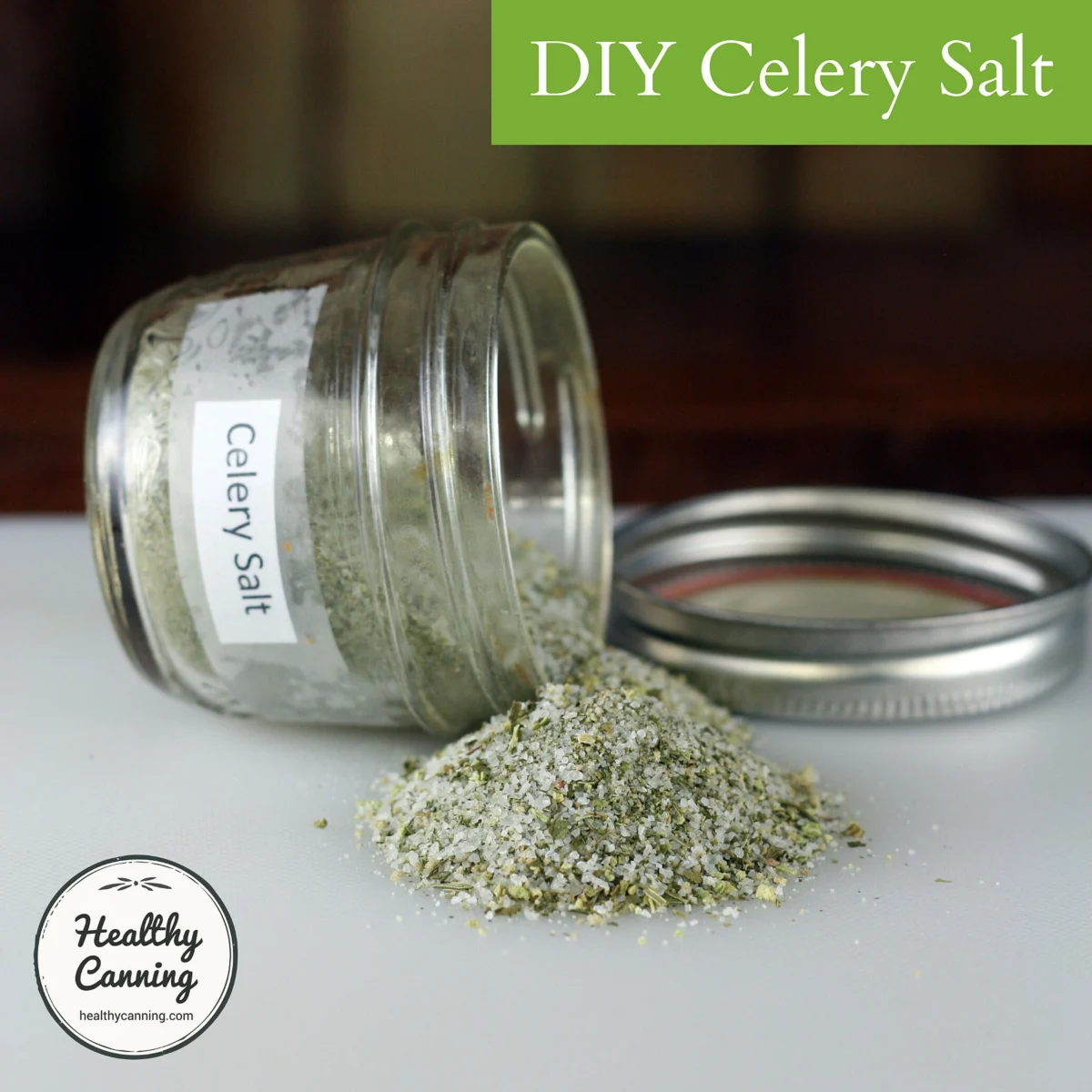

The modern culinary landscape is witnessing a significant shift toward artisanal self-sufficiency, as consumers increasingly opt to produce household staples like celery salt within their own kitchens to mitigate rising grocery costs and address specific health concerns. This transition from purchasing pre-packaged commodities to engaging in home-based spice blending represents a broader trend in the "pennies-on-the-dollar" economy, where the cost of raw materials—such as bulk celery seeds and various saline bases—is significantly lower than the retail price of finished goods. By leveraging basic kitchen tools like food dehydrators and spice grinders, home cooks are now able to produce high-quality, gourmet seasonings that offer greater transparency in ingredients and a superior flavor profile compared to their industrial counterparts.
The Economic Context of DIY Seasoning Production
The move toward homemade condiments is rooted in the current economic climate, where food inflation has pressured household budgets. In the United States and Canada, the price of processed spices and seasonings has seen a steady incline due to supply chain complexities and packaging costs. Industry analysts note that when consumers purchase a standard 4-ounce jar of celery salt at a supermarket, they are paying not only for the raw ingredients but for the branding, plastic or glass container, transport, and retail markup.
Estimates suggest that producing a batch of celery salt at home costs a fraction of the retail price. For instance, while a premium organic celery salt might retail for upwards of $1.50 per ounce, the cost of bulk celery seeds purchased from a wholesaler can be as low as $0.15 to $0.20 per ounce. When combined with common table salt or bulk sea salt, the final product reflects a cost-saving of nearly 80%. This "DIY dividend" is driving a resurgence in home preservation and dry-mix preparation, particularly among demographics focused on long-term food security and financial prudence.
Nutritional Intervention and Sodium Management
Beyond the financial incentives, the production of homemade celery salt serves as a critical tool for dietary management. The World Health Organization (WHO) and the Centers for Disease Control and Prevention (CDC) have long warned about the dangers of excessive sodium intake, which is a primary contributor to hypertension and cardiovascular disease. Commercial celery salts are typically formulated with a high ratio of sodium chloride to celery seed, often containing anti-caking agents like silicon dioxide or sodium aluminosilicate.

The DIY method allows for a radical departure from these industry standards. Health-conscious consumers are now utilizing salt substitutes, such as potassium-based alternatives like Herbamare, to create sodium-free versions of the seasoning. Furthermore, the ability to control the ratio of celery to salt allows individuals to maximize the botanical benefits of the celery seed—which contains antioxidants and anti-inflammatory compounds—without the baggage of excessive salt. For those on restricted diets, this level of customization is not merely a culinary preference but a medical necessity that commercial markets often fail to satisfy at an affordable price point.
The Evolution of Gourmet Customization
The artisanal movement has also redefined what "celery salt" can be. Historically a utilitarian mix of ground seeds and table salt, the homemade version has evolved into a gourmet product. Home cooks are experimenting with diverse saline bases, including:
- Pink Himalayan Salt: Prized for its mineral content and aesthetic appeal.
- Smoked Sea Salt: Adding a layer of complexity to grilled meats and barbecue rubs.
- Maldon or Flake Salt: Providing a structural crunch for finishing dishes.
- Celery Powder: A more advanced variation involving the dehydration of fresh celery stalks and leaves, resulting in a vibrant green hue and a more intense, "fresh" flavor compared to the bitter notes of ground seeds.
The use of food dehydrators has been a catalyst in this evolution. By drying fresh celery at low temperatures (typically 125°F or 52°C) and pulverizing it into a fine powder, the home cook creates a product that is chemically different from seed-based salts. This "whole-food" approach utilizes the leaves of the celery plant, which are frequently discarded in commercial processing, thereby reducing food waste and enhancing the nutritional density of the final mix.
Historical Context and Culinary Significance
Celery salt holds a storied place in the American culinary lexicon, most notably as a foundational ingredient in the "Chicago-style" hot dog and as the signature rimming salt for the Bloody Mary cocktail. Its origins date back to the 19th century when celery was considered a luxury vegetable. Because celery was difficult to grow and highly seasonal, the creation of a salt-based preservative allowed the flavor of the vegetable to be enjoyed year-round.
In the mid-20th century, brands like Old Bay integrated celery salt into their secret spice blends, cementing its status in coastal seafood traditions. The current trend of making it at home is, in many ways, a return to these historical roots, where seasonings were blended by hand based on local availability. The "modern" twist is the integration of global salt varieties and high-tech grinding equipment, which allows for a finer consistency than the mortars and pestles of the past.

Technical Methodology and Batch Consistency
The process of creating a standard batch—approximately 5 tablespoons or 75 grams—requires a precise understanding of ingredient ratios. Most derived recipes suggest a ratio that balances the pungent, slightly bitter notes of the celery with the flavor-enhancing properties of the salt.
- Preparation of the Celery Component: If using seeds, they must be ground to a fine powder to ensure they integrate with the salt crystals. If using fresh celery, the stalks and leaves are sliced thinly and dehydrated until brittle, then processed in a high-speed blender.
- Selection of the Saline Base: The choice of salt dictates the texture. Fine-grain salt is preferred for general seasoning, while coarser grains are used for rubs.
- The Blending Phase: Thorough mixing is essential to prevent the separation of ingredients. Many practitioners recommend performing the final mix directly in the storage container to minimize loss of the fine celery dust.
The yield of these batches can vary based on the density of the salt used. For example, kosher salt is less dense than fine table salt, meaning a 75-gram yield might occupy a larger volume. This technical nuance is a frequent topic of discussion among home-canning and preservation enthusiasts, who emphasize the importance of weighing ingredients rather than relying solely on volume measurements.
Environmental Impact and Sustainability
The environmental implications of the DIY spice movement are noteworthy. The commercial spice trade is a significant contributor to plastic waste, with millions of single-use spice jars ending up in landfills annually. By transitioning to a system where consumers buy bulk refills or grow their own celery, the demand for new packaging is drastically reduced.
Furthermore, the "celery powder" method promotes a "root-to-stem" philosophy. In commercial agriculture, celery leaves are often trimmed and discarded before the stalks reach the grocery store. Home gardeners and conscious consumers can harvest these leaves—which contain higher concentrations of Vitamin C and calcium than the stalks—and convert them into seasoning. This circular approach to food production aligns with global sustainability goals and reduces the carbon footprint associated with the transport of processed goods.
Market Analysis and Future Outlook
As the DIY trend gains momentum, it is likely to impact the retail sector. Major spice manufacturers may face pressure to offer more "clean label" products or customizable kits to compete with the growing number of home blenders. Social media platforms and culinary blogs (such as imperfectlyhappy.com and wholenewmom.com) have played a pivotal role in disseminating these techniques, turning what was once a niche hobby into a mainstream lifestyle choice.
Looking ahead, the integration of technology in the kitchen—such as smart dehydrators and precision spice mills—will likely make the production of homemade seasonings even more accessible. While commercial celery salt will always have a place for convenience, the "gourmet" and "health" segments of the market are increasingly being claimed by the home cook.
In conclusion, the rise of homemade celery salt is a multifaceted phenomenon that intersects economics, health, and environmentalism. It represents a move away from the "one-size-fits-all" approach of industrial food production toward a more intentional, personalized, and sustainable way of eating. As more households realize that they can produce a superior product for "pennies on the dollar," the spice rack of the future may look less like a collection of brand names and more like a curated gallery of home-blended creations.