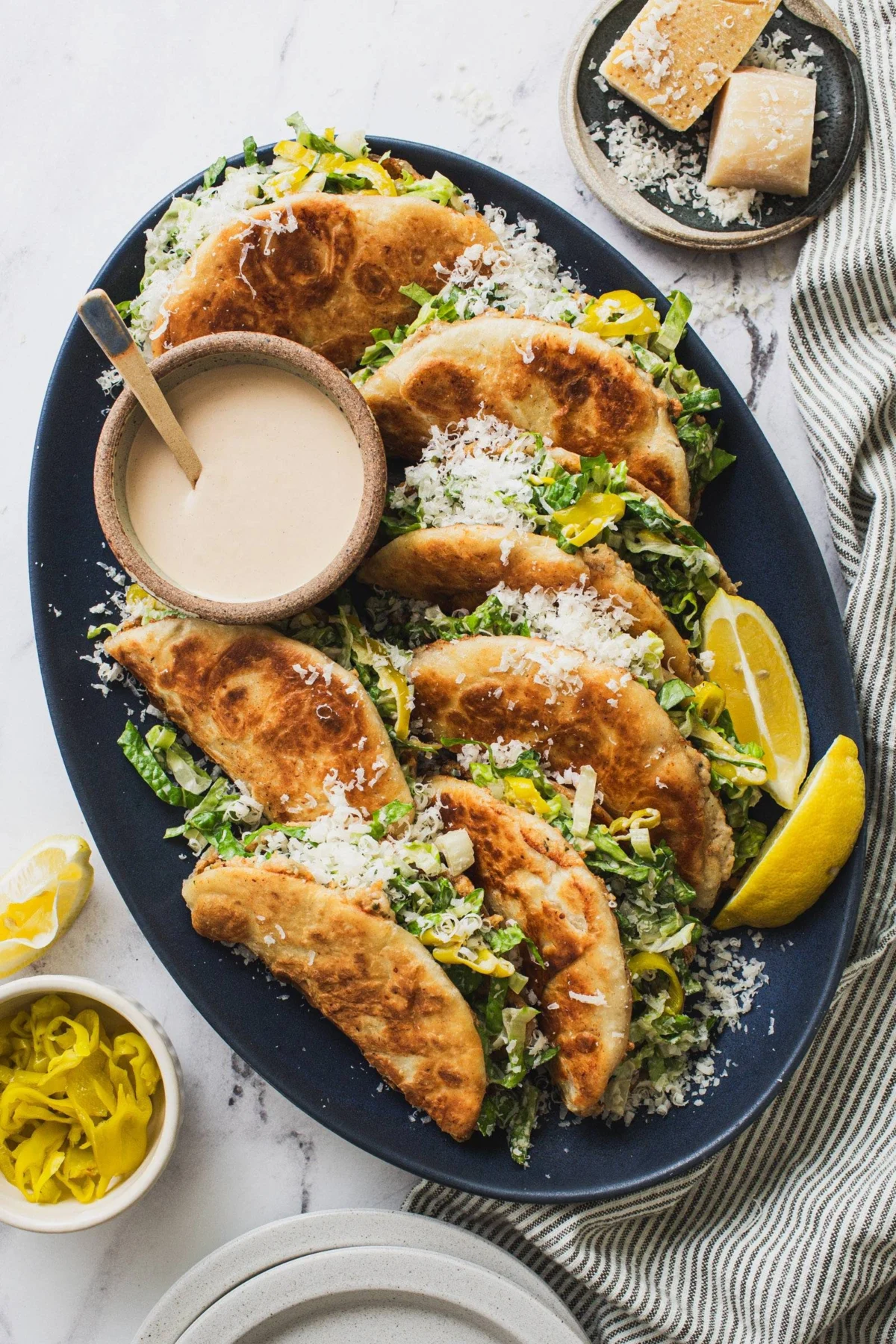

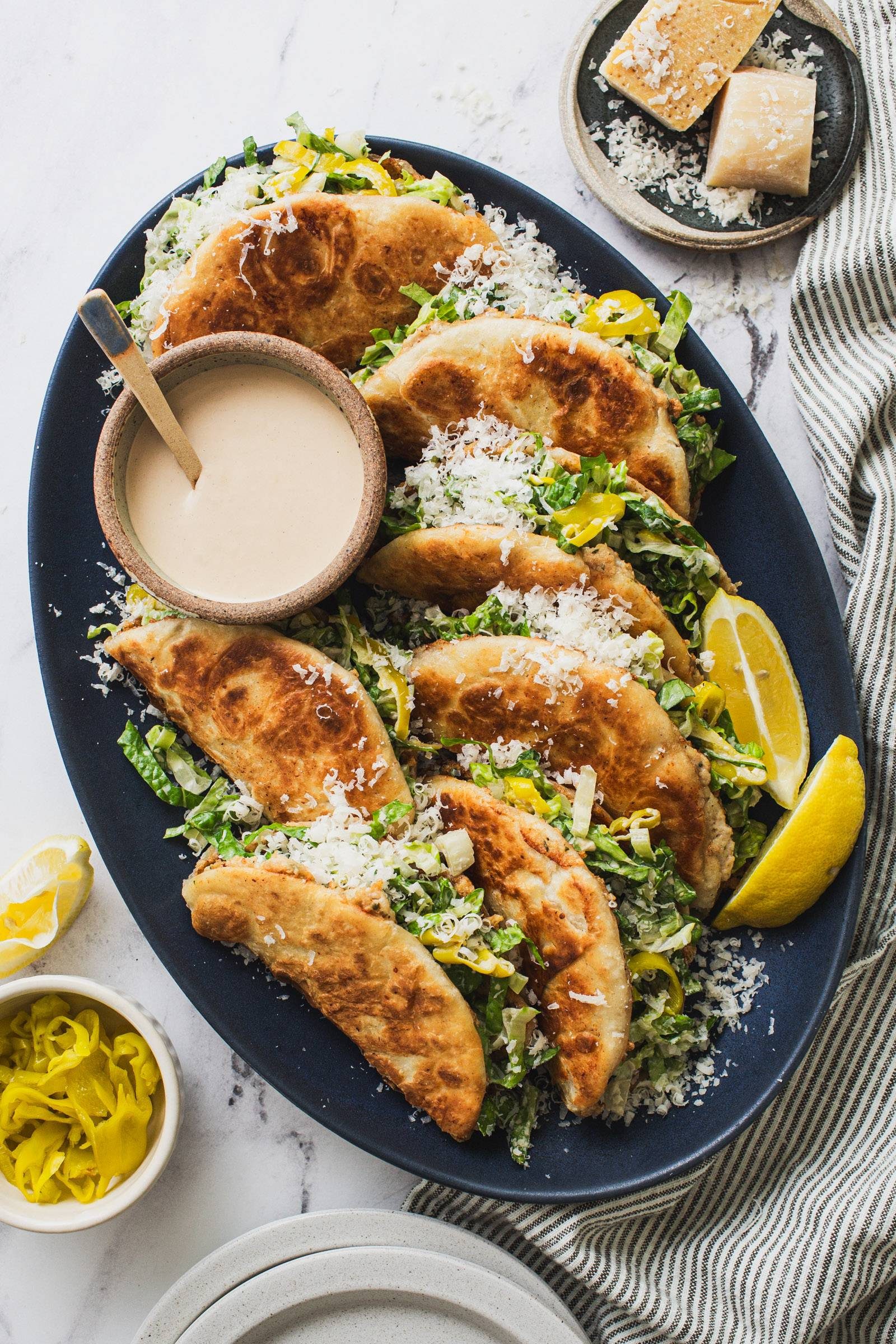
The culinary landscape is constantly evolving, driven by innovation, social media trends, and a persistent desire for novel yet comforting dining experiences, a phenomenon strikingly exemplified by the recent popularization of the Chicken Caesar Smash Taco. This innovative dish, combining the textural appeal of a "smashed" protein with the universally beloved flavors of a Caesar salad, represents a significant fusion in contemporary home cooking. It transforms familiar components into a distinctive, handheld format, offering both gastronomic delight and practical ease for busy individuals seeking quick, satisfying meals. The dish is characterized by a crispy, golden tortilla encasing seasoned ground chicken and a vibrant, shredded Caesar salad, often enhanced with the piquant kick of pepperoncini, and typically served with an accompanying Caesar dipping sauce. This reinterpretation is not merely a recipe but a reflection of broader trends in food consumption and preparation, highlighting the ongoing interplay between culinary tradition and modern inventiveness.
The Anatomy of a Culinary Trend: Unpacking the Chicken Caesar Smash Taco
At its core, the Chicken Caesar Smash Taco is a masterclass in culinary amalgamation, taking disparate elements and harmonizing them into a cohesive and appealing whole. The dish leverages several popular food concepts, each contributing to its widespread appeal and ease of adoption. Understanding each component is key to appreciating its ingenuity and impact on the dining landscape.
The "Smash" Technique: Origins and Culinary Science
The "smash" technique, central to this taco’s preparation, originated in the realm of burgers. The "smash burger" gained prominence for its distinctive crispy crust, developed by firmly pressing a ball of ground meat onto a hot griddle or pan. This action maximizes contact between the meat and the hot surface, facilitating the Maillard reaction – a complex chemical process responsible for creating rich, savory flavors and a desirable browned, crusty exterior. This technique is often credited to midwestern American diners and has seen a resurgence in popularity over the past decade, driven by food bloggers, chefs, and social media platforms showcasing its superior texture and flavor profile compared to thicker, less-seared patties. The Maillard reaction, which occurs between amino acids and reducing sugars at high temperatures, is critical for developing the complex aromatic compounds that define the deep, savory notes and golden-brown hue characteristic of seared meats.
When applied to tacos, the "smash" technique involves pressing seasoned ground chicken directly onto a tortilla and then searing the combination. This innovative application achieves a similar textural contrast: a succulent, flavorful chicken layer melded directly onto a golden, often slightly crisp tortilla. This method not only ensures even cooking of the ground meat but also creates a structurally sound base for the subsequent fillings, transforming a potentially messy taco into a more stable, handheld meal. The resulting texture is often described as "shattering" upon the first bite, a characteristic that significantly enhances the eating experience and contributes to the dish’s viral appeal by providing a satisfying auditory and tactile sensation alongside its rich flavors.
The Caesar Salad Legacy: From Tijuana to Taco
The Caesar salad, a global culinary icon, provides the distinctive flavor backbone for these smash tacos. Its origins are famously attributed to Caesar Cardini, an Italian-American restaurateur in Tijuana, Mexico, who reputedly created the salad in 1924 out of necessity when kitchen supplies were low. The classic Caesar dressing, characterized by its emulsified blend of olive oil, egg (often raw or lightly cooked yolk), Worcestershire sauce, garlic, Dijon mustard, lemon juice, and grated Parmesan cheese, delivers a creamy, tangy, and umami-rich profile. Traditionally, the salad features crisp romaine lettuce, crunchy croutons, and additional shaved Parmesan, creating a harmonious balance of textures and tastes that has captivated palates for nearly a century.
The integration of Caesar salad into a taco format is a testament to its versatility and enduring popularity. By finely shredding the lettuce and incorporating the dressing directly with the seasoned chicken, the taco captures the essence of the salad while adapting it to a new structural context. This ensures that every bite delivers the characteristic Caesar tang and creaminess. The addition of pepperoncini, a mild, pickled chili pepper originating from Greece and Italy, introduces a subtle tang, a hint of sweetness, and a slight brininess that cuts through the richness of the chicken and dressing, adding another layer of complexity to the flavor profile. This adaptation demonstrates a broader trend in modern cuisine to deconstruct and reassemble classic dishes, offering familiar flavors in innovative and often more convenient presentations, thus broadening their appeal to diverse palates and consumption contexts.
The Role of Ground Chicken: Versatility and Health Appeal
Ground chicken serves as the primary protein in these smash tacos, a choice that aligns with several contemporary dietary and culinary preferences. Poultry, particularly chicken, has seen a steady increase in consumption globally due to its perceived health benefits (typically lower in saturated fat compared to red meats), exceptional versatility, and relative affordability. According to the U.S. Department of Agriculture (USDA) data, per capita consumption of chicken in the United States has consistently risen over the past several decades, surpassing beef and pork. Ground chicken specifically benefits from this trend, offering a lean, adaptable protein for a variety of dishes, including those catering to convenience and health-conscious consumers.
Its relatively neutral flavor profile allows it to be easily seasoned to complement the robust, assertive flavors of the Caesar dressing without overpowering them, acting as an ideal culinary canvas. Furthermore, the finely ground texture allows for maximum surface contact during the "smash" process, ensuring a flavorful, crispy crust development. The use of ground chicken also caters to a demographic increasingly conscious of nutritional intake while still desiring satisfying and flavorful meals, positioning the dish as a potentially healthier and lighter alternative to some traditional taco fillings made with higher-fat meats. This choice reflects a broader consumer shift towards lighter proteins and adaptable ingredients in home cooking.
A Chronology of Fusion: The Evolution of "Smash" Dishes
The Chicken Caesar Smash Taco did not emerge in a vacuum but is rather a culmination of several culinary trends and innovations, particularly those driven by social media platforms and a globalized food culture. Tracing the trajectory of "smash" dishes provides essential context to its contemporary rise.
The Rise of the Smash Burger (Early 2000s – Present)
While the technique itself has older roots in American diner culture, where short-order cooks would press burger patties onto hot griddles, the "smash burger" as a distinct culinary movement began gaining significant traction in the early 2000s. Restaurants like Shake Shack and Five Guys, though not exclusively "smash" purveyors, popularized thin, seared patties with crispy edges. Dedicated smash burger joints began to proliferate, especially in urban centers, capitalizing on the technique’s ability to produce an intensely flavorful patty. The appeal lay in its simplicity, intense flavor development through the Maillard reaction, and the delightful textural contrast of a crispy crust and juicy interior. Food blogs and later, platforms like YouTube and Instagram, amplified its reach, with home cooks eager to replicate the restaurant experience in their own kitchens, leading to a widespread adoption of specialized spatulas and griddle cooking.
Diversification and Adaptation (Mid-2010s – Present)
As the smash burger cemented its place in popular culture, chefs and home cooks alike began experimenting with applying the technique to other proteins and formats. "Smash chicken" sandwiches emerged, offering a poultry alternative with similar textural benefits, often featuring a crispy chicken patty seared directly onto a bun. Vegetarian versions, using plant-based proteins such as lentils or black beans, or even vegetables like mushrooms, also began appearing, demonstrating the versatility of the "smash" methodology beyond its beef origins. This period marked a crucial diversification, proving that the technique was adaptable to a wide range of ingredients and could impart desirable textures to various food items.
The Taco Transformation (Late 2010s – Present)
The logical next step in the "smash" evolution was its integration into handheld formats beyond the traditional bun. Tacos, with their inherent versatility, adaptability, and immense popularity across global cuisines, presented a natural canvas for this innovation. Early iterations might have involved smashing ground meat directly onto a griddle and then folding it into a tortilla. However, the true innovation for the smash taco, as seen in the Chicken Caesar variant, involves pressing the seasoned ground protein onto the tortilla itself before cooking. This ensures the tortilla becomes an integral part of the crispy crust, rather than merely a wrapper, creating a cohesive and satisfying bite. This specific technique has seen an explosion of popularity on platforms like TikTok, where short, visually engaging recipe videos rapidly disseminate new culinary ideas, transforming niche cooking methods into mainstream trends almost overnight. The Chicken Caesar Smash Taco is a prime example of this accelerated trend cycle, moving from an experimental idea to a widely recognized and replicated dish in a remarkably short period, becoming a staple in the repertoire of many home cooks.
Supporting Data and Consumer Trends
The success of dishes like the Chicken Caesar Smash Taco is underpinned by broader shifts in consumer behavior and market dynamics within the food industry, reflecting evolving preferences for convenience, flavor, and culinary exploration.
Growth in Poultry Consumption
Globally, poultry consumption has been on an upward trajectory for decades, often outpacing red meat consumption. According to the U.S. Department of Agriculture (USDA), per capita consumption of chicken in the United States reached approximately 97.6 pounds in 2022, a significant increase from previous decades, driven by factors such as health consciousness, versatility in cooking, and relative affordability compared to other protein sources. Ground chicken specifically benefits from this trend, offering a lean, adaptable protein for a variety of dishes, including those catering to convenience and health-aware consumers. This sustained growth provides a fertile ground for chicken-centric innovations like the smash taco.
The Convenience and Comfort Food Nexus
Modern lifestyles, characterized by demanding schedules and limited leisure time, consistently fuel demand for convenient yet satisfying dinner options. Market research consistently shows a high consumer preference for meals that are quick to prepare, require minimal cleanup, and offer familiar, comforting flavors. The Chicken Caesar Smash Taco perfectly encapsulates this nexus: it is quick to assemble and cook, requires common ingredients, and leverages the comforting familiarity of both tacos and Caesar salad. Reports from food industry analysts, such as those by NielsenIQ, indicate a steady growth in the "convenience food" sector, with consumers increasingly willing to prioritize speed and simplicity in their meal preparation, often even when it means purchasing pre-prepared components or kits.
The Pervasive Influence of Social Media
Platforms like TikTok, Instagram, and Pinterest have become undeniable drivers of culinary trends, acting as powerful accelerators for recipe dissemination. Short-form video content, particularly "recipe hacks" and visually appealing food preparations, can catapult a dish from obscurity to viral sensation in mere days. A significant portion of home cooks, especially younger demographics (Millennials and Gen Z), now discover new recipes and cooking techniques primarily through these digital channels. The "smash taco" concept, with its satisfying sizzle, visual transformation from raw ingredients to crispy handheld, and relatively simple execution, is inherently shareable and has benefited immensely from this digital dissemination. Data from social media analytics firms often show food-related content among the most engaged categories, indicating its immense power to shape consumer preferences and purchasing decisions, fostering a global community of culinary experimenters.
Market for Caesar Dressing and Salad Components
The enduring and widespread popularity of Caesar salad translates into a robust and expanding market for its constituent parts. The global market for salad dressings, including Caesar, is substantial, projected to be worth billions of dollars and continuing to grow annually. Consumers frequently purchase pre-made Caesar dressings, complete Caesar salad kits, and various types of cheese and croutons, indicating a widespread affinity for the distinct flavor profile. This existing market infrastructure makes it exceptionally easy for home cooks to source ingredients for a Caesar-themed dish, further lowering the barrier to entry for trying recipes like the smash taco. The ready availability of these pre-packaged components significantly reduces preparation time, aligning perfectly with the overarching consumer demand for convenience.
Culinary Perspectives and Industry Reactions
The emergence and popularization of dishes like the Chicken Caesar Smash Taco are often met with a mix of enthusiasm, critical analysis, and strategic observation from culinary professionals and the broader food industry.
Home Cook Empowerment and Creativity
For home cooks, these innovative recipes represent a significant form of empowerment. They offer creative outlets that are accessible regardless of skill level, allowing individuals to produce restaurant-quality flavors and textures in their own kitchens. Food bloggers and online culinary communities often celebrate such dishes for their "genius" in combining simplicity with high flavor impact. The ability to transform everyday, affordable ingredients into something exciting and visually appealing without extensive culinary training fosters a sense of accomplishment and encourages further experimentation. This democratizing effect on gourmet-style cooking is a recurring and powerful theme in contemporary food culture, as it makes sophisticated tastes attainable for a wider audience.

Industry Adaptation and Innovation
The food industry, encompassing ingredient suppliers, packaged food manufacturers, food service providers, and restaurant chains, closely monitors these viral trends. The rapid adoption of the smash taco concept could lead to several strategic industry responses:
- Product Development: Expect to see an increase in the availability of pre-seasoned ground chicken blends specifically marketed for "smash" applications, or even specialized taco kits that bundle tortillas, seasonings, and a packet of Caesar dressing.
- Restaurant Menus: Casual dining establishments and fast-casual eateries are likely to incorporate variations of smash tacos onto their menus, capitalizing on their proven popularity and adapting them to a commercial scale. This has been a consistent pattern observed with other viral home-cooking dishes that eventually find their way into professional settings, offering novelty without alienating customer bases.
- Ingredient Focus: Suppliers of tortillas, Caesar dressings, specialty cheeses, and unique ingredients like pepperoncini could see increased demand. This often prompts them to highlight these products in marketing campaigns specifically tailored to current trends, ensuring their offerings remain relevant and visible to consumers.
While some culinary purists might view such fusion dishes as departures from traditional culinary norms, many progressive chefs and food innovators embrace them as signs of a dynamic and evolving food scene. They acknowledge that culinary boundaries are increasingly fluid, and successful fusion often results from a deep understanding of flavor profiles and textural contrasts. The Chicken Caesar Smash Taco is largely seen as a clever and well-executed reinterpretation that respects the core appeal of its source components while delivering a fresh, engaging, and highly satisfying eating experience.
Broader Implications: Reshaping Home Cooking and Dining
The sustained popularity of dishes like the Chicken Caesar Smash Taco extends beyond mere recipe sharing; it signals broader shifts in how people approach cooking, dining, and food culture in the 21st century.
Accessibility and Culinary Confidence
One of the most significant implications is the enhanced accessibility of exciting and seemingly gourmet meals for a wide audience. Recipes that are easy to follow, require minimal specialized equipment, and yield impressive results build culinary confidence among novice cooks. This phenomenon encourages more people to engage actively in home cooking, potentially leading to healthier eating habits by allowing greater control over ingredients and preparation methods, and fostering a greater appreciation for the process of food preparation. The smash taco, with its straightforward technique and adaptable ingredients, serves as an excellent entry point for culinary exploration, demystifying complex flavors and textures.
Sustainability and Ingredient Utilization
From a sustainability perspective, dishes that encourage the creative and efficient use of common ingredients can contribute to reducing food waste. Ground chicken, for instance, is a versatile and often economically priced protein that can be purchased in bulk and stored easily. The use of shredded lettuce and other salad components can also make use of ingredients that might otherwise be overlooked for more complex or time-consuming preparations, extending their utility in the kitchen. While not explicitly designed as a "zero-waste" dish, its simplicity and reliance on widely available items contribute to more efficient home kitchen management and less food going to waste.
The Future of Fusion Cuisine
The Chicken Caesar Smash Taco is a prime example of the ongoing and accelerating trend towards fusion cuisine, where culinary traditions and ingredients from different cultures are combined in novel ways. This trend is likely to continue, driven by global connectivity, increased cultural exchange, and the continuous search for novel flavor experiences that resonate with diverse palates. Future innovations may see similar deconstructions and recombinations of other classic dishes, pushing the boundaries of what constitutes "traditional" or "authentic" cuisine. This continuous evolution enriches the global culinary tapestry and offers endless possibilities for new dining experiences, creating a dynamic and ever-changing food landscape.
Economic Impact on the Food Value Chain
The rise of specific food trends has tangible economic effects across the entire food value chain. Increased demand for certain ingredients, such as ground chicken, various types of tortillas, specific brands of Caesar dressing, and fresh produce like romaine lettuce and pepperoncini, directly impacts agricultural producers, food manufacturers, distributors, and retailers. This can lead to shifts in agricultural production quotas, manufacturing priorities for packaged goods, and retail stocking strategies to meet burgeoning consumer demand. Furthermore, the burgeoning market for kitchen gadgets and tools that facilitate these trends (e.g., specialized spatulas for smashing, flat-top griddles, or even simple non-stick pans) also benefits significantly from this culinary innovation cycle. The Chicken Caesar Smash Taco, while a simple dish, contributes to this complex economic web, illustrating how seemingly small culinary shifts can have ripple effects across the entire food value chain, influencing production, distribution, and consumption patterns on a broad scale.
In conclusion, the Chicken Caesar Smash Taco is far more than just a convenient dinner idea; it is a microcosm of contemporary culinary trends. It embodies the desire for approachable innovation, the transformative power of social media to shape food culture, and the enduring appeal of classic flavors re-imagined for modern