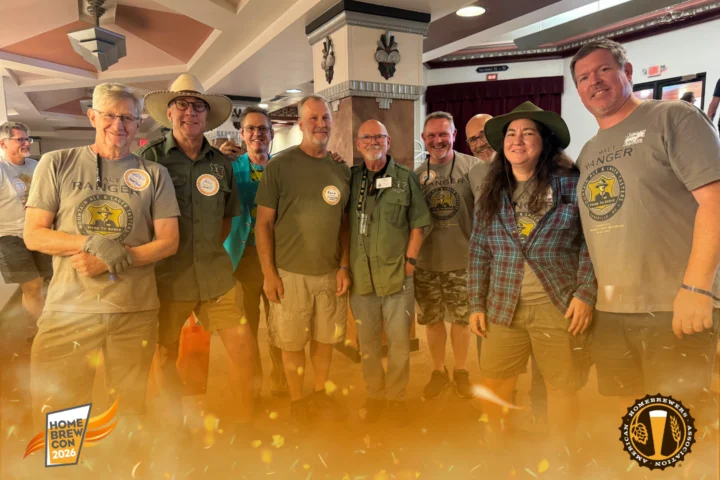

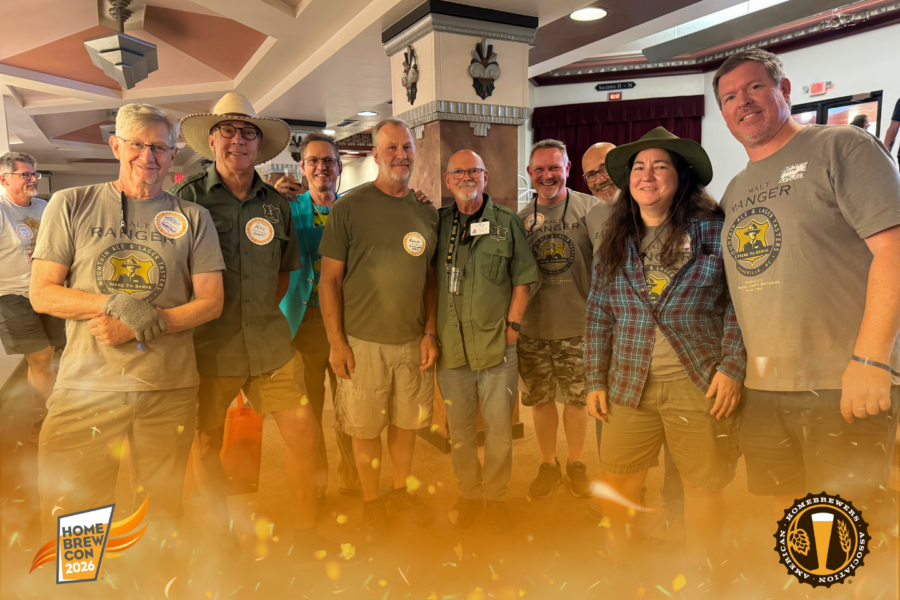
The American Homebrewers Association (AHA) concluded its 46th annual Homebrew Con on Saturday, June 20, 2026, in Asheville, North Carolina, marking a historic milestone for the organization. The three-day event, which drew a capacity crowd of 1,141 attendees, served as the primary venue for the association to report on its first full year as a standalone independent nonprofit organization. The gathering brought together a diverse cross-section of the fermentation community, including hobbyist brewers, industry speakers, certified judges, stewards, and volunteers, reinforcing the continued vitality of the homebrewing movement in the United States.
The conference, which sold out before its conclusion, represented a significant logistical and symbolic success for the AHA. For the first time in its nearly five-decade history, the association operated under a governance structure entirely independent of its former parent organization, the Brewers Association. This transition, initiated in early 2025, has allowed the AHA to redefine its mission, vision, and strategic priorities with a singular focus on the needs of the individual homebrewer.
A New Era of Independence and Governance
The primary focus of the member update delivered in Asheville was the structural evolution of the AHA. One year ago, the association began operating with its own dedicated board of directors, independent financial oversight, and specialized committees. This shift was designed to provide the organization with the agility needed to respond to a changing craft beer landscape and a diversifying membership base.
According to leadership reports presented during the conference, the first year of independence was characterized by a "refining and learning" phase. The new member-led board has spent the last twelve months auditing existing programs—such as the National Homebrew Competition and the Big Brew for National Homebrew Day—to ensure they align with the association’s new strategic vision. This vision prioritizes education, legislative advocacy, and the cultivation of a more inclusive brewing community.
The financial independence of the AHA was also a key topic. By managing its own budget and revenue streams—primarily through membership dues, event registrations, and sponsorships—the association reported a stabilized fiscal outlook. This autonomy ensures that funds generated by homebrewers are reinvested directly into resources, such as the association’s extensive recipe database, educational seminars, and the publication of Zymurgy magazine.
Asheville: The Ideal Backdrop for a Sold-Out Return
The selection of Asheville, North Carolina, as the host city for the 46th Homebrew Con was a strategic choice that resonated with the membership. Known as "Beer City USA," Asheville boasts one of the highest numbers of breweries per capita in the country. The city’s deep-rooted craft beer culture provided a natural environment for the conference’s blend of social camaraderie and technical education.
The attendance of 1,141 participants exceeded early projections, signaling a robust recovery for in-person brewing events. The demographic data from the conference indicated a broadening of the hobby, with a notable increase in younger participants and women. This shift aligns with the AHA’s stated goal of expanding the reach of homebrewing beyond its traditional core.
Throughout the event, attendees participated in dozens of educational sessions covering topics ranging from advanced water chemistry and yeast propagation to the legalities of starting a commercial nano-brewery. The "Social Club" sessions and the "Knockout Party" remained highlights, allowing brewers to share their personal creations and receive peer feedback in a collaborative setting.
The National Homebrew Competition: A Benchmark of Quality
Coinciding with the conference was the final round of the National Homebrew Competition (NHC), the world’s largest international homebrew competition. The 2026 iteration saw thousands of entries across dozens of style categories defined by the Beer Judge Certification Program (BJCP).
The competition serves as a critical barometer for the state of the hobby. Judges noted that the technical quality of entries continues to rise, with many homebrewed examples rivaling or exceeding commercial standards. The awards ceremony, held on the final day of the conference, honored the "Homebrewer of the Year," the "Cidermaker of the Year," and the "Meadmaker of the Year," among other prestigious titles.
The NHC is more than a contest; it is a massive data-collection effort for the AHA. By analyzing the styles entered, the association can track trends in the hobby. For 2026, there was a recorded surge in entries for low-alcohol and non-alcoholic homebrews, as well as a renewed interest in traditional European lagers and historical styles.
Chronology of the AHA’s Path to Autonomy
To understand the significance of the 2026 Asheville conference, it is necessary to look at the timeline of the AHA’s recent transformation:
- 1978: The AHA is founded by Charlie Papazian in Boulder, Colorado.
- 2005: The AHA and the Association of Brewers merge with the Small Brewers Coalition to form the Brewers Association (BA).
- 2020–2023: The homebrewing hobby faces challenges due to shifting consumer habits and the global pandemic, leading to a reevaluation of the AHA’s role within the BA.
- Late 2024: The Board of Directors of the Brewers Association and the AHA governing body announce a plan for the AHA to become an independent 501(c)(6) nonprofit.
- June 2025: The AHA officially begins independent operations, establishing its own board and financial systems.
- June 2026: The 46th Homebrew Con in Asheville serves as the first major public report on the success of this independence.
This chronology illustrates a "full circle" moment for the organization, returning to its roots as a dedicated, self-governing body while maintaining a professionalized infrastructure.
Supporting Data: The Economic and Social Footprint of Homebrewing
The AHA’s update included a summary of the broader economic impact of the homebrewing community. Internal surveys and industry data suggest that homebrewing remains a significant contributor to the craft beer ecosystem.
- Market Influence: Approximately 1 million people in the United States brew beer at home at least once a year. These hobbyists are often "influencers" in their local communities, driving brand loyalty and sales for craft breweries.
- Retail Impact: The homebrew supply industry, comprising hundreds of local homebrew shops (LHBS) and online retailers, contributes an estimated $600 million annually to the U.S. economy.
- The "Pro-Am" Pipeline: A significant percentage of professional brewers began as homebrewers. The AHA estimates that over 70% of professional craft brewery owners in the U.S. started as members of the association.
- Legislative Success: The AHA’s "Homebrew Rights" initiative has successfully advocated for the legalization of homebrewing in all 50 states (finalized in 2013) and continues to work on local ordinances regarding the transport and sampling of homebrew at events.
Official Responses and Leadership Vision
During the Asheville update, AHA leadership emphasized that the first year of independence was about "building the future." The board of directors highlighted three primary pillars for the coming years:
1. Modernization of Resources: The AHA is investing in a complete overhaul of its digital platforms. This includes a more robust mobile app for recipe formulation and an interactive "Brewers Map" to connect members with local clubs and shops.
2. Diversity and Inclusion: Recognizing that the future of the hobby depends on reaching new audiences, the AHA has launched several initiatives to support underrepresented groups in fermentation. This includes scholarships for the BJCP exam and partnerships with brewing organizations focused on diversity.
3. Global Outreach: While the "American" is in the name, the AHA is increasingly looking at international partnerships. The 2026 conference saw a record number of international attendees, particularly from Canada, Mexico, and Brazil, prompting the board to consider "International Homebrew Con" satellite events.
"The message was simple," the AHA stated in its official communication following the event. "The AHA is building for the future; our new member leaders are learning from and refining what we do today to guide what comes next."
Analysis of Implications for the Brewing Industry
The independence of the AHA and the success of the Asheville conference have several implications for the wider beverage industry. First, the sell-out crowd suggests that despite the proliferation of ready-to-drink (RTD) cocktails and other alternative beverages, the "DIY" spirit of homebrewing remains a core component of American beer culture.
Second, the separation from the Brewers Association allows the AHA to be more vocal on issues that might specifically affect hobbyists but not commercial brewers. For instance, the AHA can focus more heavily on the regulation of homebrew competitions and the tax-free status of home-produced fermented beverages without the potential conflicts of interest that come with representing commercial entities.
Finally, the focus on technical education at Homebrew Con 2026 indicates that homebrewers are becoming increasingly sophisticated. The use of automated brewing systems, electric brewing rigs, and lab-grade fermentation controls is becoming standard. This "professionalization of the hobbyist" means that the line between high-end homebrewing and small-scale commercial brewing continues to blur, likely leading to more "nano-breweries" entering the market in the late 2020s.
Looking Ahead to 2027 and Beyond
As the American Homebrewers Association enters its second year of independence, the momentum from Asheville provides a strong foundation. The association has already begun scouting locations for the 47th Homebrew Con, with an eye toward regions with emerging craft beer scenes to continue its mission of grassroots growth.
The 2026 member update made it clear that the organization is no longer just a subsidiary, but a self-sustaining entity capable of leading the global homebrewing conversation. With a new vision, a dedicated board, and a passionate membership base, the AHA appears well-positioned to navigate the challenges of the next decade.
The success of the 46th Homebrew Con proves that while the methods and the technology of brewing may change, the fundamental desire to create and share a fermented beverage remains a powerful unifying force. The American Homebrewers Association has successfully transitioned from a period of uncertainty into a new era of focused, independent advocacy, ensuring that the "art and science of fermentation" continues to thrive in kitchens, garages, and backyards across the nation.