
The dilemma faced by Dr. Gabrielle Fundaro, a highly credentialed expert in human nutrition with a PhD and over a decade of coaching experience, encapsulates a growing sentiment among individuals deeply invested in their health and fitness: the paradoxical burden of precision. Despite her impressive resume, which includes six powerlifting competitions, Dr. Fundaro found herself trapped in a cycle of meticulous macro tracking, a method that, while initially effective, had evolved into a source of anxiety rather than empowerment. Her journey from rigid adherence to an innovative, internal guidance system known as the RPE-Eating Scale offers a compelling narrative for those seeking a more sustainable and psychologically healthier relationship with food.
The Rise and Fall of Macro Tracking for Dr. Fundaro
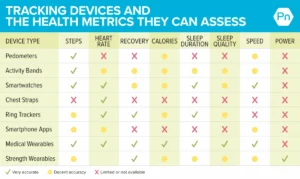
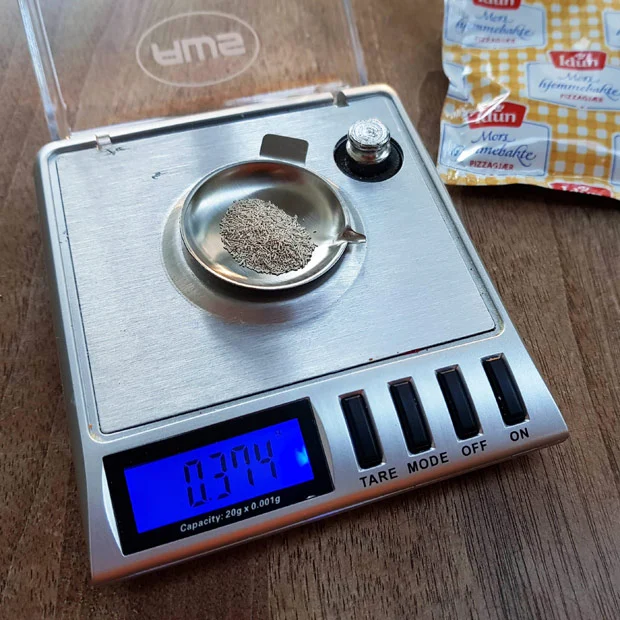
Macro tracking, the practice of monitoring macronutrient intake (proteins, carbohydrates, and fats), surged in popularity alongside the mainstreaming of fitness and dietary optimization. For many, including Dr. Fundaro, it provided an appealing sense of control and a clear roadmap for achieving specific body composition goals. Its analytical approach, often facilitated by smartphone applications and digital scales, offered a data-driven path to understanding food’s impact on the body. This level of granularity proved invaluable for athletes, bodybuilders, and individuals with highly specific nutritional requirements, allowing for precise adjustments to fuel performance and recovery.
However, the very precision that made macro tracking appealing ultimately became its downfall for Dr. Fundaro. The constant vigilance required to balance macronutrients perfectly transformed eating from a natural act into a complex calculation. The joy of a meal, the simple pleasure of choosing from a menu, was overshadowed by the imperative to hit numerical targets. This external locus of control, where an app or a set of numbers dictated her food choices, eroded her innate confidence around eating. She found herself perpetually worried about "going sideways" – losing muscle, gaining fat, or simply not knowing how to fuel herself without the digital crutch. The fear of abandoning the system was palpable, a testament to how deeply ingrained the tracking habit had become. Questions haunted her: "What if I don’t eat enough protein, and lose all my muscle?" "What if I overeat and gain fat?" "What does this say about me as an expert in the field of nutrition?"
Seeking a New Paradigm: Beyond Restriction and Pure Intuition
Recognizing the unsustainability of her approach, Dr. Fundaro began a quest for an alternative that could support her nutritional goals without sacrificing her mental peace or autonomy. Traditional calorie counting was quickly dismissed as merely a different form of restriction, potentially even more rigid than macro tracking. The burgeoning movement of "intuitive eating," which emphasizes tuning into internal hunger and fullness cues, also presented a challenge. While conceptually appealing, years of relying on external metrics had dulled her interoceptive awareness – her ability to perceive internal bodily signals. She felt a profound distrust in her own instincts, craving a framework that offered structure without the shackles of strict numbers.
It was within the familiar confines of her powerlifting gym that inspiration struck. Dr. Fundaro had been integrating the Rate of Perceived Exertion (RPE) scale into her training. RPE, a scientifically validated method developed by Gunnar Borg in the 1960s, allows individuals to quantify their subjective effort during physical activity, typically on a scale of 0-10 or 6-20. This system empowered her to train both effectively and safely, adjusting her workouts based on how her body felt on any given day, leading to noticeable improvements in strength and recovery. The elegant blend of objective guidance and subjective interpretation inherent in RPE sparked a profound realization: If a similar framework could optimize physical training, why couldn’t it revolutionize her approach to eating?
The Birth of RPE-Eating: Blending Structure with Internal Wisdom
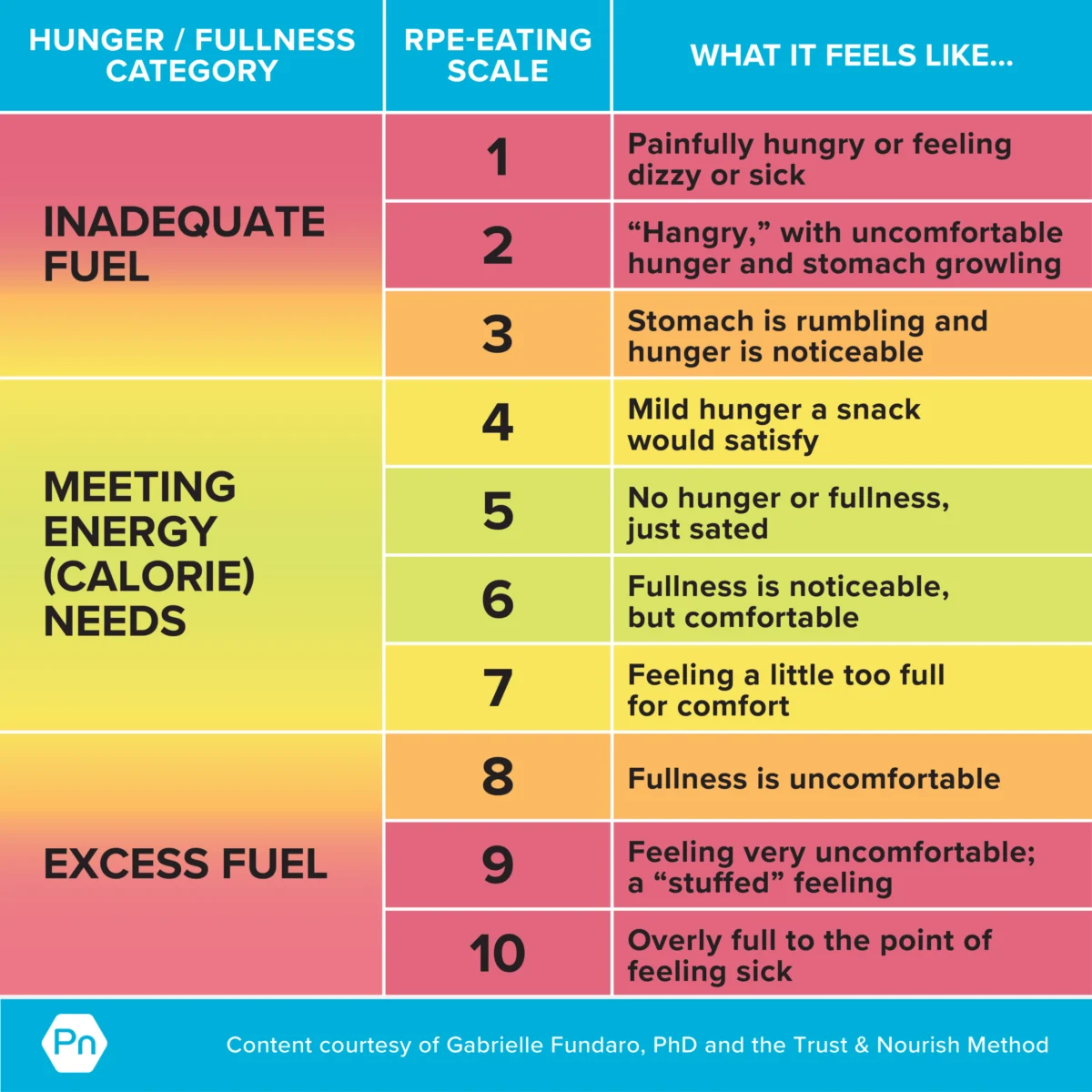
The "apple hitting Sir Isaac Newton" moment led to the conception of the RPE-Eating Scale. This innovative system translates the principles of RPE from physical exertion to internal hunger and fullness sensations, providing a structured yet flexible guide for food choices. The RPE-Eating Scale, typically presented on a 0-10 range (similar to modern fitness RPE scales), helps individuals map their internal bodily cues to a numerical rating, thereby building a bridge between objective observation and subjective experience.
The standard RPE scale in fitness, for context, ranges from 0 (no exertion) to 10 (maximum effort). It is widely used in various disciplines, from powerlifting to rehabilitation, allowing athletes to autoregulate their training intensity based on their body’s current state. For instance, a powerlifter might aim for a 7/10 RPE on a given set, meaning they perceive they could have done three more repetitions. This autonomy, guided by a numerical scale, resonated deeply with Dr. Fundaro.
Applying this logic to eating, the RPE-Eating Scale (often visualized as a hunger-fullness chart) provides distinct descriptors for each numerical level, ranging from painfully hungry (1) to uncomfortably stuffed (10), with the middle ground (4-7) representing adequate fuel and comfortable satiety. The core objective of RPE-Eating is to cultivate interoceptive awareness around food intake, fostering self-trust and competence without external tracking devices. Dr. Fundaro, through this method, successfully liberated herself and her clients from the tyranny of macro trackers, helping them regain confidence, improve nutritional awareness, and achieve a newfound freedom around food.
Implementing RPE-Eating: A Four-Step Process
Adopting RPE-Eating, like any new skill, requires practice and patience, especially for those accustomed to external food guidance. Dr. Fundaro outlines a four-step process:
-
Get Clear on Your Goals: RPE-Eating is fundamentally different from a traditional diet. Its primary aim is not to manipulate body composition through strict control, but rather to foster self-trust, confidence, and a sustainable, intuitive approach to nourishment. While it can be adapted for specific physique goals (e.g., weight loss or gain), it is not the most efficient tool for extreme modification. The emphasis is on sensing what the body truly needs and responding appropriately, embracing that some bodily changes might occur as one lets go of rigid control. This step often requires a significant mindset shift, moving away from the pursuit of "optimal" macros towards a more holistic understanding of well-being.

-
Practice Identifying Your Hunger Cues: This crucial step involves distinguishing between true physiological hunger and psychological appetite. Hunger arises from physical signals (stomach rumbling, lightheadedness, emptiness) indicating a need for energy, driven by hormones like ghrelin. Appetite, conversely, is the desire or interest in eating, often influenced by sensory cues (smell, sight) or emotional states, and can persist even after physical hunger is satisfied.
To hone this skill, Dr. Fundaro recommends a mindful eating exercise: Before, halfway through, and immediately after a meal, individuals assess their hunger level using the RPE-Eating scale. This reflective practice, performed without distractions, helps recalibrate the body’s internal compass, reinforcing the connection between physical sensations and appropriate food intake. Over time, this consistent self-assessment enhances interoceptive awareness, allowing for a more accurate interpretation of hunger and fullness signals. -
Get to Know Your Non-Hunger Triggers: Life is replete with stressors and emotions that can trigger eating beyond physical hunger. Stress, boredom, anxiety, sadness, or even joy can lead to compulsive or mindless eating. RPE-Eating encourages individuals to identify these "non-hunger triggers" by practicing "notice and name." When one finds themselves eating quickly or mindlessly, the practice involves pausing to identify the underlying emotion (e.g., anxiety, anger) or the preceding event (e.g., a stressful work email, an argument).
Once identified, the next step is to explore alternative, non-food coping mechanisms. This could involve a short walk, a breathing exercise, connecting with a friend, or engaging in a hobby. Building a diverse repertoire of self-soothing strategies is as vital as recognizing hunger cues, fostering intentional eating rather than reactive consumption. This acknowledges the complex interplay between psychology, emotion, and eating behavior. -
Eat for Satiety AND Satisfaction: Beyond merely quelling physical hunger (satiety), RPE-Eating emphasizes the importance of psychological satisfaction. Satiety refers to the physical sensation of fullness, where caloric and fuel needs are met. Satisfaction, however, encompasses a more holistic sense of nourishment, where the meal is not only physically adequate but also pleasurable and enjoyable.
Many restrictive diets inadvertently create a state of "physical satiety but emotional dissatisfaction" by banning entire food groups. This often leads to a pendulum effect: restriction followed by bingeing. RPE-Eating encourages integrating genuinely enjoyable foods into one’s diet, using the scale to guide intake even with previously "off-limits" items. The goal is to demonstrate that all foods can fit into a balanced, intuitive eating pattern, thereby reducing the psychological burden of deprivation and fostering a healthier, more flexible relationship with food. This principle aligns with broader nutrition research highlighting the importance of psychological well-being and pleasure in sustainable dietary practices.
Scientific Underpinnings and Broader Implications
The skepticism often directed at "feelings-based" approaches like RPE-Eating echoes the initial resistance faced by RPE in athletic training. However, just as RPE is now a widely accepted and scientifically validated tool in sports science, RPE-Eating rests on the robust physiological and psychological concept of interoceptive awareness. This is the continuous sense of the physiological condition of the body, crucial for self-regulation and emotional experience. Studies have shown that enhanced interoceptive awareness correlates with improved emotional regulation and overall well-being.
RPE-Eating, therefore, is not merely about "listening to your gut" in a vague sense. It is a deliberate practice to attune to specific physiological signals: the release of ghrelin when hungry, the stretch receptors in the stomach signaling fullness, and the nuanced interplay of hormones like leptin and cholecystokinin that regulate satiety. By systematically mapping these internal sensations to a tangible scale, individuals develop a more precise and reliable internal feedback system. This approach offers a significant advantage over external tracking, which often overlooks individual variability in metabolic rates, activity levels, and stress responses. While tracking glucose levels can provide objective data, the constant monitoring can be impractical and can still externalize control. RPE-Eating provides an accessible, convenient, and highly personalized alternative that prioritizes lived experience and bodily wisdom.
Limitations and Considerations
Despite its numerous benefits, RPE-Eating is not a panacea. It demands conscious effort, self-reflection, and a willingness to engage with one’s physical and emotional landscape. This intensive self-awareness can be challenging for individuals with demanding schedules, such as parents of young children or those with jobs requiring constant mobility and on-the-go eating. For such individuals, a full immersion might not be feasible. Dr. Fundaro wisely suggests a flexible approach: integrating RPE-Eating when possible, perhaps during quieter meals, or focusing on isolated steps, such as simply practicing hunger and fullness awareness without attempting to alter other habits.
Crucially, for individuals struggling with clinical eating disorders or severe disordered eating patterns, RPE-Eating should not be seen as a substitute for professional medical and psychological support. While it can be a valuable tool in recovery, it is best implemented under the guidance of healthcare professionals specializing in eating disorders, such as therapists, doctors, or registered dietitians.
RPE-Eating for Weight Modification
While RPE-Eating is ideally suited for a weight-neutral approach, focusing on internal trust and nourishment, Dr. Fundaro acknowledges its potential adaptability for weight modification, albeit with caveats. For weight gain, aiming to eat within the 7-8 range on the RPE-Eating scale (noticeable to slightly uncomfortable fullness) for most meals would generally support increased caloric intake. Conversely, for weight loss, targeting the 4-5 range (mild hunger to comfortable satiety) would facilitate a caloric deficit.
However, Dr. Fundaro cautions against using RPE-Eating for extreme weight modification, such as preparation for a bodybuilding competition, where highly precise, aggressive caloric and macro manipulation is often required. She likens this to using physiotherapy exercises to prepare for a powerlifting competition – it’s simply not the right tool for the job. Her philosophy prioritizes "safe weight modification," where the inherent risks associated with weight change are mitigated through best practices. RPE-Eating provides a safety net by fostering biofeedback and awareness of non-hunger triggers, which can counteract some of the risks of disordered eating often associated with rigid macro tracking.
Conclusion: An Off-Ramp to Food Freedom
The journey from dependence on external food tracking to an intuitive, self-regulated approach is a significant one. Macro tracking, while a powerful educational tool, is rarely a lifelong solution for most people. The fear of abandoning such a deeply ingrained system is real and often drives individuals back to its perceived safety. In this context, RPE-Eating emerges as a vital "off-ramp," providing a structured yet flexible framework to transition away from rigid and restrictive eating patterns. It offers language and guidance to navigate the complex landscape of hunger, fullness, and emotional eating, empowering individuals to reclaim autonomy over their food choices.
By fostering interoceptive awareness and integrating the nuanced interplay of physical and psychological needs, RPE-Eating facilitates a profound shift. It moves individuals from a state of external control, where macro targets or plate-cleaning habits dictate consumption, to an internal wisdom that truly understands and responds to the body’s needs. As Dr. Fundaro succinctly puts it, "The goal is to know that you’re nourishing yourself—and you don’t need a food tracker to do that." This innovative approach represents a significant step towards a more mindful, confident, and sustainable relationship with food in an increasingly complex nutritional landscape.