
The quest for the perfect sourdough loaf often hinges on a single, nuanced element: its sourness. This characteristic tang, a hallmark of naturally leavened bread, can range from a subtle whisper to a robust, mouth-puckering punch. For bakers, understanding how to manipulate this sourness is not merely an aesthetic choice but a fundamental aspect of mastering the sourdough craft. This comprehensive guide delves into the science behind sourdough’s signature tang and provides practical, actionable strategies for bakers to control and refine it, from achieving a mild, background acidity to cultivating an assertive, complex sourness.
At its core, the sourness in sourdough is a delicate dance between time, temperature, and the intricate microbial ecosystem residing within a sourdough starter. These microscopic organisms, primarily lactic acid bacteria (LAB) and wild yeasts, work in concert to ferment the dough, producing the acids that define the sourdough flavor profile. By understanding the interplay of these factors, bakers can exert significant influence over the final taste of their loaves. This exploration draws upon years of baking experience and scientific understanding to demystify the process, offering insights that can be applied at nearly every stage of breadmaking.
The Biochemical Foundation of Sourdough Sourness
The distinctive tang of sourdough bread is primarily attributed to two organic acids: lactic acid and acetic acid. Each contributes a unique dimension to the overall flavor.
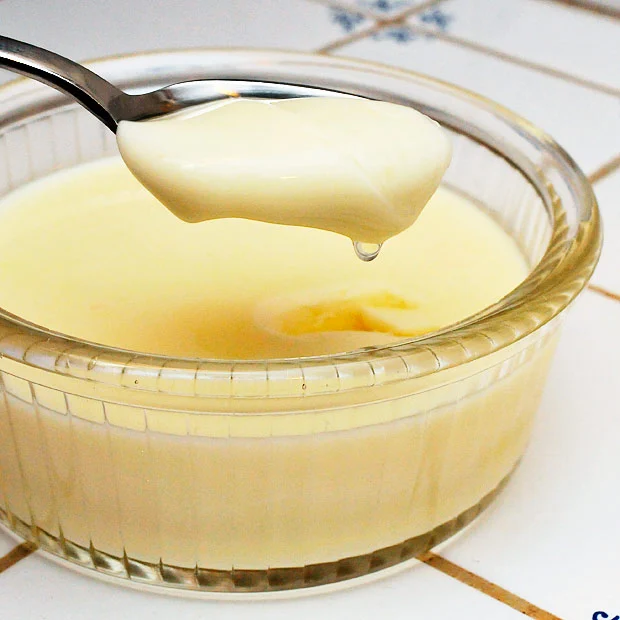
- Lactic Acid: This acid imparts a smooth, mild, and often described as yogurt-like sourness. It contributes a creamy quality to the bread, enhancing its overall palatability without being overtly sharp. Lactic acid bacteria are responsible for its production.
- Acetic Acid: In contrast, acetic acid is sharper and more pungent, akin to the acidity found in vinegar. This is the primary driver of the assertive, tangy bite in sourdough. Acetic acid possesses a higher vapor pressure than lactic acid, making it the component responsible for the characteristic vinegary aroma often associated with active sourdough starters.
The ratio and total production of these acids are not static. They are highly responsive to the environmental conditions within the dough, particularly its pH level. As the LAB and yeasts ferment, they produce acids, causing the dough’s pH to gradually decrease. This acidity acts as a natural regulator; as the pH drops below a certain threshold, microbial activity begins to slow down, eventually reaching a point where fermentation significantly reduces. This self-limiting process underscores why factors that influence the duration and efficiency of microbial activity are so critical in controlling sourness.
Strategies for Amplifying Sourdough Sourness
For bakers who desire a more pronounced tang in their sourdough, several key adjustments can be made throughout the breadmaking process. These techniques leverage the fundamental principles of microbial fermentation and acid production.
Utilizing a Ripe Starter
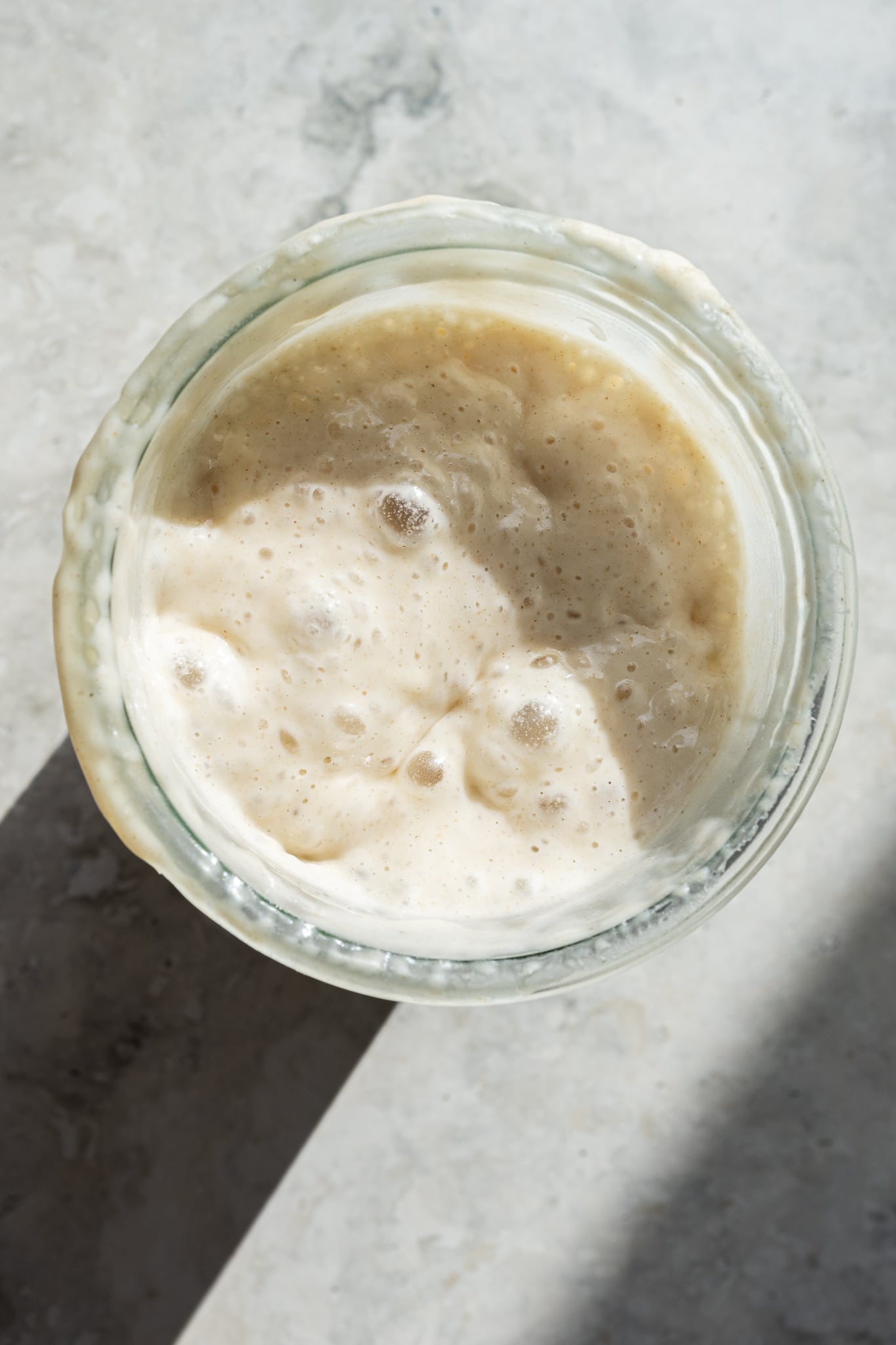
The stage at which a sourdough starter is used is a primary determinant of sourness. A starter that has passed its peak ripeness—characterized by a strong, pungent sour aroma, a loose and somewhat collapsed consistency, and abundant bubbles both on the surface and throughout—has already accumulated a significant amount of acid. Incorporating such a starter, or a levain built from it, into the dough will directly translate to a more sour final product. This is because the accumulated acidity from the overripe starter carries through the entire fermentation process.
Extending the Cold Proof (Retardation)
One of the most reliable and widely employed methods for developing deeper sour flavors is extending the cold proofing period. Refrigerating dough significantly slows down microbial activity, but it does not halt it entirely. Acid continues to accumulate over an extended period. Crucially, while both yeast and bacteria are slowed by cold temperatures, yeast are generally less inhibited than bacteria. This imbalance means that yeast continue to metabolize sugars, releasing them for bacterial consumption. Under these cooler conditions, bacteria tend to favor the production of acetic acid, leading to a sharper, more vinegar-like tang.
Bakers often find that an overnight cold proof (12-16 hours) yields a pleasant, integrated sourness. However, extending this period to 24, 48, or even 72 hours can dramatically increase the sour intensity. Some artisanal bread recipes, designed specifically for pronounced sourness, mandate cold fermentation periods exceeding two days. It is important to note that while extended cold proofing enhances sourness, it can also lead to a reduction in oven spring. This is due to the enzymatic breakdown of gluten over prolonged periods, which can compromise the dough’s structural integrity and its ability to expand vigorously in the oven.
Employing a Stiff Levain
The hydration level of the levain (the pre-ferment mixture used to leaven the main dough) plays a role in the type of acid produced. A stiffer levain, typically with a hydration of 50-65%, tends to favor acetic acid production. This phenomenon is similar to the effect of cooler temperatures: lower hydration levels can slow bacteria relative to yeast, tipping the balance toward the production of sharper acids. However, it’s crucial to understand that stiffness alone is not a guarantee of increased sourness. Sufficient time for the levain to ripen is essential. A stiff levain that is given ample time to ferment will contribute more significantly to the dough’s acidity than a liquid levain that is used prematurely.
Incorporating Whole Grains
The inclusion of whole grain flours, particularly rye, is a significant factor in increasing sourdough sourness. This is primarily due to their higher ash content, which reflects their mineral concentration. Minerals act as natural buffers in the dough, absorbing and neutralizing acids. Flours with higher ash content can therefore accommodate more acid production before the pH drops to a level that inhibits microbial activity. Consequently, whole grains, especially rye, allow for greater total acid accumulation, leading to a more pronounced sour flavor. Even small percentages of rye flour in the levain or dough can noticeably enhance the tang.
Fermenting at Warmer Temperatures
Temperature exerts a dual influence on acid production: it affects both the quantity and the type of acid produced. Warmer dough temperatures, generally between 78-82°F (25-28°C), stimulate greater overall bacterial activity. Sourdough bacteria thrive in this range, leading to increased production of total acid. Conversely, cooler temperatures, while slowing overall fermentation, can shift the balance of acid production towards acetic acid, resulting in a sharper tang, even if the total acid volume is lower. For a rounder, lactic-driven sourness, warmer fermentation is preferred. For a sharper, more aggressive tang, cooler temperatures and longer fermentation times are more effective. Often, a balanced approach, such as a moderately warm bulk fermentation followed by an extended cold proof, can achieve a desirable complexity of flavor.
Using a Smaller Levain Percentage
Contrary to common intuition, using a smaller percentage of levain can actually lead to a more sour loaf. A large, heavily ripened levain introduces a significant amount of acid into the dough from the outset, causing the pH to drop rapidly. As previously discussed, bacteria are sensitive to low pH, and their activity diminishes as acidity increases. Therefore, a dough that begins with a lower pH may have less "runway" for bacteria to produce additional acid. Conversely, a smaller levain results in a higher initial pH, allowing bacteria to function for a longer period and gradually accumulate more acid. This approach necessitates longer fermentation times to achieve adequate leavening, but it can ultimately yield a more complex sour profile.
Techniques for Mellowing Sourdough Sourness
Not all bakers aspire to a pronounced tang. Many, including the author, prefer a more subtle, nuanced sourness that complements rather than dominates the bread’s flavor. Fortunately, there are effective strategies to dial back the acidity.
Maintaining a Well-Fed Starter
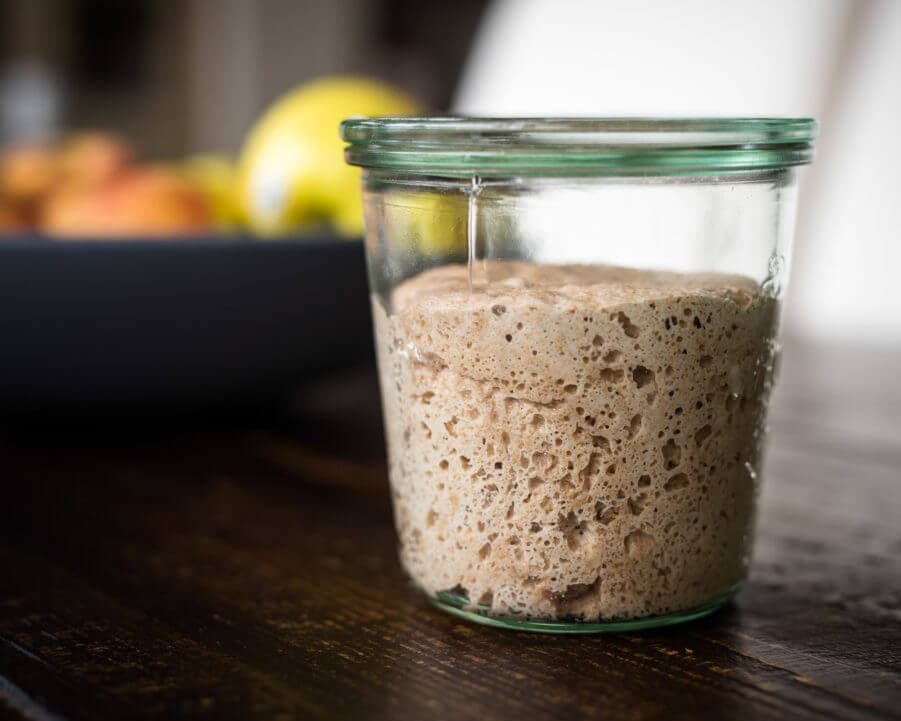
The most straightforward method for reducing sourness is consistent and diligent starter maintenance. Regular feedings dilute the accumulated acids, providing fresh nutrients for the yeast and bacteria. A starter that is fed frequently and maintained at its peak ripeness—visibly risen, bubbly, and dome-shaped—has consumed its food but has not yet begun to produce excessive acid. Using such a starter, or a levain derived from it, will result in a milder bread. This practice ensures a balanced microbial population with less reliance on acid accumulation.
Utilizing a Young Levain
The timing of levain usage is critical for controlling sourness. A "young" levain, one that has risen but has not yet reached its absolute peak ripeness, will contribute less acid to the final dough. These levains are characterized by high yeast activity and minimal sourness. A common approach is to build a levain with a 1:1:1 ratio of starter, flour, and water, kept warm (around 78-80°F or 25-27°C) for 3-4 hours. It is ready when it has doubled, shows visible bubbles, possesses a mild sweet-sour aroma, and maintains a cohesive texture. This type of young levain is often favored for applications like sourdough pizza where a less aggressive tang is desired.
Shortening the Cold Proof
If a bread’s sourness is proving too intense, reducing the duration of the cold proof is an effective solution. Instead of an overnight (16-18 hour) refrigeration period, shortening it to 10-12 hours can yield a milder flavor. An even more direct approach is to omit the cold proof entirely and allow the shaped loaves to proof at room temperature for 2-4 hours, or until they pass the "poke test," indicating they are ready for baking. Breads proofed without an extended cold fermentation often exhibit a more delicate tang, allowing the inherent flavors of the grain to come forward more prominently.
Using a Liquid Levain
Higher hydration levains, such as those at 100% hydration (equal parts flour and water by weight), tend to favor lactic acid production—the smoother, yogurt-like sourness—over acetic acid. This results in a gentler, less sharp flavor profile compared to stiff levains. Many bakers find that using a liquid levain, coupled with other controlled factors, achieves a desirable sourdough character without an overwhelming tang.
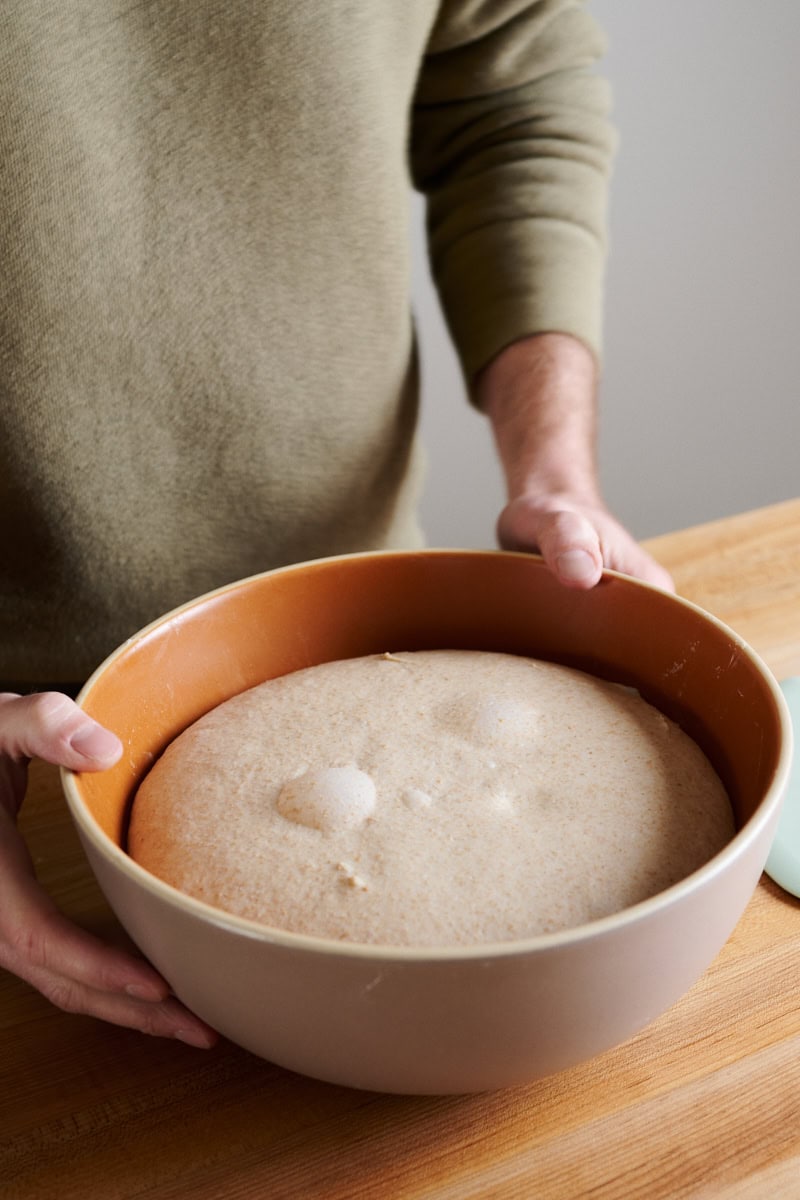
Fermenting Cooler (for Less Total Acid)
While cooler temperatures can shift acid production towards acetic acid, they also significantly slow bacterial activity, leading to less total acid production overall. If a bread is excessively sour, employing a cooler, shorter bulk fermentation followed by a reduced proofing time can result in a milder loaf. Caution is advised to prevent underproofing when employing this strategy.
Using a Larger Levain Percentage
The assumption that a larger levain percentage automatically equates to more sourness is a common misconception. While a larger levain introduces more pre-fermented flour with a lower initial pH, this can paradoxically limit further acid development. The rapid initial drop in pH due to a substantial, ripe levain can slow bacterial activity early in the fermentation process, reducing the potential for extensive acid accumulation. Conversely, a smaller levain starts the dough at a higher pH, allowing bacteria to ferment and produce acid more gradually over a longer period. This nuanced relationship highlights that levain percentage is just one variable among many that influence sourness.
Addressing the Absence of Tang
A common frustration for novice sourdough bakers is producing loaves that lack the expected sourdough tang. Several factors can contribute to this blandness:
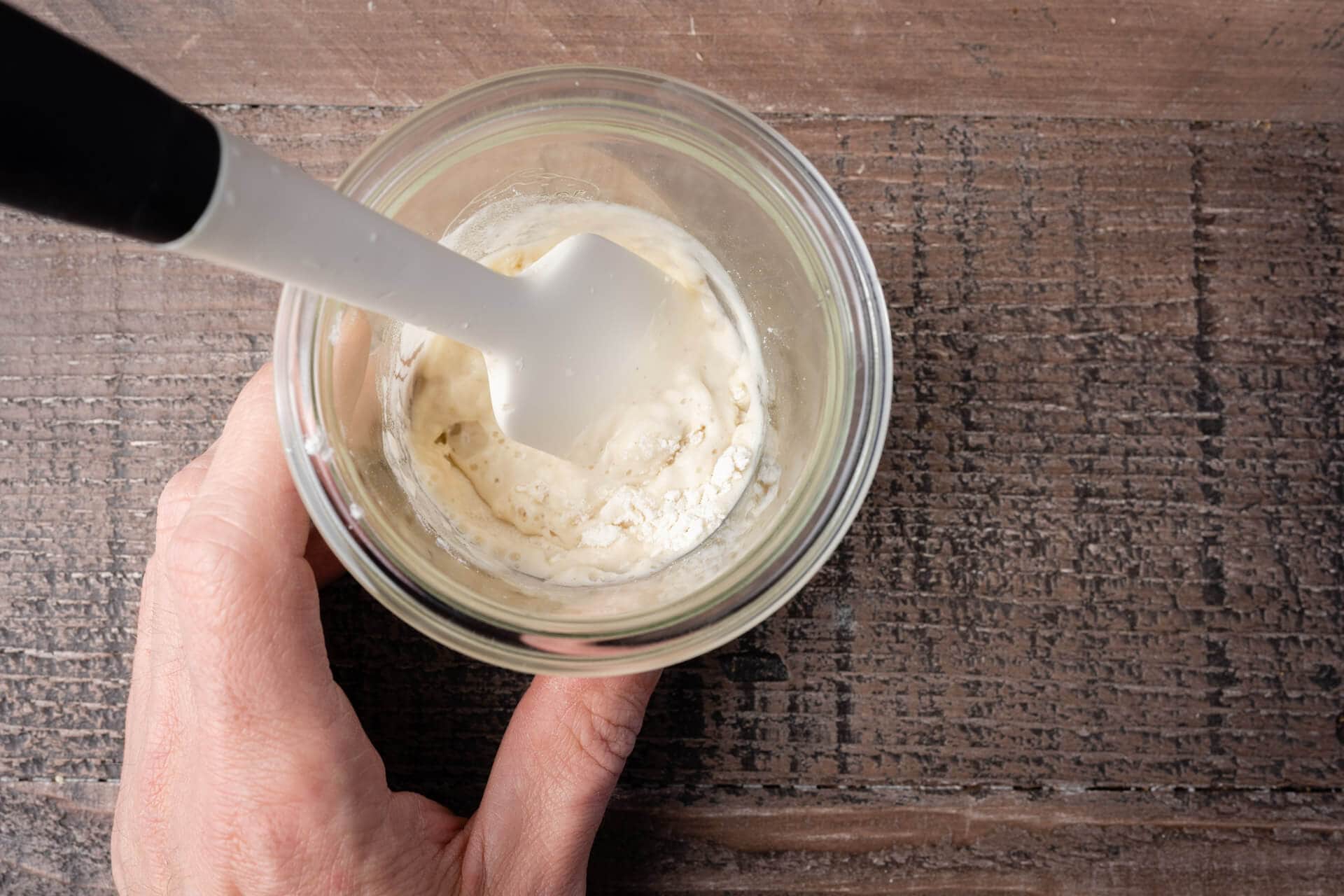
- Immature Starter: A starter less than 2-3 weeks old may not have developed a robust enough bacterial population to produce significant acidity. Flavor development is a gradual process that occurs as the starter matures and the dominant acid-producing bacteria establish themselves. Patience and consistent feeding are key for new starters.
- Under-ripened Levain: Using a levain before it has fully ripened means insufficient fermentation time for acid accumulation. Ensuring the levain has at least doubled in volume, shows ample bubbles, and has a pleasant sweet-sour aroma is crucial.
- Insufficient Fermentation Time: Both bulk fermentation and proofing contribute to flavor development. Rushing through these stages, especially in a warm kitchen where fermentation proceeds rapidly, can result in a dough that is leavened but lacks developed sourness. Extending bulk fermentation or incorporating a cold proof can help.
- Overly Warm Kitchen: In kitchens exceeding 80°F (27°C), fermentation can occur so quickly that the dough proofs before significant acid has developed. Using cooler mixing water to manage dough temperature and potentially employing an extended cold proof can help balance this.
- Exclusive Use of Refined White Flour: As discussed, low-ash refined flours have a lower capacity for buffering acid. If a loaf lacks tang and is made primarily with white flour, incorporating even a small percentage of whole wheat or rye can significantly enhance sourness.
Conclusion: The Baker’s Control Over Sourdough Character
The allure of sourdough lies in its inherent adaptability. Unlike breads leavened with commercial yeast, sourdough offers a vast spectrum of flavor possibilities that bakers can meticulously control. Sourness is a prime example of this, providing a tangible avenue for experimentation and personalization. By deliberately adjusting variables such as starter ripeness, fermentation time and temperature, levain hydration, and flour composition, bakers can fine-tune the tang of their loaves to match their individual preferences.
Ultimately, there is no single "correct" level of sourness. The most cherished sourdoughs can range from those with a barely perceptible tang to those celebrated for their assertive acidity. The journey of mastering sourdough sourness is one of observation, experimentation, and a deep understanding of the microbial processes at play. By embracing these principles, bakers can consistently create loaves that are not only visually appealing but also exquisitely flavored, tailored precisely to their own discerning palates and those of their loved ones.